10 Natural Ways to Soothe Your Itchy Dog (That Actually Work)
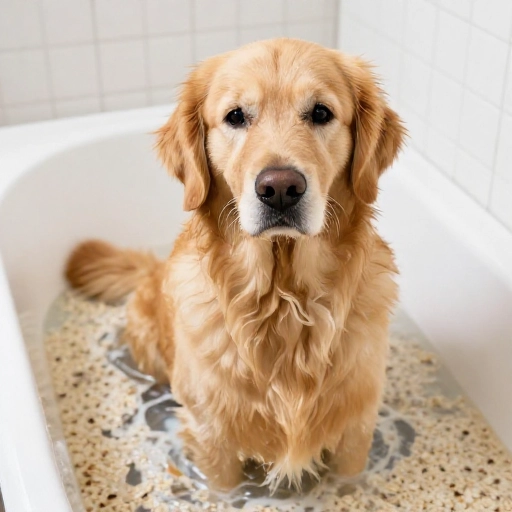
There’s nothing worse than watching your pup scratch, bite, and lick themselves raw. You can see the discomfort in their eyes, and you’d do just about anything to help them find relief. If you’re tired of the endless scratching soundtrack and want to steer clear of harsh chemicals, you’re in the right place.
I’ve been down this road with my own golden retriever, and I’ve learned that a little bit of nature goes a long way. Here are my favorite, vet-approved natural remedies to calm that itchy skin and get your furry friend back to their happy, wiggly self.
1. Start With A Colloidal Oatmeal Bath
This is my absolute first move when the itching starts. Colloidal oatmeal is finely ground oatmeal that’s amazing for inflamed skin. It helps lock in moisture and acts as a soothing barrier against irritants.
Fill the tub with lukewarm water (not hot, that can make itching worse!), add a cup of colloidal oatmeal, and let your dog soak for about 10 minutes. Gently massage the water into their coat and pat them dry with a soft towel. No rubbing—that feels great for a minute but actually stimulates more itching afterward.
You can do this two to three times a week during flare-ups, and it’s gentle enough for puppies.
2. Brew A Calming Chamomile Tea Rinse
Chamomile isn’t just for bedtime tea—it’s a natural anti-inflammatory powerhouse. It works wonders on hot spots and red, irritated patches. Plus, it smells lovely and fresh.
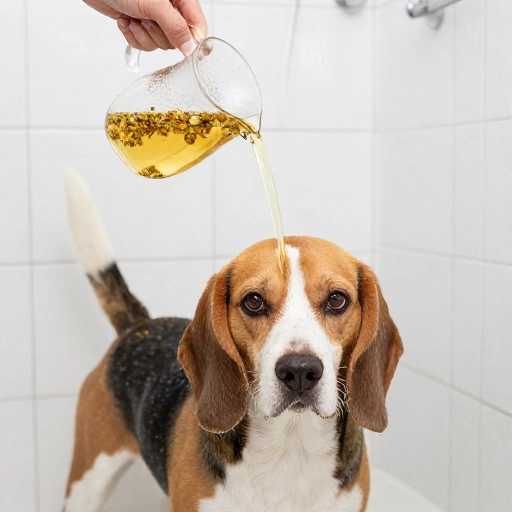
Steep four to five chamomile tea bags in a quart of boiling water, let it cool completely, then pour it over your dog after their regular bath. Let them air dry or gently pat them down. The coolness of the rinse alone is super soothing for itchy skin.
Just make sure to keep the tea away from their eyes and ears. If your dog is prone to ear issues, use a cotton ball to wipe around the outer ear only.
3. Whip Up A Coconut Oil Topical Paste
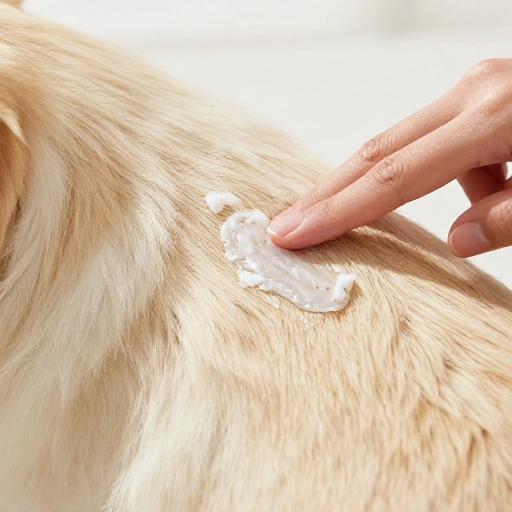
Plain, unrefined coconut oil is my secret weapon for dry patches. It’s naturally antibacterial and antifungal, and it smells like a tropical vacation. When my dog gets a flaky spot, I rub a small amount between my palms and massage it directly onto the area.
Be careful with the amount—you only need a tiny bit. Too much can make their fur greasy and attract dirt. Start with a pea-sized amount for small areas and work it in well.
You can also give a tiny spoonful orally for extra skin health, but do that slowly since it can upset sensitive tummies.
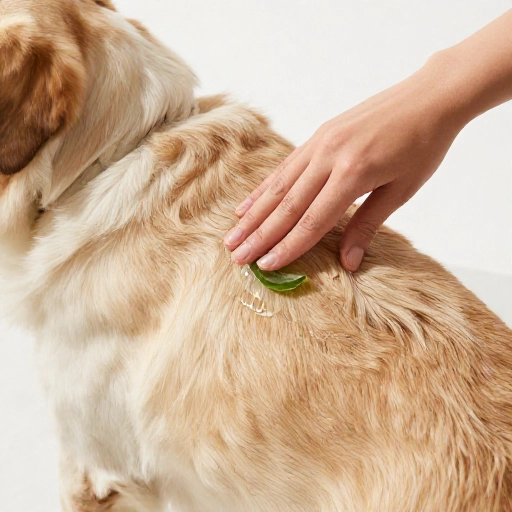
4. Try A Cool Aloe Vera Gel
Aloe vera is like a tall glass of water for irritated skin. It cools, hydrates, and reduces redness almost instantly. I keep a pure aloe plant on my windowsill just for this purpose.
Slice a leaf open and scoop out the clear gel. Apply it directly to red, itchy spots, especially on their paws or belly. Let it sit for a few minutes so it can soak in before they shake it off.
Absolutely do not use store-bought aloe with added alcohol or fragrance. Stick to 100% pure aloe, or better yet, straight from the plant.
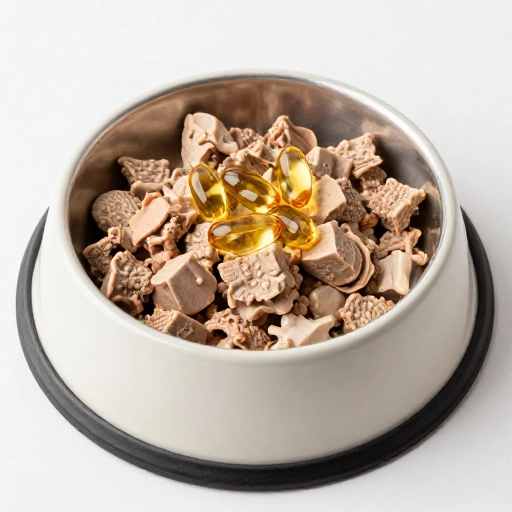
5. Add Omega-3 Fatty Acids To Their Bowl
Itchy skin often starts from the inside out. Omega-3 fatty acids are incredible for reducing inflammation and improving the skin barrier. I add a pump of high-quality fish oil to my dog’s dinner every single day.
You can also use flaxseed oil or chia seeds if your dog prefers a plant-based option. The key is consistency—you won’t see results overnight, but within two to three weeks, you’ll notice a softer coat and way less scratching.
Always start with a smaller dose and work your way up to avoid loose stools.
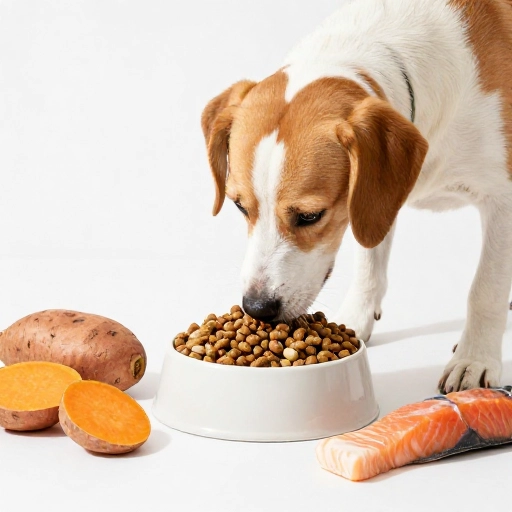
6. Switch To A Limited-Ingredient Diet
Food allergies are a sneaky cause of itchy skin. If you’ve tried everything topical and nothing sticks, it’s time to look at the food bowl. Chicken and beef are two of the most common culprits for pups.
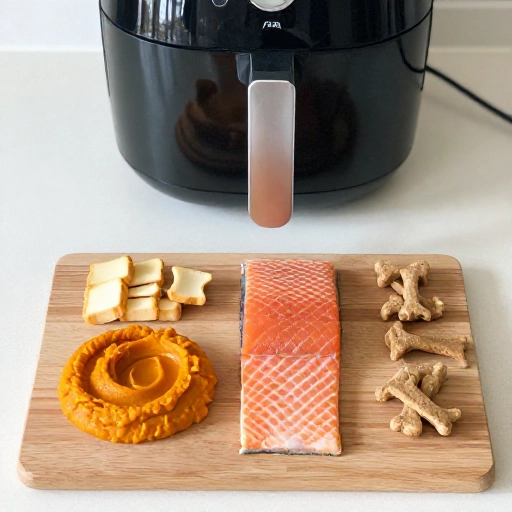
Try switching to a limited-ingredient diet with a novel protein like salmon, duck, or venison. Look for a food that has just one protein source and one carbohydrate source, like sweet potato or peas.
Give it a full eight weeks to see if there’s a difference. It takes time for the old proteins to leave their system, but the payoff is huge when you finally find the trigger.
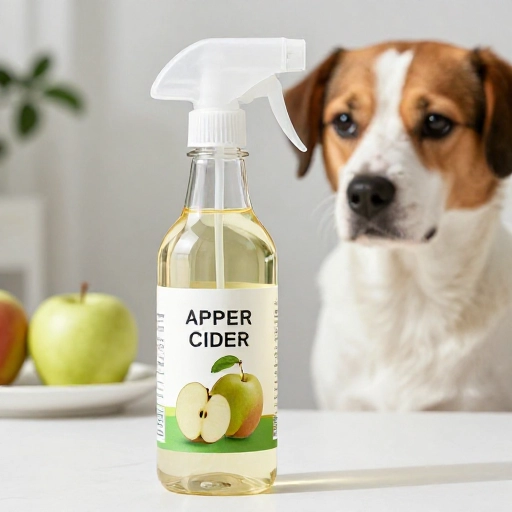
7. Make A DIY Apple Cider Vinegar Spray
Apple cider vinegar is a natural antiseptic that helps balance the skin’s pH. It’s especially great for itchy paws and ears. I mix one part raw, unfiltered ACV with one part water in a spray bottle.
Spray it directly on your dog’s paws after a walk, or use a cotton ball to wipe the inside of their floppy ears. It helps kill yeast and bacteria that love warm, damp environments.
A huge warning here: never spray this on open wounds or broken skin—it will sting! And always dilute it. Straight ACV is way too harsh.
8. Give Them A Lukewarm Epsom Salt Soak
Epsom salt is a classic for a reason. It draws out toxins and reduces swelling, which makes it perfect for swollen paws or itchy bellies. I use it whenever my dog has a flare-up on her underbelly.
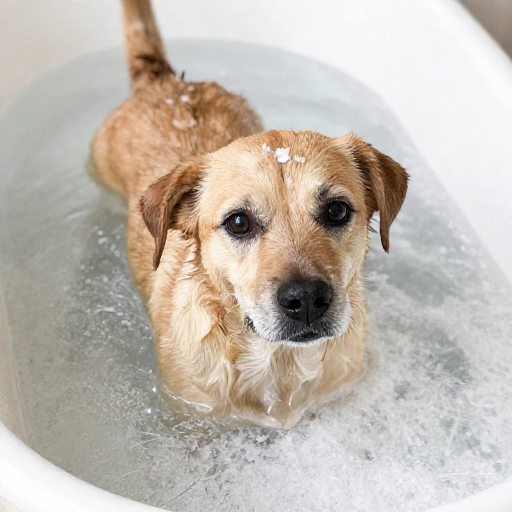
Dissolve a couple of cups of plain Epsom salt in a tub of lukewarm water and let your dog stand in it for 10 minutes. It’s not a full bath; you just want to soak the affected areas.
Make sure the salt is unscented and pure. Flea and tick prevention products are not needed here, just plain salt.
9. Use A Cool Compress For Hot Spots
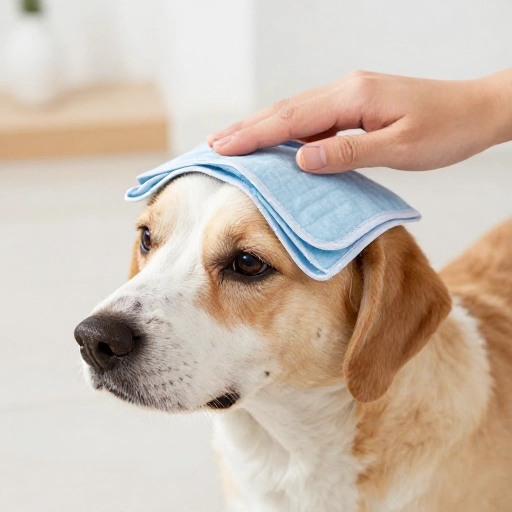
Hot spots are those angry, wet, red patches that appear out of nowhere. They’re incredibly painful, and your dog will lick them obsessively. A cool compress is the quickest way to take the edge off.
Soak a clean washcloth in cold water, wring it out, and hold it gently on the hot spot for five minutes. Repeat a few times a day. The cold numbs the area and reduces the heat that drives them crazy.
After the compress, let the area dry completely. Keep an eye on it—if it’s spreading or has a bad smell, it’s time for a vet visit.
10. Brush Them Daily To Remove Irritants
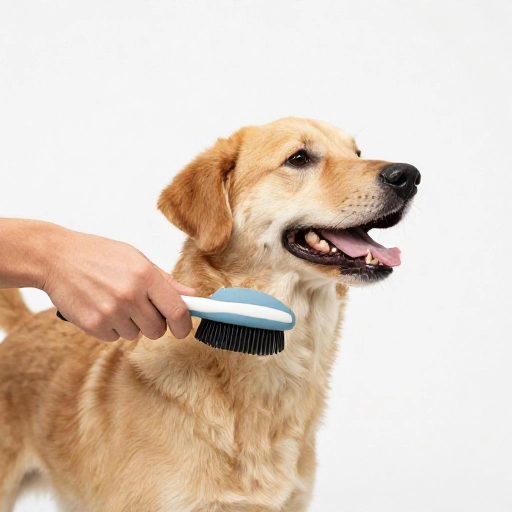
Sometimes the simplest fix is the best one. Daily brushing removes pollen, dust, and loose fur that can get trapped against the skin. It also spreads the natural oils across their coat, creating a protective layer.
I brush my dog every evening before bed. It’s become our little bonding ritual, and it drastically cuts down on the itching. Plus, it helps me spot any fleas, ticks, or weird bumps early.
Use a gentle brush suited for their coat type. For short-haired dogs, a rubber curry brush is perfect. For long-haired breeds, a slicker brush works better.
Final Thoughts On Natural Itch Relief
Dealing with an itchy dog can feel like a full-time job, but you don’t have to rely on harsh medications alone. These natural remedies have been lifesavers in my house, and I hope they bring your pup some relief too.
Remember, every dog is different. What works for one might not work for another, so don’t be afraid to mix and match. And if the itching is severe, non-stop, or accompanied by hair loss, always check with your vet first. Natural is great, but sometimes medical help is needed.
Here’s to calmer skin and a happier, itch-free pup!
Frequently Asked Questions
Can I use human antihistamines for my dog?
Some human antihistamines like Benadryl are safe for dogs, but you must check with your vet for the correct dosage. Never guess—dogs metabolize medication differently than we do.
How often should I bathe an itchy dog?
Once a week with a gentle, oatmeal-based shampoo is usually fine during a flare-up. Too much bathing can strip natural oils and make things worse, so listen to your dog’s skin.
Is coconut oil safe for all dogs?
Yes, in moderation. Some dogs might have a mild allergic reaction, so start with a tiny amount and watch for any adverse signs like vomiting or diarrhea.
What if the itching doesn’t stop after two weeks?
If you’ve tried natural remedies and there’s no improvement, it’s time to see your vet. Persistent itching can be a sign of a deeper issue like thyroid problems or a skin infection.
Can I use these remedies on puppies?
Most of these are safe for puppies over 12 weeks old, but always start with a patch test on a small area of skin. Puppies have very sensitive systems, so go slow.