5 Ways Your Cat is Telling You They Are Unhappy
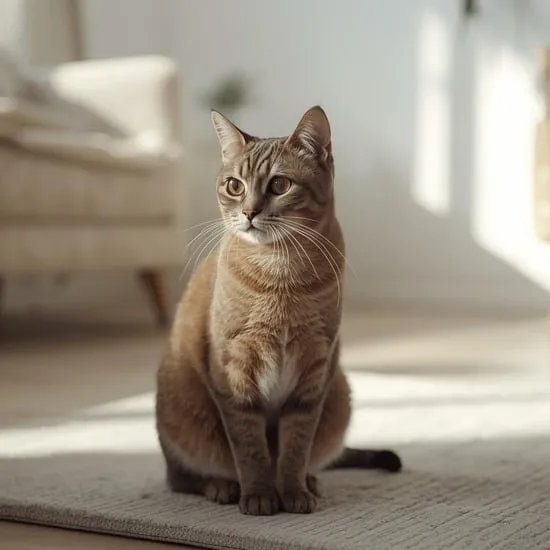
We all want our feline friends to be content, purring little clouds of joy. But cats are masters of subtle communication. They don’t whine or cry like a dog might; instead, they show their discontent through changes in behavior and body language. It’s easy to miss these quiet pleas for help if you don’t know what to look for.
As a cat owner, I’ve learned that sudden shifts in their normal routine are the biggest red flags. An unhappy cat isn’t always a hissing, angry cat. More often, they are a withdrawn, anxious, or strangely behaved cat. Learning to read these signs is the first step to solving the problem and restoring harmony in your home.
1. The Great Hideaway
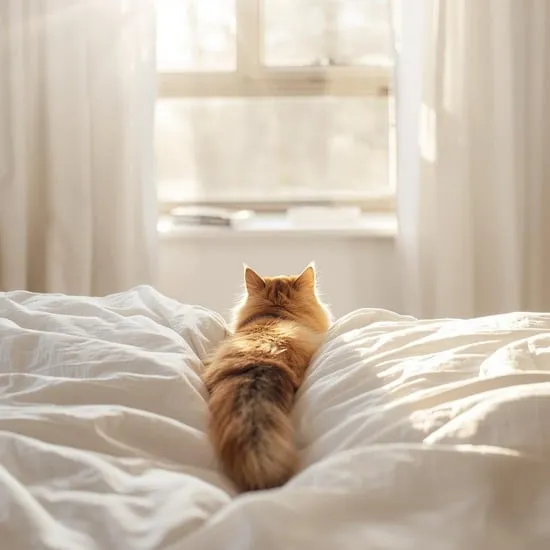
If your usually social cat has suddenly become a master of hide-and-seek, pay attention. While cats love a good cozy nap spot, consistently hiding under beds, in closets, or behind furniture is a classic sign of stress or unhappiness. They’re seeking safety and solitude because something in their environment feels threatening.
This isn’t the same as their normal napping. This is avoidance. Ask yourself:
- Has anything new come into the home?
- Are there loud noises or construction?
- Has the dynamic with another pet changed?
Finding and quietly addressing the source of their fear is key.
2. The Silent Treatment (No More Purrs or Meows)
A sudden drop in vocalization can be just as telling as excessive meowing. If your chatty kitty has gone quiet, they might be feeling withdrawn, depressed, or unwell. The purr, especially, is a complex signal. While it often means contentment, cats also purr to self-soothe when in pain or distress.
Listen to the silence. Combined with other signs like hiding or lack of appetite, a quiet cat is a cat telling you something is wrong. It’s their way of saying they don’t have the energy or desire to engage.
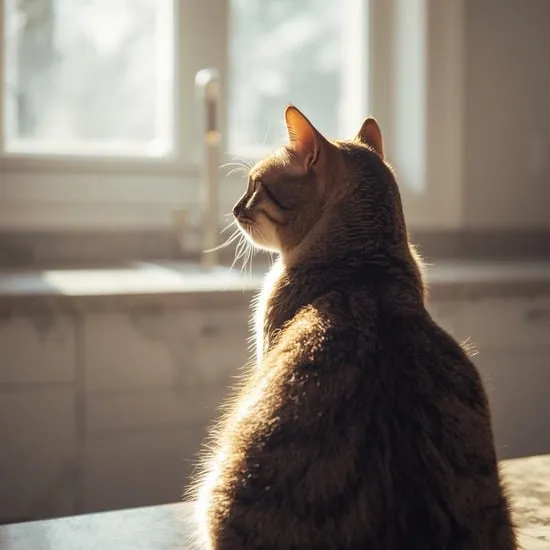
3. Bathroom Blues: Litter Box Avoidance
This is one of the loudest messages a cat can send. Going outside the litter box is rarely an act of spite. It’s usually a cry for help. The reasons can be medical, like a urinary tract infection, or behavioral, stemming from unhappiness with the box itself.
Consider these common grievances:
- Is the box clean enough? Scoop daily!
- Is it in a loud, high-traffic area?
- Do you have enough boxes? The rule is one per cat, plus one extra.
- Have you changed the litter type recently?
A vet visit is always the first step to rule out pain or illness.
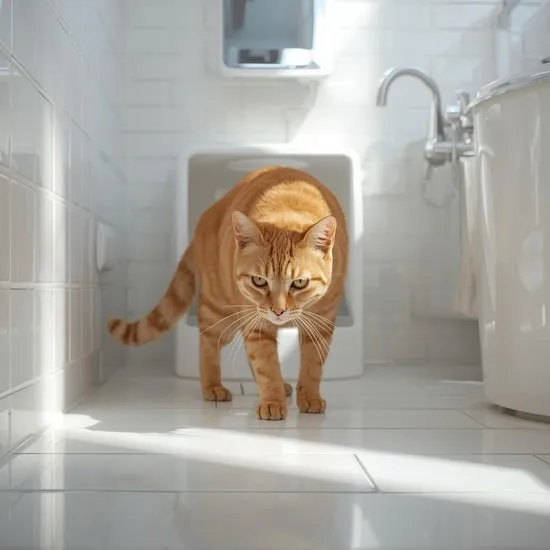
4. The Appetite Shift
A change in eating habits is a major red flag. Both refusing food and suddenly overeating can signal unhappiness. Stress and anxiety can suppress appetite. Conversely, some cats seek comfort in food when bored or anxious, leading to weight gain.
Monitor their habits closely. A complete loss of appetite for more than a day requires immediate veterinary attention. A gradual change might point to stress, dental pain, or simply dissatisfaction with their food.
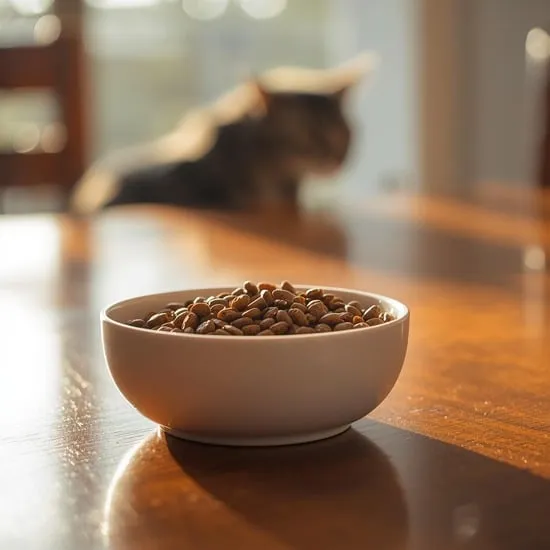
5. Over-Grooming or Under-Grooming
Cats are meticulous groomers. A change in this ritual speaks volumes. Over-grooming, often leading to bald patches, is a common stress response. It’s a compulsive behavior to self-comfort, much like nail-biting in humans.
On the flip side, an unhappy or painful cat may stop grooming altogether. You’ll notice a dull, greasy, or matted coat. This often indicates they are not feeling well physically or are too depressed to perform basic self-care.
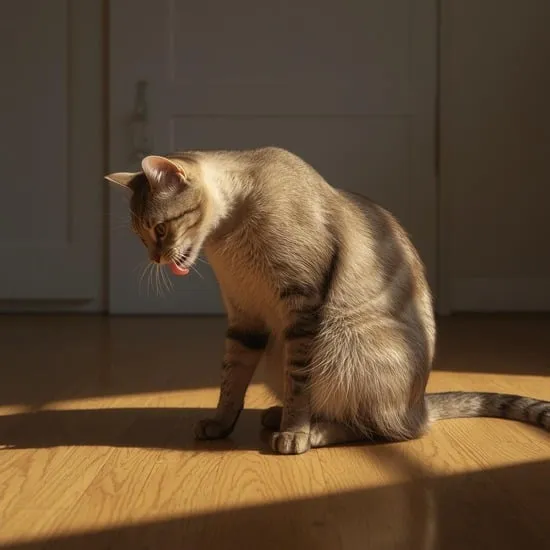
6. Swishy Tails and Pinned Ears
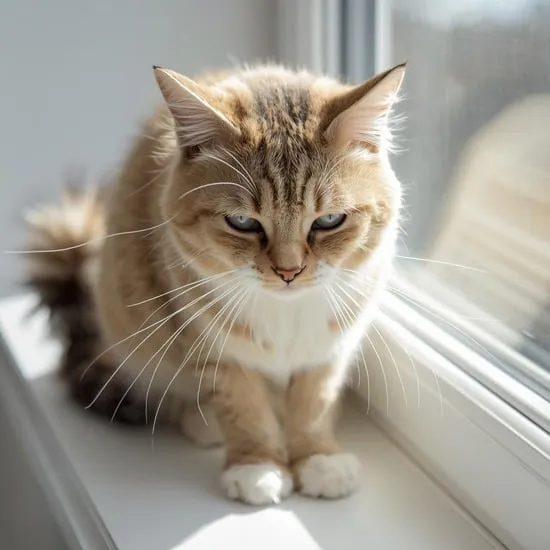
Forget the happy, upright tail quiver. A low, thrashing, or thumping tail is a clear sign of irritation and agitation. Watch their ears, too. Ears flattened sideways or back (“airplane ears”) signal fear, anxiety, or annoyance.
This body language is their real-time mood meter. If you see the tail swish and the ears go back during petting, it’s time to stop. They are telling you they’ve had enough and continuing will lead to a nip or swipe.
7. Unprovoked Hissing or Growling
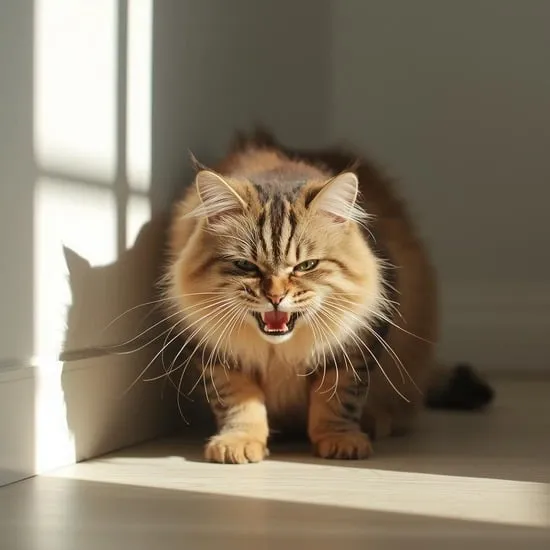
While cats may hiss at a stranger or a new animal, directed aggression toward their trusted humans is a serious sign of distress. If your cat hisses, growls, or swats at you when you approach or try to pet them, they are in a state of high fear or pain.
Do not punish this behavior. It’s a warning. They feel the need to defend themselves. Step back, give them space, and try to identify what triggered this defensive reaction. A vet check is crucial to rule out an underlying injury or illness causing pain.
8. Clinginess vs. Aloofness
Any drastic change in their social behavior is noteworthy. A normally independent cat becoming Velcro-like and needy can indicate anxiety or a medical issue where they seek comfort. Conversely, a cuddly cat becoming distant and avoiding touch is a classic sign of unhappiness.
It’s all about knowing your cat’s baseline. The shift itself is the message. They are out of their normal emotional balance, and their way of interacting with you has changed because of it.
9. Destructive Scratching
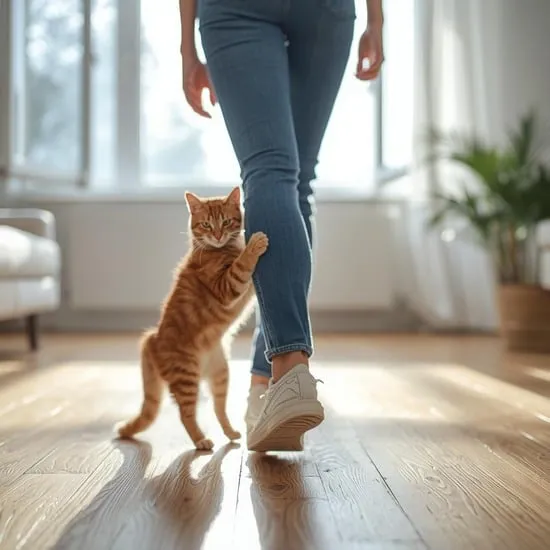
Scratching is normal cat behavior for marking and nail health. But when it becomes destructive—focused on doors, windows, or specific furniture—it’s often a sign of frustration, boredom, or anxiety. They are releasing pent-up energy and stress.
Provide plenty of appropriate scratching posts (vertical and horizontal). Place them near their favorite nap spots and near the “problem” furniture. Engaging them with more playtime can also channel that frustrated energy in a positive way.
10. Lack of Interest in Play
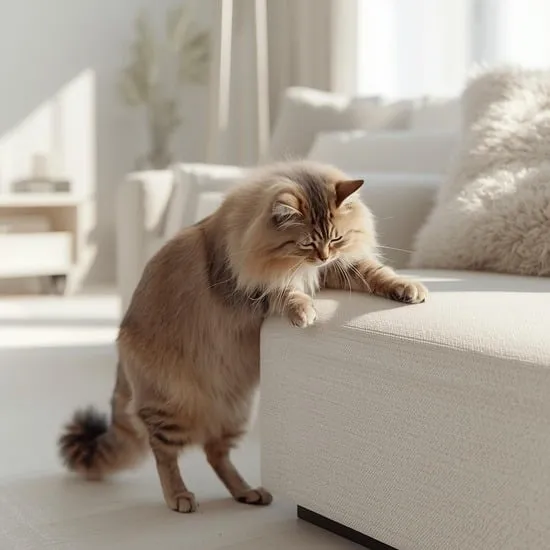
A cat that no longer chases their favorite feather wand or laser dot is a cat who is not feeling like themselves. Lethargy and a loss of interest in previously enjoyed activities can point to boredom, depression, or illness.
Try introducing new, engaging toys or puzzle feeders to stimulate their mind. If there’s no response, and the lethargy continues, a veterinary exam is essential to check for underlying health problems causing their low mood and energy.
Bringing Back the Purr
Recognizing these signs is the most important part of being a cat parent. Our cats rely on us to interpret their silent language. If you see a combination of these behaviors, start with a vet visit to eliminate medical causes. Once health is confirmed, look at their environment: reduce stressors, enrich their space with climbing and hiding spots, and re-establish routines of play and quiet connection. Your attentive care is the fastest way back to a happy, purring companion.
FAQs: Your Cat’s Unhappiness, Answered
Q: My cat is hiding but eating normally. Should I be worried?
A: Mild, temporary hiding can be normal. But prolonged hiding, even with normal eating, indicates stress. Try to identify any environmental changes and give them space while ensuring their safe spot is comfortable.
Q: Can a dirty litter box really make my cat that unhappy?
A> Absolutely. Cats are extremely clean animals. A dirty box is a major source of stress and is the #1 reason for litter box avoidance. Daily scooping is non-negotiable for a happy cat.
Q: How can I tell if my cat is in pain or just grumpy?
A> Look for clusters of signs. Grumpiness may be a single behavior. Pain often involves hiding, changes in appetite, vocalizing when touched, and altered grooming. When in doubt, consult your vet.
Q: My cat follows me everywhere but seems tense. What does this mean?
A> This clinginess with a tense body (low tail, crouched posture) often signals anxiety. They are seeking security from you but are still overall stressed. Creating predictable routines can help them feel safer.
Q: I’ve fixed the environment, but my cat is still unhappy. What now?
A> Persistent behavioral changes require a professional. Talk to your vet again or ask for a referral to a certified cat behaviorist. They can provide tailored strategies for your specific situation.