How to Keep Your Dog Busy When Alone
Interactive Toys to Keep Your Dog Engaged
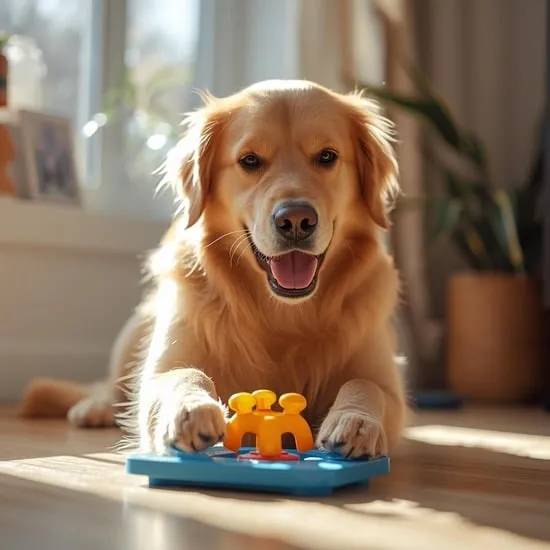
One of the best ways to keep your dog busy when alone is by providing interactive toys. Puzzle feeders, treat-dispensing balls, and chew toys can keep your pup engaged for hours. These toys stimulate their minds and reduce boredom, which helps prevent destructive behaviors.
Choosing toys that are safe and appropriate for your dog’s size and chewing habits is essential. Rotate toys regularly to keep them novel and exciting. Observing your dog’s preferences will help you pick the most effective toys for solo playtime.
Exercise Before Leaving
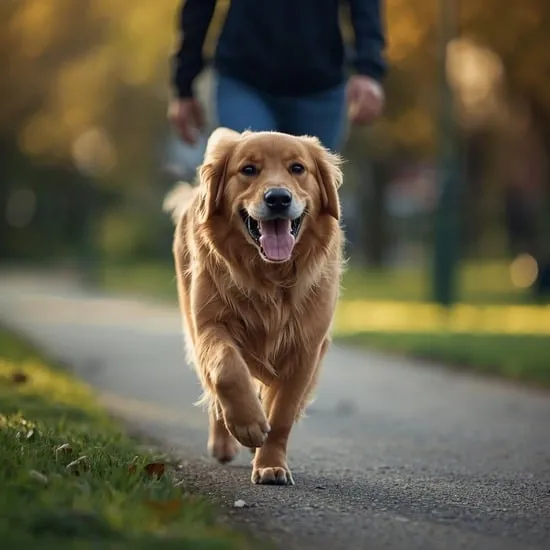
A tired dog is a happy dog. Before leaving your pup alone, ensure they get a good dose of physical activity. A brisk walk, a game of fetch, or a short training session can help expend energy, leaving your dog calm and relaxed while you’re away.
Exercise not only reduces anxiety but also improves sleep and overall health. Establishing a consistent routine helps your dog anticipate alone time positively and reduces stress-induced behaviors.
Safe Space for Comfort
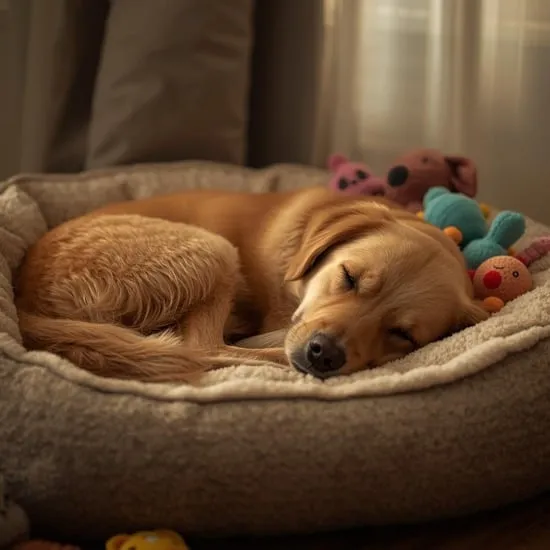
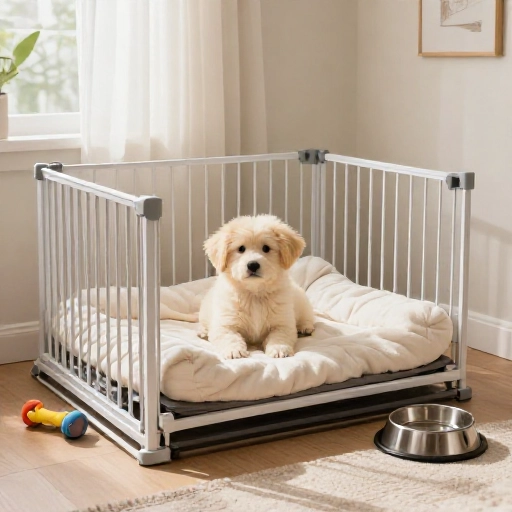
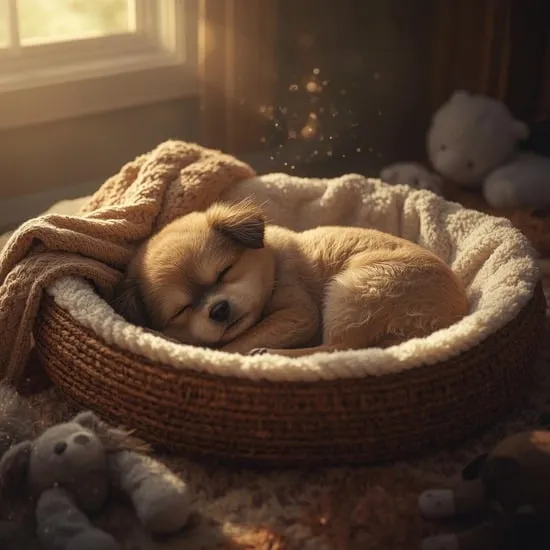
Creating a safe and comfortable space for your dog can significantly impact how they handle alone time. A designated area with their bed, favorite blanket, and toys provides a sense of security. This can be a crate, a cozy corner, or a small room where they feel safe and relaxed.
Ensure the space is free from hazards and escape routes. Familiar scents, like your worn shirt, can help soothe them. A predictable environment gives your dog confidence and reduces feelings of loneliness or anxiety.
Interactive Cameras and Monitors
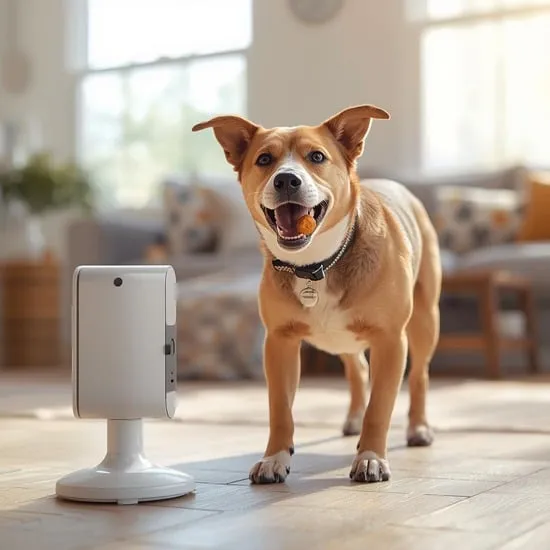
Modern technology allows pet owners to stay connected even when away. Interactive cameras let you talk to your dog, dispense treats, and observe their behavior in real-time. This interaction can comfort your pup and prevent anxiety from escalating.
Regular monitoring can help you adjust your strategies based on their reactions. Combining these tools with physical and mental stimulation ensures your dog remains content, even when you are not around.
Training for Alone Time
Gradual training helps your dog learn that being alone is normal and safe. Start with short periods of separation and slowly increase the duration. Reward calm behavior and avoid making departures or returns overly dramatic, as this can increase anxiety.
Consistency is key. Using positive reinforcement, patience, and routine will teach your dog to enjoy their own company. Over time, your dog will become more independent and relaxed during alone time.