25 Dog Health Tips Every Responsible Owner Should Know (Simple Habits That Keep Tails Wagging)

When I brought my first dog home, I thought love would be enough. Spoiler: it wasn’t. I learned the hard way that a happy, healthy dog comes from small daily habits — not from one big vet visit when something’s already wrong.
Over the years, I’ve collected tips from vets, groomers, trainers, and a whole lot of trial and error. Some of these saved me a scary midnight emergency. Others just made my dogs feel better every single day.
So here are 25 dog health tips I genuinely wish someone had handed me on day one. Pin this one — you’ll want to come back to it.
1. Learn What “Normal” Looks Like for Your Dog
You can’t spot a problem if you don’t know the baseline. Spend a week noticing your dog’s usual energy level, appetite, breathing, and bathroom routine.
The day something shifts, you’ll catch it fast. Vets always ask “when did this start?” — and being able to answer honestly is a huge advantage.
2. Do a Weekly Nose-to-Tail Check
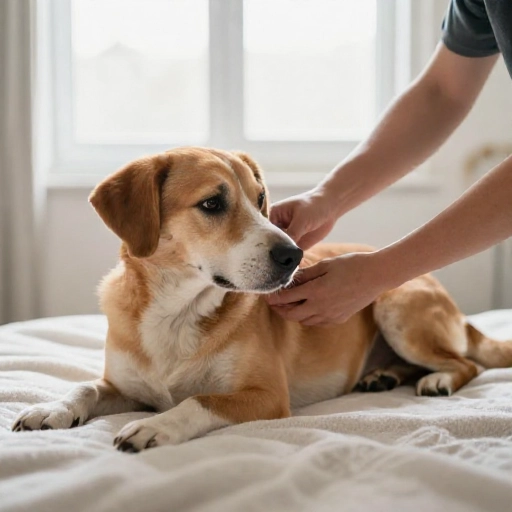
Every Sunday, I run my hands over my dog like I’m searching for lost keys. Ears, eyes, mouth, paws, belly, tail, between the toes.
I’m looking for lumps, cuts, redness, swelling, weird smells, or anything new. It takes three minutes and has caught everything from a foxtail between the pads to an early hot spot.
Bonus: your dog gets used to being handled, which makes vet visits way easier.
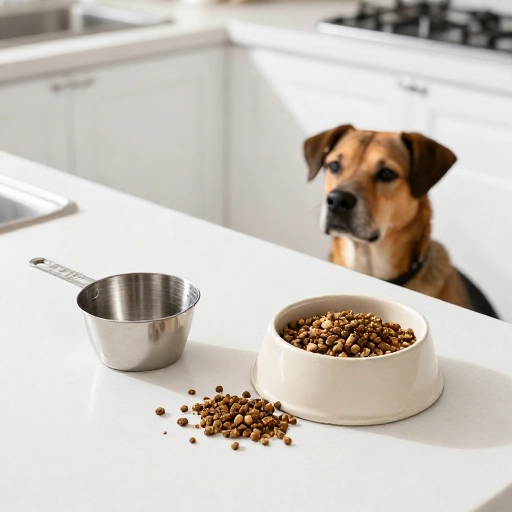
3. Measure Every Meal — Don’t Eyeball It
“A little extra” adds up shockingly fast. I keep a measuring cup right in the food bin so there’s zero guessing.
If your dog’s weight creeps up, you’ll have a clear starting point to adjust. Ask your vet for the right amount based on your dog’s ideal weight, not their current weight.
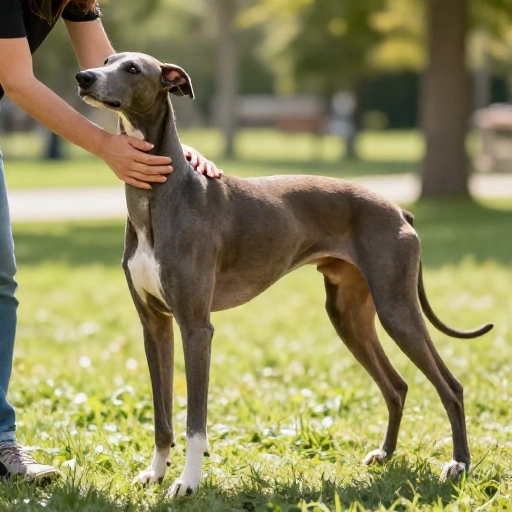
4. Keep Your Dog Lean — It’s the Cheapest Health Hack There Is
You should be able to feel the ribs easily without pressing hard, and see a waist from above. That’s the target.
Extra weight puts pressure on joints, the heart, and the lungs. It also makes surgery riskier and shortens lifespan. Keeping your dog slim is genuinely one of the kindest things you can do.
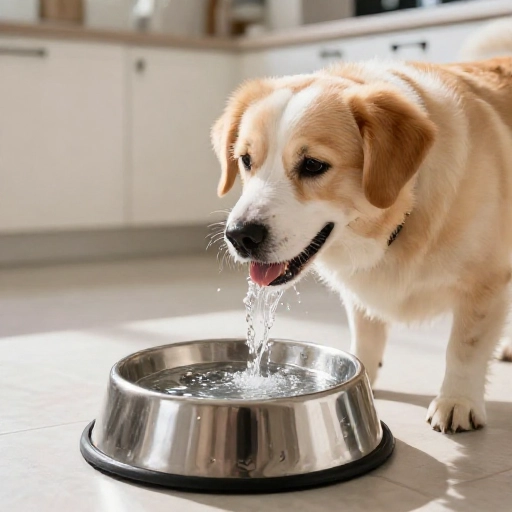
5. Fresh Water, Clean Bowl, Always
Sounds obvious, but I’ve seen bowls growing things I don’t want to describe. Rinse and refill daily, and scrub the bowl every couple of days.
If your dog suddenly drinks way more or way less than usual, that’s a vet conversation. Changes in thirst can signal diabetes, kidney issues, or other problems.
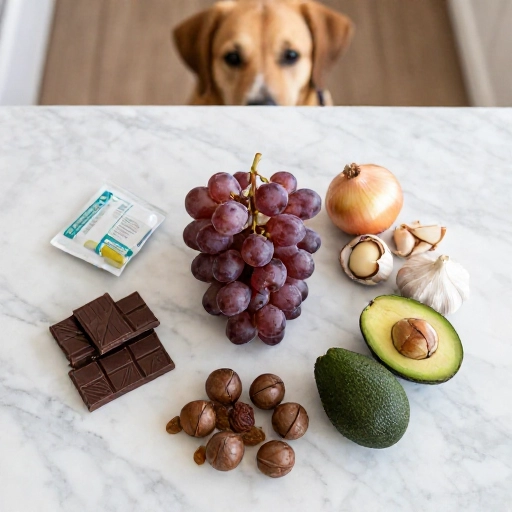
6. Memorize the Toxic Food List
Chocolate, grapes and raisins, onions, garlic, xylitol (in sugar-free gum and some peanut butters), alcohol, macadamia nuts, and raw yeast dough.
I keep a printed list on the fridge and the pet poison hotline number saved in my phone. Took me one panic to realize panicking without a plan helps nobody.
7. Pay Attention to Poop — It’s a Health Report Card
Firm, log-shaped, chocolate-brown. That’s the goal. Anything watery, greasy, black, bloody, or full of mucus deserves attention.
I also watch for color changes and for my dog straining. One weird poop isn’t a crisis, but three days of weird poop is a phone call to the vet.
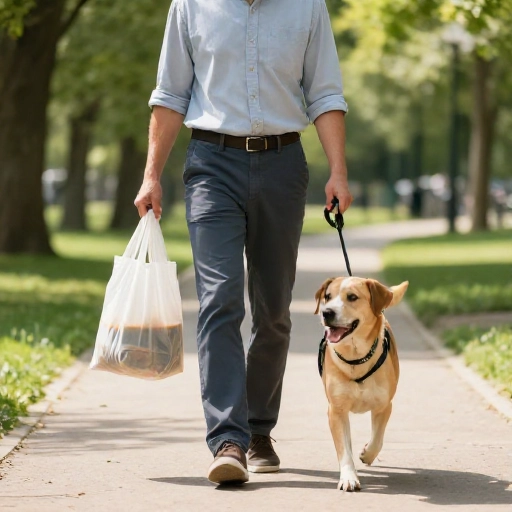
8. Brush Those Teeth — Seriously
Dental disease is one of the most common issues vets see, and it doesn’t just stay in the mouth. Bacteria can affect the heart, kidneys, and liver.
Aim for daily brushing with dog-safe toothpaste (never human toothpaste). If daily isn’t realistic, do what you can — a few times a week still beats nothing.
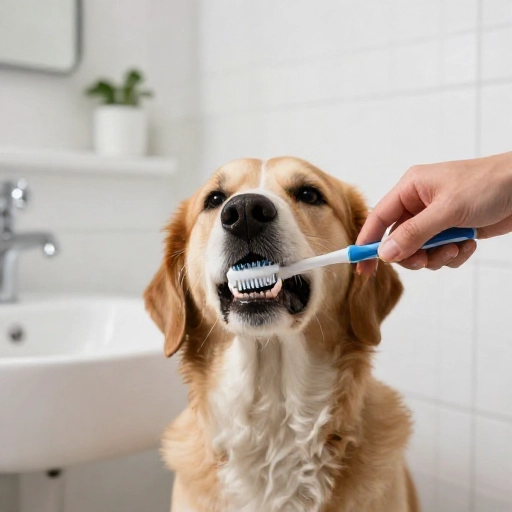
9. Never Skip Parasite Prevention
Fleas, ticks, heartworms, and intestinal worms don’t take winters off. I keep my dogs on prevention year-round, not just in summer.
Heartworm treatment is expensive, hard on your dog, and sometimes heartbreaking. Prevention costs a fraction of that. Easy math.
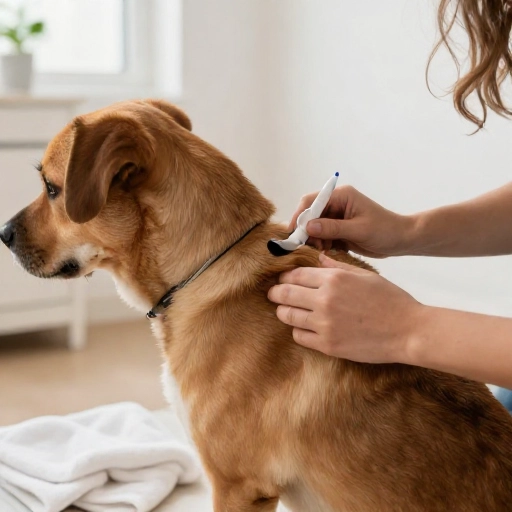
10. Check Ears Every Single Week
Healthy ears are pale pink and mostly smell like nothing. If you catch yourself recoiling, that’s a sign.
Head shaking, scratching, redness, or discharge usually means an infection brewing. Floppy-eared and swimming dogs need extra attention here.
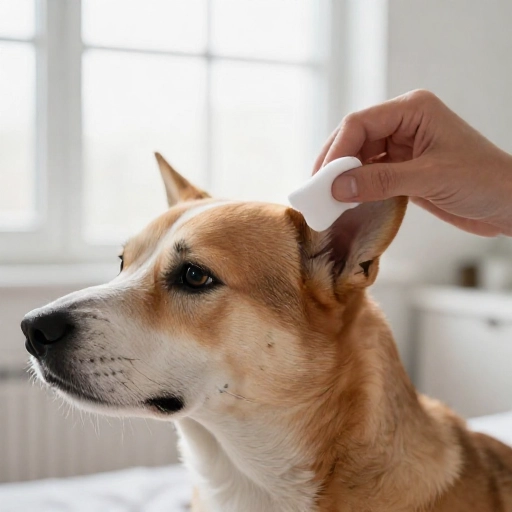
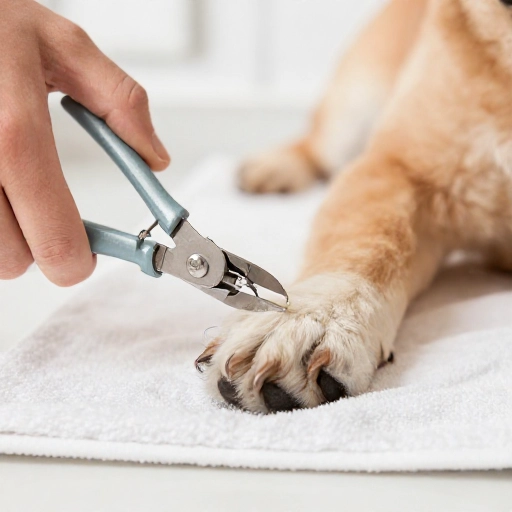
11. Trim Nails Before You Hear Clicking on the Floor
If nails click on hardwood, they’re too long. Overgrown nails actually change how your dog stands and can contribute to joint pain.
I trim a tiny bit every two weeks instead of a big stressful session once a month. Small, frequent trims are easier on everyone.
12. Learn the Subtle Signs of Pain
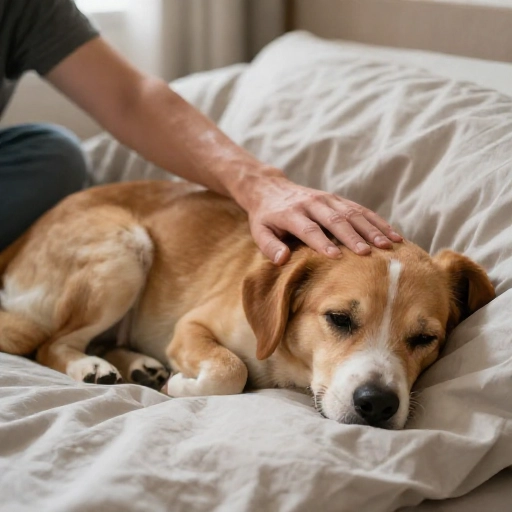
Dogs are masters at hiding discomfort. Panting at rest, pacing, stiffness after sleeping, reluctance on stairs, and lip licking can all be pain signals.
I used to think my older dog was “just slowing down.” Turns out she was hurting. Pain management changed her whole personality back.
13. Book That Annual Wellness Exam — Even If Nothing’s Wrong
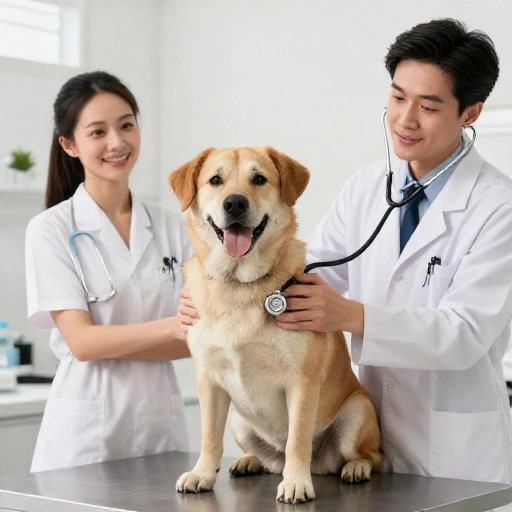
This is the appointment where vets find the stuff you can’t see. A heart murmur, a small mass, early dental disease, a weight trend.
Seniors and puppies usually need more frequent visits. Annual exams are how you stay ahead instead of catching up.
14. Have an Honest Conversation About Vaccines
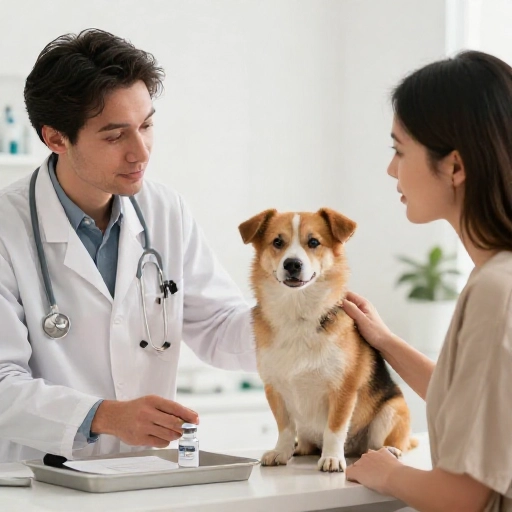
Core vaccines protect against diseases that are still out there — parvo, distemper, rabies, and more. Skipping them is a real risk, not a lifestyle choice.
Ask your vet about timing and whether titer testing makes sense for your dog. Good vets love questions. It means you’re paying attention.
15. Plan and Budget for Dental Cleanings
Brushing helps, but most dogs eventually need a professional cleaning under anesthesia. It’s not a luxury — it’s how you prevent pain and tooth loss.
I started setting aside a small amount monthly. When the time came, it wasn’t a financial punch in the gut.
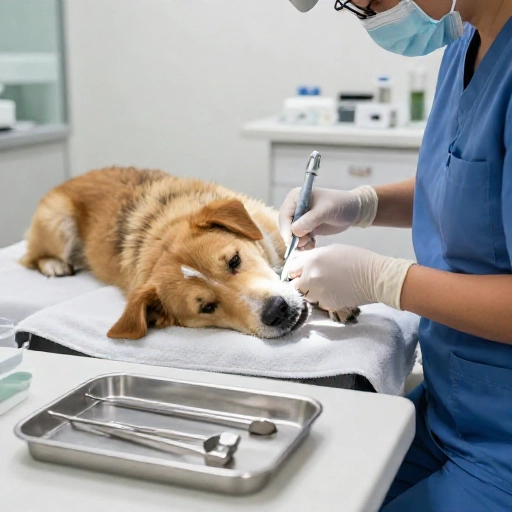
16. Get a Baseline Blood Panel Early
Young, healthy dogs rarely need tons of testing. But one baseline panel around middle age gives your vet something to compare against later.
It’s how subtle changes get caught years before symptoms show up. I wish I’d done this sooner with my first dog.
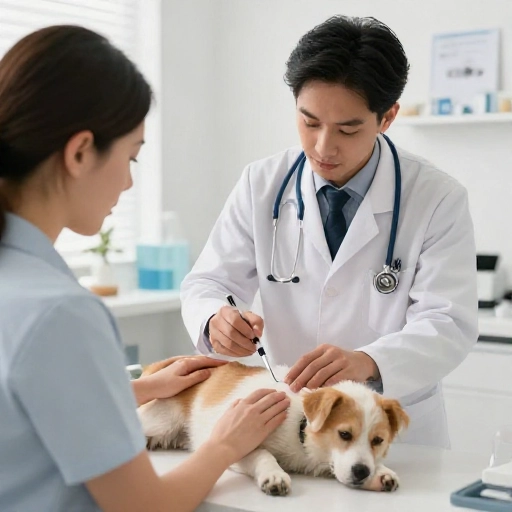
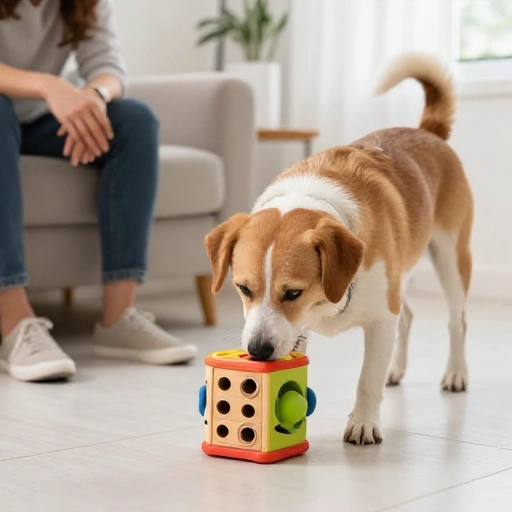
17. Exercise Their Brain, Not Just Their Legs
A tired body is good. A tired brain is better. Puzzle feeders, snuffle mats, nose work, and simple training games wear dogs out in a different way.
Mental stimulation reduces destructive chewing, barking, and anxiety. Ten minutes of sniffing can equal a long walk in terms of satisfaction.
18. Match Exercise to Age, Breed, and Joints
A Border Collie and a Bulldog need very different workouts. Puppies shouldn’t do long forced runs. Seniors do better with shorter, more frequent outings.
Watch your dog during and after activity. Limping, lagging, or stiffness the next day means you pushed too hard.
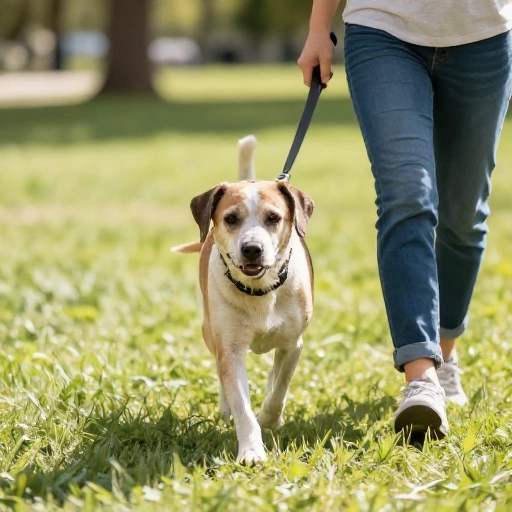
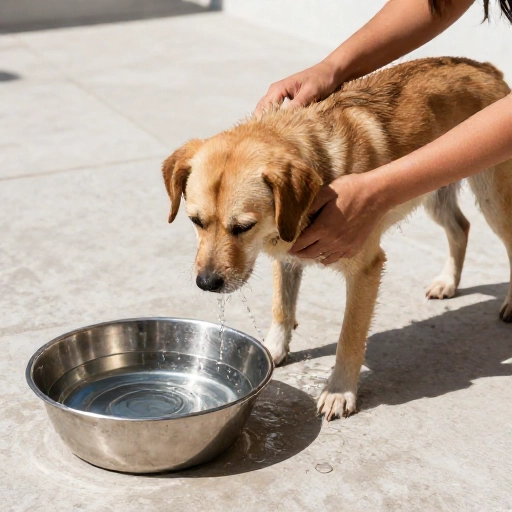
19. Take Heat Seriously
Dogs don’t sweat like we do. They cool themselves mainly by panting, which makes hot days genuinely dangerous.
Walk early morning or late evening, test the pavement with the back of your hand, and never leave a dog in a parked car. Ever.
Heavy panting, drooling, wobbling, or a bright red tongue means emergency. Cool them with water and get to a vet immediately.
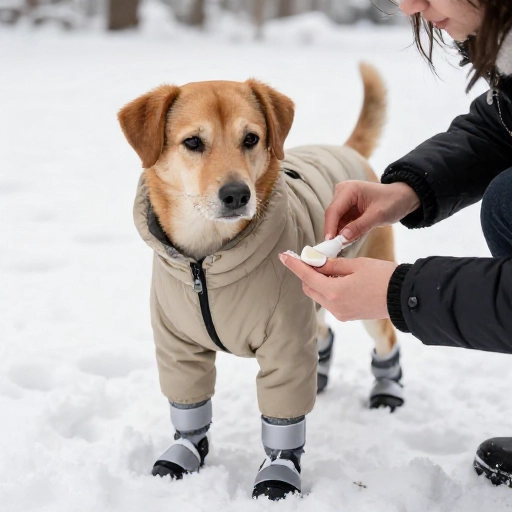
20. Protect Paws and Skin in Cold Weather
Ice, salt, and chemical de-icers hurt paws. I rinse my dogs’ feet after winter walks and keep the fur between their toes trimmed.
Short-haired and small dogs often need a coat. If it’s too cold for you in a light jacket, it’s probably too cold for them too.
21. Keep a Simple Health Journal
I track weight, vet visits, medications, flea and tick dates, and anything odd I noticed. It’s usually just a note on my phone.
At appointments, I can give real dates instead of “I think it was a few months ago?” Vets work better with better information.

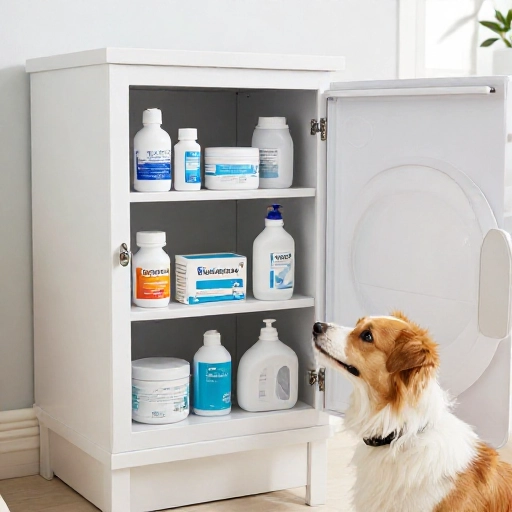
22. Store Meds and Toxins Out of Reach
Human medications, cleaning products, antifreeze, and even some houseplants can seriously hurt dogs. Counters aren’t always high enough.
I use a locked cabinet for anything risky. Also, never give human pain meds like ibuprofen or acetaminophen — they’re toxic to dogs.
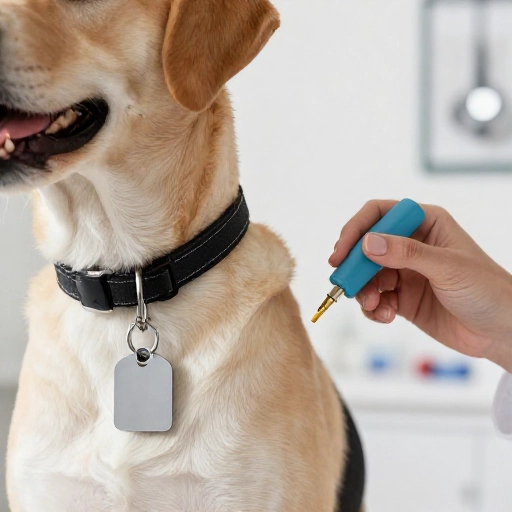
23. Microchip and ID Tag — Both
A collar tag gets your dog home fast if a neighbor finds them. A microchip gets your dog home if the collar is gone.
Keep your contact info updated in the chip registry. A chip with an old phone number does nothing.
24. Know Your Breed’s Specific Risks
Certain breeds are prone to certain problems — hip issues, breathing difficulties, heart conditions, skin allergies, eye disease.
Knowing what to watch for means you ask better questions and screen earlier. Purebred or mixed, every dog has a genetic history worth understanding.
25. Talk About Spay/Neuter Timing
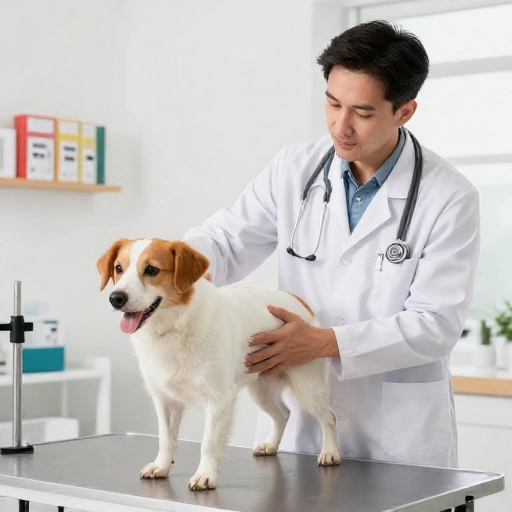
The right timing isn’t one-size-fits-all. It depends on sex, breed, size, and lifestyle.
Have the conversation with your vet rather than going with whatever you heard at the dog park. There’s real nuance here, and it’s worth five minutes of your time.
Final Thoughts
None of these tips require a vet degree or a huge budget. They’re just small habits repeated over years — and that’s exactly what keeps dogs healthy.
Pick two or three to start with this week. Maybe you measure meals and start brushing teeth. Next month, add the weekly nose-to-tail check.
Your dog won’t notice the checklist. They’ll just notice feeling good, and that’s the whole point.
FAQ: Dog Health Questions I Get Asked Most
How often should my dog see a vet?
Once a year for healthy adult dogs. Puppies, seniors, and dogs with chronic conditions usually need more frequent visits. Your vet will tell you what schedule fits your dog.
How do I know if my dog is in pain?
Look for changes: panting at rest, pacing, stiffness, hiding, refusing stairs, or not wanting to be touched in certain spots. Dogs hide pain well, so changes in behavior are your biggest clue.
Is grain-free food healthier for dogs?
Not automatically. Unless your dog has a diagnosed allergy, there’s no proven benefit — and some grain-free diets have raised concerns with vets. Ask your vet before switching.
How much exercise does my dog actually need?
It varies a lot. High-energy breeds may need an hour or more daily, while flat-faced or senior dogs might do better with shorter, gentler sessions. Watch how your dog handles it and adjust.
What’s the most common mistake dog owners make?
Waiting too long to call the vet. Early problems are usually cheaper, easier, and kinder to fix. If your gut says something’s off, make the call.