The Perfect Daily Schedule for an 8-Week-Old Puppy (That Saved My Sanity)
Bringing home an 8-week-old puppy feels like a mix of pure joy and total chaos. I remember staring at my tiny fluffball, wondering how something so small could have so much energy and so many potty accidents. The secret? A predictable routine. Puppies this age thrive on structure, and once I nailed down a daily schedule, everything got easier.
At 8 weeks, your puppy is basically a newborn. They need frequent potty breaks, lots of sleep, and short bursts of play and training. A good schedule isn’t rigid—it’s a flexible rhythm that meets their needs and yours. Here’s the exact daily schedule I used, hour by hour, that made house training and crate training way less stressful.
1. 6:00 AM – Wake Up and First Potty Break
My puppy’s internal alarm clock was brutal at first. But as soon as those little eyes opened, I scooped him up and carried him straight outside. No stopping, no cuddles—just potty. At 8 weeks, their bladder is tiny. They can’t hold it more than an hour or two overnight, so a 6 AM potty break is non-negotiable.
I used a specific spot in the yard and said “go potty” in a cheerful voice. When he went, I threw a tiny treat party. This taught him that outside is the place to do his business. If he didn’t go within five minutes, I brought him back inside but watched him like a hawk.
2. 6:15 AM – Breakfast and Digestive Rest
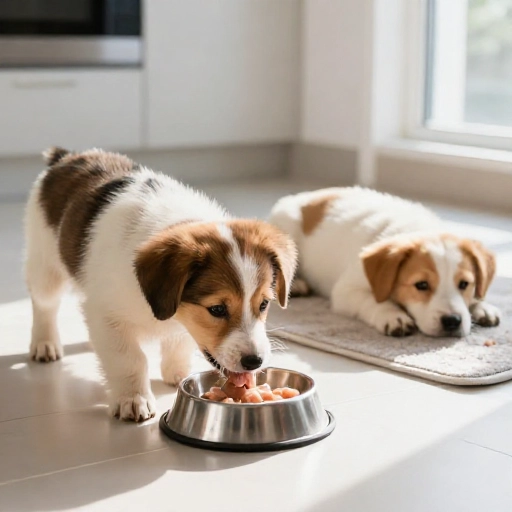
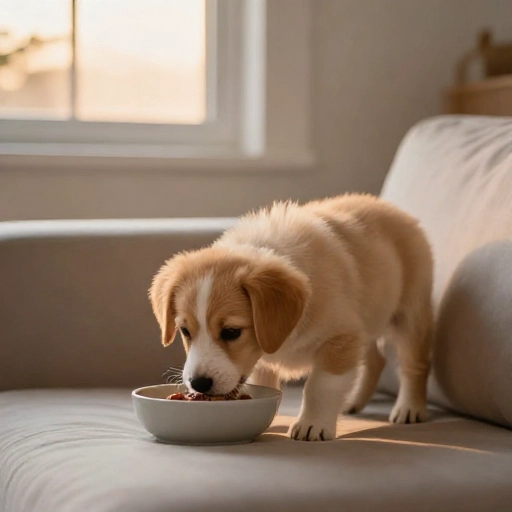
Right after potty, it’s breakfast time. I fed my puppy a high-quality puppy food measured to his weight. Three meals a day is typical for an 8-week-old, so this was meal one. I put the bowl down for 15 minutes, then picked it up. Free-feeding can make potty training a nightmare because you never know when nature will call.
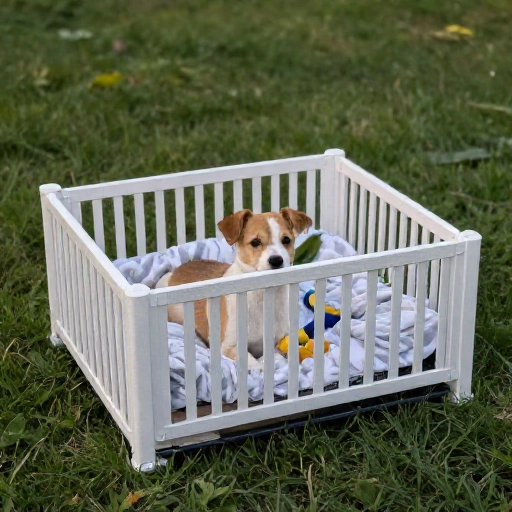
After eating, I gave him about 10 minutes of calm time in his crate or playpen. This helps prevent bloat and lets his tummy settle. Then we went out for another potty break because food usually triggers the urge. I learned to expect a poop within 20 minutes of every meal.
3. 7:00 AM – Morning Play and Micro-Training
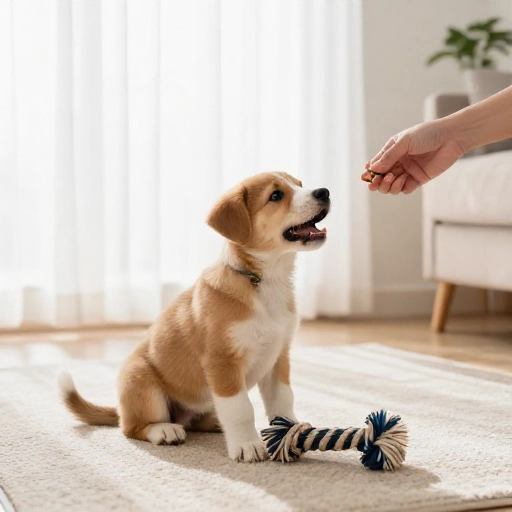
Now it’s fun time. My puppy had a burst of energy after breakfast, so we played with a soft tug toy or a small ball. But the key was keeping sessions short—five minutes max. At 8 weeks, their attention span is practically zero. I’d do two minutes of play, then one minute of training.
Training was simple: name recognition, sit, and coming when called. I used tiny pieces of boiled chicken or puppy treats. I never scolded, only rewarded. After about 15 minutes total, he was ready for a nap. Puppies get overtired and nippy if you push them too long.
- Keep play gentle—no roughhousing or stairs.
- Use a baby gate to limit access to one puppy-proof room.
- Always end on a positive note with a treat.
4. 8:30 AM – First Big Nap (Crate Time)
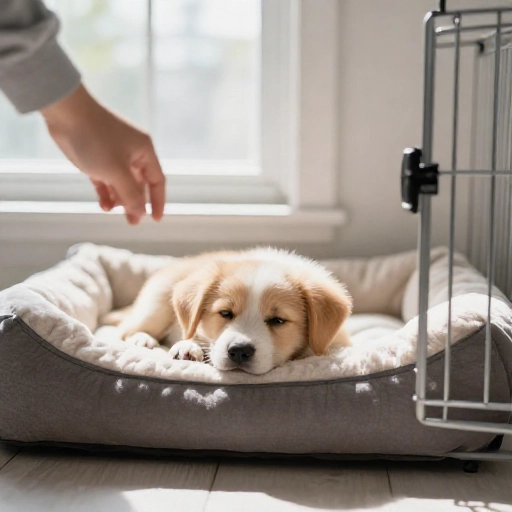
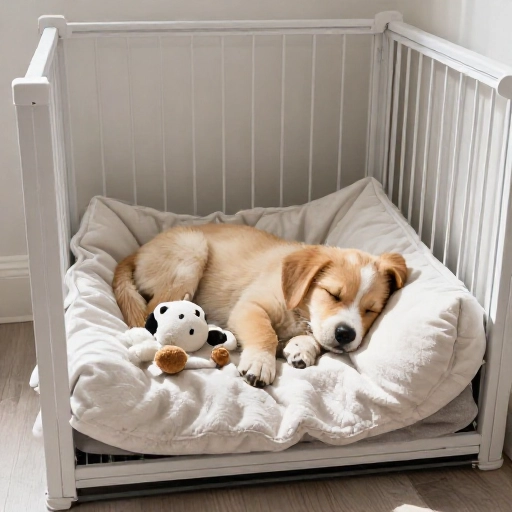
An 8-week-old puppy needs 18 to 20 hours of sleep per day. Yes, you read that right. If your puppy is biting, zooming, or acting crazy, they’re probably exhausted. I put my puppy in his crate with a soft blanket and a chew toy. I dimmed the lights and played white noise.
He whined for about three minutes the first few days. I ignored it (hard, I know) and he settled. Consistency is everything. This nap lasted about two hours. I used that time to shower, eat, and clean up the inevitable accidents. Never punish a puppy for whining in the crate—it only builds fear.
5. 12:00 PM – Midday Potty, Lunch, and Outdoor Sniff
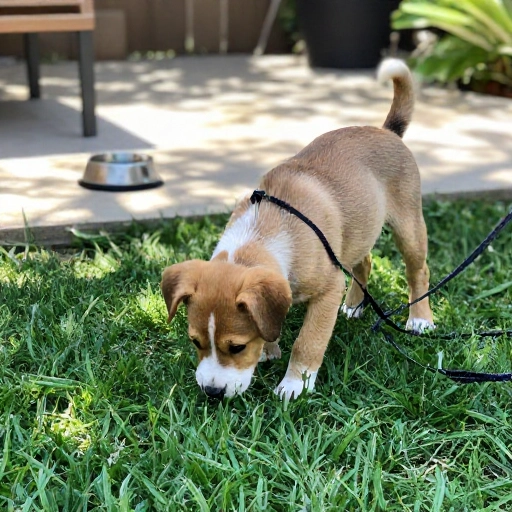
After the nap, it’s potty time immediately. Then lunch—meal two of the day. Same routine: food down for 15 minutes, then potty break 20 minutes later. Around noon, I also took my puppy outside for a gentle “sniffari.” I let him explore safe areas on a leash. This isn’t a walk; it’s a sensory experience.
New sights, sounds, and smells build confidence. I avoided dog parks and unknown dogs because he wasn’t fully vaccinated yet. But a quiet sidewalk or my backyard was perfect. I carried him if the ground was dirty. Socialization at this age is about positive exposure, not meeting every stranger.
6. 2:00 PM – Afternoon Socialization and Crate Quiet Time
I invited one calm, vaccinated adult dog to meet my puppy in a controlled setting. Or I had a friend come over and sit quietly while I fed treats. The goal was to teach my puppy that new people and animals are no big deal. I kept these sessions under 10 minutes and always ended before he got overwhelmed.
Then it was back to the crate for another nap. I know it feels like you’re constantly putting them away, but puppies need that downtime to grow and process the world. I rotated a few safe chew toys in the crate so he didn’t get bored. By 3:30 PM, he was usually awake and ready for a potty break.
7. 5:00 PM – Dinner and Evening Wind-Down
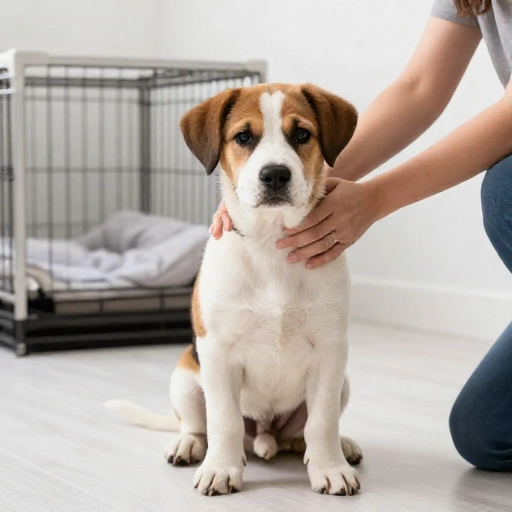
Dinner is meal three. Same drill: eat, wait 20 minutes, potty. After that, I kept things low-key. No wild play sessions after 6 PM because it would hype him up before bed. Instead, we did gentle grooming—brushing his fur, touching his paws, looking in his ears. I paired each touch with a treat.
This taught him that handling is a good thing. It made vet visits so much easier later. I also did a quick training review: sit, down, and name. Then we cuddled on the couch (with him on a leash so he couldn’t sneak off to potty). By 7:30 PM, he was ready to crash.
8. 8:00 PM – Bedtime Routine and Overnight Potty
I started a calming bedtime ritual: last potty break, then into the crate with a special bedtime chew. I kept the room dark and quiet. My puppy slept in his crate next to my bed for the first few weeks. That way I could hear him if he needed to go out. At 8 weeks, he still needed one middle-of-the-night potty break around 2 AM.
I set an alarm, took him out on a leash, said nothing, and put him right back. No play, no lights. Within a week, he learned that night potty was boring. By 10 weeks, he was sleeping through until 5:30 or 6 AM. Patience and consistency are your best friends here.
Conclusion: Flexibility Is the Secret Sauce
This schedule worked wonders for me, but every puppy is different. Some need more naps, some need an extra potty break. The key is to follow the same order every day: potty, food, play, train, nap, repeat. That predictability builds trust and speeds up house training.
Don’t beat yourself up if you miss a step or if your puppy has an accident. I certainly had days where I felt like I was failing. But by sticking to this rhythm, my puppy was crate trained, mostly potty trained, and happily socialized by 12 weeks. You’ve got this—and your puppy will thank you for the routine.
Frequently Asked Questions
How often should an 8-week-old puppy go potty?
Every 1 to 2 hours during the day, plus immediately after waking, eating, playing, and before bed. At night, expect one or two potty breaks. Their bladders are tiny.
Can I take my 8-week-old puppy for walks?
Not on public ground until fully vaccinated (usually around 16 weeks). Instead, carry them or use a stroller for socialization. You can walk them in your own backyard on a leash.
How much sleep does an 8-week-old puppy need?
About 18 to 20 hours a day. That’s why scheduled naps in a crate are crucial. If your puppy gets nippy or wild, they’re overtired—put them down for a nap.
What if my puppy cries in the crate at night?
Ignore it for short periods unless you suspect potty. Take them out quietly, no play, then straight back in. Never open the crate while they’re crying—wait for a pause. Consistency stops the crying within a few days.
Should I feed my 8-week-old puppy three times a day?
Yes, three meals a day is standard until about 12 to 16 weeks. Measure the food, put it down for 15 minutes, then remove the bowl. This helps with potty training and prevents picky eating.