10 Things to Check Before Buying a Cute Kitten
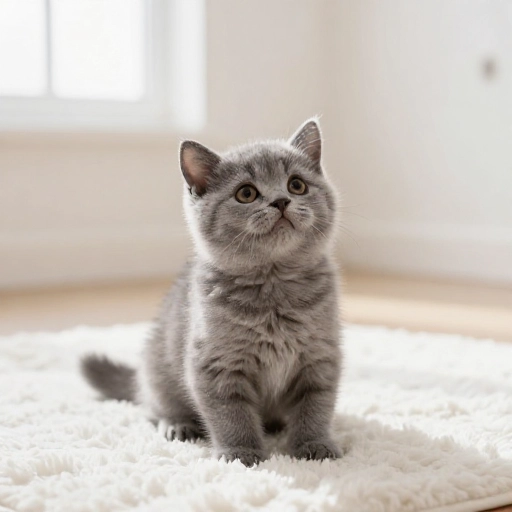
I remember the day I brought home my first kitten. My heart melted the second I saw those tiny paws and big innocent eyes. But looking back, I realize I got lucky—I didn’t really know what to check before saying yes. A cute face can hide a lot of surprises.
If you’re thinking about adopting or buying a kitten, I want you to be prepared. Not scared, just smart. That little fluffball will be part of your life for 15 years or more. So let me walk you through the things I wish someone had told me before I fell in love.
These 10 checks will help you find a healthy, happy kitten—and save you from heartache later.
1. Check the kitten’s eyes and nose
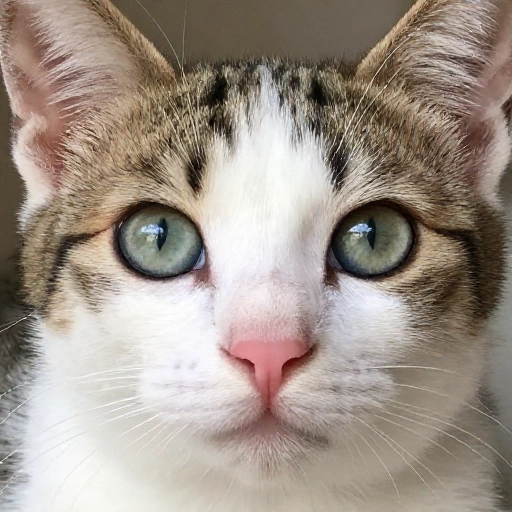
First things first—look at those eyes. Are they bright and clear? No crusty stuff or goo? A little sleep in the corner is normal, but red, swollen, or watery eyes can mean infection.
Now check the nose. It should feel slightly damp and cool, not runny or clogged. If the kitten sneezes a lot or has a snotty nose, that’s a red flag.
Trust me, a healthy kitten has that sparkly, curious look. If something seems off, ask questions before you commit.
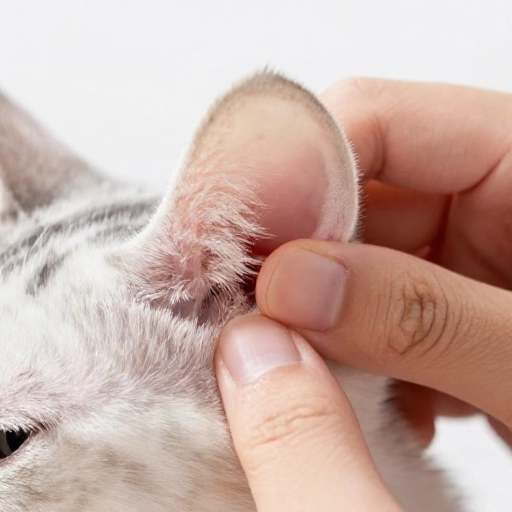
2. Look inside the ears
Kitten ears should be clean and pink inside. No dark wax, no bad smell, no scratching. If you see little black specks that look like coffee grounds, that could be ear mites.
Ear mites are treatable, but they’re annoying and contagious to other pets. A good breeder or shelter will have already dealt with this. If not, you might be in for extra vet visits.
Gently peek inside. A clean ear is a happy sign.
3. Watch how the kitten moves
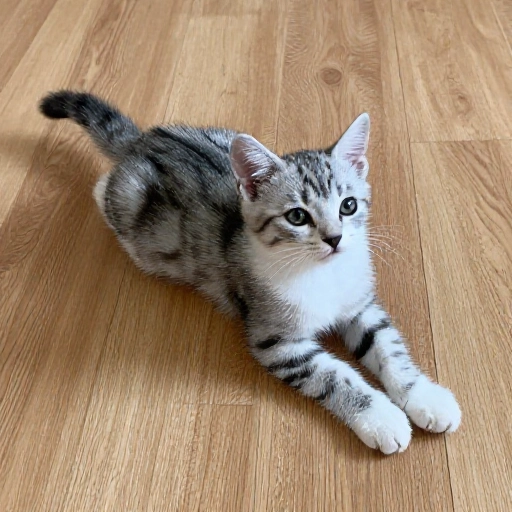
I love watching kittens play—they’re like tiny acrobats. But pay attention to how they walk and run. Do they limp? Do they wobble? Are they hesitant to jump?
Healthy kittens are bouncy and coordinated. They pounce, they zoom, they fall and get right back up. If a kitten seems stiff or avoids moving much, something might be wrong.
This doesn’t mean every clumsy kitten is sick. But if you notice real trouble moving, it’s worth a second look.
4. Check the coat and skin
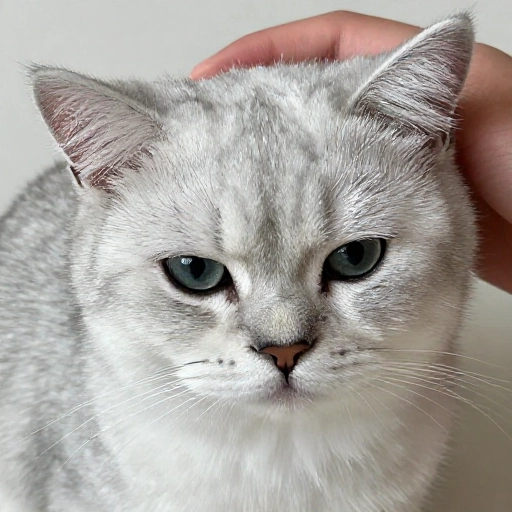
Pet that soft little fur. Does it feel clean and smooth? Are there any bald patches or scabs? Fleas are common in kittens, but they’re not a dealbreaker—just a sign that care was missed.
Look for tiny black flecks (flea dirt) near the skin. Also check for redness or flaky skin. A shiny coat usually means a well-fed, healthy kitten.
Don’t forget to check around the tail and belly. That’s where problems like ringworm like to hide.
5. Ask about the litter box habits
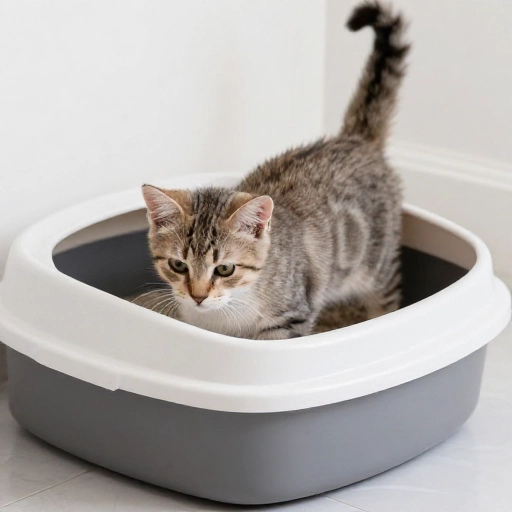
I know it’s not glamorous, but you need to know. A good owner will tell you if the kitten uses the litter box consistently. Diarrhea or constipation can point to parasites or diet issues.
If you can, ask to see the litter box area. Clean boxes = well-cared-for kittens. Messy boxes can mean health problems or lack of training.
Also watch the kitten’s rear end. It should be clean, not red or swollen. Trust your nose on this one too.
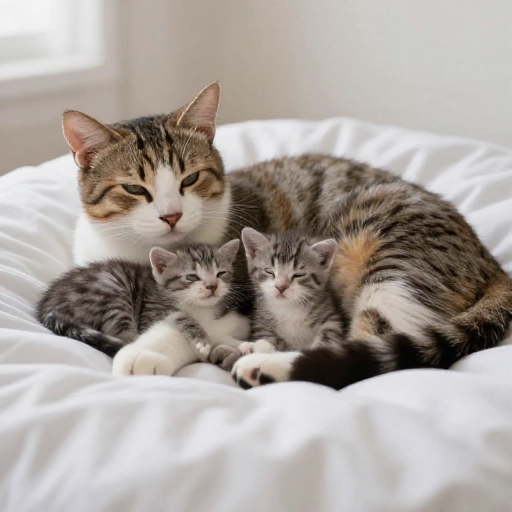
6. Meet the mother cat if possible
This is a big one. If you’re getting a kitten from a breeder or a friend’s litter, ask to meet the mama cat. Her health and temperament tell you a lot about what your kitten will be like.
Is the mother friendly? Does she look healthy? Is she calm or nervous? Kittens learn a lot from mom, including how to trust humans.
If the mother is skittish or sick, your kitten might have a harder time adjusting. A happy mom usually means happy babies.
7. Check the kitten’s age
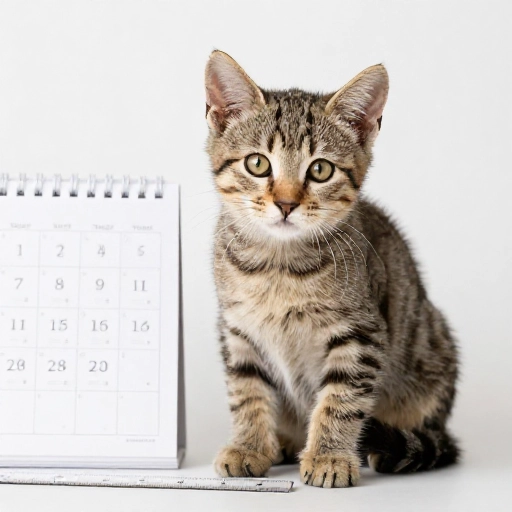
Kittens should stay with their mother until at least 8 weeks old, ideally 12. Taking them too early can cause behavior problems and health issues.
A kitten under 8 weeks still needs mom for milk, warmth, and social skills. If someone is trying to give you a tiny 5-week-old, that’s a warning sign.
Ask for the exact birth date. A responsible owner will have it written down. Don’t let a cute face rush you into taking a baby too soon.
8. Look at the living environment
Where is the kitten staying? Is it clean? Are there other cats and do they look healthy? A messy, crowded space can mean disease spreads fast.
Kittens from clean, calm homes tend to be more socialized and less stressed. If the place smells bad or the cats seem scared, think twice.
You don’t need a fancy house, just a clean, safe one. Your kitten’s first home shapes their whole personality.

9. Ask about vaccinations and vet care
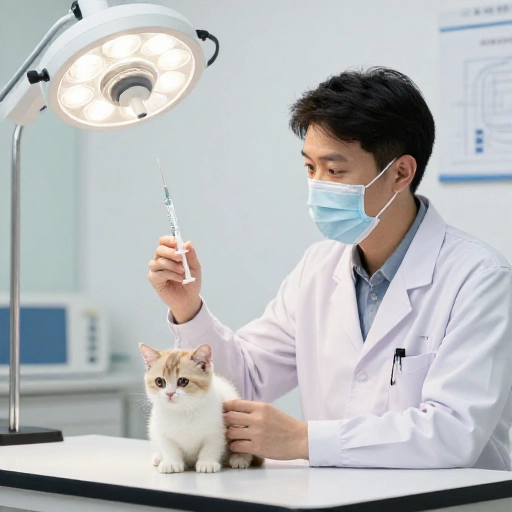
This is not optional. A responsible seller or shelter will have started vaccinations and deworming. Ask for records. If they say “we don’t do that,” be very careful.
Kittens need their first shots around 6-8 weeks, and boosters after. They also need to be checked for parasites. Skipping this can lead to expensive health problems.
Even if you’re adopting from a rescue, ask what vet care was given. A kitten that’s been seen by a vet is a safer bet.
10. Trust your gut feeling
After all the checks, listen to your heart—but also your gut. Does something feel off? Is the seller pushy? Are they hiding the kitten’s history?
A good breeder or shelter will answer your questions happily. They’ll want the best for the kitten too. If you feel rushed or pressured, walk away.
There are so many kittens waiting for a loving home. The right one will feel right. When you know, you know.
Conclusion
Bringing home a kitten is one of the sweetest things you’ll ever do. But it’s also a big responsibility. Taking a few extra minutes to check these 10 things can save you from stress, vet bills, and heartbreak later.
You deserve a healthy, happy little friend. And that kitten deserves a home that’s ready for them. So take your time, ask questions, and trust yourself. Your purrfect match is out there.
FAQ
1. How old should a kitten be before I take it home?
At least 8 weeks, but 12 weeks is even better. They need time to learn from mom and littermates.
2. What should I ask the breeder or shelter?
Ask about vaccinations, deworming, health history, and why the kitten is available. A good owner will be open and honest.
3. Can I tell if a kitten is healthy just by looking?
You can get a good idea. Check eyes, ears, coat, movement, and energy. But always schedule a vet visit soon after bringing them home.
4. What if I find a kitten with fleas or ear mites?
It’s not the end of the world. These are treatable. But it might mean the kitten wasn’t well cared for. Factor that into your decision.
5. Should I adopt from a shelter or buy from a breeder?
Both can be great options. Shelters have many kittens needing homes, and they often provide basic vet care. Breeders can offer specific breeds and health history. Just do your homework either way.