The Complete Doberman Pinscher Breed Guide: What to Know Before You Fall in Love

If you’ve ever seen a Doberman Pinscher glide across a room, you know exactly what I mean. There’s something magnetic about them—that sleek, powerful silhouette, the alert ears, the way they seem to be constantly scanning the world with intelligent eyes. People often whisper “guard dog” when they see one, but let me tell you, there is so much more to this breed than the reputation that precedes them.
After spending time with Dobermans, I’ve learned that beneath that polished exterior lies a heart that is deeply loyal, a bit goofy, and incredibly sensitive. They want to be with you—not just in the same house, but right by your side, leaning into your leg, ready for whatever adventure you have planned. This guide is for anyone who is curious about whether a Doberman could be the right fit for their life. Let’s get real about the good, the challenging, and the absolutely wonderful.
I’m going to walk you through everything from their true temperament to their daily needs. I want you to feel prepared, not intimidated. A Doberman isn’t a dog you simply own; it’s a partnership. And if you do it right, it’s one of the most rewarding relationships you’ll ever have.
1. The Real Doberman Temperament: More Than a Guard Dog
Let’s clear the air first. Yes, a Doberman can be a formidable protector. But if you only see them as a weapon on four legs, you’re missing the whole picture. The true Doberman temperament is built on sensitivity and an almost desperate need to please their person.
They are incredibly attuned to your emotions. If you’re sad, they’ll rest their head on your knee. If you’re happy, their whole body wiggles with joy. This sensitivity means they thrive on gentle guidance, not harsh correction. They are not the dog for a heavy hand.
- Loyal to a fault: They bond deeply, usually to one or two people, and will follow you from room to room.
- Naturally alert: They don’t need to be taught to watch the door. It’s instinct. But a well-socialized Doberman is polite, not aggressive.
- Big softies at home: On the couch, they are notorious cuddlers who think they are lap dogs. Expect blankets, snuggles, and a lot of warmth.

2. The Exercise Reality: You Need to Move
I’m not going to sugarcoat this—a Doberman has energy for days. This is not a breed you can leave in the backyard and call it a day. They need you to be active with them. Think of them as your personal trainer in a fur coat.
A tired Doberman is a happy, well-behaved Doberman. A bored one will find their own entertainment, and trust me, you won’t like their ideas. We’re talking two solid hours of activity daily, minimum. This includes walks, runs, fetch, or mental games.
- Daily runs or brisk walks: They love to jog alongside you. It’s one of the best ways to bond.
- Mental stimulation is key: Puzzle toys, scent work, and training sessions wear them out faster than a five-mile run.
- Don’t rely on the yard alone: They want to be with you, not left alone outside. A lonely Doberman can become destructive.

3. Training is Non-Negotiable (But So Rewarding)
Training a Doberman is like working with a brilliant, eager student who sometimes has too much coffee. They pick up commands incredibly fast, which is amazing. But their intelligence also means they can get bored with repetition. You have to keep it fun.
I always say a Doberman needs a job. That job can be learning new tricks, competing in obedience, or simply carrying their own leash on a walk. They want to feel useful. Start training the day you bring them home, and use positive reinforcement—treats, praise, and play.
- Early socialization is everything: Expose them to different people, dogs, and sounds as a puppy. It builds a confident, steady adult.
- Keep sessions short: Ten minutes, three times a day, is more effective than one long, boring hour.
- Be consistent: They are masters at finding loopholes. If you let them on the couch once, they will never forget.

4. The Velcro Dog Reality Check
Remember when I said they follow you from room to room? I meant it. The Doberman is famously known as a “Velcro dog” because they stick to you. If you close the bathroom door, you might hear a soft whine or a paw sliding under the gap.
This is not a breed that does well being left alone for long stretches. They thrive on human contact. If you work a 9-to-5 job away from home, you need to consider doggy daycare, a walker, or having a family member around. A lonely Doberman can develop separation anxiety.
- They need your presence: If you work from home, you’ll have a constant desk buddy.
- Crate training helps: A crate becomes their safe den, but it’s not a solution for eight hours of isolation.
- They are not independent: Don’t get a Doberman if you want a dog that’s happy to entertain themselves all day.

5. Grooming: The Easiest Part of the Deal
If you hate shedding, I have some news. Dobermans shed. They have a short, single coat that sheds year-round, but especially during season changes. The good news? Grooming is a breeze compared to a fluffy breed.
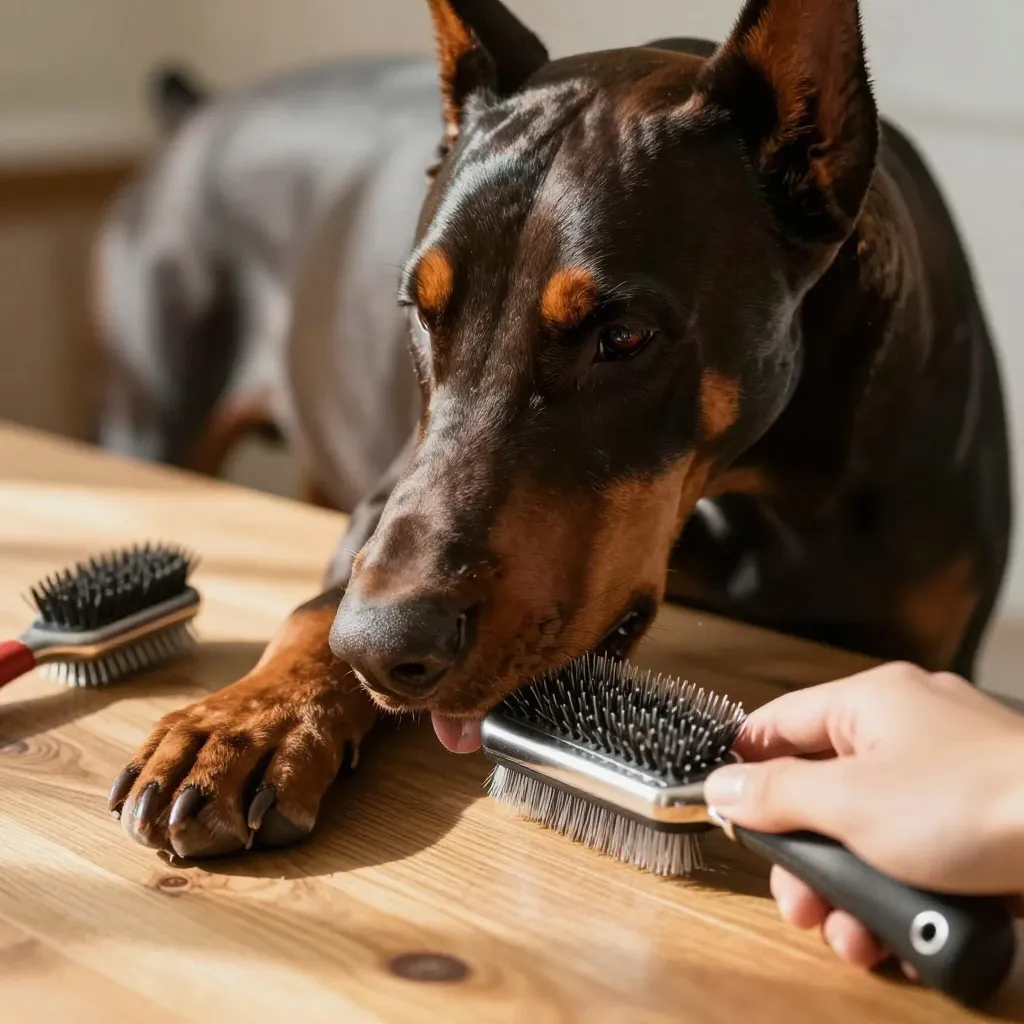
You don’t need professional grooming appointments. A weekly rub down with a grooming mitt or a soft bristle brush will keep the loose hair under control and make their coat shine like glass. They are naturally clean dogs with little to no “doggy odor.”
- Nail trims are essential: You’ll hear them clicking on the floor if they’re too long. Keep them short for paw health.
- Ear cleaning: If their ears are cropped, they need regular cleaning to prevent infection. If natural, they still need a weekly check.
- Bathing only when needed: They don’t need frequent baths. A rub down with a damp cloth usually does the trick.
6. Health Issues You Need to Watch For
I love Dobermans, but I have to be honest—they are not the healthiest breed. Responsible breeding is critical. Many health issues are genetic, so finding a breeder who does proper health testing is the most important decision you can make.
The biggest concern is dilated cardiomyopathy (DCM), a heart condition that is sadly common in the breed. There are also issues with von Willebrand’s disease (a bleeding disorder), hip dysplasia, and bloat, which is a life-threatening stomach twist.
- Choose a breeder who tests for DCM: Ask for echocardiograms on the parents. It’s a red flag if they don’t have them.
- Watch for bloat: Don’t exercise your dog right after a big meal. Know the signs of a distended belly.
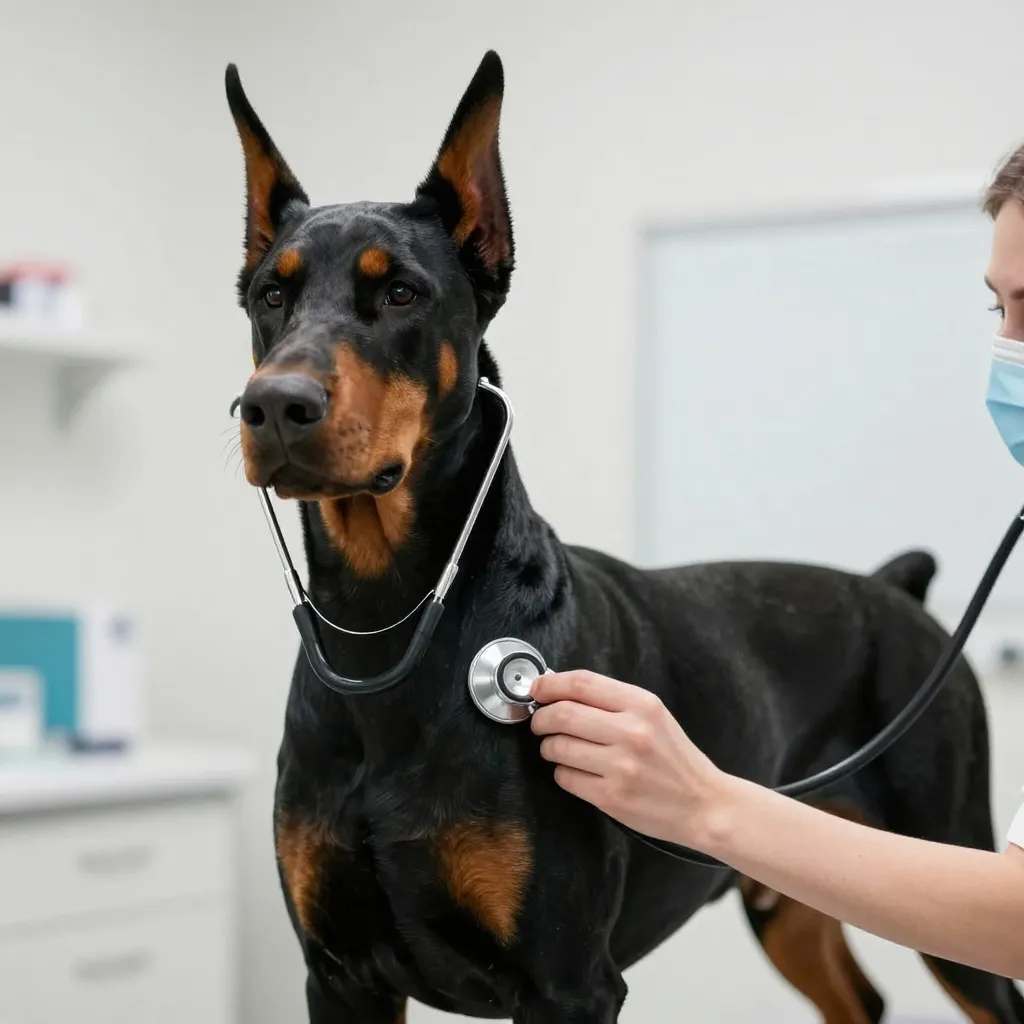
- Annual vet checks are non-negotiable: A good relationship with your vet can catch problems early.
7. The Diet That Fuels a Doberman
Dobermans are muscular, active dogs, and they need a diet that supports that. A high-quality, high-protein kibble or a balanced raw diet works well. But here’s the thing—they can have sensitive stomachs. You might need to experiment a little to find what works.
A common issue in the breed is a condition called “doberman colitis,” which can cause loose stools. A diet with limited ingredients or probiotics often helps. Also, be mindful of their weight. A lean Doberman is a healthy one; you should be able to feel their ribs easily.
- Feed two smaller meals a day: This helps prevent bloat and keeps their energy steady.
- Avoid fillers: Corn, wheat, and soy can trigger allergies in some dogs.
- Fresh water always: They are active and need constant access to clean water.

8. Are They Good with Kids and Other Pets?
This is a big question, and the answer is: it depends on the dog, but generally, yes. A well-bred, well-socialized Doberman can be a wonderful family dog. They are often patient, protective, and playful with children they are raised with.
However, they are large, energetic dogs. They can accidentally knock over a toddler while zooming around the yard. Supervision is always key. With other pets, they can do well, especially if raised together. But they have a high prey drive, so introductions to smaller animals like cats need to be done carefully.
- Teach kids how to interact: No pulling ears or tails. A Doberman will respect a gentle child.
- Same-sex aggression can happen: Two female Dobermans in the same house can sometimes clash. It’s something to be aware of.
- They love to be part of the pack: They see the family as their pack and want everyone together.

9. The “Doberman Gloom” and Sensitivity
You might hear owners talk about the “Doberman Gloom.” It’s a real thing. This breed can have moments of being dramatic, moody, or overly sensitive. If you raise your voice, they might look at you like you’ve broken their heart. If you give them a correction, they might pout for an hour.
This isn’t a fault—it’s part of their charm. It means they care deeply. You have to be a calm, confident leader. If you get frustrated, they will feel it and become anxious. Building trust is everything.
- Use a calm voice: They respond much better to gentle direction than yelling.
- Praise is their fuel: Tell them they are a good dog, and they will light up.
- Don’t take the pouting personally: It’s just their way of processing. Give them a minute.

10. Finding a Responsible Breeder or Rescue
Where you get your Doberman changes everything. Please, please avoid puppy mills and backyard breeders. A good breeder will have health tests, ask you a million questions, and likely have a waiting list. They want their puppies to go to the best homes.
Rescue is also a beautiful option. There are Doberman-specific rescues all over the country. These dogs often just need a second chance. An adult Doberman from a rescue might already be trained and past the crazy puppy stage. Don’t overlook them.
- Visit the breeder in person: See where the puppies are raised. Meet the mother. It should be a clean, loving home.
- Ask for health clearances: For the parents, for hips, heart, and thyroid.
- Rescue dogs need love too: Many are surrendered through no fault of their own. They can be incredible companions.
Conclusion
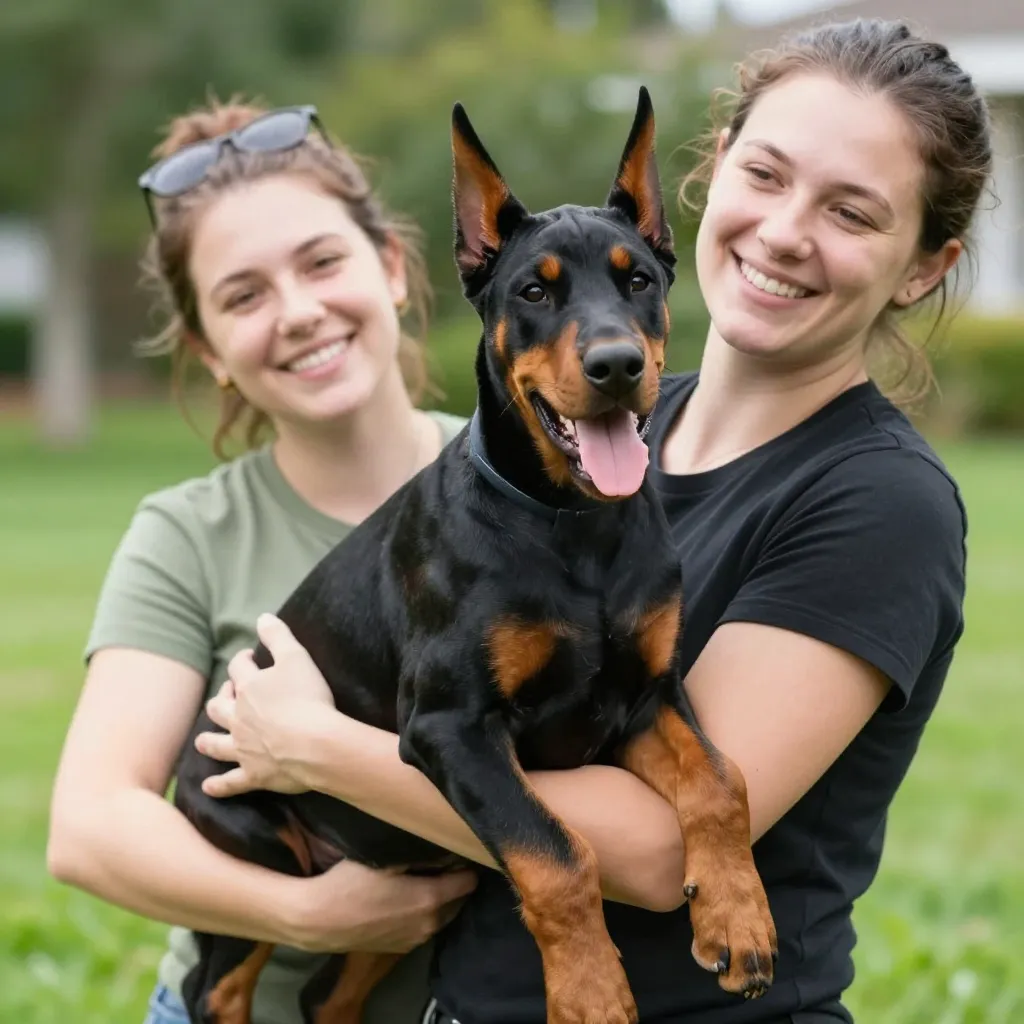
Living with a Doberman Pinscher is not a passive experience. They will demand your time, your energy, and your heart. They will test your patience as a puppy and then grow into the most loyal, intuitive adult dog you could ever imagine. They are not for everyone, but for the right person, they are absolutely irreplaceable.
If you are ready for a partner who will run with you, cuddle with you on the couch, and stand by your side through anything, then this might be your breed. Do your research, find the right source, and get ready for a love story that will change your life.
Frequently Asked Questions
Are Dobermans aggressive?
Not by nature. A well-bred, properly socialized Doberman is more likely to be aloof with strangers than aggressive. They are protective, but aggression is usually a result of poor breeding or lack of training.
How long do Dobermans live?
The average lifespan is 10 to 13 years. Some can live longer with excellent care and good genetics, but heart issues can shorten their life, which is why health testing is so important.
Do Dobermans need a big yard?
They appreciate space to run, but a yard isn’t a substitute for exercise. They can live in an apartment if you are committed to taking them out for long walks and play sessions every single day.
Is it better to get a male or female Doberman?
It’s personal preference. Males tend to be a bit more goofy and affectionate, while females are often more independent and serious. Both are wonderful, but they have slightly different energy levels.
Do Dobermans bark a lot?
They are not excessive barkers, but they will alert you to anything unusual. They have a deep, intimidating bark. If they are barking a lot, they are usually trying to tell you something—boredom, a stranger, or a need.