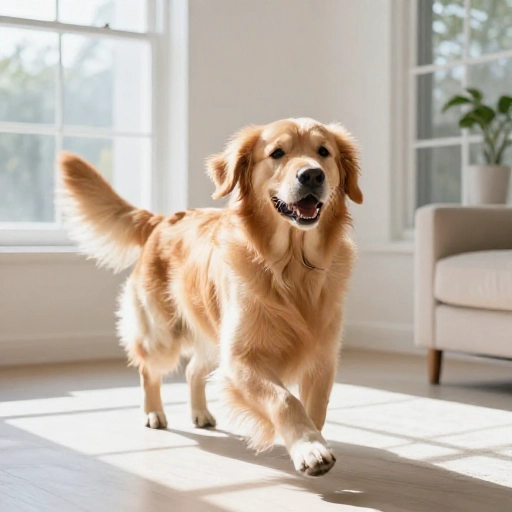
How to Create a Dog-Friendly Home That You’ll Both Love
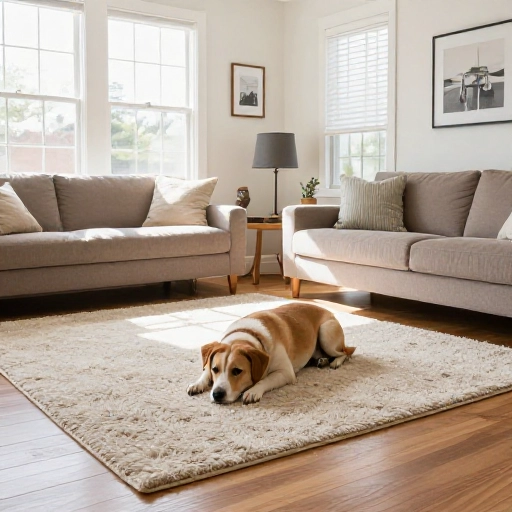
Let’s be honest—our homes are not just for us anymore. The moment that fluffy pup crossed the threshold, the house became theirs too. I learned this the hard way when my new puppy chewed through a lamp cord (thankfully, he was fine, but the lamp wasn’t).
Creating a space that works for both you and your dog isn’t about sacrificing your style. It’s about making smart, simple swaps that keep everyone safe, happy, and comfortable. From choosing the right flooring to setting up a cozy corner that’s all theirs, these ideas are practical, budget-friendly, and totally doable.
Whether you’re a new dog parent or just looking to upgrade your setup, here are ten easy ways to make your home a true haven for your four-legged friend.
1. Choose Durable and Pet-Friendly Flooring
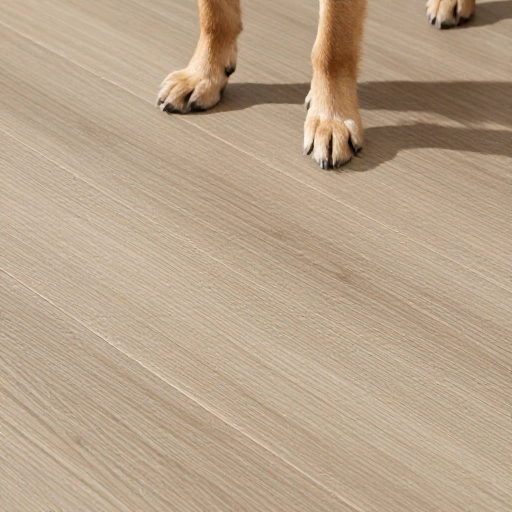
Your floors take the biggest beating from muddy paws, spills, and the occasional indoor zoomies. If you’re renovating or just thinking about it, look for flooring that can handle the chaos. Luxury vinyl plank is a dream—it’s scratch-resistant, waterproof, and easy to clean.
Hardwood looks beautiful but scratches easily, especially with a larger dog. If you already have hardwood, area rugs are your best friend. Go for low-pile rugs that won’t trap fur and are easy to vacuum.
A simple tip: keep a microfiber mop and a spot cleaner handy near your back door. A quick wipe can save you from hours of scrubbing later.
2. Create a Dedicated “Dog Zone”
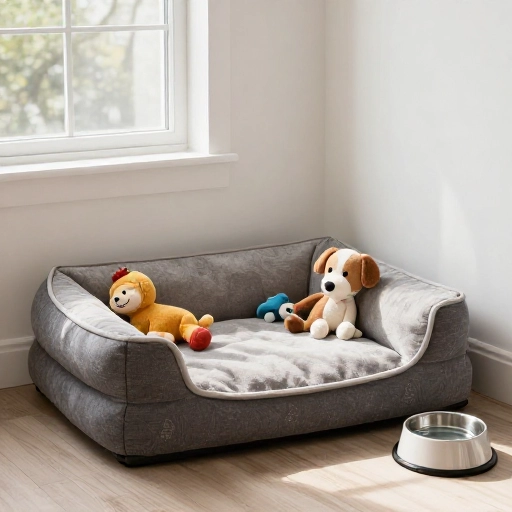
Every dog needs a place that feels like their own. It doesn’t have to be a whole room—just a corner of the living room or a spot in the kitchen. Set up a comfy bed, a small basket for toys, and a water bowl that won’t slide around.
I used an old wooden crate turned on its side and added a soft cushion. It looks like a piece of decor, and my dog loves curling up inside it. The key is consistency. When your dog knows where their spot is, they’ll naturally go there to relax, especially during busy times.
This small change helps reduce anxiety and gives them a sense of security. Plus, it keeps their stuff contained in one area, which makes your home look much tidier.
3. Secure Your Cords and Cables
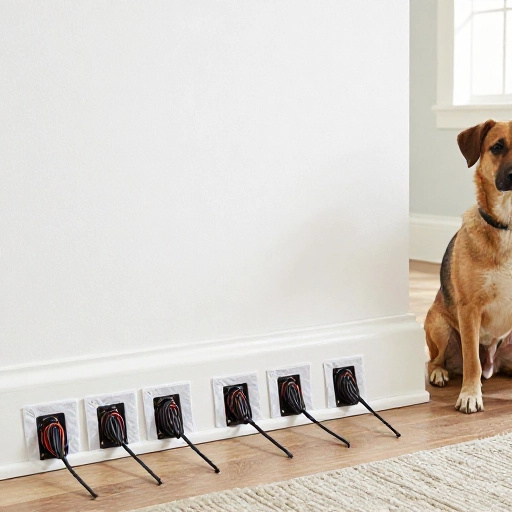
Puppies explore the world with their mouths, and cords look a lot like chew toys. This is a real safety hazard. The easiest fix is to use cord covers or cable management boxes. You can find inexpensive cord wraps that bundle everything together and hide them behind furniture.
For cords that are out in the open, try bitter apple spray. A quick spritz makes them taste terrible, and most dogs learn to leave them alone after one try.
Also, unplug things you aren’t using. It’s a simple habit that removes the temptation entirely. Your dog will be safer, and your space will look less cluttered.
4. Pick Washable and Stain-Resistant Fabrics
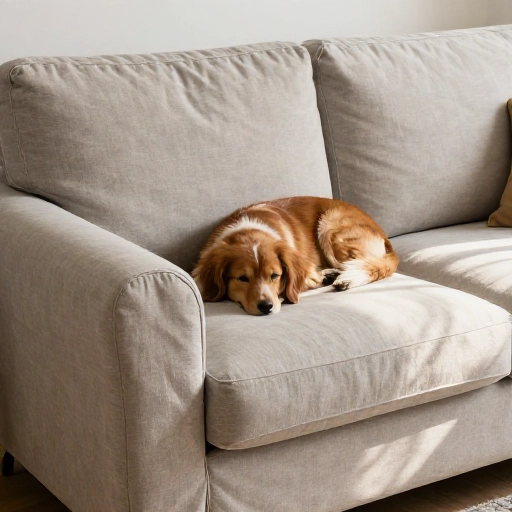
Let’s face it: dogs drool, shed, and have accidents. Your sofa doesn’t have to be a victim. Look for furniture with removable, machine-washable covers. Many brands now offer pet-friendly fabrics that resist stains and odors.
If you already have a sofa you love, throw blankets and slipcovers are lifesavers. I keep a couple of soft, washable throws on my couch. When my dog hops up, I just toss one over his spot. It’s easy to wash and protects the fabric underneath.
For throw pillows, choose ones with zippered covers that you can toss in the wash. It’s a small detail that makes a huge difference in keeping your home fresh.
5. Design a Safe and Functional Entryway
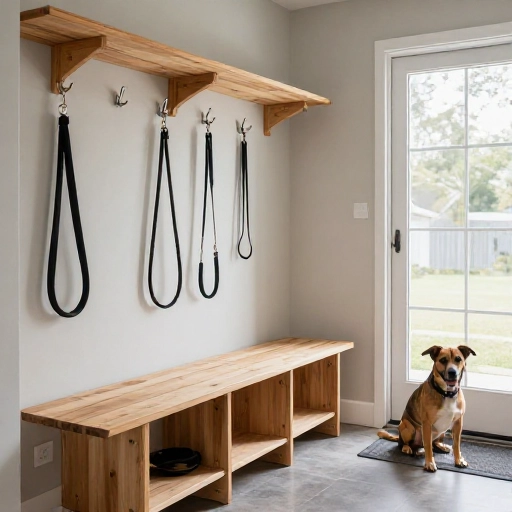
The entryway is ground zero for mess. A little planning here makes coming and going so much easier. Set up a small station with a hook for the leash, a basket for poop bags, and a tray for dirty shoes.
I also keep a towel on a low hook near the door. When we come in from a rainy walk, I can quickly wipe my dog’s paws before he runs through the house. It takes ten seconds and saves me from muddy footprints everywhere.
If you have space, a small pet gate can be useful here too. It gives you a moment to get settled before your dog dashes inside. This simple setup makes your daily routine smoother and keeps your home cleaner.
6. Choose Non-Toxic Plants and Decor
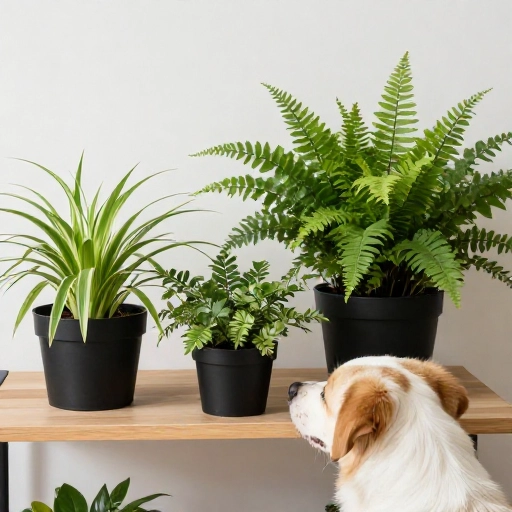
Dogs love to sniff and sometimes nibble on houseplants. Some common plants like lilies, pothos, and sago palms are toxic to dogs. Before you bring any plant home, double-check that it’s pet-safe. Spider plants, Boston ferns, and areca palms are all great options.
For decor, avoid small, swallowable objects that could become choking hazards. Keep candles and diffusers out of reach, especially those with essential oils that can be harmful.
I switched to battery-operated candles and placed my plants on high shelves. My dog can still enjoy the greenery, and I don’t have to worry. It’s a win-win for both style and safety.
7. Create a Calm Space for Quiet Time
Dogs need downtime, especially in busy households or during loud events like thunderstorms. A calm space doesn’t have to be fancy. A cozy bed in a quiet corner, away from foot traffic, works perfectly.
Add a soft blanket and a few of their favorite toys. Some dogs love a covered space, like a crate with a blanket draped over it. It mimics a den and makes them feel secure.
I keep a white noise machine near my dog’s quiet spot. It helps drown out scary noises and creates a soothing environment. This little area has become his go-to place when he needs a break from the chaos.
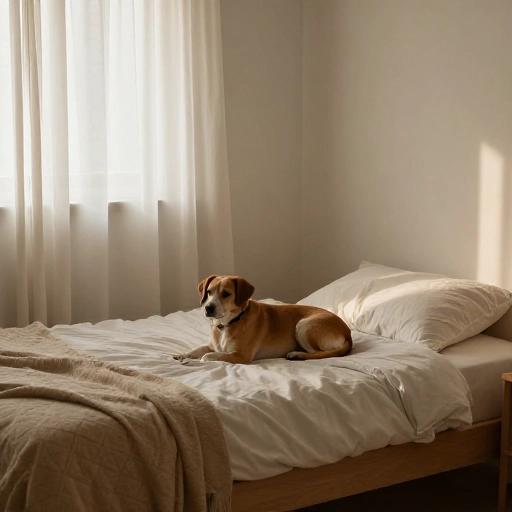
8. Install Easy-to-Clean Window Treatments
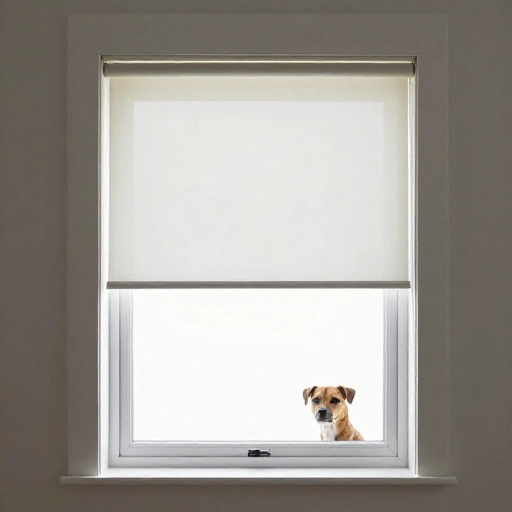
Dogs love to look out the window, but their noses and paws can leave smudges on blinds and curtains. Choose window treatments that are easy to wipe down. Faux wood blinds or roller shades are great because they don’t absorb odors and can be cleaned with a damp cloth.
If you prefer curtains, go for machine-washable fabrics. Avoid heavy drapes that trap fur and are hard to clean. I use simple cotton curtains that I toss in the wash every few weeks.
Another tip: keep a microfiber cloth near the window. A quick wipe after your dog has a look outside keeps everything looking fresh. It’s a small habit that makes a big difference.
9. Provide Plenty of Mental and Physical Enrichment
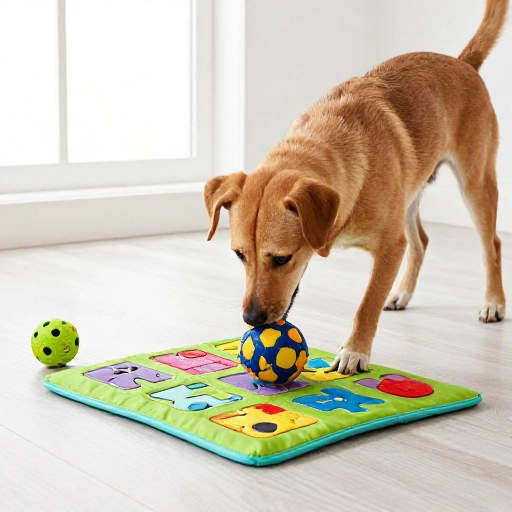
A tired dog is a happy dog, and a happy dog doesn’t get into trouble. Set up a few enrichment stations around your home. A treat-dispensing toy in the kitchen, a puzzle feeder in the living room, or a snuffle mat in the hallway can keep your dog busy and mentally stimulated.
Rotate the toys every few days so they feel new and exciting. I keep a small basket of “special” toys that only come out when I need to keep my dog occupied, like during a phone call or while cooking dinner.
You don’t need fancy equipment. Simple things like hiding treats under cups or using a muffin tin with tennis balls can be just as engaging. The goal is to challenge their brain and burn off energy in a positive way.
10. Establish a Cleaning Routine That Works for You
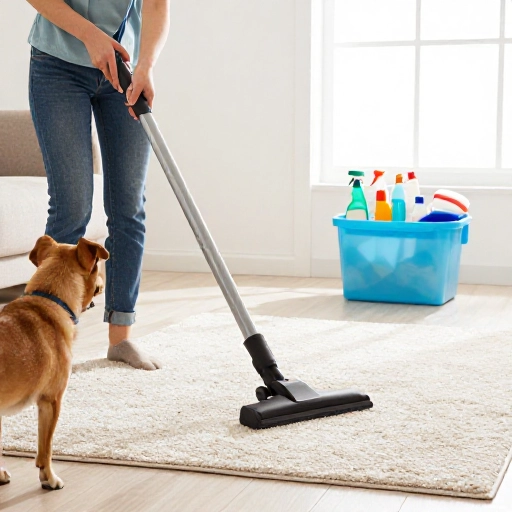
A dog-friendly home stays dog-friendly when you have a routine. I vacuum every other day (or daily during shedding season) and use a lint roller on furniture weekly. A good vacuum with a pet hair attachment is worth every penny.
Wash your dog’s bedding and blankets regularly. I do mine every two weeks, but more often if they start to smell. Use a pet-safe enzymatic cleaner for accidents—it breaks down odors so your dog won’t be tempted to revisit the spot.
Keep a small cleaning caddy with essentials like wipes, spray, and paper towels in a central spot. When messes happen (and they will), you can handle them quickly without scrambling. A clean home feels better for everyone, including your pup.
Conclusion
Making your home dog-friendly isn’t about perfection. It’s about small, thoughtful changes that make life easier for both of you. You don’t have to do everything at once. Pick one or two ideas that feel doable and start there.
Your dog doesn’t care if your sofa is brand new or if your floors are spotless. They just want to be with you, in a space that feels safe and loving. When you create a home that works for them, you also create a home that’s cozier, cleaner, and more joyful for yourself.
So go ahead—add that washable throw, set up a cozy corner, and enjoy all the tail wags and sloppy kisses that come with a home built for two (or more).
Frequently Asked Questions
What is the best flooring for a house with dogs?
Luxury vinyl plank is widely considered the best option because it’s scratch-resistant, waterproof, and easy to clean. Tile and laminate are also good choices. Avoid soft hardwood or carpet if possible, or use area rugs for protection.
How can I keep my house from smelling like a dog?
Regular vacuuming, washing your dog’s bedding, and using an air purifier can make a big difference. Also, clean up accidents immediately with an enzymatic cleaner. Baking soda on carpets before vacuuming helps absorb odors too.
Should I crate my dog during the day?
Crating can be a great tool for safety and routine, especially for puppies or dogs with separation anxiety. Make sure the crate is comfortable and never use it as punishment. Many dogs see it as their safe space.
What are the best dog-friendly plants for indoors?
Spider plants, Boston ferns, areca palms, and calatheas are all safe for dogs. Always double-check before bringing a new plant home. Keep any toxic plants out of reach or choose artificial options instead.
How do I stop my dog from chewing furniture?
Provide plenty of appropriate chew toys and rotate them to keep interest. Use bitter spray on furniture legs and supervise your dog until they learn the rules. Exercise and mental stimulation also reduce destructive chewing. If the behavior continues, consult a trainer.