How to Handle an Aggressive Dog Without Losing Your Cool
I remember the first time a dog growled at me. My heart pounded, my hands got sweaty, and I had no clue what to do. Aggression in dogs can be scary, but it doesn’t mean the dog is bad. It’s usually a sign they’re scared, hurt, or trying to protect something important to them.
Over the years, I’ve learned that staying calm and knowing a few simple moves can make all the difference. Whether it’s your own pup or a stranger’s dog, these tips will help you handle the situation safely. You don’t need to be a dog trainer—just a little prepared.
Let’s walk through what actually works when a dog shows teeth or growls. I’ll share what I’ve picked up from experience and from watching patient owners turn things around.
Stay Still and Avoid Direct Eye Contact
When a dog gets aggressive, your first instinct might be to run or stare them down. Don’t. Running can trigger their chase instinct, and staring feels like a challenge to them.
Instead, freeze like a statue. Keep your body relaxed and turn slightly to the side. This makes you look smaller and less threatening. Let your eyes wander, but don’t lock onto the dog’s eyes.
I’ve tried this with a neighbor’s anxious shepherd, and it worked like magic. The dog calmed down within seconds once I stopped staring and just stood still.

Speak in a Soft, Low Voice
Yelling or shouting only makes an aggressive dog more upset. They pick up on your energy, and loud noises feel like danger to them.
Use a calm, low voice. Say something simple like “easy” or “it’s okay” in a soothing tone. Don’t use high-pitched baby talk—that can sound excited or anxious to a dog.
I once calmed a growling stray by just whispering “good boy” over and over. He stopped barking and sat down. Your voice is a tool, so use it gently.

Give the Dog Space
Aggression often comes from feeling trapped. If a dog is growling or lunging, back away slowly. Never turn your back and run.
Move sideways if you can, keeping your eyes on the dog without staring. Put a solid object between you—like a car, a bench, or even a trash can. This gives the dog a barrier and makes you both feel safer.
I always tell friends: respect the bubble. Most dogs won’t attack if you give them room to breathe.
Don’t Punish the Growl
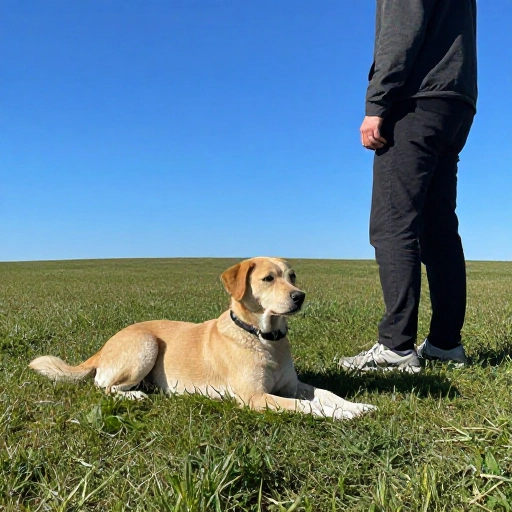
This one surprises a lot of people. When a dog growls, it’s actually a good thing—they’re warning you instead of biting. If you punish the growl, they might learn to skip the warning and go straight to a snap.
Instead, listen to what the growl is saying. Back off, figure out what’s upsetting them, and remove the trigger if you can. A growl is communication, not defiance.
I learned this the hard way with my own rescue. Once I stopped scolding her growls, she trusted me more and growled less often.
Use Treats to Change Their Mood
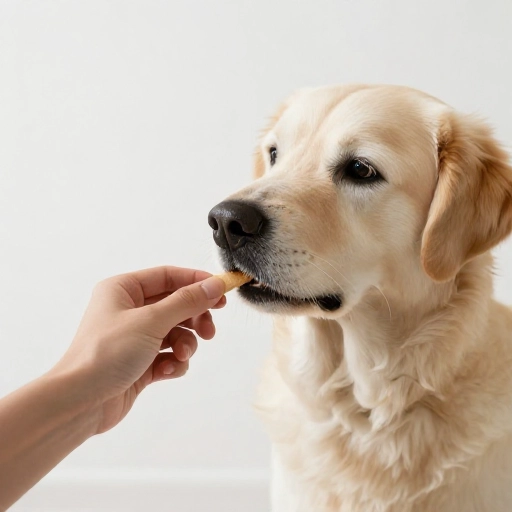
If you have treats handy and the dog isn’t too worked up, try tossing a few treats their way. Don’t hand-feed an aggressive dog—just toss them nearby. This can shift their focus from fear to food.
It’s a simple trick called counter-conditioning. The dog starts to associate your presence with something good. I’ve done this with nervous dogs at the park, and it works wonders over time.
Just be sure the dog sees the treat land and doesn’t feel cornered. Safety first, always.
Watch for Subtle Warning Signs
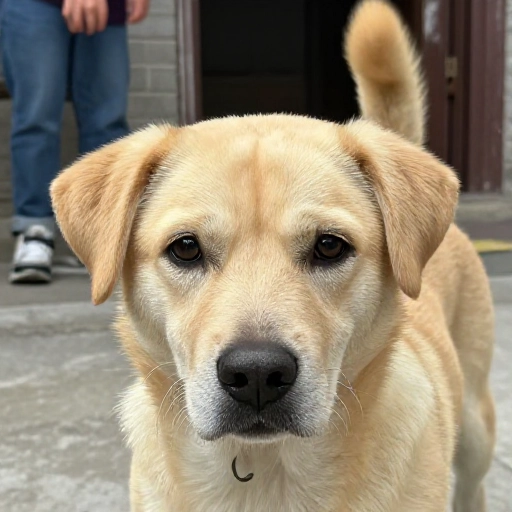
Aggression rarely comes out of nowhere. Dogs usually show small signs first: stiff body, whale eye (showing the whites of their eyes), lip licking, or a tucked tail. If you catch these early, you can prevent a full-blown reaction.
Learn to read your dog’s body language. A yawn or a sudden scratch might mean stress, not tiredness. The sooner you notice, the sooner you can step back or redirect.
I keep a mental checklist: is the tail stiff? Are the ears pinned back? Is the mouth tight? These clues have saved me from many tense moments.
Create a Safe Escape Route
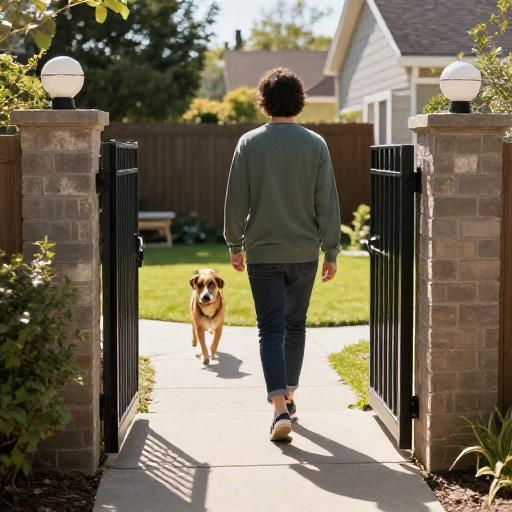
When dealing with an aggressive dog, always know where you can go. If you’re in a yard, back toward the gate. If you’re on a walk, step behind a fence or into a store.
Never corner yourself. Keep your path clear so you can leave slowly if needed. If the dog is on a leash and you’re not, give them the right of way—let them move past you.
I once had to duck behind a mailbox while a loose dog passed by. It felt silly, but it kept me safe. Plan your escape before you need it.
Stay Consistent with Your Own Dog
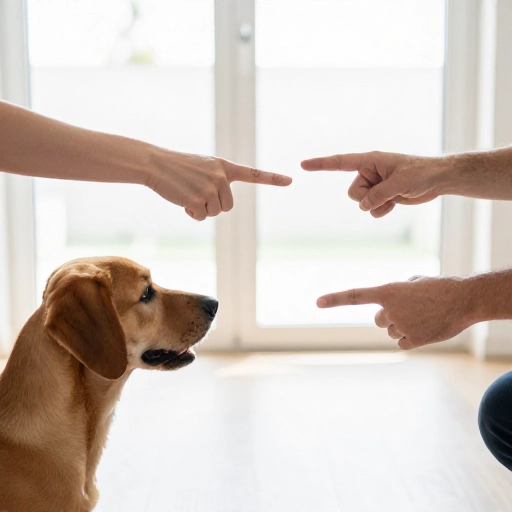
If your dog shows aggression at home, routine is your friend. Feed them at the same times, walk them on a schedule, and use the same commands. Dogs feel secure when they know what comes next.
Set clear boundaries without yelling. If they growl over food, don’t take it away—trade it for something better. If they guard the couch, teach them a “place” command instead.
Consistency builds trust. My dog used to snap when I touched her bowl. After weeks of trading treats, she now lets me pet her while she eats.
Never Get Between Two Fighting Dogs
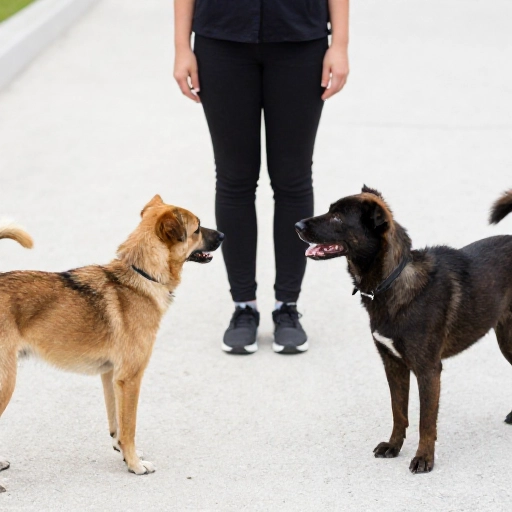
This one is crucial. If two dogs start fighting, do not reach in with your hands. You will get bitten, even by your own dog. Instead, make a loud noise, spray water, or throw a blanket over them to break their focus.
You can also try the wheelbarrow method: grab each dog’s back legs and pull them apart like a wheelbarrow. This keeps your hands away from their mouths.
I once saw a well-meaning owner get a nasty bite trying to separate her dogs. It’s not worth it. Use tools, not hands.
Know When to Call a Professional
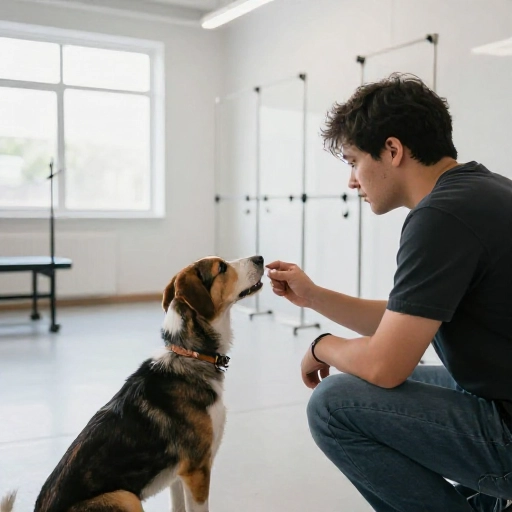
Some aggression is too deep for home fixes. If your dog has bitten someone, if the aggression is getting worse, or if you feel scared in your own home, it’s time to call a trainer or behaviorist.
Look for someone who uses positive reinforcement, not punishment. A good trainer will help you understand the root cause—fear, pain, or past trauma—and work with you step by step.
There’s no shame in asking for help. I’ve done it, and it changed everything for me and my dog. You don’t have to figure it out alone.
Conclusion
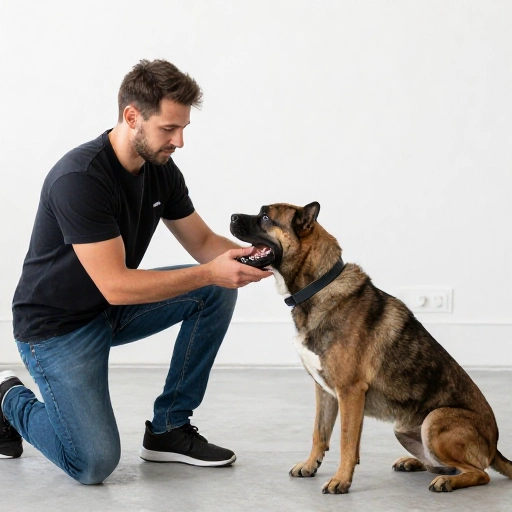
Dealing with an aggressive dog is tough, but you can handle it. Stay calm, give space, and listen to what the dog is saying. Small changes in your body language and tone can turn a scary moment into a safe one.
If it’s your own dog, be patient. Trust takes time. If it’s a stranger’s dog, protect yourself first. And always remember: aggression is usually fear in disguise. A little understanding goes a long way.
Frequently Asked Questions
Can an aggressive dog be trained to be calm?
Yes, most aggressive dogs can improve with consistent, positive training. It takes time and patience, but many dogs learn to feel safe and stop reacting.
Should I use a muzzle on my aggressive dog?
Muzzles can be a great safety tool for walks or vet visits. Make sure it’s a basket-style muzzle so your dog can pant and drink. Train them to love it with treats first.
What if a dog runs at me aggressively?
Stand still, turn sideways, and avoid eye contact. Don’t run. If you have something like a jacket or bag, hold it in front of you as a shield. Speak softly until the dog calms down.
Is it safe to adopt an aggressive dog?
It depends on your experience and home situation. Some aggressive dogs just need structure and patience. But if you have kids or other pets, talk to a trainer before adopting.
Why is my dog suddenly aggressive toward me?
Sudden aggression can mean pain, illness, or fear. Take your dog to the vet first to rule out medical issues. If they’re healthy, look for changes in routine or environment that might be stressing them out.