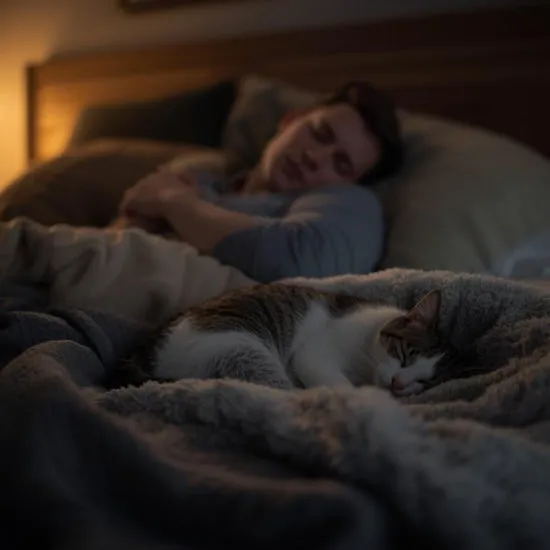
Why Does My Cat Meow at Night? Causes & Sleep Tips
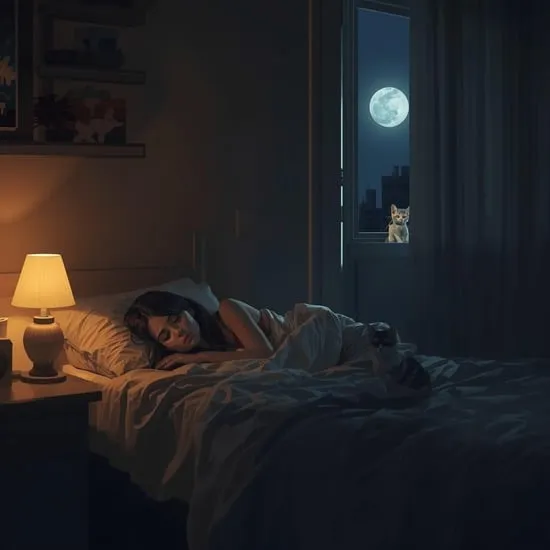
Why Does My Cat Meow at Night? My Sleepless Story
I still remember the first week I kept asking myself, why does my cat meow at night, while staring at the ceiling in frustration.
The house would be completely quiet, and then suddenly I would hear that long, emotional cry.
At first, I thought it was just a phase and tried to ignore the night time cat meowing.
But the more it happened, the more worried I became.
It didn’t sound playful, it sounded like she needed something.
I started feeling guilty, wondering if I was missing a sign.
As a pet parent, you don’t want to feel annoyed, you want to understand.
So instead of getting upset, I began paying attention to her routine.
I noticed she slept most of the afternoon while I was busy working.
By bedtime, she was full of energy and ready to explore.
That’s when I realized there had to be a deeper reason behind it.
While researching feline behavior, I learned that cats are naturally more active at dusk and dawn.
This crepuscular instinct explains why many owners struggle with cat crying at night.
Still, knowing that didn’t fully answer why does my cat meow at night in such an emotional way.
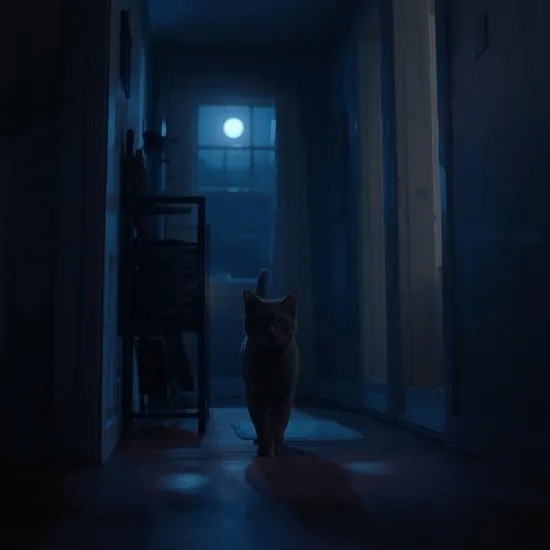
Sometimes she would sit outside my bedroom door and softly call for me.
Other times she wandered through the hallway meowing loudly.
It felt like she was trying to communicate something important.
I started to see the behavior less as a disturbance and more as a message.
Maybe she was bored, lonely, or even slightly anxious.
The thought that she might feel confused in the dark made my heart heavy.
Instead of blaming her, I decided to listen more carefully.
That emotional shift changed everything for me.
Common Reasons Behind Night Time Cat Meowing
Once I looked deeper into why does my cat meow at night, I discovered several common causes.
The first one was simple boredom and stored up energy.
Indoor cats often nap all day and become restless after sunset.
This mismatch between human sleep schedules and cat sleep cycles is very common.
Another reason can be hunger, even if food is technically available.
Some cats prefer fresh meals and may wake their owners for a refill.
I also learned that attention seeking behavior is normal in bonded cats.
They crave interaction and reassurance, especially in quiet nighttime hours.
Stress or environmental changes can increase excessive vocalization as well.
Even rearranging furniture can make a sensitive cat uneasy.
All these factors helped me understand the bigger picture.
Health issues were something I did not want to ignore either.
While wondering why does my cat meow at night, I scheduled a vet appointment just in case.
Senior cats can experience cognitive dysfunction that causes confusion after dark.
Hyperthyroidism and discomfort may also lead to frequent meowing.
Thankfully, my cat’s health check was normal, which gave me relief.
But that visit reminded me how important it is to rule out medical problems.
Nighttime vocalization sometimes signals pain or distress.
Changes in appetite, litter box habits, or weight should always be noticed.
We know our pets better than anyone else.
If something feels different, it probably is.
That awareness helped me approach the situation responsibly.
How I Helped Reduce the Night Meowing
After understanding the causes, I focused on creating solutions.
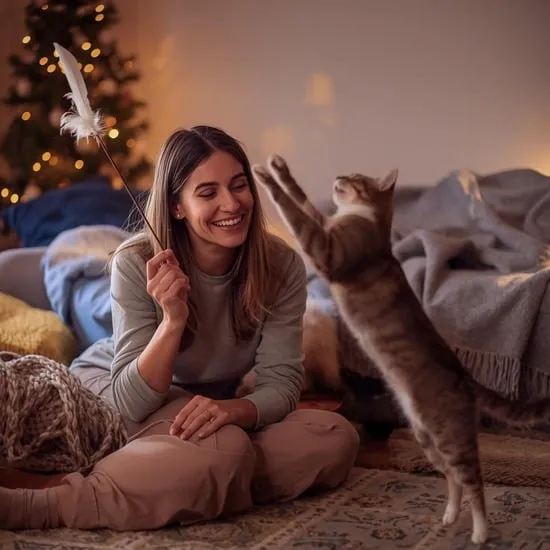
The first thing I did was add a high energy play session before bedtime.
We used feather toys and interactive cat games to mimic hunting behavior.
This helped burn off the extra energy she built up during the day.
A tired cat is much less likely to roam and cry at night.
I also adjusted her feeding routine to include a small meal before sleep.
This reduced hunger related cat crying at night significantly.
Consistency became my biggest tool in solving the issue.
Every evening followed the same calming pattern.
I dimmed the lights and lowered noise levels to signal bedtime.
Slowly, her restlessness started fading.
I also created cozy sleeping spots in different areas of the house.
Soft blankets and a warm cat bed near my room gave her comfort.
When she did meow, I avoided reacting immediately unless she sounded distressed.
This helped prevent reinforcing attention seeking behavior.
Instead, I rewarded quiet moments with affection during the day.
Over time, she began adjusting to our new routine.
The nights became calmer and much more peaceful.
I still asked myself why does my cat meow at night sometimes, but less often.
Now her occasional soft sounds feel normal and gentle.
Our bond actually grew stronger through this experience.
Patience truly made the biggest difference.
When You Should Be Concerned About Night Meowing
Even though I found balance, I stay alert to sudden changes.
If you constantly wonder why does my cat meow at night and the behavior feels unusual, pay attention.
Loud, urgent cries can sometimes indicate discomfort.
Look for signs like hiding, reduced appetite, or unusual aggression.
Senior cats especially may struggle more with nighttime anxiety.
Feline dementia can cause confusion and wandering after dark.
Stress from moving homes or new pets may also trigger vocalization.
Observing patterns helps you separate normal behavior from warning signs.
Trusting your instincts is part of loving pet care.
It is always okay to consult a veterinarian for reassurance.
Peace of mind is worth it.
For me, understanding why does my cat meow at night completely changed my mindset.
Instead of feeling irritated, I now feel connected and attentive.
Night time cat meowing is often just communication wrapped in emotion.
Sometimes it is boredom, sometimes hunger, and sometimes pure love.
Approaching it with empathy makes all the difference.
Every small adjustment I made showed her she was safe and heard.
If you are going through sleepless nights, you are not alone.
With patience and observation, things can improve.
Your cat is not trying to make life difficult.
They are simply expressing their needs the only way they know how.
And when you respond with care, the home feels peaceful again.