How to Raise the IQ of Your Dog and Boost Their Brainpower
I used to think my dog was just a sweet, goofy shadow who lived for belly rubs and snack time. But one rainy afternoon, I taught her to open a cabinet with her nose, and something clicked. She wasn’t just a good girl—she was a little genius waiting for a challenge.
Raising your dog’s IQ isn’t about turning them into a circus performer. It’s about building confidence, deepening your bond, and keeping their mind sharp at every age. A bored dog can be a destructive dog, but a mentally stimulated dog is a happy, balanced companion.
Here are ten practical, fun ways I’ve used to boost my dog’s brainpower. No fancy gadgets required—just patience, treats, and a little creativity.
1. Teach the “Name Game” with Objects
Start by naming a favorite toy. Say “ball” when they touch it, then reward. Gradually, ask them to find it among other toys. This builds vocabulary and object recognition.
My dog learned “frisbee” in two days. Now she brings me the correct toy from a pile of five. It’s like having a furry librarian who fetches.
2. Hide Treats Under Cups
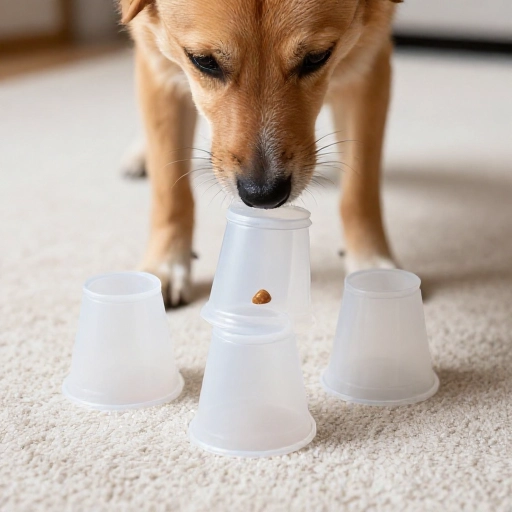
Place three cups upside down. Let your dog watch you hide a treat under one. Shuffle them gently and encourage them to paw at the right cup.
This game trains working memory and focus. Start with two cups, then add more as they improve. It’s amazing to watch them think.
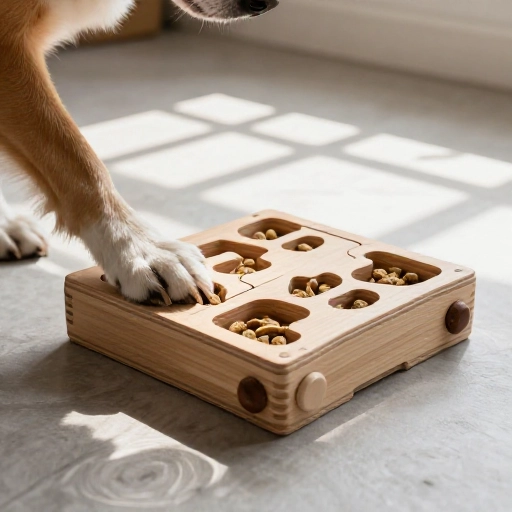
3. Use Puzzle Toys That Make Them Problem-Solve
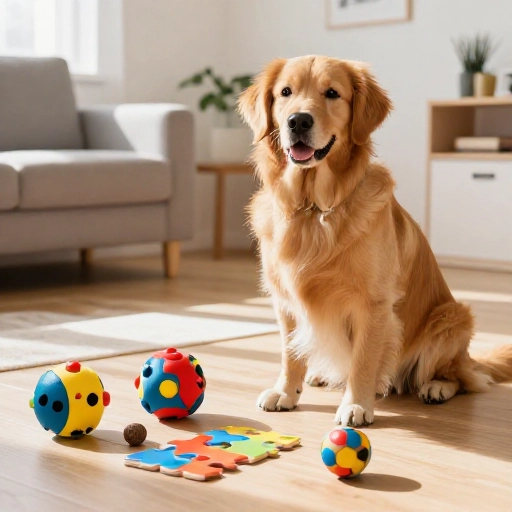
Not all toys are equal. Look for puzzles that require sliding, flipping, or lifting parts to release kibble. These engage their natural foraging instincts.
I rotate three different puzzles so my dog doesn’t memorize them. The challenge stays fresh, and she stays sharp.
4. Practice “Go Find It” Around the House
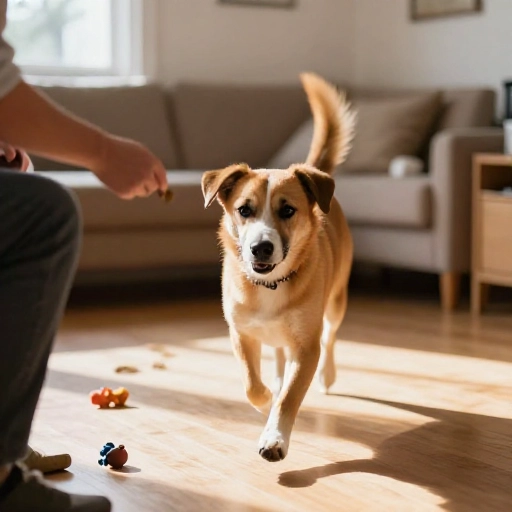
Have your dog stay in one room while you hide a few treats in another. Say “go find it!” and let them hunt. This builds scent discrimination and memory.
Over time, hide treats in harder spots—under pillows, behind doors, or inside a cardboard box. They’ll learn to follow their nose with purpose.
5. Teach a Trick That Requires Sequencing
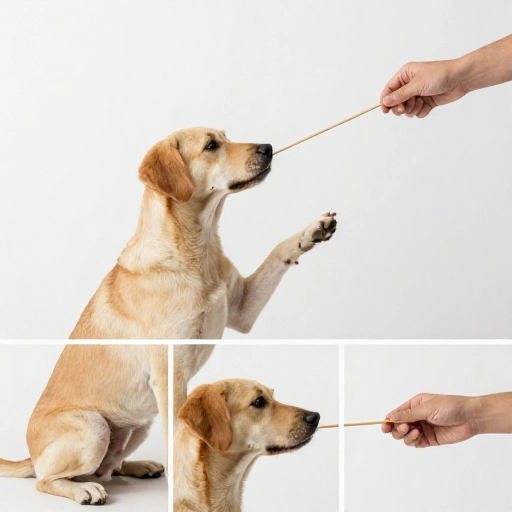
Tricks like “roll over” are fine, but sequencing tricks—like “paw, then spin, then down”—require them to remember a chain of commands. This is a real brain workout.
I taught my dog to “touch my hand, then circle me, then sit.” She had to think about each step. It tired her out more than a long walk.
6. Introduce New Environments and Surfaces
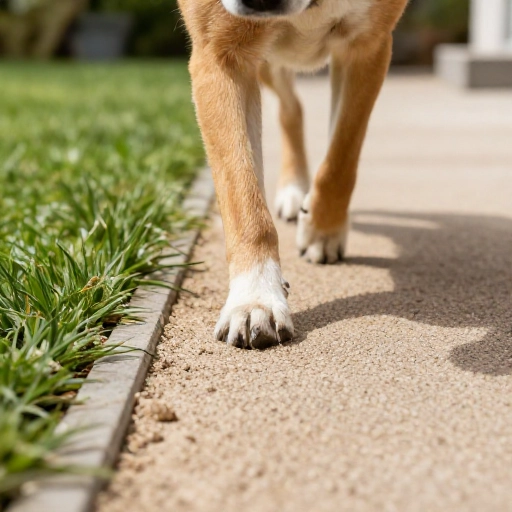
Take your dog to a different park, a pet-friendly store, or even a friend’s backyard. New smells, sounds, and textures force their brain to process unfamiliar input.
I once let my dog walk on a wooden bridge for the first time. Her careful steps and curious sniffs showed me she was learning, not just exploring.
7. Play the “Which Hand” Game
Close a treat in one fist. Show both closed hands. Let your dog sniff and choose which one to paw at. If they pick the correct hand, they get the treat.
This simple game sharpens their ability to read subtle cues. They start watching your eyes and hand position, which is a form of social intelligence.

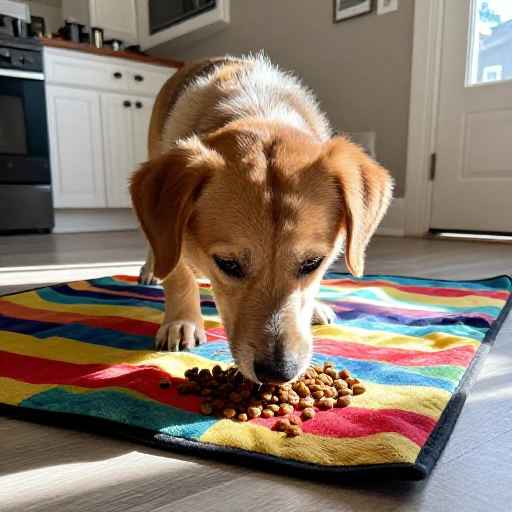
8. Use a Snuffle Mat for Mealtime
Instead of a bowl, scatter their kibble in a snuffle mat. They have to sniff and root around to find every piece. This mimics natural scavenging and builds concentration.
My dog eats slower, thinks harder, and seems more satisfied after a snuffle mat meal. It turns eating into a brain game.
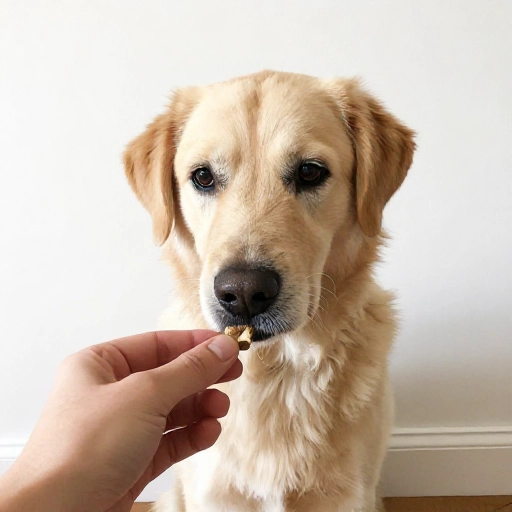
9. Teach a “Wait” and “Take It” Impulse Control
Hold a treat in your open palm. Say “wait” and close your hand if they lunge. When they stay calm, say “take it” and let them eat. This builds self-control and focus.
Impulse control is a core part of canine intelligence. A dog who can pause before acting is a dog who can learn complex tasks.
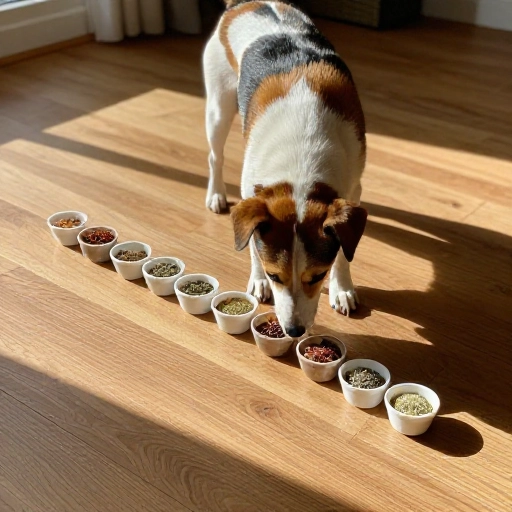
10. Have a “Scent Work” Session Indoors
Use a few drops of essential oil (like lavender) on a cotton ball. Hide it in a room. Let your dog sniff the oil, then say “find it.” Reward them when they locate the hidden scent.
This taps into their powerful nose and gives them a job. It’s like playing detective with your dog. They feel proud when they succeed.
Conclusion
Raising your dog’s IQ isn’t about making them a super-genius. It’s about giving them a rich, engaging life where they get to use their brain every day. The games above are simple, low-cost, and deeply rewarding for both of you.
Start with one or two ideas and build from there. You’ll notice your dog paying more attention, solving problems faster, and looking at you with that bright, eager spark. That spark is intelligence—and it’s a joy to watch grow.
Frequently Asked Questions
1. Can any dog breed increase their IQ?
Yes. All dogs have the capacity to learn and problem-solve. Some breeds may be more food-motivated or easier to train, but every dog benefits from mental stimulation.
2. How often should I do brain games with my dog?
Short sessions of 5–10 minutes a few times a week are great. Too much at once can frustrate them. Consistency beats length.
3. What if my dog gets bored of a game quickly?
Switch it up. Introduce new puzzles, change hiding spots, or increase difficulty. Variety keeps their brain engaged.
4. Do older dogs still benefit from IQ-boosting activities?
Absolutely. Mental exercise helps keep senior dogs sharp and can slow cognitive decline. Adjust games to their physical abilities.
5. Are store-bought puzzle toys necessary?
No. Many brain games use items you already have—cups, towels, cardboard boxes. Homemade puzzles are just as effective and often more fun.