Natural Remedies for Yeast Infection in Dogs: The Complete Guide Every Pet Parent Needs
If you’ve ever noticed your pup scratching endlessly, licking their paws like they’re trying to solve a mystery, or that unmistakable “Fritos” smell coming from their ears, you know the struggle. Yeast infections in dogs are frustrating, messy, and honestly, pretty gross. I’ve been there with my own golden retriever, and I know how desperate you get for relief that actually works.
The good news? You don’t always have to rush to the vet for prescription meds. Many mild yeast infections can be managed right at home with simple, natural ingredients you probably already have in your pantry. This guide walks you through the safest, most effective natural remedies to soothe your dog’s skin, clear up the infection, and prevent it from coming back.
Disclaimer: Always check with your vet before starting any home treatment, especially if your dog has underlying health issues or the infection is severe.
1. Apple Cider Vinegar: The Ultimate Skin Balancer
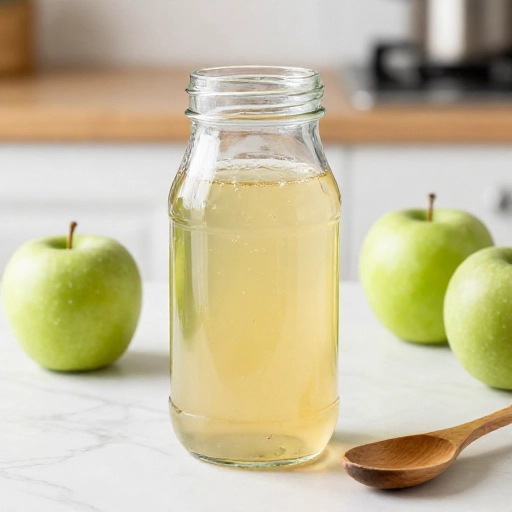
Apple cider vinegar is the MVP of natural dog care. It works because yeast thrives in alkaline environments, and ACV helps restore your dog’s skin to its natural, slightly acidic pH. That acidity makes it nearly impossible for yeast to survive.
For paw licking, mix one part raw, unfiltered ACV with one part water. Soak a clean cloth and wipe between the toes, drying thoroughly afterward. For a full-body rinse after bath time, use the same dilution as a final rinse—just avoid open wounds because it will sting.
Never use pure, undiluted ACV on your dog’s skin. And definitely don’t put it in their ears without a vet’s okay, as the ear canal is super sensitive. Start slow and watch for any irritation.
2. Coconut Oil: Soothe, Heal, and Fight Yeast
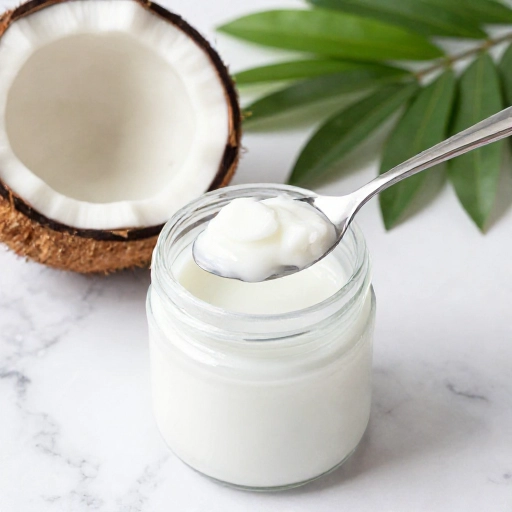
This is my absolute go-to. Coconut oil contains lauric acid and caprylic acid, both of which have natural antifungal properties that break down yeast cell walls. Plus, it’s incredibly soothing for itchy, inflamed skin.
Warm a small amount between your fingers and massage it directly onto the affected areas—think belly, armpits, and paws. It’s safe if your dog licks it off, so don’t stress about that. In fact, giving them a teaspoon of coconut oil daily (depending on size) can also help from the inside out.
One word of caution: too much coconut oil can cause loose stools, so start with tiny amounts. And if your dog is prone to pancreatitis, skip the oral route and stick to topical use.
3. Plain Yogurt: Probiotics for a Healthy Gut
Here’s the thing nobody tells you: yeast infections in dogs are often an internal problem showing up on the outside. When the gut microbiome is off balance, yeast overgrows. Probiotics are the fix.
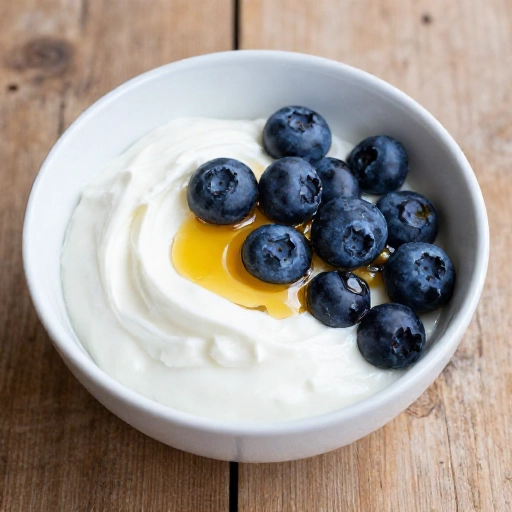
Plain, unsweetened yogurt with live active cultures is a simple way to introduce good bacteria. Give your dog one to three teaspoons a day, mixed into their food. Greek yogurt is thicker and has more protein, but make sure it has no xylitol or artificial sweeteners—those are toxic.
If your dog is lactose intolerant (many are), try a canine-specific probiotic powder instead. The goal is balancing the system, not upsetting their stomach further.
4. Calendula Tea Rinse: Nature’s Gentle Antiseptic
When my dog’s skin was raw and red from scratching, calendula was the only thing that brought instant relief. This beautiful orange flower is a natural antiseptic and anti-inflammatory, making it perfect for soothing irritated, yeast-ridden skin.
Brew a strong cup of calendula tea (just steep the dried flowers in hot water), let it cool completely, and pour it over the affected areas. You can also put it in a spray bottle for easy application on hard-to-reach spots. Let it air dry—no need to rinse.
Calendula is gentle enough for daily use and is especially good for dogs with sensitive skin. Just avoid it if your dog is allergic to plants in the daisy family.

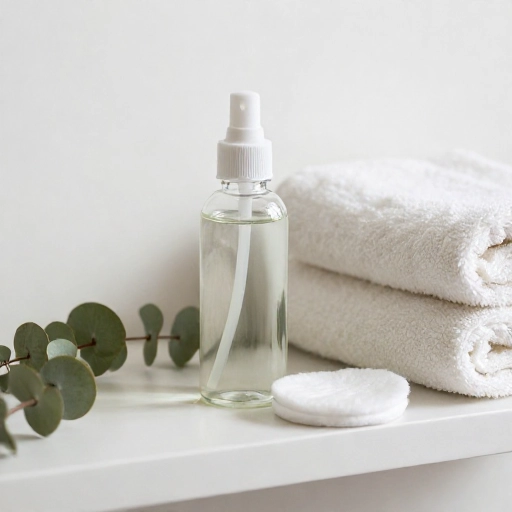
5. Witch Hazel: The Quick-Dry Solution for Moist Skin Folds
Yeast loves moisture, so any place on your dog that stays damp is a breeding ground. Think lip folds, armpits, groin, and between paw pads. Witch hazel is a natural astringent that helps dry out those areas quickly, making it inhospitable for yeast.
Apply alcohol-free witch hazel to a cotton ball and gently wipe the affected folds. Do this once or twice daily, especially after your dog drinks water or goes outside in the rain. It’s cooling, soothing, and doesn’t stain light fur.
Make sure you choose a witch hazel that doesn’t contain added alcohol or fragrance, as those can dry out the skin too much and cause cracking.
6. Aloe Vera Gel: Cool the Fire of Itching
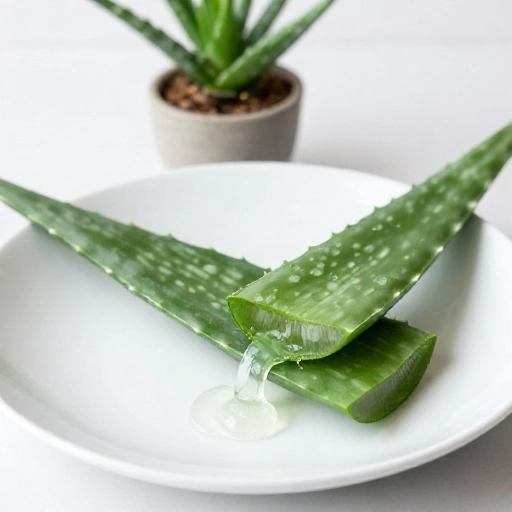
If your dog is scratching to the point of hair loss, you need something that cools and calms that burning sensation fast. Pure aloe vera gel is liquid magic for hot, inflamed skin. It’s antiviral, antibacterial, and deeply moisturizing.
Use 100% pure aloe vera gel (not the green dyed stuff with additives). Apply a thin layer directly to the irritated areas and let it sink in. It’s safe to lick, but try to distract them for a few minutes so it can absorb.
For best results, keep the gel in the fridge. Cold aloe on a hot, itchy spot is pure bliss for your pup.
7. Change Their Diet: Starve the Yeast
This is the big one. You can slather on all the remedies you want, but if you keep feeding your dog the carbs that feed yeast, you’ll never win the battle. Yeast feeds on sugar and simple carbohydrates.
Switch to a grain-free, low-carb diet. Look for foods with high-quality protein sources like fish, turkey, or lamb. Cut out treats that contain potatoes, sweet potatoes, rice, or corn. Even carrots and peas can be too sugary for a dog with a chronic yeast problem.
Consider adding a spoonful of raw, unsweetened pumpkin puree (not pie filling) for fiber, or a little raw apple cider vinegar in their water bowl to change their internal pH. This dietary shift takes a few weeks to show results, but it’s the most sustainable fix.

8. Green Tea Soak: Powerful Antioxidant Relief
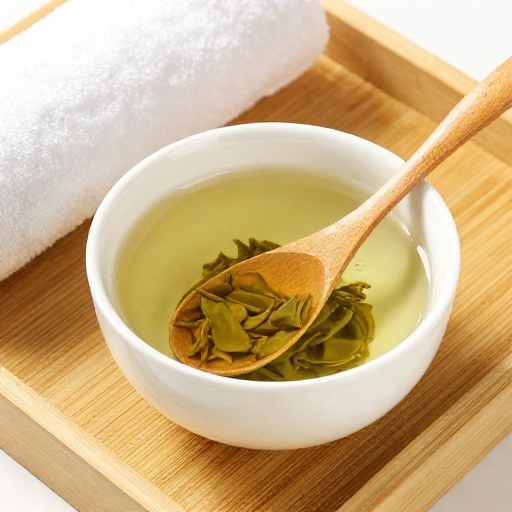
Green tea isn’t just for humans—it’s packed with polyphenols that have strong antifungal and anti-inflammatory properties. A green tea soak is perfect for dogs who hate baths but need full-body relief.
Brew 3-4 green tea bags in a large bowl of hot water, let it steep and cool to room temperature. Pour it over your dog after their regular bath, or use it as a spot treatment with a cloth. Let them air dry or gently pat with a towel.
The tannins in green tea help shrink inflamed skin and reduce the greasy, waxy feeling that often accompanies yeast infections. It’s a calming, spa-like treatment your pup will actually enjoy.
9. Keep Those Ears Clean: The Yeast Hideout
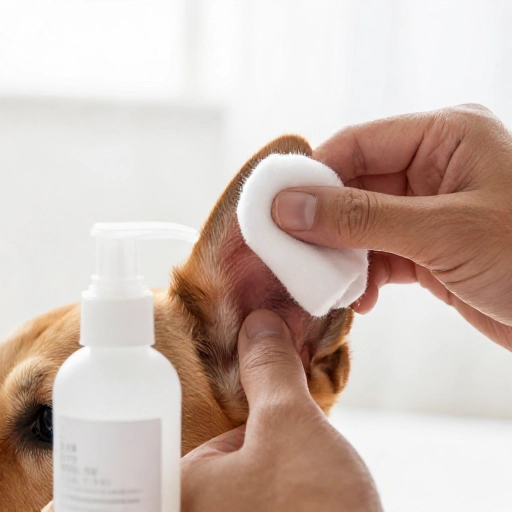
Dog ears are dark, warm, and damp—a yeast paradise. If your pup is shaking their head or scratching their ears, the yeast is probably thriving there. Cleaning is non-negotiable, but do it safely.
Make a gentle ear rinse with equal parts water and white vinegar or apple cider vinegar. Use a cotton ball (never a Q-tip!) to wipe the inside of the ear flap and the visible canal. Don’t go deep—just clean what you can see.
Do this every few days during an active infection, then weekly for maintenance. If the ears are extremely painful, inflamed, or have a thick dark discharge, let a vet check for a ruptured eardrum before you attempt any home cleaning.
10. The Drying Game: Prevention is Everything
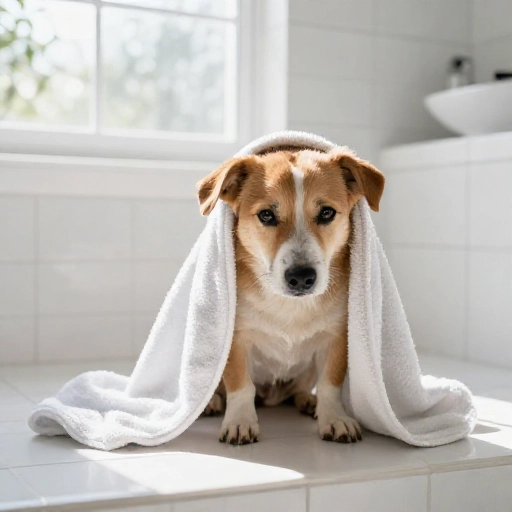
This last one isn’t a remedy—it’s a habit. Yeast can’t survive in dry conditions, so your number one job is to keep your dog dry. This is the secret weapon that prevents future infections.
After every bath, swim, or rainy walk, towel dry your dog thoroughly. Don’t forget between the toes, under the collar, and in those skin folds. Use a blow dryer on the cool setting if your dog tolerates it.
Wash their bedding weekly in hot water with a little vinegar. Dry their bowl after every meal. If they have a floppy ears, lift them up and let them air out regularly. Small habits, huge impact.
Wrapping It Up: Your Natural Healing Plan
Dealing with a dog yeast infection is a marathon, not a sprint, but these natural remedies give you a solid game plan. Start with the topical treatments (ACV, coconut oil, calendula) for immediate itch relief, and simultaneously begin the dietary changes to address the root cause. Consistency is everything.
Remember, every dog is different. What works wonders for one might not work for another. Be patient, observe your dog’s reactions, and don’t be afraid to combine a few of these approaches. If things don’t improve within a week or two, or if the infection spreads, definitely see your vet. Your furry friend can’t tell you how they feel, but they’ll show you with their happy, scratch-free energy.
Frequently Asked Questions
Q1: How do I know if my dog has a yeast infection or just allergies?
Yeast infections typically have a distinct musty or “Fritos” smell, greasy skin, and dark brown or black waxy ear discharge. Allergies usually show up as red, itchy skin without that strong odor. If you see crusty, elephant-like skin (hyperpigmentation), it’s likely a chronic yeast issue.
Q2: Can I use human antifungal cream like Lotrimin on my dog?
Yes, clotrimazole (the active ingredient in Lotrimin) is generally safe for dogs when applied topically in small amounts. Just make sure your dog doesn’t lick it off excessively. For large areas, stick to natural rinses instead of creams.
Q3: How long does it take for natural remedies to clear up a dog yeast infection?
Mild infections can show improvement in 3-7 days with consistent daily treatment. Chronic cases might take 2-4 weeks, especially if you’re also adjusting their diet. Don’t stop treatment at the first sign of relief—keep going for a few extra days to prevent a rebound.
Q4: Is a yeast infection in dogs contagious to humans or other pets?
Generally no. The yeast (Malassezia) that affects dogs is species-specific and part of their normal skin flora. It only overgrows when the dog’s immune system or skin barrier is compromised. It’s not like ringworm, which is highly contagious.
Q5: What’s the fastest way to stop my dog from licking their paws?
After cleaning the paws with ACV or witch hazel, apply a thick layer of coconut oil. The taste deters them, and the oil soothes the itch. You can also use an inflatable E-collar or dog booties temporarily to give the skin a chance to heal without constant moisture from licking.