Struggling with Recall? Fix It Fast with These Tricks

You know that feeling. You walk into a room and completely forget why. Or you’re chatting with a friend and the name of that movie is right on the tip of your tongue, but it just won’t come out. It’s frustrating, a little scary, and honestly, it can make you feel like your brain is playing tricks on you.
But here’s the good news: a fuzzy memory isn’t always a sign of something serious. Sometimes, it’s just your brain being overloaded, sleepy, or out of practice. And just like you can train your muscles, you can absolutely train your brain to recall information faster. I’ve been there, and these are the tricks that actually helped me get my sharpness back.
Let’s dive into simple, practical ways to boost your recall starting today. No complicated routines, just real-life fixes that work.
1. The 5-Second Rule for Names
Forgetting someone’s name the second after you hear it is a classic. The fix isn’t about memory tricks; it’s about attention. When you meet someone, make a conscious decision to repeat their name out loud in the first five seconds. “Nice to meet you, Sarah.” Then, use it again before the conversation ends.
If you’re too shy to say it twice, say it in your head while looking at their face. Attach the name to a visual feature—maybe Sarah has bright blue eyes. Picture the name written on her forehead. It sounds silly, but the act of creating that weird image forces your brain to file the name in a new, more accessible folder.
This isn’t about being perfect. It’s about building a habit of active listening instead of passive hearing. You’ll be shocked at how much more you retain when you actually tune in.
2. Write It Down to Remember It
I used to think taking notes was for school. But now, I carry a small notebook everywhere. There’s a magic connection between your hand writing words and your brain actually encoding them. Typing on a phone is too fast; your brain doesn’t have time to process the thought.
When you write down a task, a grocery list, or an idea, you’re telling your brain, “Hey, this is important.” Even if you never look at the note again, the act of writing it often makes you remember it anyway. It’s like a little trick to save your brain some work.
Try it for a week. Write down things you usually try to hold in your head. You’ll free up mental space and find that your recall for those specific items gets a huge boost.

3. Repeat Out Loud (The Echo Trick)
If you read something and immediately forget it, try this: read it, close the book or look away from the screen, and say the main point out loud in your own words. This is called the “production effect.” Speaking something out loud makes it more distinct in your memory than just reading it silently.
It feels a little weird talking to yourself, I know. But it works. I do this when I’m reading an article I want to remember or learning a new recipe. I’ll say, “Okay, so the trick is to mix the dry ingredients first.” It forces your brain to translate the information into your own language, which is a deeper level of processing.
So go ahead, have a conversation with your kitchen counter. Your memory will thank you.

4. Chunk It Down to Bite-Size Pieces
Trying to remember a long string of numbers or a huge list is overwhelming. Your brain just gives up. The trick is to break it down into smaller groups, or “chunks.” Think about how you remember phone numbers—not as 10 separate digits, but as 3-4 groups of numbers.
Your shopping list is the same. Don’t try to remember 15 items. Group them: dairy (milk, cheese, eggs), produce (apples, spinach, carrots), and meat (chicken, beef). Now you only have to remember three categories instead of fifteen individual items.
This works for anything, from packing for a trip to remembering the steps in a new process. It’s about making the information easier for your brain to handle, and it’s a game-changer.

5. The Memory Palace (It’s Easier Than You Think)
You’ve probably heard of this ancient technique, but it sounds too complicated to actually use. It’s not. A memory palace is just a place you know really well—like your own living room. You mentally place the things you need to remember in specific spots in that room.
Need to remember to take your medicine, call your mom, and water the plants? In your mind, picture the medicine bottle on the TV remote. Picture your mom sitting on the couch. Picture a giant watering can in the corner. When you walk into your real living room, you’ll see those weird images and remember your tasks.
It works because your brain is amazing at remembering locations and bizarre images. It’s terrible at remembering abstract lists. Give it something visual and weird, and it will hold onto it for you.

6. Get Moving to Get Sharp
This one is a big one. I know it sounds like generic advice, but the connection between exercise and memory is strong. A quick walk, a bit of stretching, or a few jumping jacks gets your blood pumping, and that includes blood flow to your brain.
You don’t need a intense workout. A 15-minute walk can do wonders to clear the fog and help you recall that thing you were trying to remember. It’s like hitting the reset button on your brain.
Next time you’re stuck and can’t remember something, get up and move. Walk to the other side of the room, grab a glass of water, and just let your brain breathe. Often, the answer will just pop into your head when you stop forcing it.

7. Sleep On It (Literally)
If you’re not getting enough sleep, your memory is going to suffer. It’s not just about feeling tired; it’s about the actual process of memory consolidation. Your brain sorts through the day’s information and moves it into long-term storage while you sleep.
Skimping on sleep means you’re interrupting that process. It’s like trying to save a computer file and shutting it down mid-save. The information gets lost or corrupted.
Prioritize your sleep. Aim for 7-8 hours. If you’re studying or trying to remember something important, review it before bed and let your brain work on it overnight. You might just wake up knowing it.

8. Teach It to Someone Else
This is a secret weapon for solidifying information. When you explain a concept to someone else, you have to organize your thoughts, simplify the ideas, and find the right words. This process forces your brain to really understand the material, not just recognize it.
If you don’t have a friend handy, explain it to your dog, your cat, or just talk to the wall. The act of speaking it out loud and structuring it as a lesson is what matters. You’ll quickly realize what you actually know and what you were just skimming over.
It’s the best test of your knowledge and a powerful way to make sure you never forget it.

9. Take a Break to Let It Sink In
Trying to force memory is like trying to force your eyes to focus on something too close—it just doesn’t work. When you’re struggling to recall something, the worst thing you can do is sit there and stare, willing it to come back. The harder you try, the more elusive it becomes.
The trick is to walk away. Do something completely different for a few minutes. Fold laundry, make a cup of tea, or just look out the window. This gives your brain a chance to work in the background, which is often when the answer just pops up.
So, next time you’re stuck, don’t panic. Just say, “I’ll come back to it,” and go do something else. The recall often happens when you least expect it.

10. Eat for Your Brain
Your brain is an organ, and like any organ, it needs the right fuel to work properly. A diet heavy in processed foods and sugar can leave you feeling foggy and forgetful. Adding brain-friendly foods to your meals can make a noticeable difference.
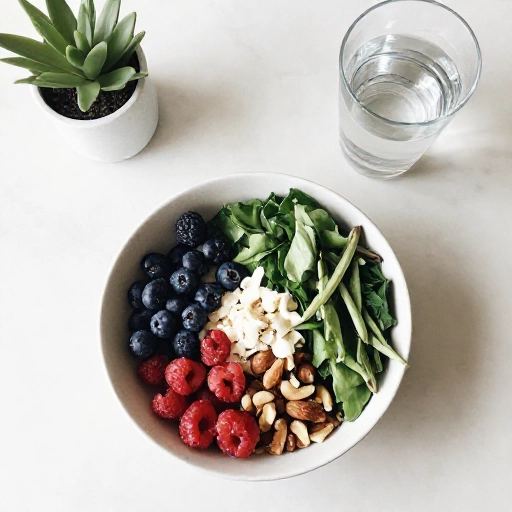
Think about foods rich in healthy fats, like avocados and nuts, and antioxidants, like berries and leafy greens. I try to add blueberries to my breakfast and some walnuts as a snack. It’s not a magic cure, but it’s a solid foundation for overall brain health.
Also, don’t forget hydration. Even mild dehydration can mess with your focus and recall. Keep a water bottle nearby and sip throughout the day. Your brain is mostly water, so keep it topped up.
Conclusion
Struggling with recall is a common challenge, but it’s one you can absolutely improve. It’s not about having a “bad memory”—it’s often about using the right strategies. Start by picking just one or two of these tricks and trying them this week. Small changes can lead to big improvements in your daily mental sharpness.
Remember, be patient with yourself. Your brain is working hard. Give it the attention, sleep, and fuel it needs, and you’ll be amazed at what it can do.
FAQ
Q1: Is it normal to forget things in my 30s and 40s?
Yes, absolutely. It’s very common. This is often called “brain fog” or “normal forgetfulness.” It’s usually linked to stress, lack of sleep, or being over-committed. If it’s affecting your daily life significantly, it’s always worth a chat with your doctor, but occasional forgetfulness is a normal part of life.
Q2: What is the fastest way to remember something I just forgot?
Try to mentally retrace your steps. Think about what you were doing, seeing, or hearing right before you forgot. Often, the context clues will jog your memory. If that doesn’t work, stop trying and do something else for a few minutes. The answer often pops up when you relax.
Q3: Can stress really cause memory problems?
100%. Stress hormones can interfere with your brain’s ability to form and retrieve memories. When you’re stressed, your brain is in “survival mode,” and it’s not prioritizing storing new information. Finding ways to relax, like deep breathing or a short walk, can directly help your memory.
Q4: Are there any specific foods that help with memory?
Foods rich in omega-3 fatty acids (like salmon and walnuts), antioxidants (like blueberries and dark chocolate), and B vitamins (like leafy greens and eggs) are all great for brain health. Think of a colorful plate with healthy fats and lean proteins.
Q5: How long does it take to see improvement from these tricks?
You might notice a difference in a few days, especially with the tricks that involve changing your habits, like repeating names or writing things down. Others, like improving your sleep or diet, might take a couple of weeks to feel the full effect. Be consistent and gentle with yourself.