15 Simple Indoor Dog Bath Setup Ideas Anyone Can Do (Even in Small Spaces!)
If you’ve ever wrestled a soapy pup in a slippery tub, you already know how fast bath time can turn into a wet, chaotic mess. I used to dread washing my dog indoors until I realized the problem wasn’t my dog — it was my setup. A few simple tweaks completely changed the game.
You don’t need a fancy dog wash station or a renovation budget. With everyday items and a little creativity, you can build a calm, safe, and easy indoor bathing area that works for any size dog. These 15 ideas are perfect for apartments, houses, and even laundry rooms with tight corners.
1. Start With a Solid Non-Slip Mat in the Tub
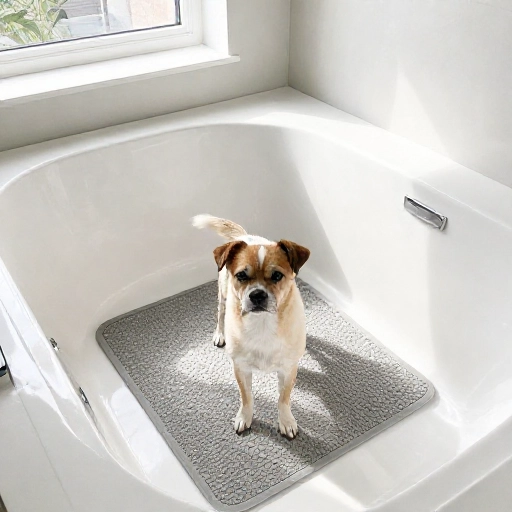
My first mistake was letting my dog stand on a bare porcelain tub. One sudden shake and he slid everywhere, which made him panic. A thick rubber mat or even a folded bath towel instantly gave him better footing and made him feel more secure.
Make sure the mat covers most of the floor area where your dog will stand. If you use a towel, wet it down first so it doesn’t float up or bunch under their paws. This one step prevents 80% of the “I’m outta here” drama.
2. Add a Detachable Shower Head or Faucet Adapter
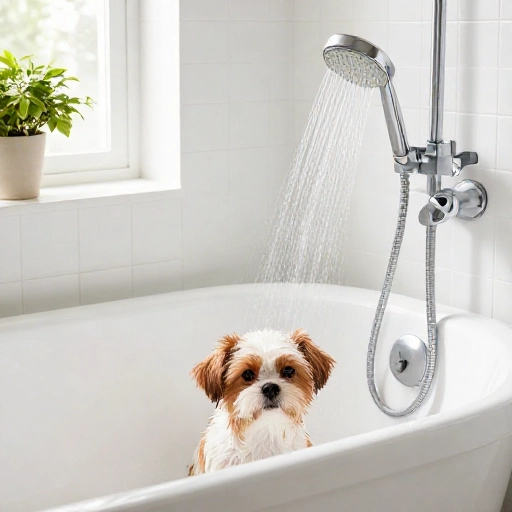
Rinsing with a cup or bucket works in a pinch, but a handheld sprayer is a total lifesaver. I picked up a simple faucet adapter that turns my sink into a gentle sprayer, and now I can control the water flow without terrifying my dog.
Look for low-pressure settings or a “rain” mode if your dog is skittish. Keep the spray close to the skin and move it slowly from back to front. Your dog will thank you for not blasting their ears.
3. Use a Plastic Storage Bin as a Mini Dog Bath for Small Pups
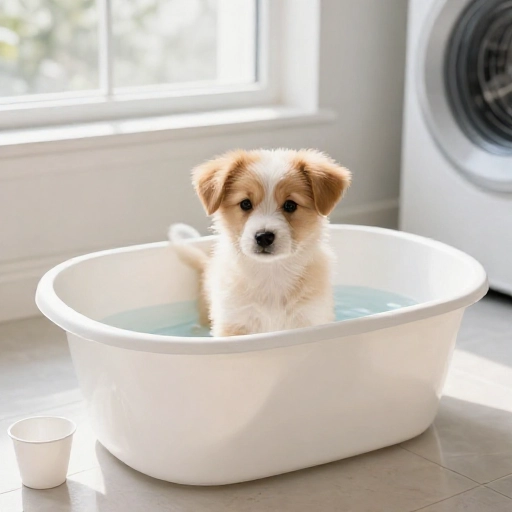
For little dogs under 20 pounds, a sturdy plastic tote or storage bin works better than a full tub. I used a heavy-duty 15-gallon bin for my dachshund, and it kept the water contained while giving her walls to lean against.
Place the bin inside your bathtub or on a non-slip floor mat. Drill a small drain hole near the bottom if you want faster draining, or just scoop the water out with a cup. This setup is also great for puppies who feel overwhelmed in big tubs.
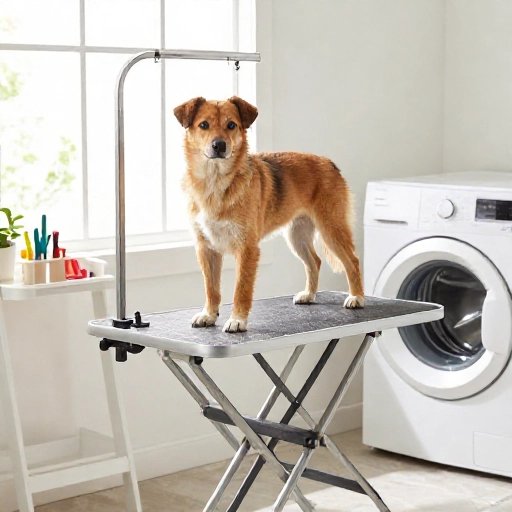
4. Try a Folding Grooming Table in the Laundry Room
If bending over the tub kills your back, a folding grooming table is a game changer. I set mine up in the laundry room with a few towels underneath and a small plastic tub on top for the water.
You can find lightweight, height-adjustable tables that fold flat against the wall when not in use. Add a grooming arm with a loop leash to keep your dog safely in place. This makes washing and drying feel like a spa session instead of a wrestling match.
5. Repurpose a Pump Garden Sprayer for Gentle Rinsing
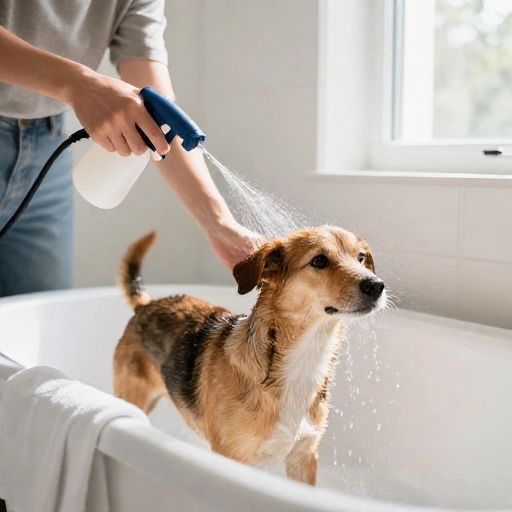
This one sounds odd, but a clean pump sprayer (the kind for garden or cleaning use) gives you amazing water control indoors. I fill it with warm water and use the fine mist setting to rinse shampoo without splashing everywhere.
Because it’s not attached to a hose, you can move around your dog easily, even in a hallway or on a balcony. Just make sure it’s brand new or thoroughly cleaned and never used with chemicals. Warm water only — never hot.
6. Turn a Deep Utility Sink Into a Dog Washing Station
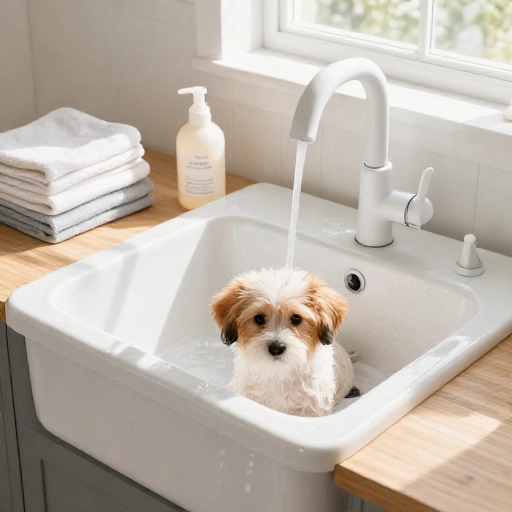
A deep laundry or utility sink is basically a ready-made dog bathtub. I’ve used mine for medium-sized dogs up to about 40 pounds, and the raised height saves my knees. Add a rubber mat in the bottom and a sprayer attachment to the faucet.
If your dog is too big to lift, use a small step stool or ramp and lure them with treats. The high walls help keep water contained, and the drain is already there. This is the lowest-effort setup if you already have a utility sink in your home.
7. Create a Paw-Washing Station by the Back Door
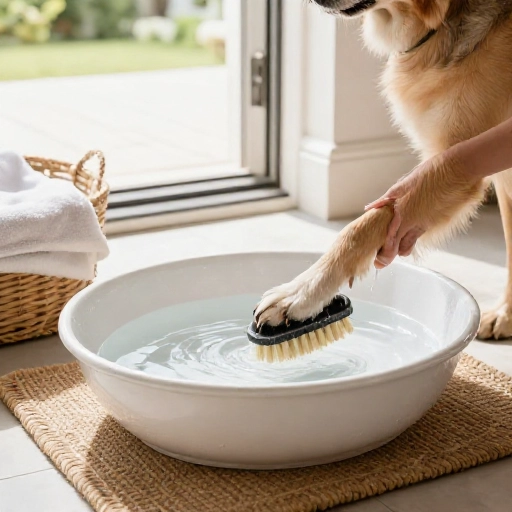
Not every bath needs to be a full soak. I set up a small paw-cleaning station using a shallow plastic tub, a pitcher of warm water, and an old towel right by the back door. After muddy walks, I can clean four paws in under two minutes.
Keep a gentle paw cleanser or just plain warm water handy, plus a second dry towel for wiping. Add a non-slip mat under the tub so it doesn’t slide. This saves your floors and cuts down on full bath frequency dramatically.
8. Use a Baby Bathtub for Puppies and Toy Breeds
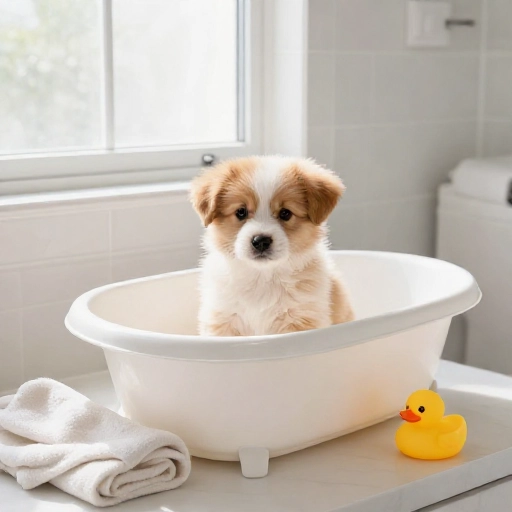
Baby bathtubs are the perfect size for tiny dogs, and many have built-in contours and non-slip bottoms. I used one for my chihuahua mix, and it sat perfectly on the kitchen counter so I didn’t have to kneel.
Fill it with just a few inches of warm water, keep one hand under your pup’s chest, and use a soft cup for rinsing. The raised sides make puppies feel snug and secure, which means less squirming and more trust.
9. Set the Mood With Calming Light and Safe Scents
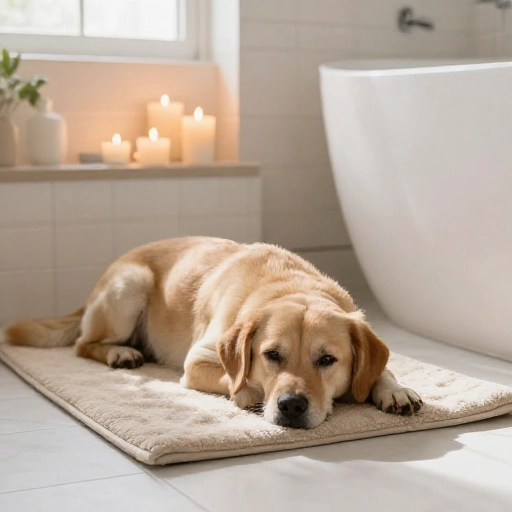
Bath time stress is real, and the right environment helps a lot. I dim the overhead lights and turn on a small warm lamp near the bathing area. Soft lighting slows my dog’s breathing and keeps him from fixating on the water sounds.
If you use any calming scent, choose dog-safe options like lavender or chamomile in a diffuser placed far from the dog’s face. Never use essential oils directly on your dog’s skin. The goal is a calm, quiet atmosphere — no loud music, no sudden movements.
10. Install a Suction Cup Dog Tether in the Tub
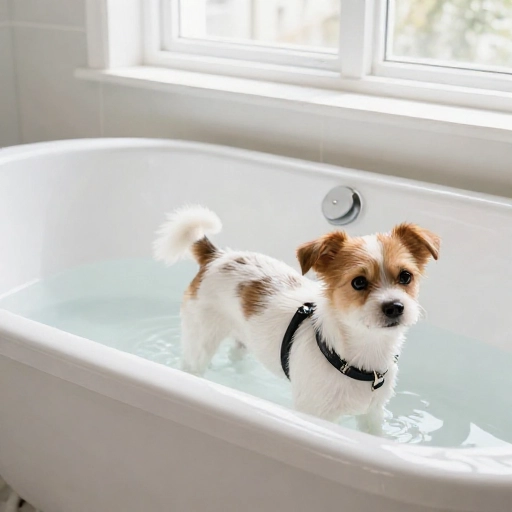
For dogs that try to jump out mid-bath, a simple suction cup tether attached to the tub wall works wonders. I attach a short loop leash to my dog’s harness, not collar, so he stays comfortable but can’t bolt.
Make sure the suction cup is rated for strong hold and is stuck to a clean, smooth tile or fiberglass surface. Test it before bath time. This isn’t about force — it just gives your dog a clear boundary so you can focus on scrubbing.
11. Use a Silicone Grooming Brush Glove for Scrubbing
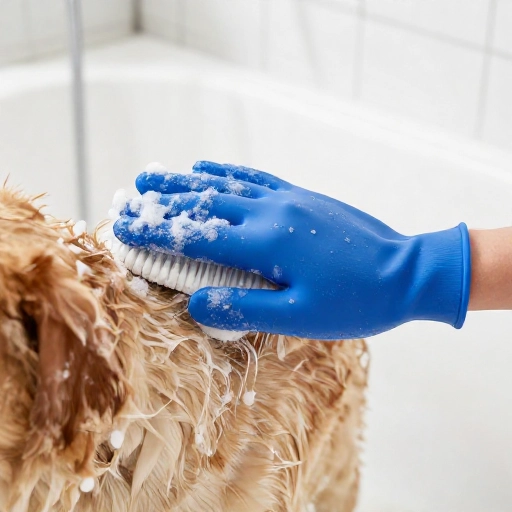
My dog hates the sound of a bottle squirting shampoo directly onto his back. Now I put a small amount of dog shampoo on a silicone brush glove and work it in with slow circular motions. It doubles as a massager, which keeps him much calmer.
The soft silicone nubs also help loosen shedding fur and distribute shampoo evenly without over-lathering. Rinse the glove often and keep a second one dry for post-bath soothing. This turns wash time into a bonding moment instead of a chore.
12. Build a Cozy Drying Station With Microfiber and Low Heat
Drying is half the battle, especially for double-coated dogs. I set up a dedicated drying corner with a thick microfiber towel, a second towel for the floor, and a blow dryer on the lowest heat and speed setting. I never point it directly at the face or ears.
If your dog hates the dryer sound, try a quiet grooming dryer or simply use several absorbent towels and let them air dry in a warm room. The key is to remove excess water immediately so they don’t get chilled or shake water on every wall.
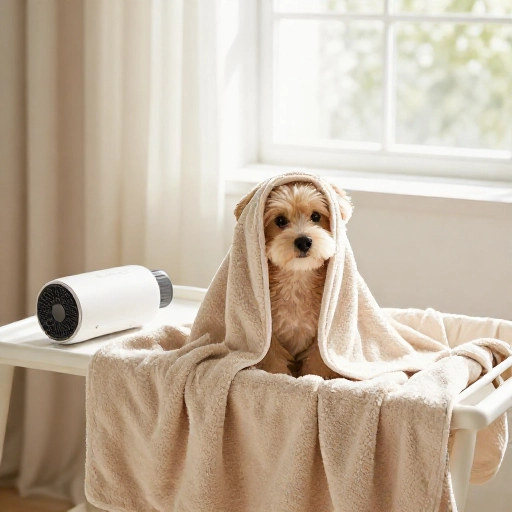
13. Turn a Large Plastic Tote Into a Portable Dog Tub
For bigger dogs that don’t fit in a standard tub or for washing in a room with no tub, a large heavy-duty plastic tote works surprisingly well. I use a 30-gallon tote with high sides, place it on a waterproof tarp, and fill it with just enough warm water.
Because it’s portable, I can wash my dog in the garage, mudroom, or even on a covered porch during mild weather. Just add a non-slip mat inside, and if you want, drill a small hole near the bottom and plug it with a rubber stopper for easy draining.
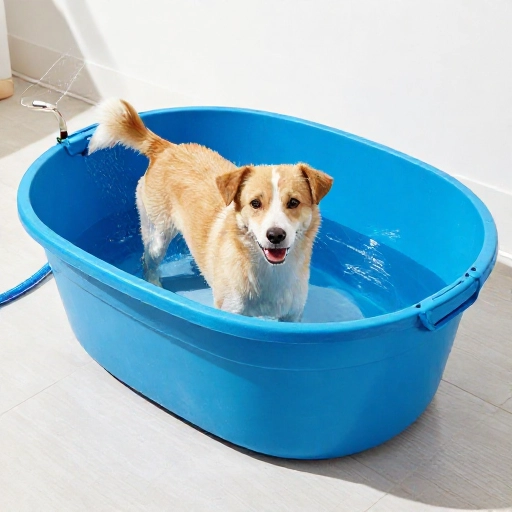
14. Hang a Shower Curtain Liner to Protect Walls and Floor
One of the easiest upgrades is also one of the most overlooked. I hang an extra clear shower curtain liner or a cheap plastic drop cloth around the bathing area, tucking the bottom into the tub or under a mat.
This catches most of the splashes and dog shakes, so you don’t spend 20 minutes wiping down walls and baseboards. I also keep an old beach towel on the floor right outside the tub for immediate paw drying. Less mess means more patience for both of you.
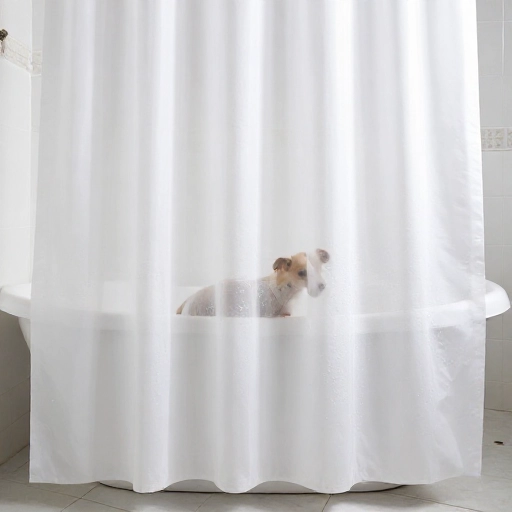
15. Put Together a Grab-and-Go Dog Bath Caddy
You’ve seen shower caddies for humans — why not one for your dog? I use a small plastic basket with handles and keep everything in one place: dog shampoo, conditioner, brush glove, detangling spray, ear-cleaning wipes, cotton balls, and a small cup for rinsing.
Before bath time, I just grab the caddy and set it on the edge of the tub or sink. No more running to the closet with wet hands or realizing mid-rinse that the towel is across the house. This simple habit makes every bath feel smoother and faster.
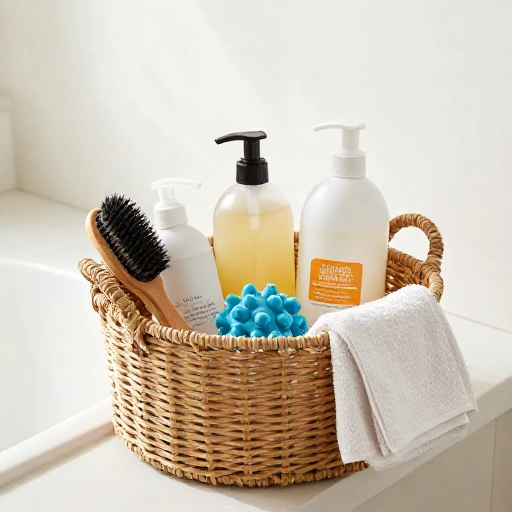
Turn Bath Time Into Bonding Time
Indoor dog baths don’t need to be stressful or messy. With a few of these simple setups, you can create a routine that feels safe, calm, and even enjoyable for your dog. Start with one or two ideas — like a non-slip mat and a caddy — then build from there.
Remember to reward your dog with plenty of treats, speak in a soft voice, and never rush the process. A relaxed dog learns to tolerate baths, and some even grow to love the warm water and extra attention. You’ve got this!
Frequently Asked Questions
Q: How often should I bathe my dog indoors?
Most dogs only need a bath every 4–6 weeks, unless they get into something messy. Over-bathing strips natural oils and can cause dry, itchy skin. Spot clean paws and faces between full baths.
Q: What temperature water is best for dog baths?
Use lukewarm water, around the same temperature you’d use for a baby. Test it on your inner wrist. Water that is too hot or too cold can stress your dog and make bath time scary.
Q: Can I use human shampoo on my dog?
No, human shampoo is too acidic for a dog’s skin and can cause irritation. Always use a gentle, dog-specific shampoo. If your dog has skin allergies, ask your vet for a recommended formula.
Q: My dog shakes and tries to escape during baths. What can I do?
Start with a calm environment, use a non-slip mat, and keep water flow gentle. A tether or helper can prevent jumping. Go slowly, use treats, and keep sessions short. Never scold or force your dog — that only increases fear.
Q: What is the fastest way to dry a dog indoors without a blow dryer?
Use a super-absorbent microfiber towel and press firmly (don’t rub) to soak up water. Then switch to a second dry towel. For thick coats, you can use a grooming towel made for dogs, which holds more water. Keep the room warm and let your dog air dry in a cozy spot.