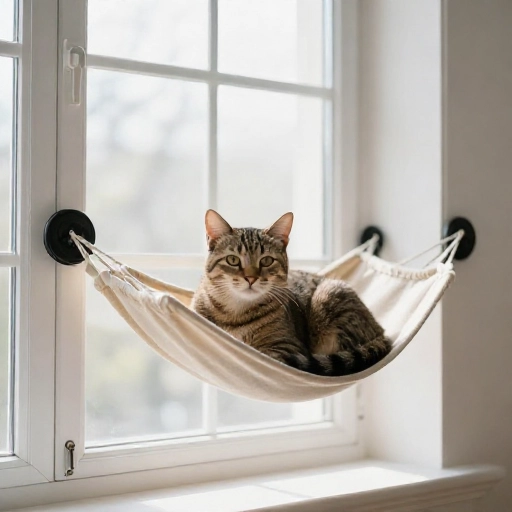
7 Cheap Homemade Cat Food Ideas That Won’t Break the Bank
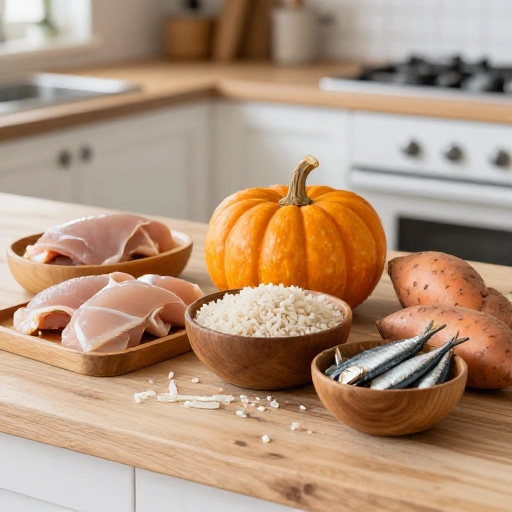
Let’s be real—feeding our cats healthy food can get expensive fast. Those fancy brands? They cost more than my own groceries sometimes. That’s why I started making homemade cat food. It saved me money, and my cat, Whiskers, absolutely loves it.
I’m not a vet, just a cat mom who figured out some budget-friendly tricks. These recipes use simple ingredients you probably already have. They’re easy, quick, and your cat will think you’re a gourmet chef. Ready to save some cash and make your kitty purr?
Here are seven cheap homemade cat food ideas that are both nutritious and affordable. Each one takes less than 20 minutes to prep.
Basic Kitchen Tools You’ll Need
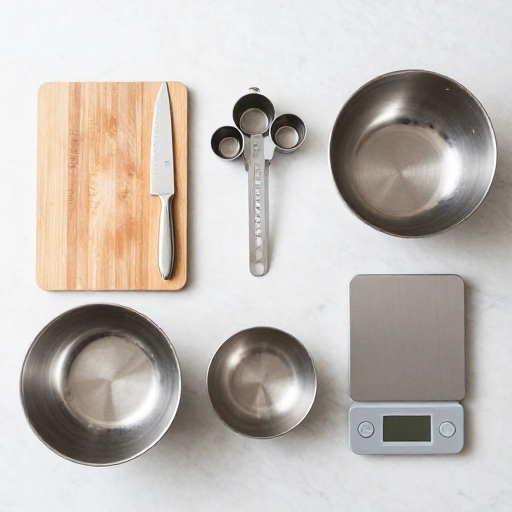
You don’t need fancy equipment. A good cutting board, a sharp knife, and a medium-sized pot will do. I also use a food processor for some recipes—it makes things smoother for picky eaters. A mixing bowl and storage containers (old yogurt tubs work great) are all you really need.
Keep it simple. No blender? Just mash with a fork. Your cat won’t judge.
Recipe 1: Simple Chicken and Rice
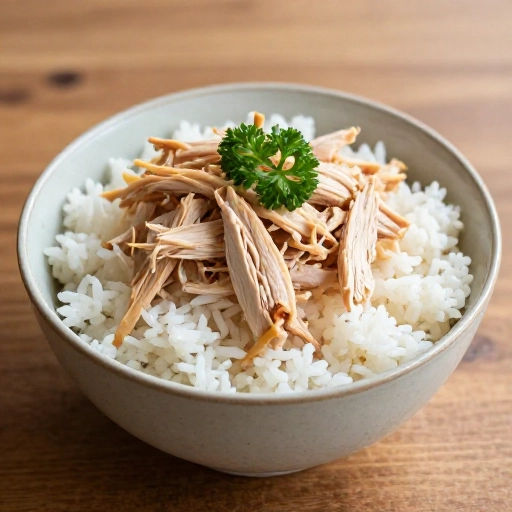
This is my go-to when I’m short on time and money. Chicken thighs are cheaper than breasts and have more flavor. Cook one cup of rice in two cups of water until soft. Meanwhile, boil two boneless, skinless chicken thighs until fully cooked (about 15 minutes).
Shred the chicken with two forks. Mix it with the rice in a 1:1 ratio. Add a splash of the cooking water to make it moist. That’s it. Your cat gets protein and carbs without any weird additives.
Why this recipe: Chicken and rice is gentle on sensitive stomachs. It’s a lifesaver if your cat has an upset tummy or is recovering from being sick. Plus, it costs about $1.50 per batch.
Recipe 2: Tuna and Pumpkin Mash
Canned tuna in water (no salt added) is super cheap. Mix one can (drained) with two tablespoons of plain canned pumpkin—not pumpkin pie filling, just pure pumpkin. Mash it all together until it looks like a pâté.
Pumpkin is magic for cats. It helps with digestion and keeps them regular. Your cat might look at you funny at first, but most go crazy for this combo. I serve it as a treat, not a full meal, because tuna lacks some nutrients.
Why this recipe: It’s the fastest recipe on this list. No cooking required. Perfect for lazy evenings when you forgot to thaw anything.
Recipe 3: Egg and Oatmeal Scramble
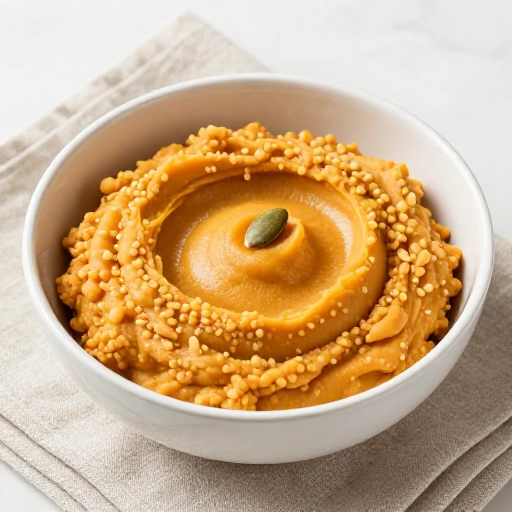
Scramble one egg in a nonstick pan (no oil or butter). Cook it until fully set. Then, cook a quarter cup of rolled oats in water according to package directions. Let both cool completely. Mix them together, breaking up the egg into tiny pieces.
This is a great breakfast alternative. Eggs are cheap and full of protein. Oats add fiber. My cat licks the bowl clean every time. Make sure the oats are plain—no sugar or flavors.
Why this recipe: It uses pantry staples. If you have eggs and oats, you can make this right now. It’s also good for older cats who need softer food.
Recipe 4: Sardine and Sweet Potato Bowl
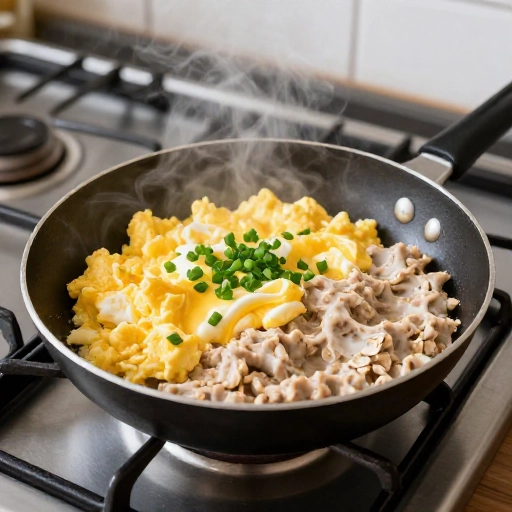
Open a can of sardines packed in water (no salt). Drain them. Boil a small sweet potato until fork-tender—about 10 minutes. Mash the sweet potato and mix it with the sardines. Break the sardines into small pieces so there are no big bones.
Sardines are packed with omega-3s, which are great for your cat’s coat and joints. Sweet potatoes add vitamins. This smells strong, so your cat will probably come running from another room. Serve it in small portions because it’s rich.
Why this recipe: It’s nutrient-dense without being expensive. One can of sardines costs around a dollar and makes several servings.
Recipe 5: Turkey and Carrot Stew
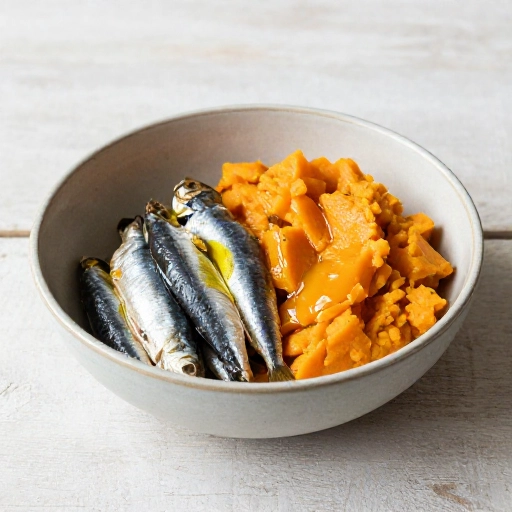
Ground turkey is often on sale. Brown a half pound in a pot. Add one grated carrot and enough water to cover everything. Simmer for 10 minutes until the carrot is soft. Let it cool—turkey holds heat, so be careful.
This stew is hearty and filling. The carrot adds a tiny bit of sweetness and extra vitamins. I sometimes add a pinch of catnip on top as a garnish (they go wild for it). Store leftovers in the fridge for up to three days.
Why this recipe: Turkey is leaner than chicken but just as cheap. This makes a big batch, so you can portion it out for the week.
Recipe 6: Liver and Brown Rice Bites
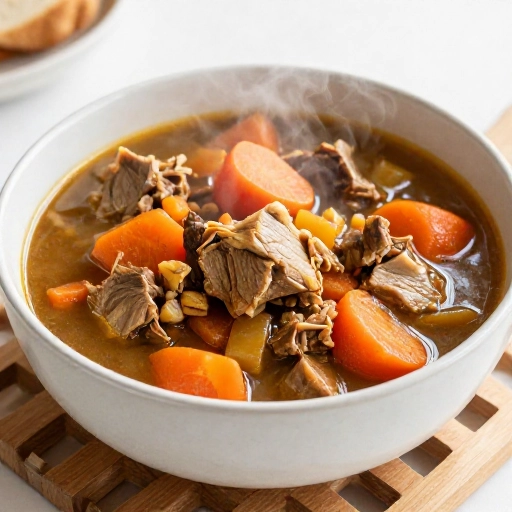
Chicken liver is incredibly cheap—like $1 for a whole container. Cook a quarter cup of brown rice according to package directions. While it cooks, boil a few chicken livers for 5 minutes. Let everything cool, then chop the livers super fine and mix with the rice.
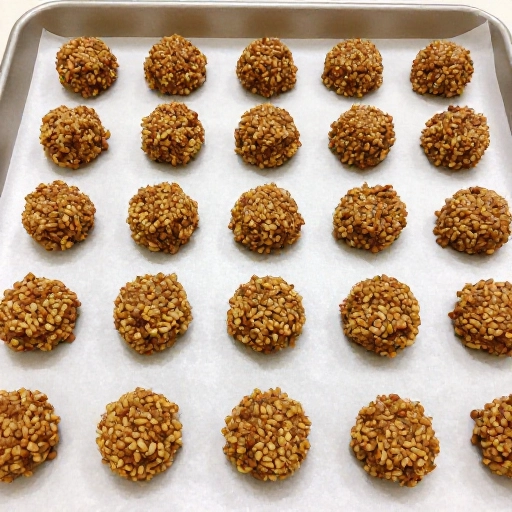
Liver is packed with iron and vitamin A, so don’t feed this every day—just once a week is enough. Roll the mixture into tiny balls if your cat likes to play with food. Mine does.
Why this recipe: It’s a nutrient boost without the price tag of supplements. Liver is nature’s multivitamin for cats.
Recipe 7: Salmon and Zucchini Mash
Canned salmon (again, no salt) is affordable. Drain it and remove any large bones. Steam some zucchini slices until soft—about 5 minutes. Mash both together with a fork. Add a tablespoon of the steaming water if it’s too dry.
Salmon is great for a shiny coat. Zucchini adds moisture without many calories. This is a lighter option for hot summer days. My cat prefers it chilled straight from the fridge.
Why this recipe: It’s low-fat and hydrating. Perfect for cats who need to watch their weight but still want something tasty.
[[IMG:IMG09]]
Important Tips Before You Start
Always consult your vet before switching to homemade food. Cats need certain nutrients—like taurine—that these recipes might lack. I add a cat-safe supplement powder to each batch just to be safe. Also, introduce new foods slowly. Mix a little with their regular food at first.
Store homemade cat food in the fridge for up to 4 days or freeze it for a month. Ice cube trays work great for single servings. And always serve at room temperature—cats hate cold food straight from the fridge.
[[IMG:IMG10]]
Conclusion
Making cat food at home doesn’t have to be complicated or expensive. These seven recipes prove that with a few simple ingredients, you can feed your cat well without emptying your wallet. Start with the easiest one—tuna and pumpkin mash—and see how your cat reacts. Chances are, they’ll thank you with extra purrs and head bumps.
Remember, every cat is different. What works for mine might not work for yours. Be patient, have fun, and enjoy the satisfaction of knowing exactly what’s in your cat’s bowl.
[[IMG:IMG11]]
Frequently Asked Questions
1. Can I feed my cat only homemade food?
Not without adding supplements. Homemade food often lacks taurine and other essential nutrients cats need. Use these recipes as part of a balanced diet, not the only food.
2. How do I know if my cat likes a recipe?
Watch their body language. If they sniff it, walk away, or paw at the bowl, they’re not interested. If they eat it right away and come back for more, you’ve got a winner.
3. Can I use frozen vegetables instead of fresh?
Yes, absolutely. Frozen veggies are often cheaper and just as nutritious. Just thaw them first and make sure they’re plain (no sauces or seasoning).
4. How much homemade food should I give my cat per day?
It depends on your cat’s weight and activity level. A general rule is about 2–3 tablespoons per meal, twice a day. Ask your vet for a specific portion size.
5. What if my cat has allergies?
Stick to single-ingredient recipes first, like plain chicken or plain fish. Watch for any reactions like itching or vomiting. If you’re unsure, a vet can help you figure out what’s safe.
[[IMG:IMG12]]