7 Covered Dog Potty Stations You Can Build (DIY Ideas That Actually Look Good)
Let me guess—you love your dog more than anything, but you’re tired of sprinting outside in the rain at 6 AM. Or maybe you live in an apartment and the balcony grass patch looks like a sad, muddy mess. I get it. I’ve been there, standing in the drizzle holding an umbrella and a poop bag, wondering why I don’t just build something better.
The good news? A covered dog potty station is one of the most practical DIY projects you can tackle. It keeps your pup dry, saves your lawn from those ugly yellow spots, and honestly? It can look pretty darn cute. Whether you’re handy with a saw or just good at following YouTube tutorials, these seven ideas range from “super simple” to “weekend project worthy.” Let’s dig in.
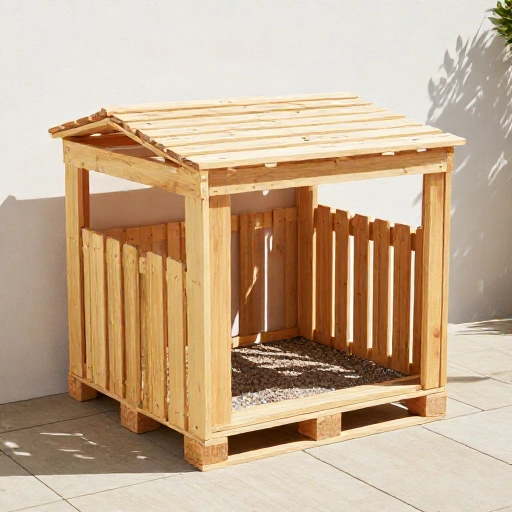
1. The Pallet Wood Patio Potty
If you have old pallets lying around (or can snag them free from a local store), this is your project. Pallet wood has that rustic, farmhouse charm that fits right in with modern backyard aesthetics. You’ll build a simple A-frame roof over a shallow tray filled with pea gravel or artificial turf.
The trick is making sure the frame is tall enough for your dog to stand comfortably. Measure your pup from nose to tail and add a few inches. For the roof, use corrugated plastic panels—they’re lightweight, won’t rust, and let in a bit of soft light.
I love this one because it’s forgiving. If your cuts aren’t perfect, the rough texture of the wood hides mistakes. Plus, it’s cheap. You might spend $20 on screws and hinges.
Just remember to slope the roof slightly so rain runs off the back, not onto your dog’s head. That’s a rookie mistake I almost made.
2. The Lean-To Balcony Station
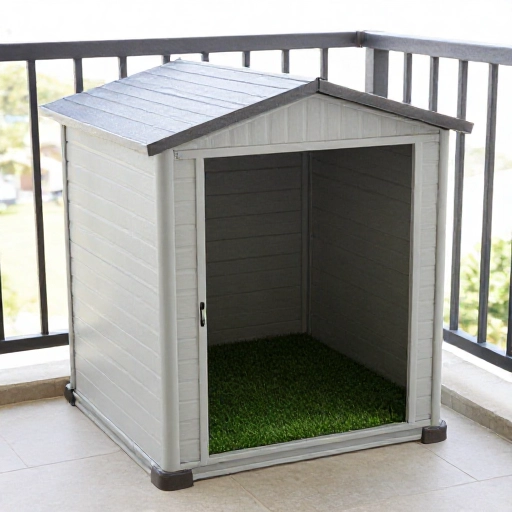
Apartment dwellers, this one’s for you. A lean-to design leans against your balcony railing, taking up barely any floor space. It’s basically a slanted roof propped up by two side panels, with a removable tray underneath.
You can build this in an afternoon using cedar fence pickets. They’re thin, cheap, and naturally rot-resistant. Cut two side triangles, attach the pickets as a sloped roof, and add a simple peg to hold a roll of poop bags.
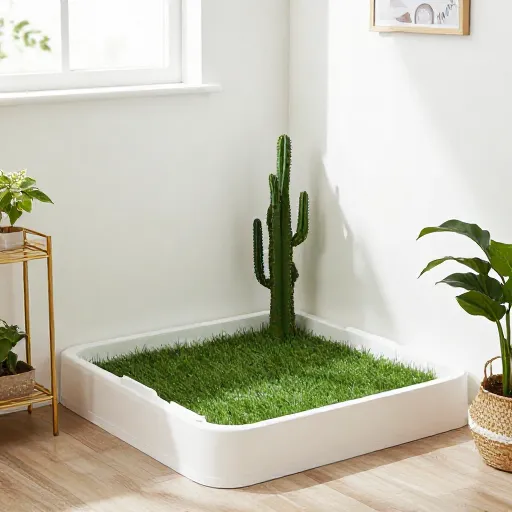
For the base, use a boot tray or a shallow plastic litter box. Fill it with washable pee pads or a piece of synthetic turf that you can hose down. The lean-to angle means your dog gets full coverage even during a sideways rainstorm.
Pro tip: Paint the outside with a weatherproof sealant that matches your balcony railing. It’ll look intentional, not like a dog crate.
3. The Repurposed Garden Shed Mini
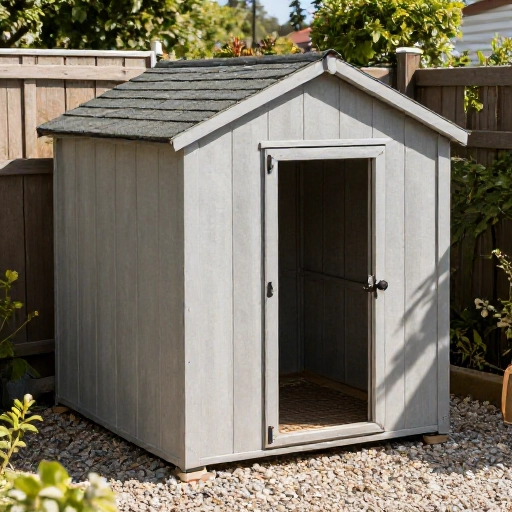
Do you have an old wooden crate, a small garden shed, or even a large dog house that’s too small now? Turn it into a potty station. This is the ultimate upcycle. You’re basically creating a little “bathroom hut” with a wide opening at the front.
Take the existing structure, cut the front panel down to about knee height, and add a hinged flap or a bead curtain for privacy (yes, dogs don’t care, but it looks cute). Place a heavy-duty plastic tray inside filled with turf or sand.
The key here is ventilation. Dogs have sensitive noses, so you need airflow. Cut small louvered vents near the top or leave the back open if the structure is against a fence.
This is my favorite for bigger dogs because it feels more like a room than a crate. My lab loves having a little “house” to do her business in when it’s pouring.
4. The Cedar Pergola Potty
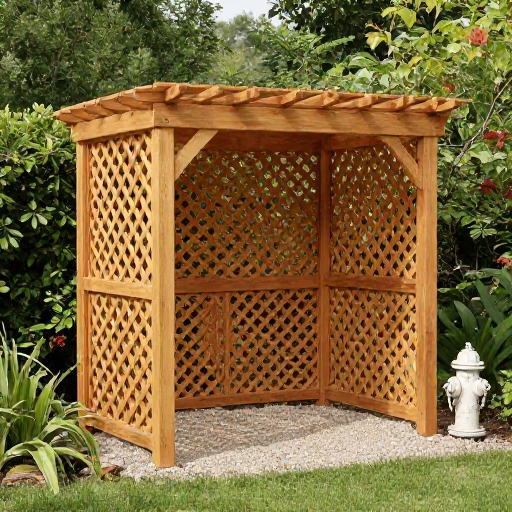
If you want something that looks like a Pinterest dream, build a mini pergola. This is a bit more advanced, but the result is stunning. You’re essentially building a four-post structure with an open slatted roof. It provides shade and light rain coverage without feeling enclosed.
Use cedar 4×4 posts for the corners and 2×2 slats across the top. The open design lets sunlight filter through, which helps dry the potty area faster. It also gives your dog a sense of openness, which some anxious pups prefer.
For the base, dig a shallow gravel pit or use a large concrete mixing tub. The gravel drains well and won’t hold odors like turf can. Add a small decorative fence on two sides for a polished look.
This one takes a full weekend and a level. But every time you look out the window, you’ll smile. It’s more garden feature than dog accessory.
5. The Fence-Mounted Fold-Down Station
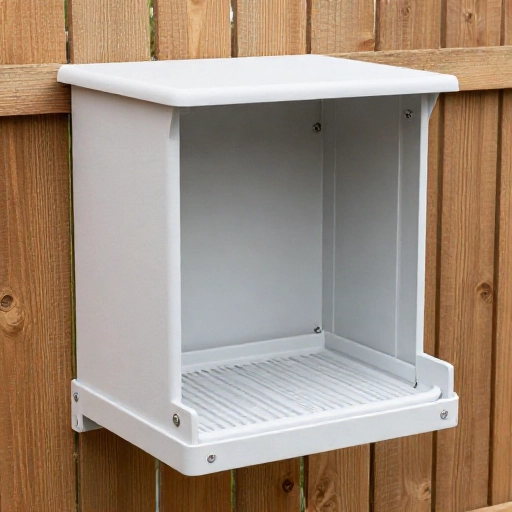
Got a solid fence? Build a fold-down station that attaches directly to it. This is genius for tiny yards. You mount a hinged wooden box to the fence, with a slanted roof that folds down flat when not in use.
When you need it, you flip it down, and it creates a little covered nook against the fence. Inside, there’s a tray with artificial grass. When it’s not needed, flip it up and it looks like a decorative wall planter (minus the plants).
Use heavy-duty galvanized hinges and a latch to keep it secure. The roof should extend about 18 inches out from the fence to give decent coverage.
This is perfect for small dogs or as a backup for rainy days. It also keeps the potty area out of sight when guests come over.
6. The Minimalist PVC Frame with Tarp
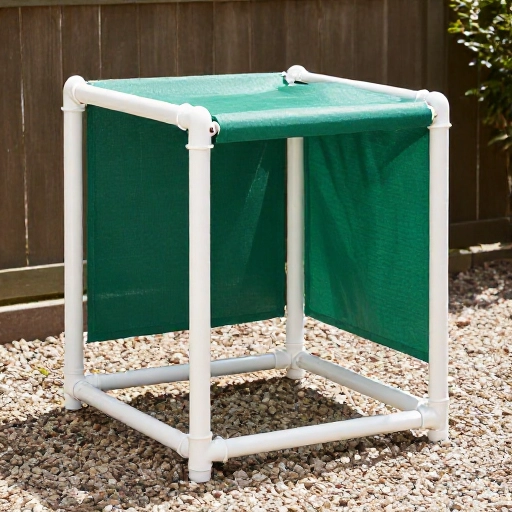
Let’s be real—not everyone wants a woodworking project. If you want something functional, fast, and cheap, grab some PVC pipes and a heavy-duty tarp. This is the “college dorm” version of a potty station, but it works.
Build a simple rectangular frame with PVC elbows and T-connectors. Drape a tarp over the top and secure it with zip ties. You can even make it collapsible for winter storage.
The downside is aesthetics. It’s not pretty. But you can spray-paint the PVC to match your deck, and use a tan or green tarp instead of blue. It’ll blend in better.
This is also great for travel. Take it apart, throw it in the trunk, and set it up at a campsite or a family member’s house. Your dog will appreciate the familiar spot.
7. The Built-In Deck Planter Box
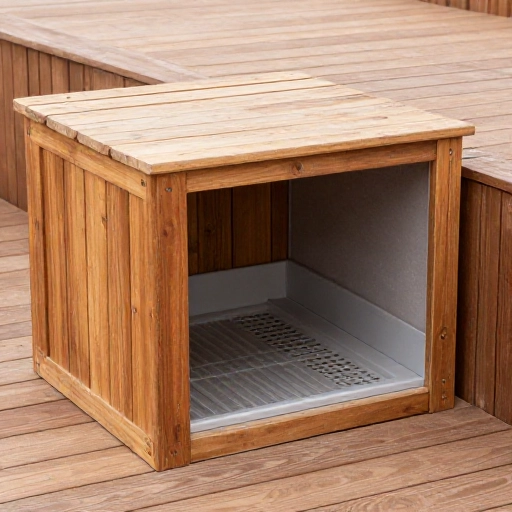
Last but not least, this one’s for the woodworking pros. If you have a raised deck, you can build a permanent potty station that integrates into the structure. It’s basically a wooden box built into the deck floor, with a hinged lid that covers the potty area when not in use.
Cut a rectangular hole in your deck (check for support beams first!), frame it out, and drop in a deep plastic liner. Fill it with drainage gravel and a layer of sod or turf. The hinged lid sits flush with the deck when closed, so you’d never know it’s there.
This is the ultimate “stealth” solution. It keeps the yard looking perfect, and the smell is contained under the lid. You’ll need to flush it occasionally with a hose to keep the gravel clean.
It’s a big job, but if you’re handy, this is the permanent fix you’ll never regret. Just make sure the lid has a handle that’s easy for you to grab, even with a poo bag in your other hand.
Wrapping It Up
Building a covered potty station isn’t just about convenience—it’s about giving your dog a safe, dry spot that keeps your home cleaner and your sanity intact. Start with the simplest design that fits your space and skill level. You can always upgrade later.
Remember to measure twice, cut once, and always use weatherproof materials. And don’t forget the poop bag holder. Future-you will be very grateful.
Frequently Asked Questions
1. What is the best material for a dog potty station?
Pressure-treated wood or cedar is best for the frame because they resist rot and insects. For the base, use plastic or galvanized metal trays—they’re easy to clean and won’t rust.
2. How often do I need to change the artificial turf?
It depends on usage. I recommend hosing it down daily and deep cleaning with a vinegar-water solution weekly. Replace the turf every 6–12 months depending on wear and tear.
3. Can I use sand instead of grass?
Yes, sand drains well and is easy to sift for solid waste. Just be aware that some dogs might try to dig in it. Mix a little soil on top to discourage digging.
4. Will this work for small puppies?
Absolutely. In fact, it’s great for potty training during bad weather. Just make sure the sides are low enough for them to step over easily. You can raise the sides as they grow.
5. How do I stop the smell from building up?
Baking soda is your best friend. Sprinkle it over the turf or gravel every few days. Also, make sure your station has good airflow—that’s why most designs have open fronts or slatted roofs.