10 Husky Puppy Training Tips for High-Energy Dogs
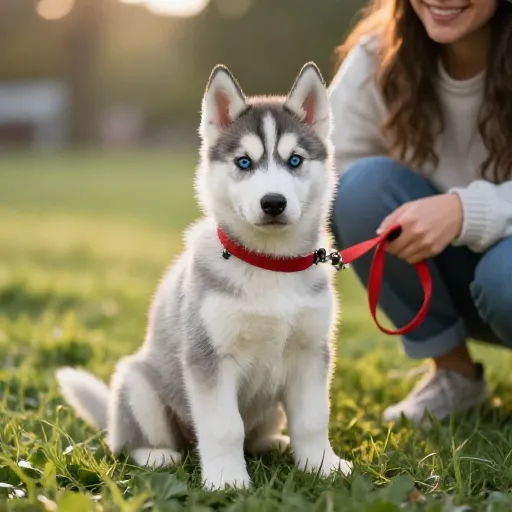
Bringing home a husky puppy is like adopting a tiny, fluffy tornado. They are gorgeous, hilarious, and full of personality—but they also come with an endless battery that can leave you exhausted. Huskies were bred to pull sleds across frozen tundra, so their energy levels are no joke. You can’t just tire them out with a walk around the block; they need a job, a plan, and a lot of patience.
I have been there, staring at my own fluffy chaos machine as he chewed through his third pair of shoes. The good news? With the right training tricks, you can turn that stubborn, high-octane puppy into the best adventure buddy you’ve ever had. It’s not about breaking their spirit—it’s about channeling that fire into something productive. Here are the ten tips that actually worked for me and my pack.
1. Start with the “Nothing in Life is Free” Rule
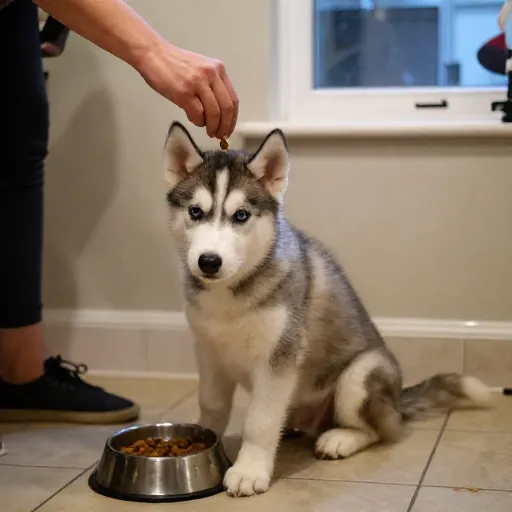
Huskies are smart, but they are also stubborn. If they think they can get what they want without listening, they will. The easiest way to establish respect is to make them work for everything. Before you put down their food bowl, ask for a “sit.” Before you open the door to go outside, ask for a “down.”
This isn’t about being bossy; it’s about creating a pattern. They learn that good things happen when they pay attention to you. It takes about three days for them to catch on, but once they do, you’ll notice they look to you for direction more often. You become the gatekeeper of all the fun stuff, which is exactly where you want to be.
Keep the commands simple at first. “Sit” and “wait” are your best friends here. Don’t move on to complex tricks until they’ve mastered the basics of earning their rewards.
2. Master the Art of the “Settle” Command
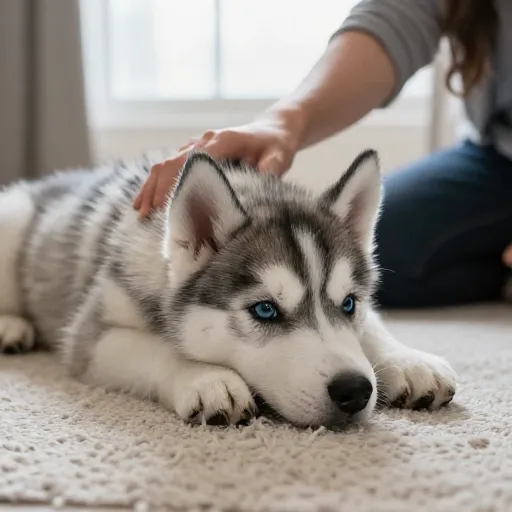
High-energy puppies don’t know how to turn off. They get overtired and turn into little gremlins, nipping and zooming around the living room. You need to teach them an “off switch.” This is different from “down.” “Settle” means: relax your body, stop moving, and just be calm.
Start by capturing the moment they are naturally calm. Toss a treat on the floor when they are lying quietly. Say “yes” the second they stop moving. Do this repeatedly, and they will start offering the behavior on their own. It’s like teaching them to meditate.
Eventually, you can add the cue word right as they are lying down. This is a lifesaver for those rainy days when you can’t burn off all the energy outside. It gives them a way to cope with boredom that isn’t destructive.
3. Use Your “Food Dispenser” During Meals
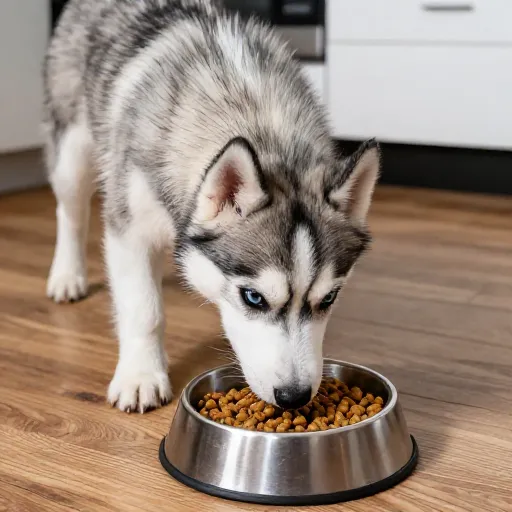
Forget the regular bowl for a while. A husky puppy needs mental stimulation just as much as physical exercise. A bored husky is a destructive husky. That’s where puzzle toys and snuffle mats come in. Instead of dumping their kibble in a bowl, scatter it in the grass, stuff it in a Kong, or hide it around the house for a scavenger hunt.
This turns mealtime into a game. It uses their natural foraging instincts and wears them out mentally. Ten minutes of sniffing and problem-solving can be more tiring than a thirty-minute walk. It also slows down their eating, which is better for their digestion.
I like to keep three or four different puzzle feeders and rotate them. This keeps things novel. If they get bored with one, they will just look at you like you’ve failed them. Variety is key for a smart breed.
4. Teach Loose-Leash Walking Early
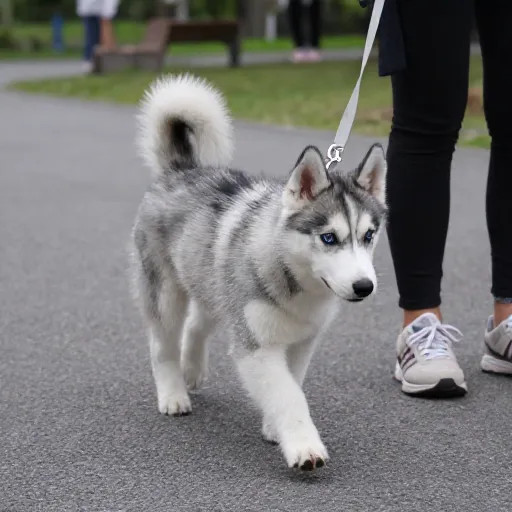
Huskies are pullers. It’s in their DNA. If you don’t address it as a puppy, you will end up being dragged down the street by a sled dog. You need to teach them that pulling gets them nowhere, but walking nicely gets them everywhere. Start in a low-distraction area, like your living room or backyard.
Every time your puppy pulls on the leash, stop moving. Don’t yank, just stop. Wait for them to look back at you and give the leash some slack. Then, reward them with a treat and keep moving. This teaches them that pressure on the collar means “stop,” not “go faster.”
Be consistent. This is a slow process, and it will feel like you are a statue in the park. But I promise, the more you stop, the faster they learn. Pair this with a front-clip harness to make it easier on your shoulders.
5. Crate Train for “Nap Time”
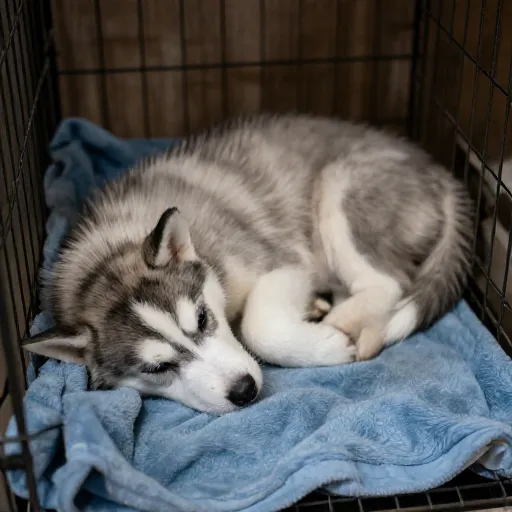
The crate is not a prison; it’s a safe den. Huskies need a place to decompress away from the chaos of the house. If you use the crate correctly, they will choose to go in there on their own to sleep. It also prevents them from getting into trouble when you can’t watch them.
Make the crate amazing. Feed them their meals in there. Toss in high-value treats randomly. Never use it as a punishment. When they are over-tired, they will go in there and crash. It’s the best way to prevent the “witching hour” zoomies at 8 PM.
Start with short sessions while you are home. Put them in for ten minutes while you watch TV. Then let them out when they are calm. This builds a positive association and prevents separation anxiety later on.
6. Use “Time Outs” for Biting and Nipping
Puppy teeth are like tiny needles. Huskies are mouthy, and they will try to grab your hands, your pants, and your sleeves. You need to teach them that biting ends all fun immediately. The second you feel teeth on your skin, let out a high-pitched yelp—this mimics what their littermates would do.
If the yelp doesn’t work, stand up, turn your back, and ignore them for 30 seconds. If that still doesn’t work, put them in a boring time-out area (like a bathroom or a playpen) for two minutes. This is not the crate; it’s a neutral space.
The key is consistency. If you let them bite sometimes and not others, they will be confused. Be a broken record. Every single time, stop the play. They will learn quickly that soft mouths mean the fun continues.

7. Make “Come” the Most Rewarding Command
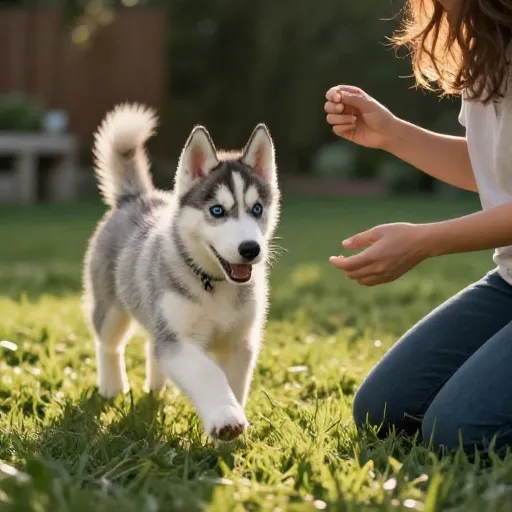
Huskies have a notorious recall problem. They are escape artists and will chase a squirrel into the next county without a second thought. You have to make coming back to you more fun than anything else in the world. Use unbelievably high-value treats, like tiny bits of chicken or cheese, but only for this command.
Play the “recall game” inside the house. Run away from them, call their name, and when they catch you, throw a party. Make it a chase game. You want them to think that coming to you is the best game ever invented.
Never call them to you to scold them. Even if they just chewed your favorite rug, if they come when called, praise them first. You can deal with the rug later. If you punish them for coming, they will stop coming.
8. Give Them a “Job” to Do
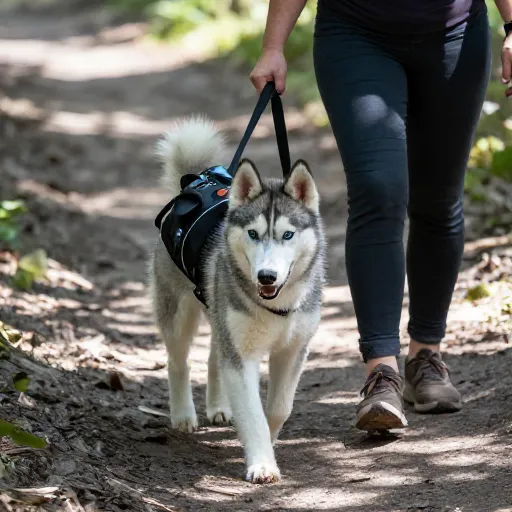
Remember, these are working dogs. They need a purpose. If you don’t give them a job, they will invent one, and you probably won’t like it. A “job” can be as simple as carrying a backpack on a hike, pulling a small cart, or simply having a “sit” before every single doorway.
Give them a specific toy that they are allowed to carry around. Some huskies love having a “security baby” that they bring from room to room. This satisfies their need to hold something in their mouth.
You can also train them to find hidden objects or scents. This tires their brain out like crazy. A tired brain is a happy husky, and a happy husky doesn’t dig holes in your garden.
9. Don’t Skip the “Lick Mat” After Exercise
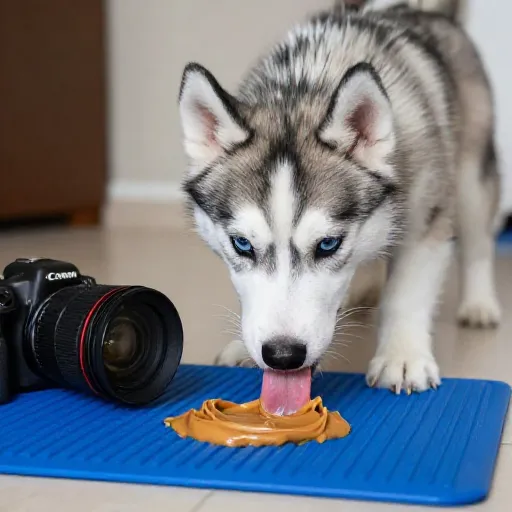
After a long run or a hard play session, your husky needs a way to cool down. Licking is a calming behavior for dogs. It releases endorphins and lowers their heart rate. A lick mat with frozen peanut butter or yogurt is the perfect way to end a training session.
Spread a thin layer of dog-safe peanut butter (make sure it has no xylitol) on the mat, freeze it for an hour, and then give it to them. This forces them to slow down and focus on licking. It’s like a spa day for your puppy.
This is also a great tool for bath time or nail trims. It gives them something positive to focus on while you do the necessary grooming. It turns a stressful event into a tasty treat.
10. Stick to a Strict Schedule
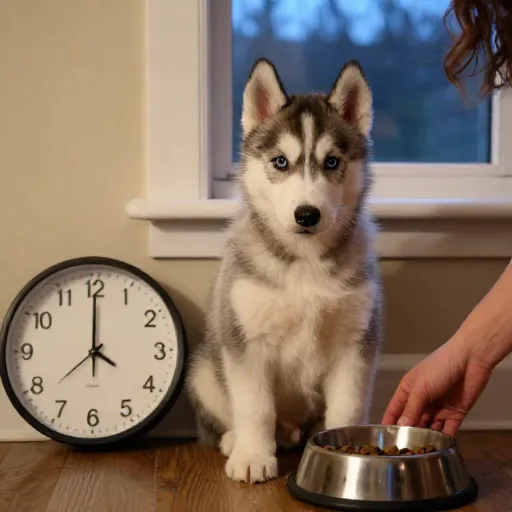
High-energy dogs thrive on predictability. When they know what comes next, they are less anxious. Set a schedule for feeding, walking, training, and napping. You want to burn their energy before they get overtired, not after. A tired puppy is a grumpy puppy.
Plan your day around their energy peaks. A quick potty break at 7 AM, a big walk at 9 AM, then a nap at 10:30 AM. Stick to this for a few weeks, and your puppy will start to settle down on their own when the scheduled nap time arrives.
This schedule also helps with housebreaking. They will learn to hold their bladder because they know exactly when the next bathroom break is coming. It’s all about building trust and security.
Final Thoughts
Raising a husky puppy is a marathon, not a sprint. There will be days when you feel like you’re losing your mind. They will test your patience, and they will definitely test your boundaries. But remember, they are not giving you a hard time; they are having a hard time. They are just a baby in a big, confusing world.
Be patient, be consistent, and use the tips above. The bond you build with a husky is unlike any other. They are loyal, funny, and fiercely loving. The effort you put in now will pay off in years of incredible adventures with the best hiking partner you could ever ask for.
FAQ
Q: At what age do huskies calm down?
Generally, huskies start to settle down around 2 to 3 years old. They will still be high-energy, but their puppy craziness will taper off. They become more manageable and less destructive as they mature.
Q: How much exercise does a husky puppy need?
Instead of focusing on distance, focus on duration. A good rule of thumb is 5 minutes of structured exercise per month of age, twice a day. But remember, mental exercise is just as important as physical. Don’t overdo the running until they are fully grown to protect their joints.
Q: Are huskies hard to potty train?
They can be stubborn, but they are smart. The key is consistency and a strict schedule. Take them out every hour, reward heavily for going outside, and never punish accidents. They respond much better to positive reinforcement than to scolding.
Q: My husky puppy won’t stop howling. Is this normal?
Yes, huskies don’t bark much; they howl. It’s their way of communicating. They will do it when they are lonely, bored, or excited. If it becomes excessive, it usually means they need more exercise or mental stimulation.
Q: Do huskies ever get tired?
Yes, but they have two modes: “go” and “sleep.” They don’t have a “chill” mode like other dogs. They will run until they drop. It is your job to enforce rest time and teach them how to settle down so they don’t run themselves into exhaustion.