10 Things to Avoid With a Senior Dog
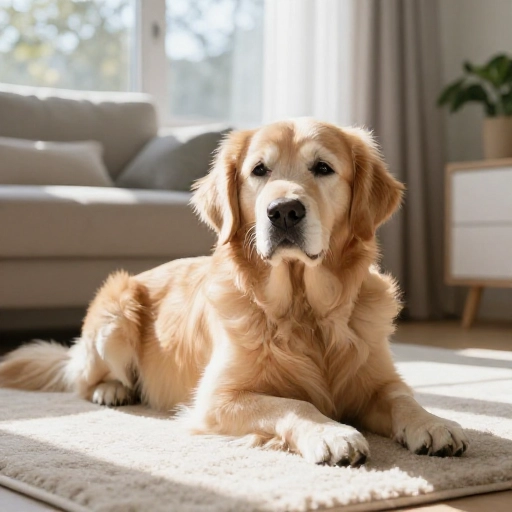
Watching your best friend grow older is a bittersweet experience. Those gray muzzles and slower steps remind us how precious our time together really is. I remember the exact moment I realized my golden retriever, Gus, was no longer a puppy. He struggled to jump onto the couch and looked at me with those confused, tired eyes. It broke my heart, but it also pushed me to learn everything I could about caring for an aging dog.
The truth is, senior dogs have very different needs than their younger selves. What used to be fine can actually cause them discomfort or harm. We want to give them the best golden years possible, and that often means unlearning some old habits. Here are ten things I’ve learned to avoid with a senior dog, based on vet advice and real experience.
1. Ignoring Subtle Changes in Behavior
Senior dogs are masters at hiding pain. It’s an instinct from their wild ancestors. That means a small change, like sleeping in a new spot or hesitating before eating, can be a big deal. I used to think Gus was just being stubborn when he didn’t want to go for walks. It turns out his hips were bothering him.
Don’t brush off changes as “just getting old.” Pay attention to shifts in appetite, bathroom habits, or how they interact with you. A vet check-up is always better than waiting and hoping it gets better on its own.
- Watch for limping, stiffness, or trouble standing up.
- Note any increase in thirst or accidents in the house.
- Look for signs of confusion, like getting stuck in corners.
2. Skipping Regular Vet Visits
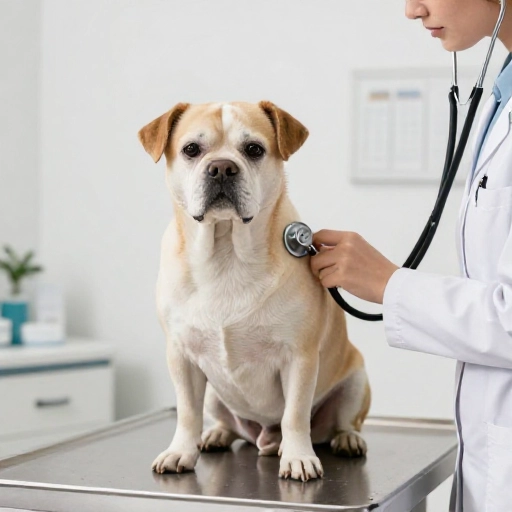
It’s tempting to avoid the vet, especially if your dog seems fine. But for senior dogs, a yearly checkup isn’t enough. Their bodies change fast, and many health issues are silent. I started taking Gus every six months, and that’s how we caught a thyroid problem early.
These visits aren’t just for shots. They include blood work, dental checks, and weight monitoring. Think of it as preventive maintenance. A small issue caught now is much easier to handle than a big crisis later. Your vet is your partner in keeping your dog comfortable.
3. Feeding the Same Food as Always
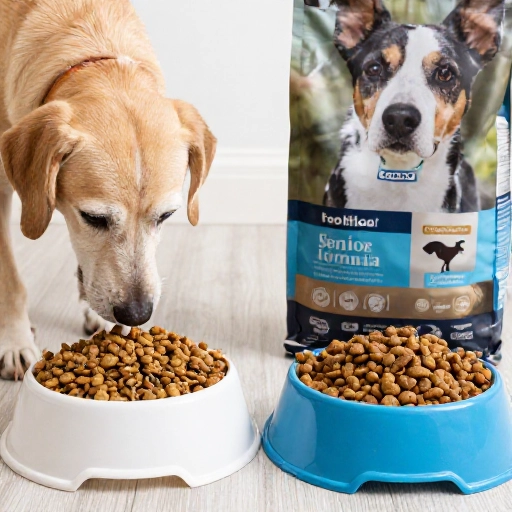
That bag of kibble your dog ate for years might not be the best choice now. Senior dogs need different nutrients. They often need fewer calories (because they move less) but more high-quality protein to maintain muscle. I switched Gus to a senior formula, and his energy levels improved noticeably.
Don’t just guess, though. Talk to your vet about the right diet. Some dogs need joint supplements, others need food for sensitive stomachs. Avoid cheap fillers like corn and soy. Look for real meat and healthy fats. A good diet is the foundation of a happy senior life.
4. Forcing Long or Strenuous Walks
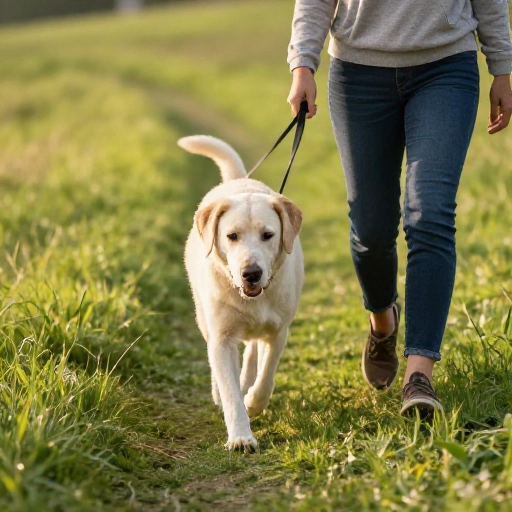
I used to believe a tired dog was a happy dog. But pushing a senior dog on a long hike can cause joint pain and exhaustion. I learned this the hard way when Gus limped for two days after a walk he used to love. Now, we do shorter, slower walks that let him sniff and explore.
Let your dog set the pace. If they stop, let them rest. If they want to turn back, listen. A 15-minute sniff walk is often more enriching than a mile-long forced march. The goal is gentle movement, not exercise goals. Watch for heavy panting or lagging behind.
5. Using Harsh Training or Scolding
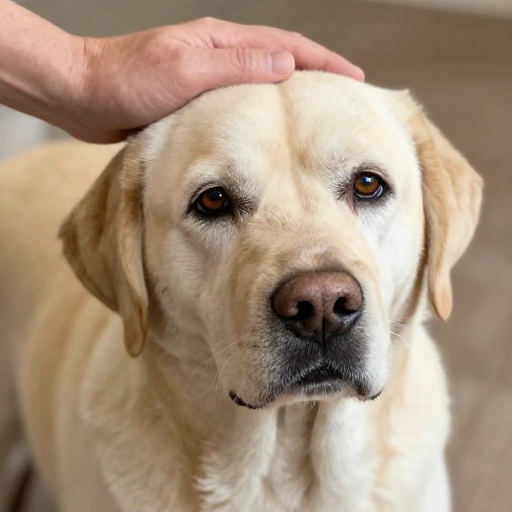
Older dogs can lose their hearing, eyesight, or cognitive sharpness. If they have an accident or ignore a command, it’s usually not defiance. It’s confusion. Scolding them will only create anxiety and stress. I remember snapping at Gus for peeing inside, and he just looked so scared and sad. I felt terrible.
Patience is everything. If they don’t respond, check their hearing first. Use hand signals if needed. Clean accidents without fuss. Focus on positive reinforcement and gentle guidance. Your dog isn’t trying to upset you. They need your support now more than ever.
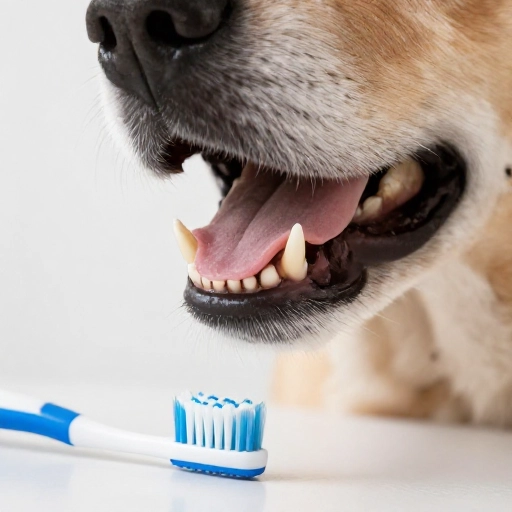
6. Neglecting Dental Care
Bad breath is not normal. It’s a sign of dental disease, which is extremely common in senior dogs. Infected teeth and gums don’t just hurt; they can affect the heart, kidneys, and liver. I ignored Gus’s stinky breath for months, thinking it was just a dog thing. A dental cleaning changed his whole mood.
You don’t need to do a full brushing every day if that’s too hard. Try dental wipes, water additives, or special chews approved by your vet. The key is consistency. Even a little effort helps prevent pain and serious infections. A healthy mouth means a happier dog.
7. Making the Home Unsafe
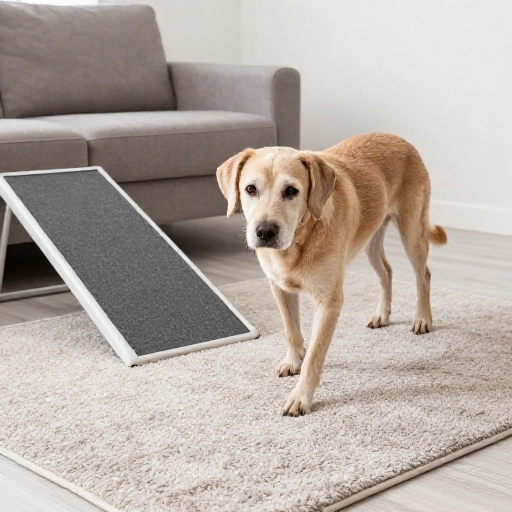
Your house can become a obstacle course for a senior dog. Slippery floors are a huge risk. I watched Gus’s legs slide out from under him on our hardwood floors, and it scared us both. Now we have cheap rugs and runners in all his favorite spots. It made a world of difference.
Think about other hazards too. Block off stairs if your dog struggles with them. Use baby gates to prevent falls. Keep their bed, water bowl, and food station on one level. Make sure they have a soft, supportive bed that’s easy to get in and out of. Little changes prevent big injuries.
8. Keeping Them Isolated
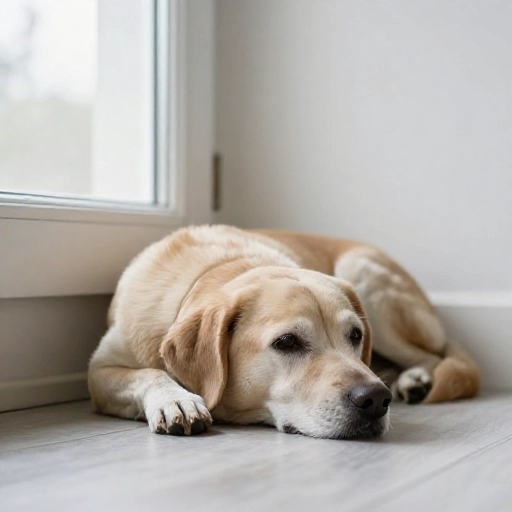
Senior dogs can get lonely. If you have a busy schedule or other pets that ignore them, they can become depressed. I noticed Gus started sleeping all day and losing interest in treats. He seemed so disconnected. I made a point to spend quiet time with him, just sitting on the floor.
Include them in family activities, even if they just lie nearby. Talk to them gently. Give them gentle massages. Let them sniff new things in the yard. Mental stimulation is just as important as physical comfort. Your presence is the best medicine for their spirit.
9. Overdoing Supplements Without a Vet
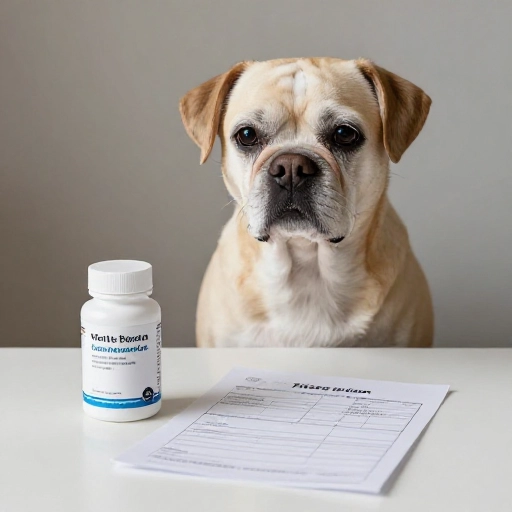
It’s natural to want to give your dog every joint supplement on the shelf. But more isn’t always better. Some supplements can interfere with medications or cause stomach upset. I once gave Gus a popular joint chew, and it gave him diarrhea for three days. We had to stop everything and start over.
Always run supplements by your vet first. They can recommend the right type and dosage. Common safe options include glucosamine, chondroitin, and omega-3s. But quality matters. Cheap products often have ineffective ingredients. A targeted, vet-approved approach is safer than a shotgun approach.
10. Forgetting to Adapt Playtime
Games you used to play may now be too rough. Tug-of-war can hurt sore necks or teeth. Fetch on hard surfaces can jar their joints. I had to stop throwing the ball for Gus because he would slide and crash. Instead, we found new games that were gentle but still fun.
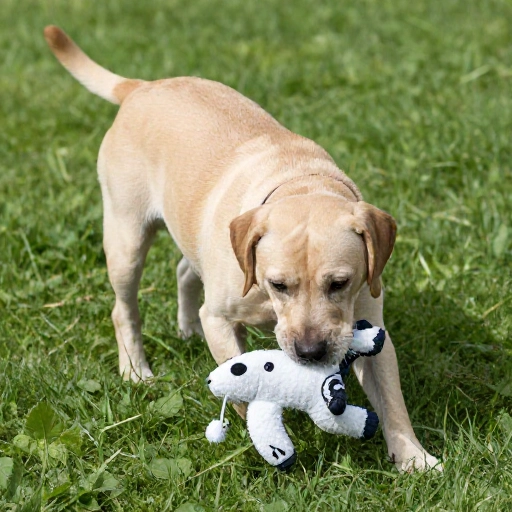
Try nose work games, like hiding treats in a towel. Use soft, plush toys for gentle tugging. Do short, slow games of fetch on grass. The point is connection, not competition. Your dog still wants to play with you. They just need you to change the rules a little.
Conclusion
Caring for a senior dog is a labor of love. It asks us to slow down, pay attention, and adapt. Every gray hair and slow step is a reminder of all the years of joy they’ve given us. The goal isn’t to make them young again. It’s to make their final chapters comfortable, dignified, and full of love. By avoiding these common mistakes, you can help your best friend feel safe and happy. Treasure every quiet moment together.
Frequently Asked Questions
1. How do I know if my senior dog is in pain?
Watch for subtle signs like limping, whining, restlessness, or changes in appetite. They might avoid stairs, have trouble lying down, or seem more withdrawn. If you suspect pain, visit your vet for a full evaluation.
2. What is the best bed for an older dog?
Look for an orthopedic bed with thick memory foam. It should be large enough for them to stretch out but have raised edges for head support. A low profile makes it easier for them to get in and out.
3. Should I stop letting my senior dog sleep in my bed?
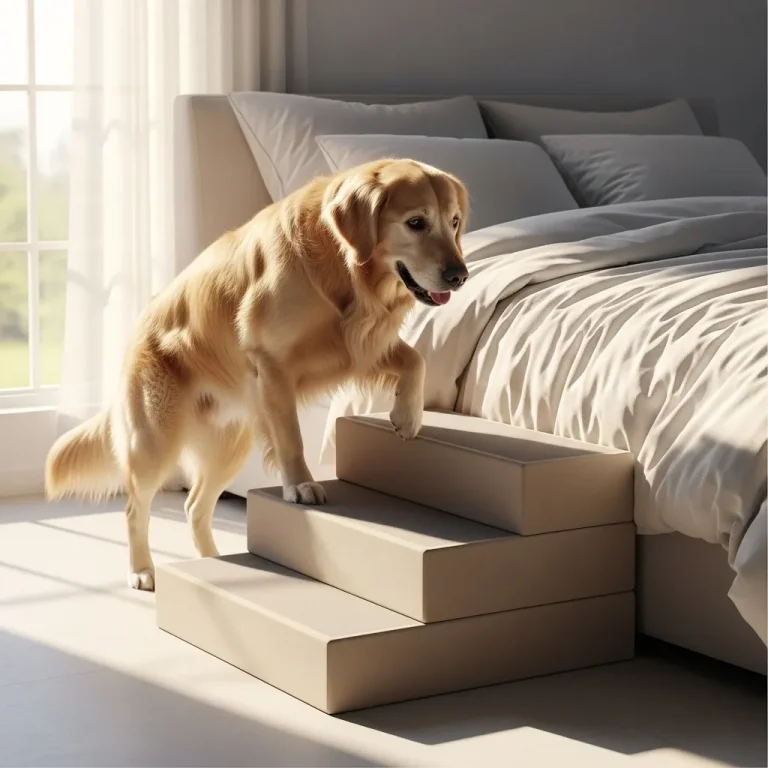
Not necessarily, but consider safety. If they can’t jump up safely, use pet stairs or a ramp. Some dogs feel more secure sleeping close to you. Just make sure they can get down easily without risk of falling.
4. How often should I bathe a senior dog?
Less is often more. Once every 4 to 6 weeks is usually fine, unless your vet recommends medicated baths. Use a gentle, moisturizing shampoo made for sensitive skin. Older dogs have thinner skin that can dry out easily.
5. Is it normal for a senior dog to sleep more?
Yes, it’s normal for them to sleep 14 to 18 hours a day. But if they seem hard to wake up, are lethargic all the time, or lose interest in everything, check with your vet. Sudden changes in sleep patterns can signal health issues.