Healthy Homemade Dog Food Recipes for Labrador Retrievers

I’ve owned Labradors for over a decade, and I know how much they love to eat. But with so many commercial dog foods out there, I started wondering what was really going into my dog’s bowl. That’s when I decided to try making homemade dog food, and I’ve never looked back. Labs are prone to weight gain and joint issues, so a healthy, balanced diet makes a huge difference in their energy and happiness.
Making your own dog food sounds intimidating, but I promise it’s easier than you think. You’ll know exactly what your Lab is eating, and you can tailor the meals to their specific needs. Plus, the look on their face when they smell real chicken and veggies cooking? Pure joy. Let me share my go-to recipes that keep my Labrador healthy, shiny-coated, and full of life.
These recipes are designed with a Labrador’s nutritional needs in mind—lean protein, healthy fats, and fiber-rich vegetables. I’ve tested them with my own picky eaters, and they clean their bowls every time. No weird fillers, no preservatives, just real food that makes a difference.
Equipment You’ll Need
Before we start cooking, let’s gather the basics. You don’t need fancy gadgets—just a few kitchen staples that make the process smooth. I use a large stockpot or Dutch oven for batch cooking, which saves me time during the week. A sharp chef’s knife and a sturdy cutting board are must-haves for chopping veggies and meat.
A food processor or grinder is helpful if you want to finely chop vegetables for picky eaters, but a simple box grater works too. I also keep measuring cups and spoons handy to get the portions right. For storage, glass meal prep containers or freezer-safe bags are perfect for portioning out meals. That’s it—nothing complicated, just stuff you probably already have.

Ingredients for a Balanced Lab Meal
When I first started, I learned that Labs need a good balance of protein, carbs, and healthy fats. For protein, I rotate between boneless skinless chicken thighs, lean ground turkey, and sometimes beef. Chicken is a crowd-pleaser, but turkey is leaner, which helps with weight management. Always choose human-grade meat—your dog deserves it.
For carbs, I use cooked brown rice, quinoa, or sweet potatoes. Sweet potatoes are amazing for Labs because they’re gentle on the stomach and packed with vitamins. For veggies, I go with carrots, green beans, spinach, and peas. These add fiber and nutrients without extra calories. I also add a tablespoon of fish oil or flaxseed oil for omega-3s, which keeps their coat glossy and joints healthy.
One important tip: avoid onions, garlic, grapes, raisins, and avocado—they’re toxic to dogs. Stick to dog-safe ingredients, and always consult your vet before making big changes to your Lab’s diet.
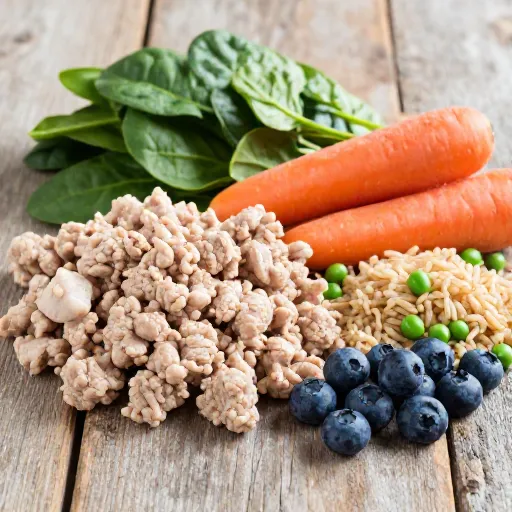
How to Make the Perfect Lab-Friendly Recipe
Here’s my favorite recipe that I make every two weeks. Start by cooking one cup of brown rice according to package directions—I use a rice cooker for simplicity. While that’s going, dice one pound of boneless skinless chicken thighs into small cubes. In a large pot, add a tablespoon of olive oil and cook the chicken over medium heat until browned, about 5-7 minutes.
Next, add two cups of chopped carrots, one cup of green beans, and one cup of chopped spinach to the pot. Pour in enough low-sodium chicken broth to barely cover everything—about two cups. Let it simmer for 10 minutes until the veggies are tender. Finally, stir in the cooked rice and let everything cool completely before serving.
Portion control is key for Labs. For a 70-pound active Lab, I serve about 2-3 cups of this mixture per day, split into two meals. Adjust based on your dog’s activity level and weight. Store leftovers in the fridge for up to five days, or freeze in individual portions for up to three months. Always defrost in the fridge overnight before serving.
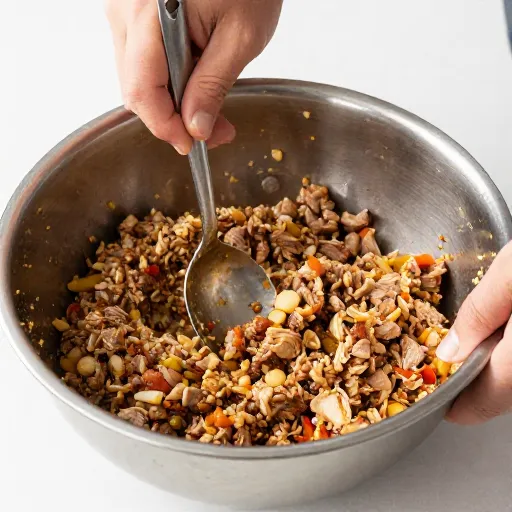
Why This Recipe Works for Labs
Labradors are prone to obesity and hip dysplasia, so this recipe focuses on lean protein and anti-inflammatory ingredients. The chicken provides high-quality protein for muscle maintenance, while the brown rice gives slow-release energy without spiking blood sugar. Sweet potatoes (if you swap them in) are rich in beta-carotene, which supports eye health—something Labs need as they age.
The vegetables add fiber, which helps with digestion and keeps your Lab feeling full longer. I’ve noticed my dog’s coat is softer and she has fewer allergy issues since switching to homemade food. Plus, because there are no artificial additives, her energy levels are more stable throughout the day. It’s not just about feeding them—it’s about nourishing them in a way that supports their long, active lives.

Conclusion
Making homemade dog food for your Labrador doesn’t have to be a chore. Once you get into the rhythm, it becomes a rewarding part of your routine. Your Lab will thank you with wagging tails and enthusiastic mealtimes. Start with simple recipes, listen to your dog’s preferences, and don’t be afraid to switch up the protein sources. Your vet can help you fine-tune the balance of nutrients if needed.
I hope these recipes give you the confidence to try cooking for your furry friend. Remember, every Lab is different, so pay attention to how your dog responds. Good food, love, and a little time in the kitchen—that’s all it takes to keep your Lab happy and healthy.
Frequently Asked Questions
Is homemade dog food cheaper than commercial food?
It can be, especially if you buy meat in bulk or use sales. For me, it’s comparable to premium kibble, but the health benefits make it worth it.
How do I know if my Lab is getting enough nutrients?
I recommend talking to your vet or a pet nutritionist. They can help you ensure the recipe is balanced with the right vitamins and minerals. I sometimes add a canine multivitamin as a safety net.
Can I use raw meat instead of cooked?
Some people prefer raw diets, but I stick to cooked food to avoid bacterial risks. If you want to go raw, do your research and consult a vet first. For Labs, cooked is generally safer and easier to digest.
How often should I switch up the recipe?
I rotate proteins every few weeks to keep things interesting and ensure a variety of nutrients. My Lab never gets bored, and it helps prevent food sensitivities.
What if my Lab has allergies?
Start with a simple recipe using a single protein like turkey or fish, and then slowly add new ingredients. Keep a food diary to track any reactions. If you notice itching or digestive issues, eliminate that ingredient and try something else.