21 Backyard Dog Areas That Make Training Easy (And Actually Fun)
Let’s be real—training a dog in the living room gets old fast. You’re dodging the coffee table, your pup is distracted by the TV, and nobody’s having a good time. That’s where your backyard comes in.
A well-planned outdoor space can be your secret weapon for training. It gives your dog a clear place to focus, burn energy, and learn new skills without the chaos of the neighborhood. And you don’t need a huge yard or a big budget to make it work.
I’ve rounded up 21 practical backyard ideas that make training feel less like work and more like play. Whether you’re teaching recall, agility, or just good manners, these setups will help you both succeed.
1. The Simple Treat Station
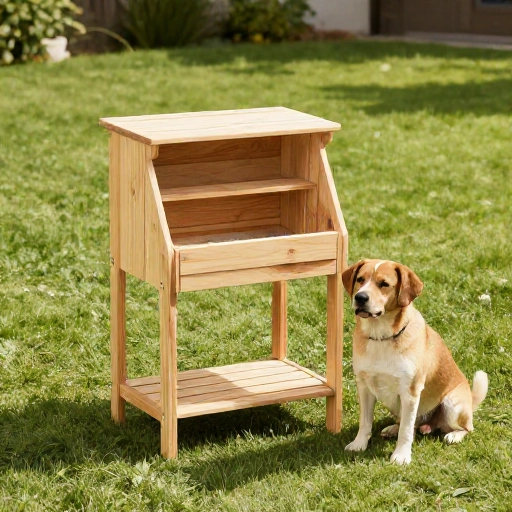
Set up a small shelf or a mounted board on your fence at dog height. Keep a jar of training treats and a clicker there. This makes it easy to grab rewards mid-session without running back inside.
You’ll be amazed how much more consistent your training becomes when the supplies are right there. No more “wait, I forgot the treats” moments.
It also teaches your dog that the backyard is a place where good things happen, which builds positive associations right away.
2. The “Come Here” Lane
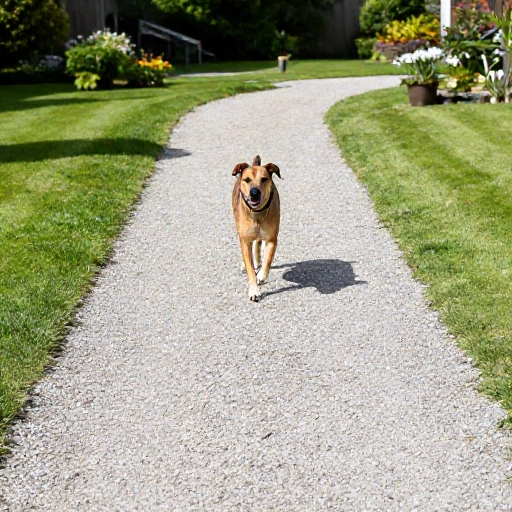
Create a clear, open path down the middle of your yard. Mow it short or lay down mulch so it’s visually different from the rest of the grass. Use this lane for recall drills.
Start by having someone hold your dog at one end while you call them from the other. The clear visual cue helps your dog understand exactly what you’re asking.
This is a game-changer for building a rock-solid “come” command, which is the most important safety skill your dog can learn.
3. The Mud-Free Zone
Nobody likes washing muddy paws after every potty break. Lay down a strip of pea gravel or artificial turf near your back door. Train your dog to sit and wait on this spot before entering the house.
This doubles as a calm-down ritual. Your dog learns that the fun doesn’t end when they come inside—it just transitions.
Plus, it saves your floors and your sanity on rainy days.
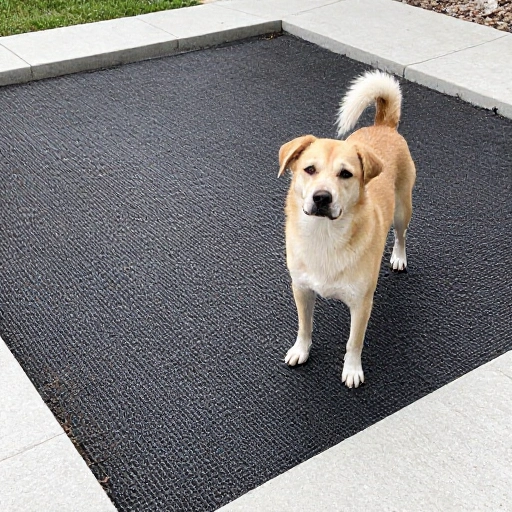
4. The Obstacle Course (DIY Style)
You don’t need fancy equipment. Use PVC pipes for jumps, a sturdy plank for walking, and a hula hoop for jumping through. Arrange them in a simple circuit around the yard.
Guide your dog through with a treat in hand, using a “let’s go” cue. This builds confidence, coordination, and focus.
It’s also a fantastic way to tire out a high-energy pup without a long walk.
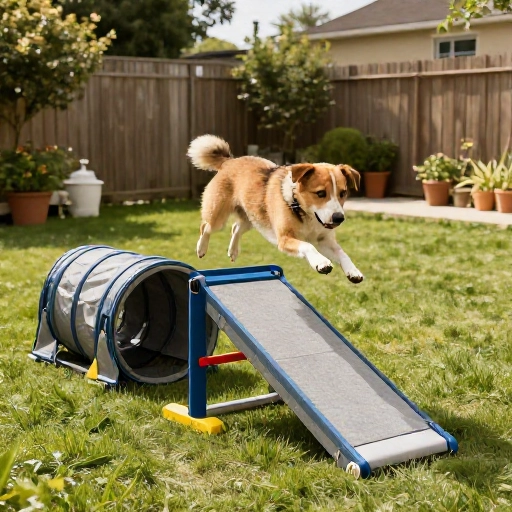
5. The Snuffle Mat Patch
Take an old rubber mat or a shallow tray and scatter a few handfuls of kibble or treats across it. Hide some under leaves or bits of fabric. Let your dog sniff and search.
This is a great solo activity for when you need to make a phone call or just sit and watch them be a dog. It taps into their natural foraging instincts.
It teaches patience and focus, which carries over into other training sessions.
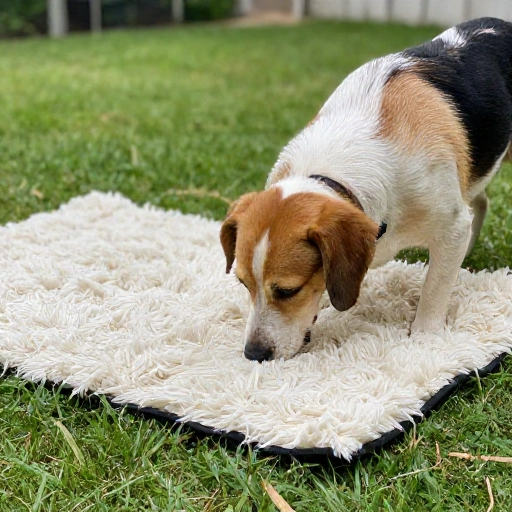
6. The Boundary Line
Use low garden edging or a line of potted plants to create a visible border around your training area. Teach your dog to stay inside this zone during sessions.
This gives them a clear physical boundary that makes “stay” and “place” commands easier to understand. It’s like a giant invisible box.
Over time, your dog will automatically plant themselves inside the line when they see you grab the treat pouch.
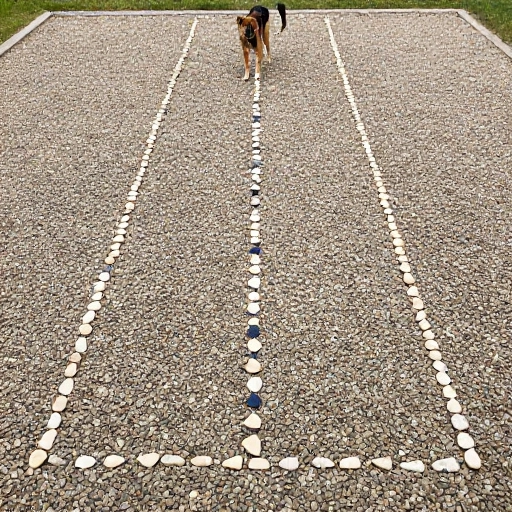
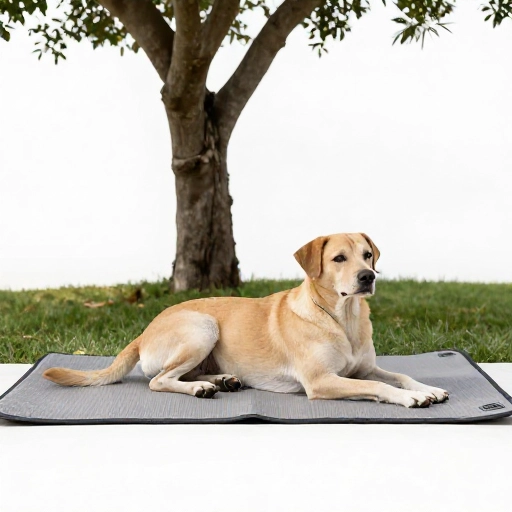
7. The Relaxation Mat
Place a dog bed or a comfy blanket in a shaded corner of the yard. Teach your dog to go to this mat and lie down on command, even with distractions around.
This is perfect for practicing “settle” and “calm” behaviors. You can use it while you garden, read, or just hang out.
It’s a lifesaver for dogs that struggle to switch off outside.
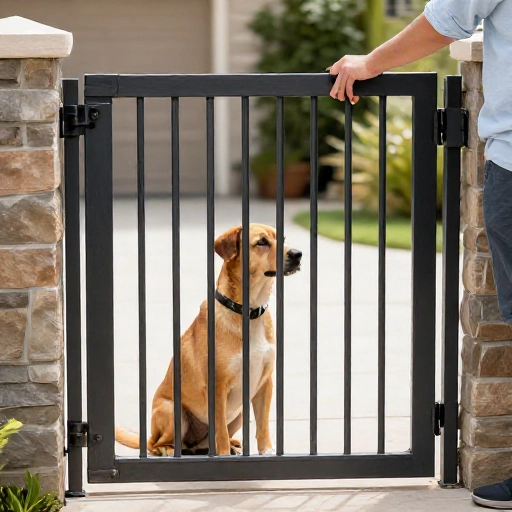
8. The “Wait at the Gate” Spot
Designate a specific spot right at your gate or fence door. Train your dog to sit and wait there before you open it. This is crucial for safety.
Practice this every single time you enter or leave the yard. It becomes a habit that prevents darting out into the street.
It’s a small thing that makes a huge difference in everyday life.
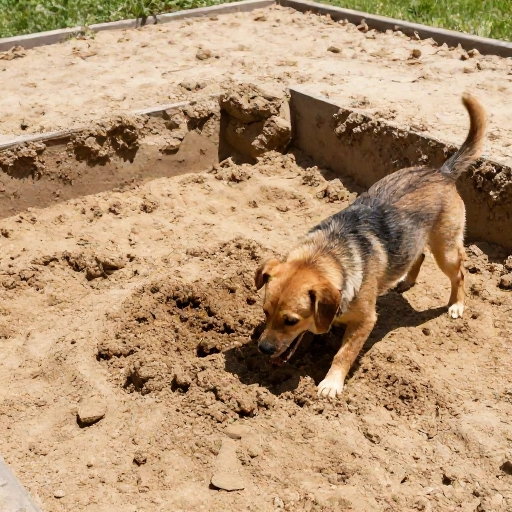
9. The Digging Pit
If your dog loves to dig, give them a designated pit. Fill a kiddie pool or a sandbox with loose soil or sand. Bury toys and treats inside.
Whenever your dog starts digging elsewhere, redirect them to the pit. It’s a clear “yes, here, not there” approach.
This saves your flower beds and gives your dog a satisfying outlet for a natural behavior.
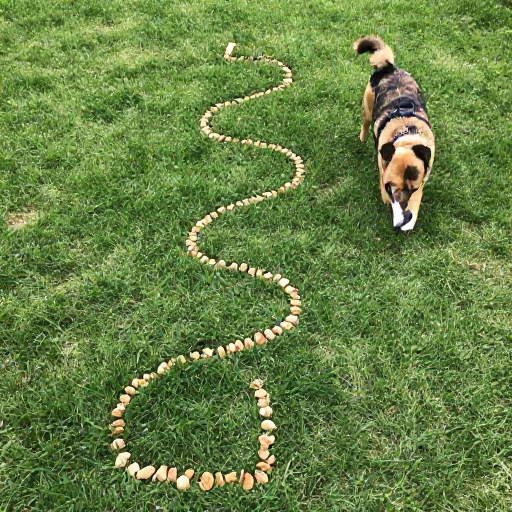
10. The Scent Trail
Lay a short trail of treats or scented items around the yard. Start easy, with visible treats, and gradually make them harder to find. This is a fantastic nose-work game.
It builds your dog’s problem-solving skills and boosts their confidence. It’s also mentally exhausting, which is great for hyperactive dogs.
You can use a “find it” cue to make it a formal command.
11. The Fetch Lane
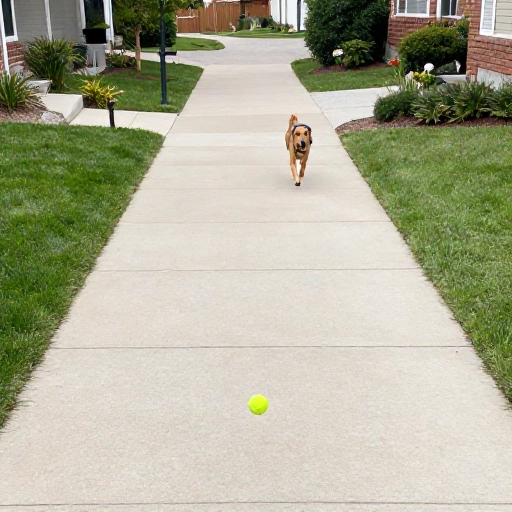
Create a narrow, open stretch of lawn for fetch. Keep it free of obstacles and distractions. This is your go-to spot for teaching “drop it” and “leave it.”
Use two identical toys so your dog learns to release the first one to get the second. It makes retrieval and release feel like a game.
This setup prevents the “keep-away” game that so many owners accidentally encourage.
12. The “Place” Platform
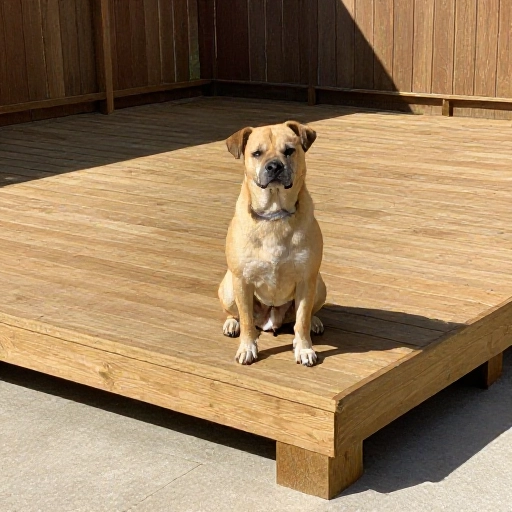
Build or buy a low, sturdy platform (like a large paving stone or a wooden pallet). Teach your dog to put all four paws on it on command.
This is the foundation for many advanced tricks and sports. It also helps with impulse control.
Start by rewarding any paw that touches it, then build up to a full sit or down on the platform.
13. The Tether Station
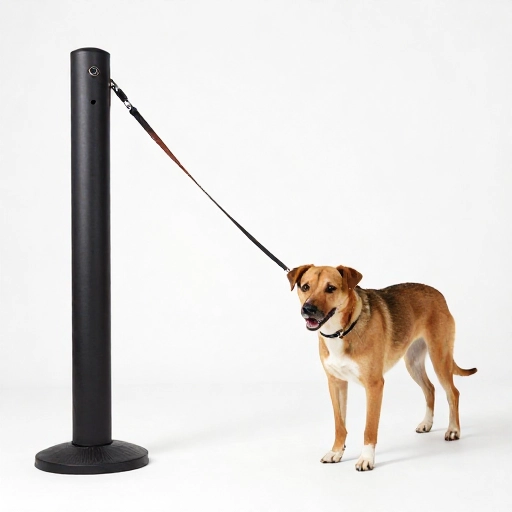
Install a sturdy eye-bolt or a ground stake in a shady area. Attach a long line or a hands-free tether. This is great for supervised time outside when you can’t give full attention.
It’s also perfect for practicing “stay” while you move around the yard. Your dog learns to stay put even without physical restraint.
Always supervise tether time, and make sure the dog has water and shade.
14. The Name Game Corner
Pick a quiet corner of the yard and stand there with your dog on a loose leash. Say their name, and the moment they look at you, mark and reward.
This simple game builds attention and focus. It’s the building block for every other command you’ll ever teach.
Do this for a few minutes a day, and you’ll see a dramatic improvement in responsiveness.
15. The “Touch” Target
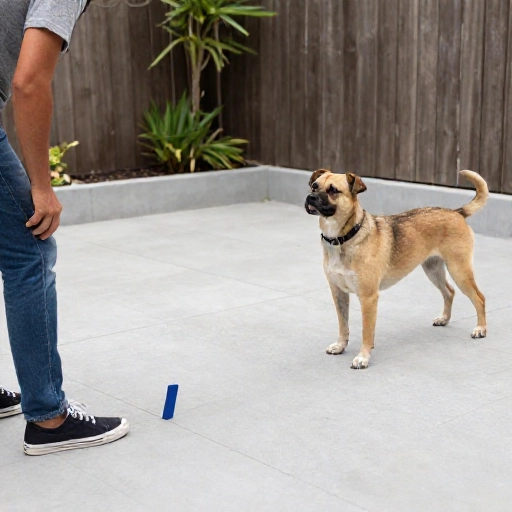
Use a small, sticky note or a piece of colored tape on a fence post or a wall. Teach your dog to touch it with their nose on command.
This is a versatile trick that can be used to guide your dog into position, close doors, or just impress your friends.
It’s an easy win that boosts your dog’s confidence in learning new things.
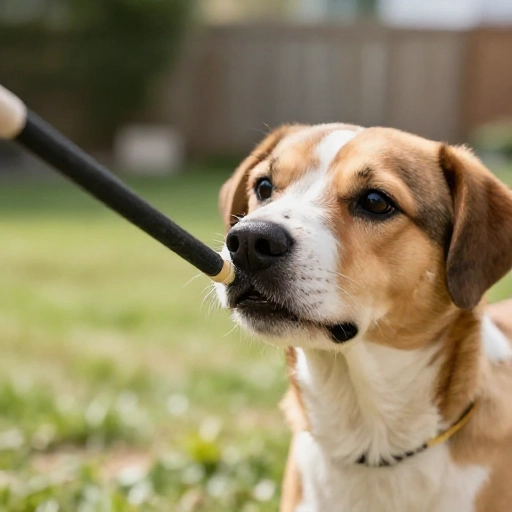
16. The Slow Feeder Zone
Instead of using a bowl, scatter your dog’s dinner across a patch of grass. Let them sniff and eat at their own pace. This is called “scatter feeding.”
It slows down fast eaters and provides mental stimulation. It also turns a boring meal into a fun activity.
It’s a great way to start or end a training session.
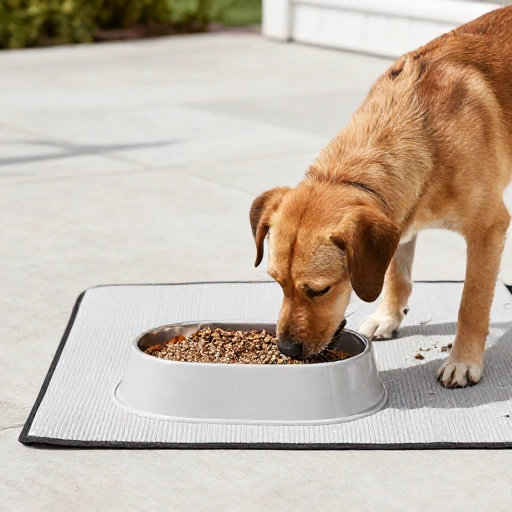
17. The “Leave It” Garden
Plant a few low, safe herbs like mint or basil in a small raised bed. Use this as a training spot for “leave it.”
Walk your dog past the garden on a leash. When they show interest, say “leave it” and reward them for looking away.
This is a practical skill that translates well to walks and other outdoor adventures.
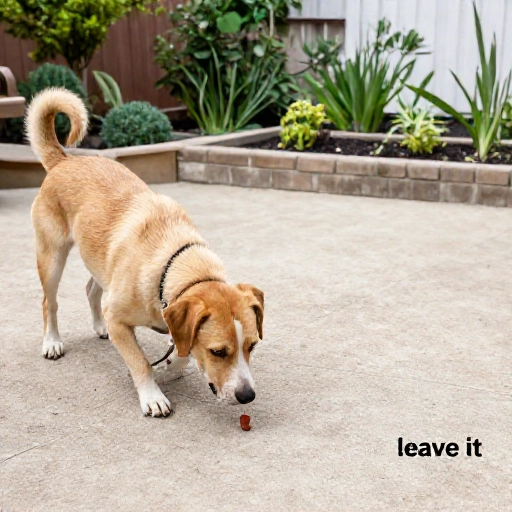
18. The Circle of Focus
Mark a circle on the ground using chalk, rope, or a hose. Have your dog sit or stand inside the circle while you walk around them.
This is a brilliant way to teach “heel” position and loose-leash walking. Your dog learns to stay close and watch you, not the environment.
It’s a simple but powerful drill that builds a strong foundation for walks.
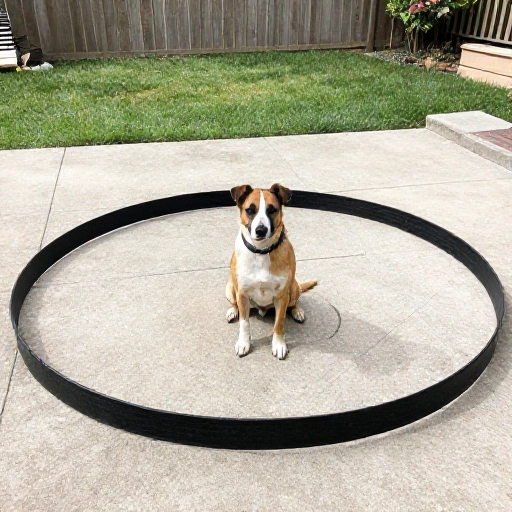
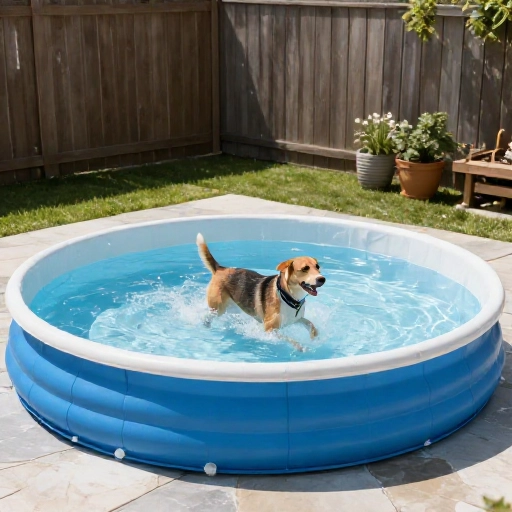
19. The Water Play Area
If your dog likes water, set up a shallow kiddie pool or a sprinkler. Use it to practice “wait” before entering and “come” when you call them out.
This is an excellent reward for a good training session. It’s also a great way to cool off on hot days.
Just keep it shallow and always supervise your dog around water.
20. The Shadow Work Spot
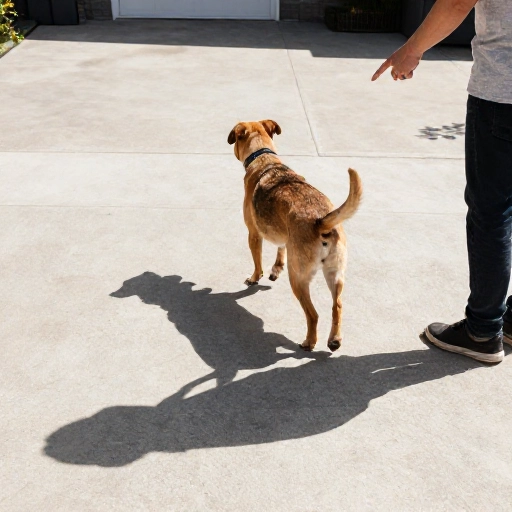
Find a patch of shade that stays cool for most of the day. This is where you’ll do your most focused training sessions, like teaching a new trick or proofing a command.
Comfort is key. If your dog is too hot or too cold, they won’t be able to concentrate.
Make this spot inviting with a mat or a bit of fresh water nearby.
21. The Daily Circuit
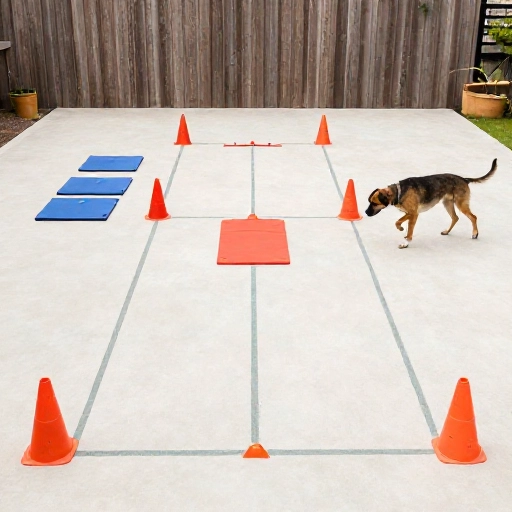
Combine several of the ideas above into a mini circuit. For example, start at the treat station, move to the “come here” lane, then do a few minutes at the obstacle course.
This keeps training varied and exciting for your dog. It also helps you stay consistent and cover different skills in one short session.
You’ll be surprised at how much you can accomplish in just 15 minutes a day.
Wrapping It Up
Your backyard is more than just a patch of grass—it’s a training playground waiting to happen. You don’t need to implement all 21 ideas at once. Pick two or three that feel doable and start there.
The goal is to make training easy, fun, and a regular part of your day. When your dog enjoys the process, they learn faster and bond with you more deeply.
So grab your treat pouch, step outside, and start building your dream training space. Your dog will thank you with a wagging tail and a happy heart.
Frequently Asked Questions
Do I need a big backyard for these training ideas?
Not at all. Most of these ideas work perfectly in a small yard or even on a patio. The key is consistency and making the space work for you and your dog.
What if my dog gets distracted by the backyard?
That’s normal! Start with short sessions in a quiet corner. Use high-value treats and gradually add distractions as your dog improves.
How often should I train outside?
Five to ten minutes a day is plenty. Short, frequent sessions are much more effective than long, rare ones.
Can I use these ideas for a puppy?
Absolutely. Just keep sessions even shorter and make everything a game. Puppies learn best when they’re having fun.
What if I have multiple dogs?
Train them separately at first to avoid competition and distraction. Once they’re both solid, you can practice group commands like “sit” and “wait.”