How to Groom a Dog with Sensitive Skin: A Gentle, Step-by-Step Guide That Actually Works
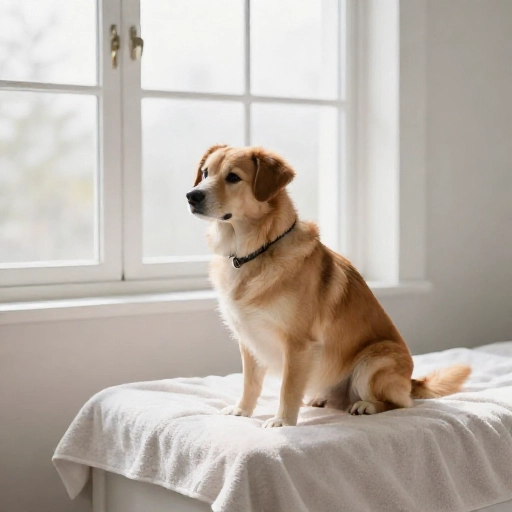
If your dog spends half the day scratching, licking, or rubbing against the furniture, you know the struggle. Sensitive skin in dogs is more common than you think, and it can turn a simple grooming session into a full-blown meltdown for both of you. I’ve been there—the flaky patches, the red bellies, the sad eyes that say, “Please just make it stop.”
The good news? Grooming a dog with sensitive skin doesn’t have to be a battle. It just takes a little extra patience, the right products, and a routine that puts comfort first. Whether your pup has allergies, dry skin, or just a delicate coat, this guide will walk you through every single step—from pre-brush prep to the final cuddle session. Let’s get your furry friend feeling soft, clean, and itch-free.
1. Start with a Calm, Stress-Free Environment
Before you even pick up a brush, think about your dog’s state of mind. A stressed dog produces more oils, which can irritate sensitive skin. I like to set the mood by playing soft music, closing the blinds, and making sure the room is warm—not hot, not cold. Dogs with sensitive skin often have a lower tolerance for temperature changes.
Let your dog sniff the grooming tools first. Give them a treat just for being near the brush. This builds positive associations. If your dog is particularly anxious, try a short walk beforehand to burn off nervous energy. A tired dog is a relaxed dog, and relaxed skin heals faster.
Remember, if you’re tense, they’re tense. Take a few deep breaths yourself. This isn’t a chore; it’s bonding time. Your calm energy will translate directly into a smoother grooming experience.
2. Choose the Right Brush (It’s a Game Changer)
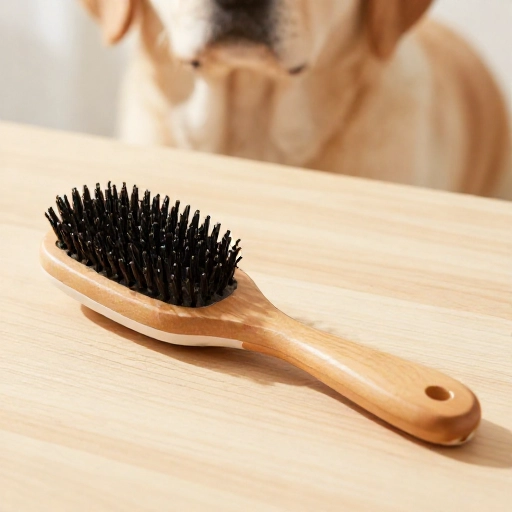
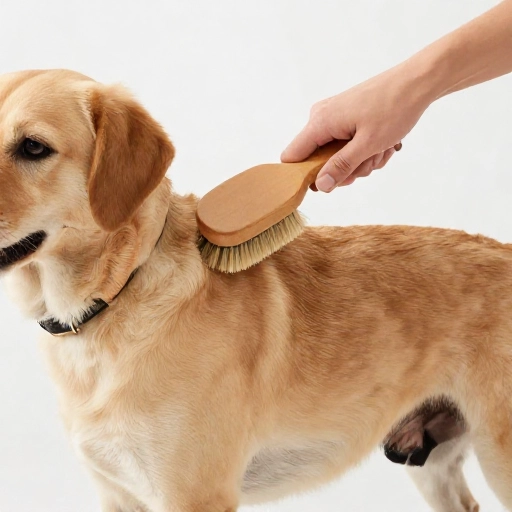
Not all brushes are created equal, especially for sensitive skin. Skip the wire slicker brushes with harsh tips—they can feel like tiny needles on a delicate coat. Instead, look for brushes with soft, rounded bristles or natural boar bristles. I swear by a soft slicker brush with protective balls on the tips for my own itchy pup.
You’ll want a brush that detangles without pulling. Start with a wide-tooth comb to gently work out any knots, then follow up with the soft brush. Work in small sections, always brushing in the direction of hair growth. Never yank or tug; if you hit a tangle, hold the fur at the base and gently work it out with your fingers.
For dogs with very short hair, a grooming glove can be a lifesaver. It feels like a massage, and it picks up loose fur while stimulating the skin. Your dog will literally lean into it. Watch for signs of discomfort—if they flinch, pull back, or try to walk away, switch to a softer tool.
3. Pick a Hypoallergenic, Fragrance-Free Shampoo
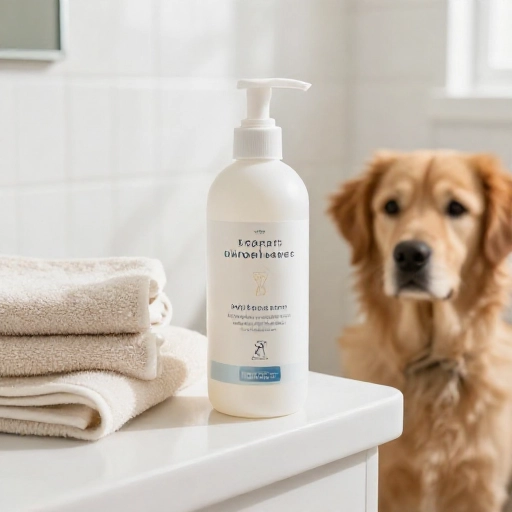
This is the most critical step. The wrong shampoo can undo weeks of skin healing in one wash. You want a shampoo that is specifically formulated for sensitive skin, hypoallergenic, and completely free of artificial fragrances, dyes, and harsh sulfates. Look for ingredients like oatmeal, aloe vera, and chamomile—these are natural soothers.
Avoid anything with “parfum” or “fragrance” in the ingredients list. Even natural essential oils can be too much for some dogs. Stick to the basics. If your vet has recommended a specific medicated shampoo, follow their advice. Otherwise, a gentle oatmeal-based formula is your best bet.
Pro tip: Always do a patch test first. Put a tiny amount of shampoo on a small area of your dog’s belly, wait 10 minutes, and rinse. If no redness or itching appears, you’re good to go. This little step can save you (and your dog) from a very itchy disaster later.
4. Master the Art of the Lukewarm Bath
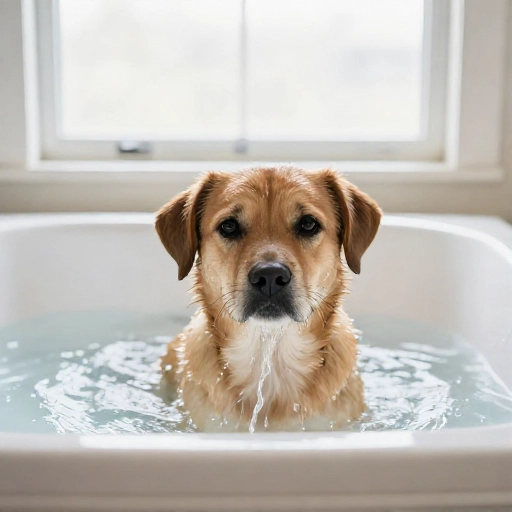
Water temperature matters more than you think. Hot water strips away natural oils and worsens dryness. Cold water is a shock to the system. Lukewarm—just barely warm to the touch—is perfect. I always test the water on my own inner wrist before letting my dog step in.
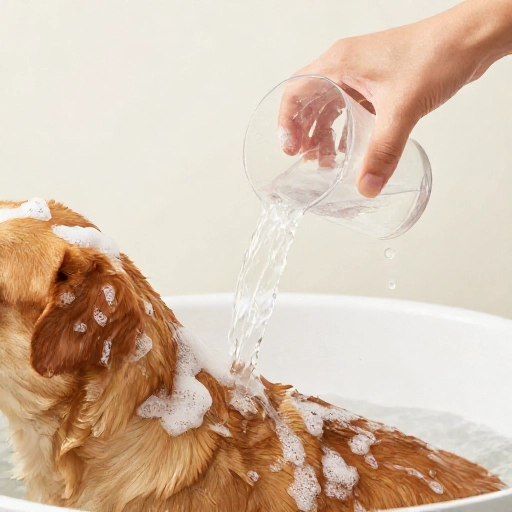
Wet your dog thoroughly from the neck down, avoiding the head and ears. Sensitive skin can be extra reactive to water pressure, so use a gentle spray or a cup to pour water. Once they’re wet, apply the shampoo by diluting it in your hands first. Never pour shampoo directly onto the skin; it’s too concentrated.
Massage the shampoo in with your fingertips using slow, circular motions. Think of it as giving your dog a spa treatment, not just cleaning them. Spend extra time on the belly and armpits, where skin is thinnest and most prone to irritation. If your dog starts to scratch during the bath, it’s a sign to rinse immediately.
5. Rinse, Rinse, and Rinse Again
Shampoo residue is a hidden culprit behind many skin flare-ups. Leftover product sits on the skin, attracting dirt and causing itching. I always rinse twice as long as I think I need to. The water should run completely clear before you’re done.
Pay special attention to hard-to-rinse spots: the back of the legs, the belly, and the neck folds. Lift the skin gently to make sure no soap is hiding in the creases. If you have a thick-coated dog, part the fur with your fingers and let the water run down to the skin level.
Here’s a trick: after the final rinse, add a very dilute solution of apple cider vinegar (one tablespoon per cup of water) as a final rinse. It helps restore the skin’s natural pH and acts as a natural anti-itch agent. Don’t worry—the smell disappears as it dries. Skip this if your dog has open wounds or broken skin.
6. Drying Techniques That Don’t Aggravate
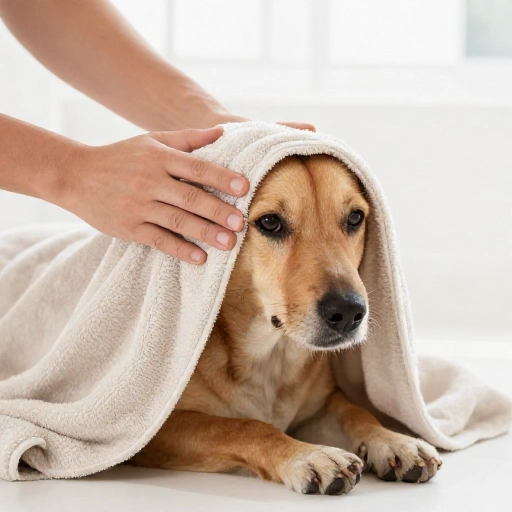
Rubbing a towel vigorously back and forth is a big no-no for sensitive skin. That friction can cause micro-tears and trigger histamine release, making the itch worse. Instead, use a soft microfiber towel and pat—don’t rub—gently. You can also let your dog air dry in a warm, draft-free room.
If you use a hairdryer, keep it on the cool or low-warm setting, and hold it at least 12 inches away from the skin. Keep the nozzle moving constantly. Never hold it on one spot for more than a few seconds. Many dogs with sensitive skin are also noise-sensitive, so introduce the dryer slowly and reward them with treats.
For long-haired breeds, gently separate the fur with your fingers as you dry to prevent matting. Wet fur that stays tangled can trap moisture against the skin, leading to hot spots. If your dog gets too stressed by the dryer, it’s perfectly fine to let them air dry and brush them out when they’re 80% dry.
7. Post-Bath Moisturizing Is Non-Negotiable
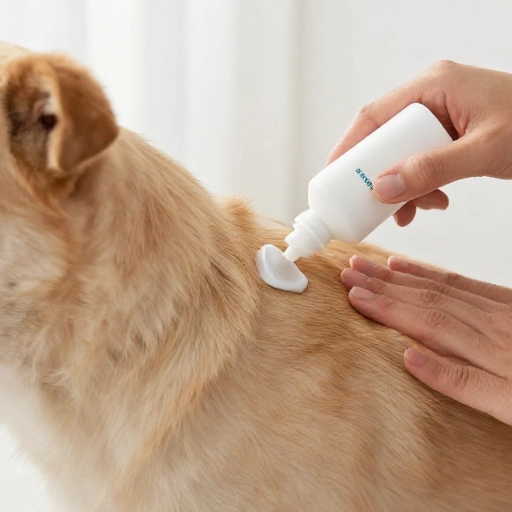
Bathing, even with gentle shampoo, strips some natural moisture. Replenishing it right after the bath is key. I use a veterinary-approved, fragrance-free moisturizing spray or a pea-sized amount of coconut oil (if your dog tolerates it) massaged into the skin. This seals in hydration and creates a protective barrier.
For dogs with flaky, dry patches, look for a leave-in conditioner designed for sensitive skin. Apply it to slightly damp fur, not soaking wet. Work it through the coat with your fingertips, focusing on the areas that feel rough or look dull. This is also a great moment for bonding—your dog will love the extra massage.
Don’t over-moisturize, though. A little goes a long way. If the skin feels greasy or the fur looks clumpy, you’ve used too much. Once a week is usually enough, but if your dog has severe dryness, a light spritz every few days can work wonders.
8. Brush Smart, Not Hard, Between Baths
Daily brushing is your best friend when it comes to managing sensitive skin. It distributes natural oils, removes dead fur, and stimulates blood flow—all without getting your dog wet. But the technique is everything. Short, gentle strokes work better than long, hard pulls.
Schedule brushing sessions for times when your dog is already relaxed, like after a meal or during their favorite TV show. Keep sessions short—five to ten minutes is plenty. Always end on a positive note with a treat and some praise. This way, your dog will start to look forward to grooming instead of dreading it.
Pay attention to “hot spots” where your dog tends to itch more—usually around the base of the tail, under the collar, and behind the ears. Give those areas a little extra gentle attention with the brush. If you find any scabs, red bumps, or raw patches, stop brushing that area and consult your vet. Don’t brush over irritated skin.
9. Don’t Forget the Paws and the Face
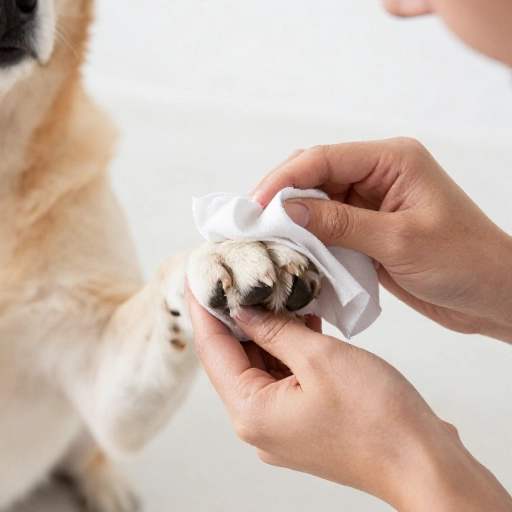
Sensitive skin doesn’t stop at the body. Paws are often the itchiest part for dogs with allergies. When grooming, check between the toes for dirt, debris, or redness. Use a soft, damp cloth to wipe each paw, and dry thoroughly. You can also apply a tiny bit of pet-safe balm to the paw pads to keep them soft.
For the face, use a separate, ultra-soft cloth. Wipe around the eyes with warm water and a cotton ball, being very careful not to touch the eye itself. Wrinkles on breeds like bulldogs or pugs need special attention—clean inside the folds gently, then dry completely to prevent bacterial growth.
Never use the same brush or comb on the face that you use on the body, especially if your dog has any skin condition. Keep a dedicated “face kit” with a super-soft brush and a cloth. And remember, the muzzle and nose are super sensitive—use only your fingertips or the softest cloth there.
10. Know When to Stop and Call the Vet
There’s a fine line between grooming and aggravating. If your dog’s skin is red, weeping, severely flaky, or has a bad odor, stop grooming immediately. These are signs of infection or an allergic reaction that needs professional attention. Grooming over broken skin can make things dramatically worse.
Also watch for behavioral signs: if your dog suddenly becomes aggressive or extremely resistant to being touched, they might be in pain. Don’t push through it. A dog that’s growling is trying to tell you something. Respect that boundary and seek help.
Your vet or a professional groomer who specializes in sensitive skin can offer medicated shampoos, supplements, or prescription treatments. Regular grooming is important, but your dog’s health always comes first. Sometimes, skipping a grooming session is the best decision you can make.

Conclusion
Grooming a dog with sensitive skin is not about perfection—it’s about patience, observation, and love. Every dog is different, so what works for one might not work for another. The key is to listen to your pup, watch their reactions, and adjust your routine as needed. You’ll soon learn the subtle signs of what feels good and what doesn’t.
Remember, you’re not just cleaning your dog; you’re building trust. Every gentle brush stroke, every lukewarm rinse, every pat-dry is a message that says, “I care about your comfort.” Over time, your dog will learn to relax into grooming sessions, and the itching will likely reduce as your care becomes more consistent.
Stick with it, be gentle, and don’t be afraid to ask for professional help when you need it. Your dog deserves to feel good in their own skin, and with your help, they will.
Frequently Asked Questions
Q: How often should I bathe a dog with sensitive skin?
A: Generally, once every 3-4 weeks is enough. Over-bathing strips natural oils and worsens dryness. Between baths, use dry shampoo or just a damp cloth wipe-down. If your vet recommends medicated baths, follow their specific schedule.
Q: Can I use human shampoo on my dog?
A: No, absolutely not. Human shampoo has a different pH level and contains harsher detergents that can severely irritate a dog’s sensitive skin. Always use a shampoo specifically formulated for dogs, ideally one labeled hypoallergenic and fragrance-free.
Q: What are the best natural remedies for itchy dog skin?
A: Oatmeal baths (colloidal oatmeal), coconut oil (topically and in small amounts orally), and chamomile tea rinses are gentle natural soothers. Always patch-test first and consult your vet if the itching persists for more than a few days.
Q: Is it better to take my sensitive-skin dog to a professional groomer?
A: It can be, if you find a groomer experienced with skin conditions. They have professional-grade products and techniques. However, many owners successfully groom at home with the right tools. If you’re unsure, a one-time professional session can give you a template to follow.
Q: My dog’s skin gets worse after grooming. What am I doing wrong?
A: The most common culprits are harsh brushes, hot water, fragrance in products, or incomplete rinsing. Review each step of your routine. Also consider if your dog is allergic to the brush material itself. Try switching to a different brush material and see if it helps.