10 Reasons Your Dog Won’t Listen

You call your dog’s name. Nothing. You try the “come” command with your happiest voice. They sniff a bush like you don’t exist. It’s frustrating, right? I’ve been there, standing in my backyard feeling like I’m invisible to my own pup.
Before you assume they’re being stubborn or have forgotten everything you taught them, take a breath. Most of the time, a dog who “won’t listen” isn’t being naughty. There’s usually a simple reason hiding in plain sight. Let’s walk through the ten most common ones I’ve seen.
1. Too Much Distraction
Imagine trying to focus on a conversation while someone blasts music next to you. That’s what asking for a “sit” at the dog park feels like for your pup. Sights, smells, and sounds are way more interesting than your voice.
Start training in a boring room. Your kitchen or living room with no toys around works best. Once they nail it there, move to the backyard. Slowly add distractions like a quiet street or a friend walking by.
They aren’t ignoring you on purpose. The world is just too exciting right now.
2. You’ve Said It Too Many Times
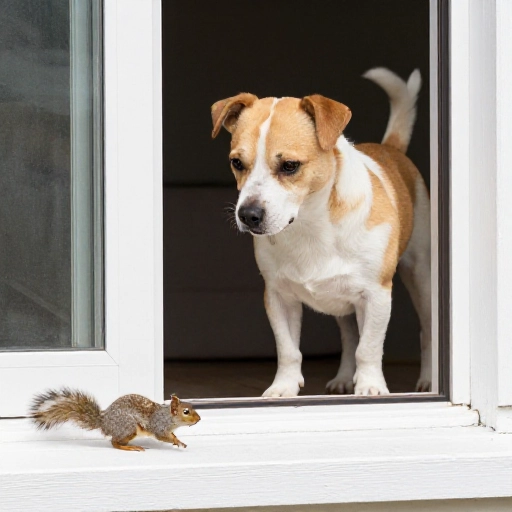
“Sit, sit, SIT… SIT!” Sound familiar? When you repeat a command over and over, your dog learns that the word is just background noise. They wait until your voice sounds annoyed or until you physically move them.
Say the command once. If they don’t do it, help them. Gently guide them into a sit. Then reward. This teaches them that the first word matters. Your dog will start listening sooner because they know you mean business.

3. They’re Scared or Anxious
A scared dog can’t learn. If there’s a loud truck outside or a new person in the house, your dog’s brain is in survival mode. They aren’t processing your words, they’re scanning for danger.
Look for signs like tucked tail, yawning, or lip licking. If you see these, stop training. Move to a quieter space. Comfort them first. Once they relax, try a simple cue they know well.
Fear blocks learning. Safety opens it up.

4. Unclear or Inconsistent Cues
Sometimes I catch myself saying “down” when I mean “off the couch.” My husband says “off.” Our dog looks at us like we’re speaking two languages. Mixed signals confuse dogs completely.
Pick one word per action and stick to it. Use the same hand signal every time. If you’re teaching “stay,” don’t say “wait” next week. Consistency builds understanding. Your dog will listen better when the rules don’t change.
5. The Reward Isn’t Worth It
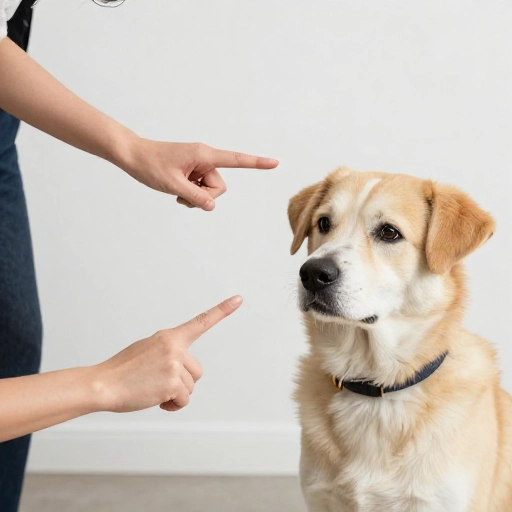
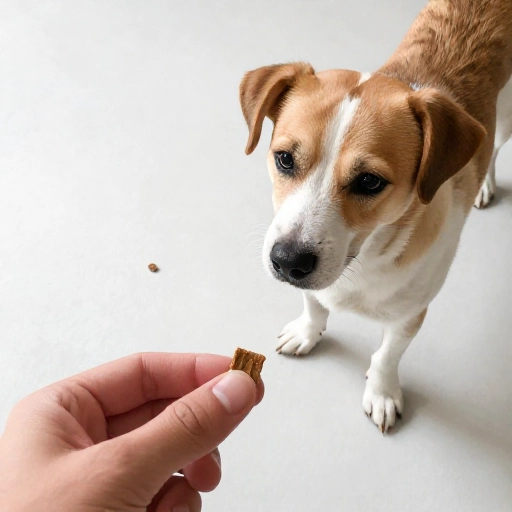
Would you work hard for a tiny celery stick if someone offered you a slice of pizza? Probably not. Your dog feels the same about a boring kibble when there’s a squirrel ten feet away.
Find what your dog goes wild for. For mine, it’s tiny pieces of boiled chicken. For your dog, it might be cheese or a squeaky toy. Use high-value rewards for tough situations. Suddenly, listening becomes way more appealing.
6. They’re Overtired or Overstimulated
Toddlers get cranky when they’re tired. So do dogs. A puppy who has been playing all day might not have the mental energy to focus on a “drop it” command. They’re running on empty.
Watch for frantic behavior or zoning out. Give them a nap in a quiet crate or a dark room. A rested dog is a listening dog. Short training sessions of five minutes work better than long, draining ones.

7. You’re Using a Tone That Doesn’t Match
Dogs read our voices like we read road signs. If you say “come” in a flat, bored tone, your dog thinks it’s no big deal. If you sound panicked, they might get nervous and freeze.
Use a bright, happy voice for recall. Use a firm, low voice for “leave it.” Pair your tone with your body language. Stand tall for serious commands. Crouch down for playful ones. Your voice is a tool, use it wisely.
8. They Haven’t Generalized the Command
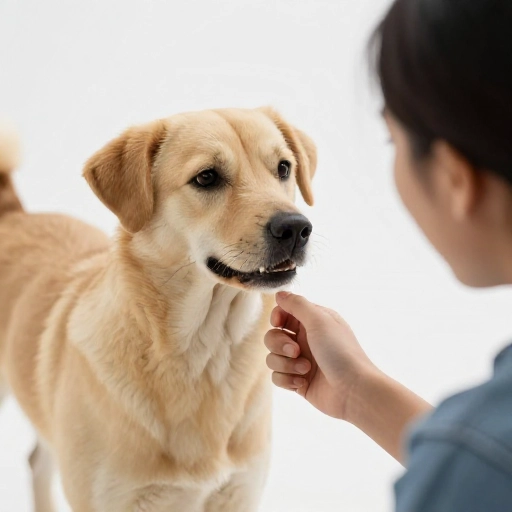
Your dog might be a star at “sit” in your kitchen. But ask for a sit in the backyard, and they stare at you like they’ve never heard the word. This is normal. Dogs struggle to understand that a command applies everywhere.
Practice the same cue in different places. Your hallway. A friend’s house. A quiet park bench. Each new spot is like learning the skill again. Be patient. Once they get it in five different locations, they truly understand.

9. There’s a Hidden Health Issue
Sometimes a dog who used to listen suddenly stops. This can be a red flag. Ear infections can make it hard to hear. Arthritis can make “sit” painful. Dental pain can make them grumpy and uncooperative.
If your dog’s listening skills drop out of nowhere, see your vet. A quick checkup can rule out pain or hearing loss. Your dog might not be ignoring you. They might be trying to tell you something hurts.

10. You’re Not Building Enough Trust
Listening is built on relationship. If most of your interactions are corrections or demands, your dog might start tuning you out. They don’t feel safe or connected. They’re just waiting for you to stop talking.
Spend time doing nothing together. Cuddle. Play tug. Hand-feed treats just because. When your dog sees you as a source of good things, they will want to listen. Cooperation comes from connection, not control.

Wrapping It Up
Your dog isn’t giving you a hard time. They’re having a hard time understanding what you want. Most listening problems come from simple things like distractions, confusion, or low motivation. The good news is, you can fix almost all of them with patience and small changes.
Pick one reason from this list. Try one new thing tomorrow. Maybe use a better treat. Maybe move to a quieter room. Watch how your dog responds. Small shifts make big differences. You’ve got this.
Frequently Asked Questions
Why does my dog listen to my husband but not me?
Probably because your husband is more consistent with his cues and rewards. Dogs are experts at figuring out who means business. Try using the exact same words and tones he uses. Reward every success. You’ll build the same trust.
Is my dog being stubborn or confused?
Nine times out of ten, it’s confusion, not stubbornness. If your dog has never practiced a command in a busy park, they don’t know it applies there. Go back to basics in a new environment. Clarify, don’t punish.
How long does it take for a dog to learn to listen?
It depends on the dog and the skill. Simple cues like “sit” can click in a day. Reliable recall can take months. Be patient. Short, daily practice beats long, weekly sessions every time.
Should I punish my dog for not listening?
No. Punishment usually makes dogs scared or confused. It damages trust. Instead, figure out why they’re not responding. Remove the distraction, use a better reward, or check for pain. Positive methods work better and last longer.
Can an older dog learn to listen better?
Absolutely. Old dogs can learn new tricks. They might need more patience and shorter sessions. Check their hearing and joint health first. With the right motivation and consistency, senior dogs can improve their listening skills at any age.