10 Outdoor Kennel Ideas for Backyards That Actually Work
When I first started planning an outdoor kennel for my two dogs, I made the mistake every beginner makes: I looked at photos, picked the prettiest one, and forgot to think about mud, wind, and how much I’d hate scrubbing concrete in January.
So this time I did it properly. I walked my yard, watched where the sun sits at 3pm, checked where water pools after rain, and then started sketching. The ideas below are the ones that held up — for real dogs, real weather, and real backyards that aren’t perfectly flat.
Whether you’ve got a small corner behind the garage or half an acre to play with, there’s something here you can borrow. Mix and match. Steal the parts that fit your space.
1. The Covered Kennel Run (My Personal Favorite)
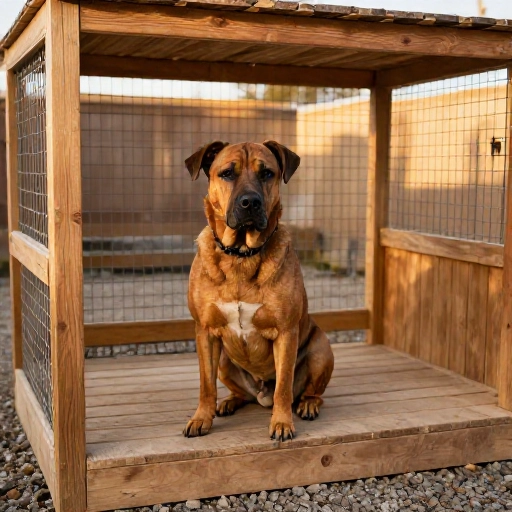
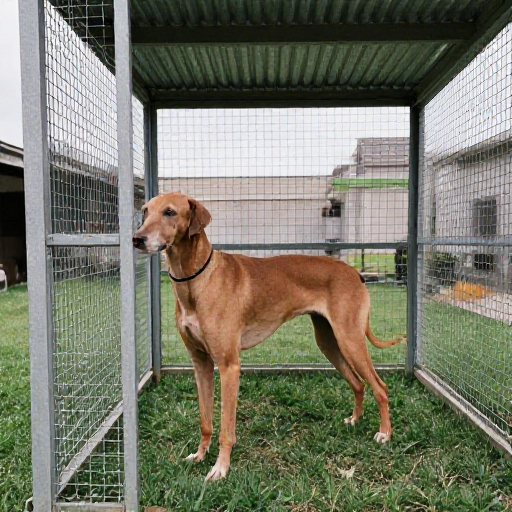
This is the setup I ended up building, and honestly, it’s the one I’d recommend to almost anyone. You take a standard wire kennel run and add a solid roof over the whole thing — metal, polycarbonate, or even corrugated PVC panels.
Why it matters: rain and sun are the two things that wreck an outdoor kennel fastest. A roof fixes both. My dogs stay dry, the ground stays firm, and I’m not out there with a towel every morning.
For shade on the sides, I used shade cloth on the west wall only. That way they still get morning sun but get relief from the harsh afternoon heat.
- Roof pitch should be enough to shed water — even a slight slope helps
- Leave a small gap at the top of one wall for airflow
- Use galvanized panels if you live somewhere humid
2. Gravel Plus Concrete Pad Combo
Concrete alone looks clinical and stays wet. Gravel alone gets kicked everywhere. Together? Kind of perfect.
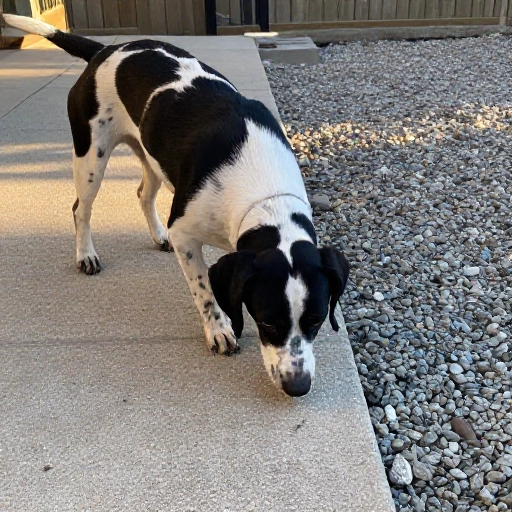
I poured a raised concrete pad for the sleeping area and filled the rest of the run with washed river rock. The pad keeps bedding dry off the ground, and the gravel drains fast so paws aren’t standing in puddles.
Washed rock is worth the extra cost over cheap crushed stone — it doesn’t compact into mud and it hoses clean without turning into a slush pile.
3. The Raised Wooden Dog Deck
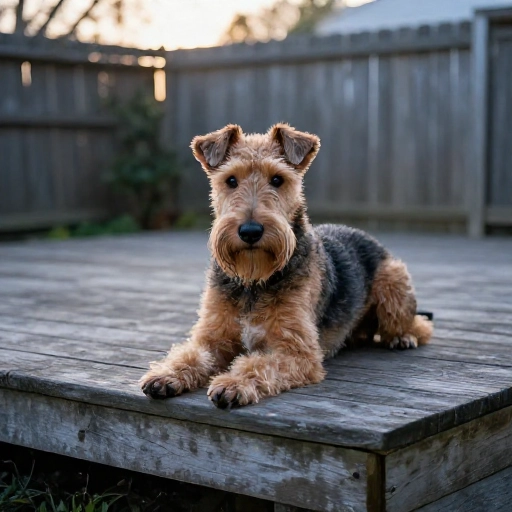
If your yard floods or stays damp, a raised deck solves everything. I built mine about eight inches off the ground with pressure-treated lumber and a simple frame underneath.
The dogs love it because it’s cool in summer and dry in winter. I love it because I can sweep it in thirty seconds and their bedding never smells like damp.
Add a low ramp for older dogs. Trust me — my eleven-year-old stopped using the steps entirely once I put one in.
4. Shade Porch With a Fan and Water Station
This one is more about comfort than structure, and it makes a huge difference in hot climates.
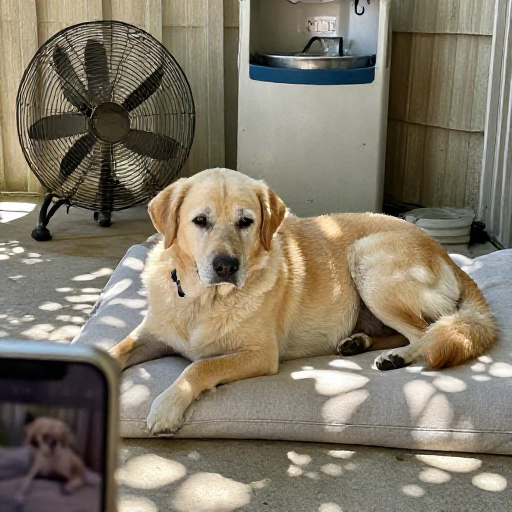
I extended the kennel roof forward to create a little porch, then mounted a cheap outdoor-rated wall fan on the side. Not blowing directly on them — just moving air through the space.
A raised water bowl on a stand keeps it cleaner, and I top it up with ice in July. My dogs genuinely hang out in the shaded zone even when the gate is open.
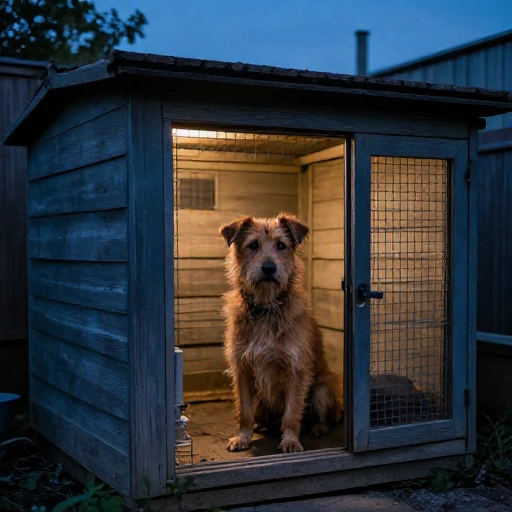
5. Converted Garden Shed Kennel
If you’ve already got a shed sitting unused, this is the cheapest quality upgrade out there.
I framed out the inside with a divider wall, cut a dog door into the side, and attached a covered run to the exterior. The shed gives them a solid, insulated sleeping area. The run gives them room to move.
Ventilation is the one thing people forget. I added two gable vents and a small window that opens, and it dropped the inside temperature noticeably.
6. Dig-Proof Wire Panel Kennel
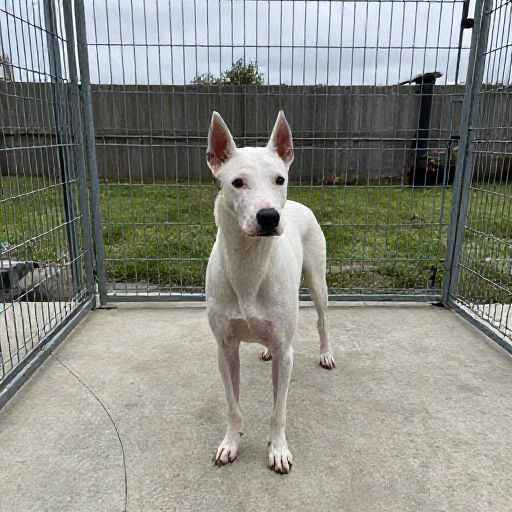
Some dogs are escape artists. Mine is one of them. She went under a fence twice before I got smart about it.
The fix: bury wire mesh along the entire perimeter, bent outward at the bottom in an L-shape. It stops digging cold because they hit the mesh from above instead of pushing through.
I also used thicker gauge panels than the standard kit. Not glamorous, but it’s the difference between a kennel and a suggestion.
7. Double Kennel With a Shared Divider
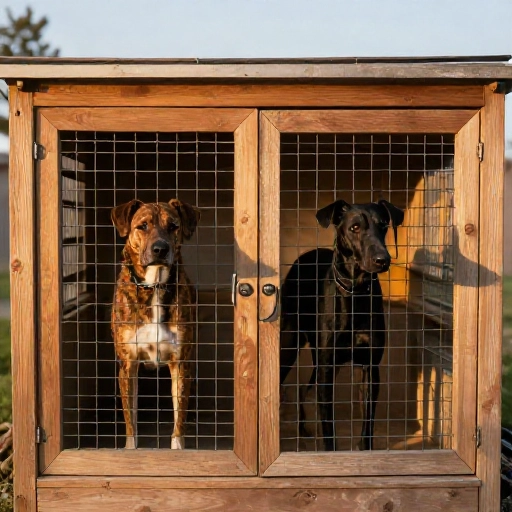
Two dogs, one structure. It saves money, space, and a lot of visual clutter in the yard.
I built a shared central wall with a solid panel so they can’t see each other through it during meals. That small detail stopped a lot of food-guarding tension.
Each side has its own gate and its own water access. Everything else — roof, floor, drainage — is shared.
8. Artificial Turf With a Drainage Base
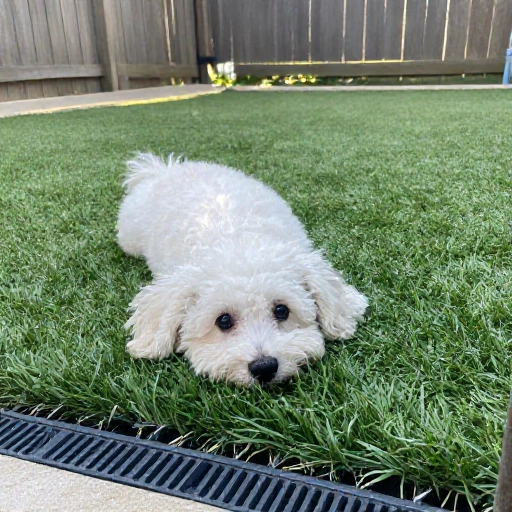
I was skeptical about turf, but with proper drainage underneath it’s genuinely good. The key is what’s below it.
I laid a base of compacted gravel, then a layer of drainage mat, then the turf on top. Water disappears instead of sitting. Rinsing it down once a week keeps it fresh.
Pick a turf with a shorter pile — longer blades trap more mess and take forever to dry.
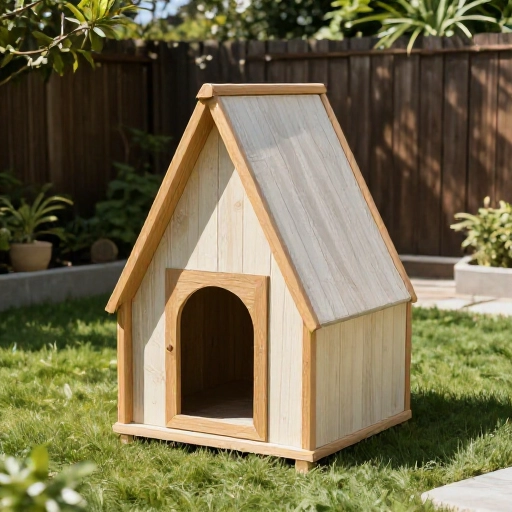
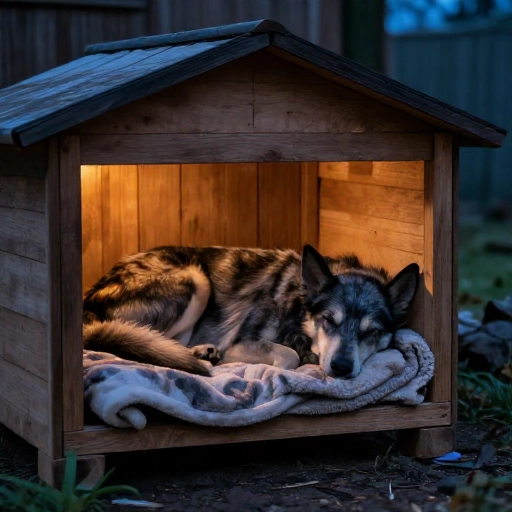
9. Attached Sleep Box or Dog House Nook
Even with a roof over the whole run, dogs want a small, enclosed place to curl up. That instinct doesn’t go away.
I attached a simple insulated box to the back wall of the kennel, raised off the ground, with a door flap to keep the wind out. Inside: a washable bed and a thin rubber mat under it.
It’s their favorite spot. On cold nights they’re in there before I even close the gate.
10. Modular Panel Kennel You Can Rearrange
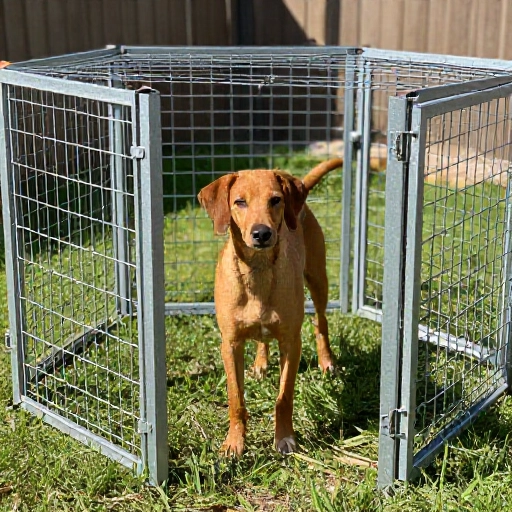
This is the idea I’d pick if I rented, moved often, or just wasn’t sure what I wanted yet.
Modular panels clamp together with pins, so you can build a rectangle today and expand it next spring. When I temporarily split my two dogs, I just unclamped one section and made two smaller runs in an afternoon.
Buy panels with a gate section included, and set them on a level gravel base so nothing shifts over winter.
Wrapping It Up
Out of everything I tried, the biggest wins were boring ones: a roof, good drainage, and shade from the afternoon sun. Everything else is decoration.
Start with those three, then layer in the nicer touches — the deck, the turf, the fan. Your dogs won’t care what it looks like. They’ll care that it’s dry, cool, and theirs.
FAQ
How big should an outdoor kennel be?
For most medium dogs, a run around 5 by 10 feet works well. Larger breeds do better with 6 by 12 feet or more. The sleeping box can be much smaller — just enough to stand up and turn around.
What’s the best flooring for an outdoor kennel?
Concrete with a slight slope drains best and cleans easiest. Gravel over compacted base is a close second. Avoid bare dirt — it turns to mud and holds odor.
How do I keep an outdoor kennel cool in summer?
Shade is number one, so a solid roof or shade cloth. Add airflow with an outdoor fan and keep water in a raised bowl with ice. Raised platforms also help because they let air move underneath.
Do I need a permit to build an outdoor kennel?
It depends on your area and the size of the structure. Small movable panel kennels usually don’t need one, but permanent buildings often do. A quick call to your local planning office will save you a headache later.
How do I stop my dog from digging out of the kennel?
Bury wire mesh around the perimeter and bend the bottom outward like an L. You can also add a concrete border. Digging is usually boredom, so more exercise and chew toys help too.