12 Dog Yard Transformations You Can Copy for a Backyard Your Pup Will Obsess Over
If your backyard currently looks like a muddy racetrack with sad, yellow patches and random craters, you are not alone. I spent years fighting dead grass, dirty paws, and that lovely eau de wet dog smell before I finally realized something important: the yard isn’t just mine anymore.
Once I started treating the space as a shared dog-and-human zone, everything changed. These 12 dog yard transformations are simple enough to copy over a weekend, and they’ll make your pup happier, your lawn healthier, and your outdoor time way more enjoyable. No fancy landscape degree required.
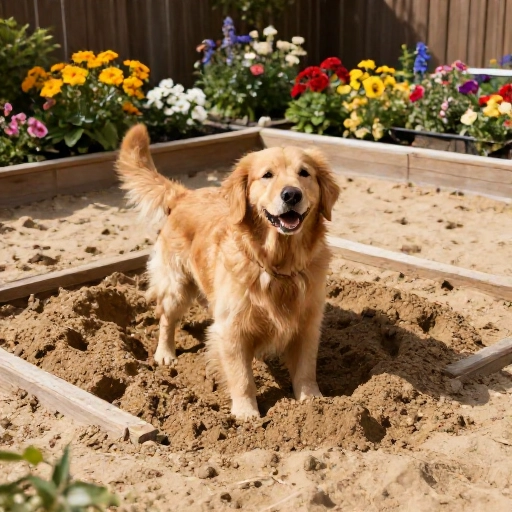
1. Add a Dedicated Digging Pit (So Your Flower Beds Finally Survive)
I learned the hard way that dogs don’t dig to annoy you; they dig because it’s genuinely fun. Instead of fighting instinct, I gave my dog a spot where digging is allowed and even encouraged.
Use a plastic kiddie pool or build a simple wooden frame, then fill it with sand or loose soil. Bury a few dog-safe toys or treats just below the surface to get things started. When your pup starts digging where they shouldn’t, redirect them to the pit with a happy voice and a treat.
Within a week, my flower beds stopped looking like a crime scene, and my dog had a new favorite hobby that didn’t make me want to scream.
2. Build a Dog Run Path Along the Fence Line
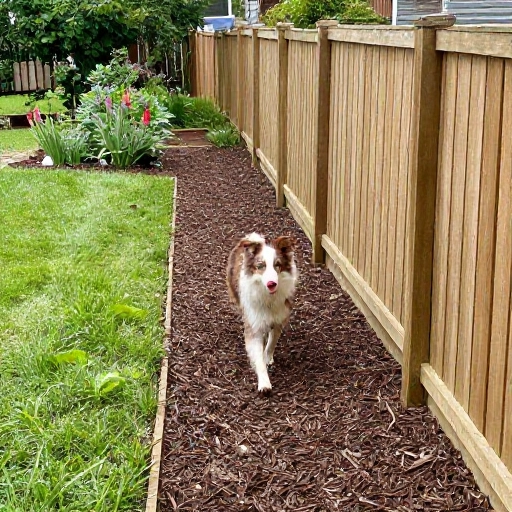
Many dogs love to patrol the perimeter of the yard, and that repeated traffic can wear a muddy track through your grass. Instead of fighting it, lean into it.
Clear a path about two to three feet wide along the fence, lay down landscape fabric, and cover it with mulch, wood chips, or pea gravel. Add simple edging to keep the material from spreading into the lawn. Your dog will naturally follow the path, and your grass will thank you.
I love this one because it turned an ugly problem into a design feature that looks intentional and keeps paws cleaner on wet days.
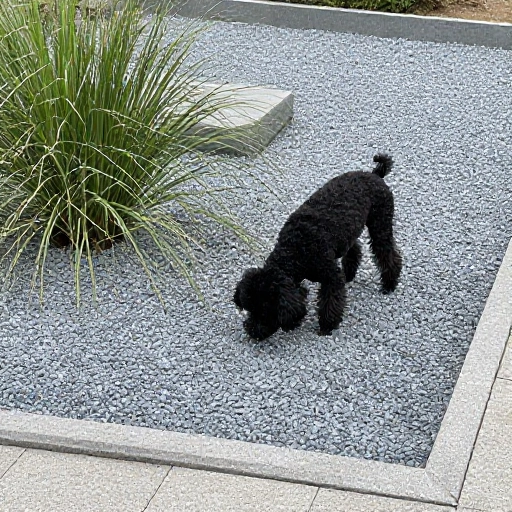
3. Create a Pea Gravel Potty Area That Drains Like a Dream
If yellow spots and muddy messes are your daily reality, a designated potty zone can change everything. Pick a corner of the yard that’s easy to access, lay down landscape fabric, and add three to four inches of pea gravel.
Gravel drains quickly, is easy to scoop, and doesn’t turn into a mud pit after rain. Add a low border or some pavers around the edge so the gravel stays contained and the space looks tidy.
Train your dog to use that area with a consistent command and lots of praise. It took my pup about a week to catch on, and now cleanup takes two minutes instead of twenty.
4. Install a Splash Pad or Shallow Dog Pool Zone
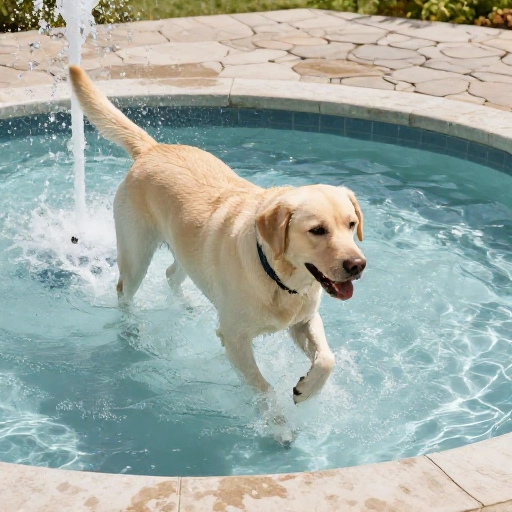
For water-loving dogs, a shallow splash zone is pure joy. You can start super simple with a sturdy plastic kiddie pool, or go a little fancier with a small splash pad and misters on a timer.
Keep the water shallow enough that your dog can stand comfortably, and use non-slip mats underneath if you’re working with decking or concrete. Drain and refill regularly to avoid mosquito issues and funky smells.
On hot afternoons, this becomes the most popular spot in the yard, and it wears out even the most energetic pups before dinner.
5. Raise Your Garden Beds to Create a Natural Barrier
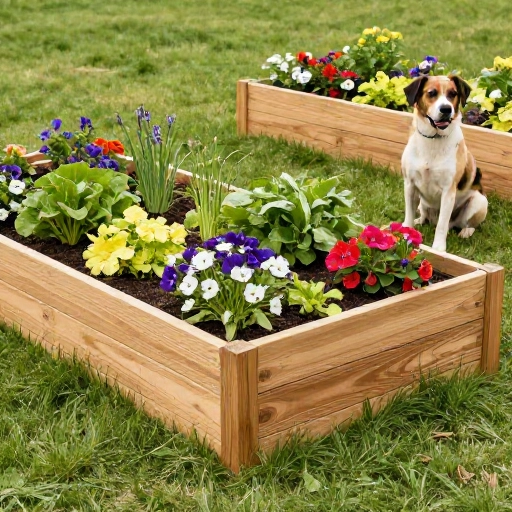
My dog used to treat every low plant bed like an all-you-can-eat salad bar and a napping spot. Raising the garden beds changed everything.
Build simple cedar boxes at least 18 to 24 inches tall. That height keeps most dogs from casually trampling through, and it also gives you a comfortable gardening height. Plant dog-safe flowers and herbs around the edges, but leave the center for your veggies.
Raised beds also define the space visually, so your dog learns where the “people garden” is and where the dog zone begins.
6. Set Up a Shaded Lounging Deck With a Raised Dog Cot
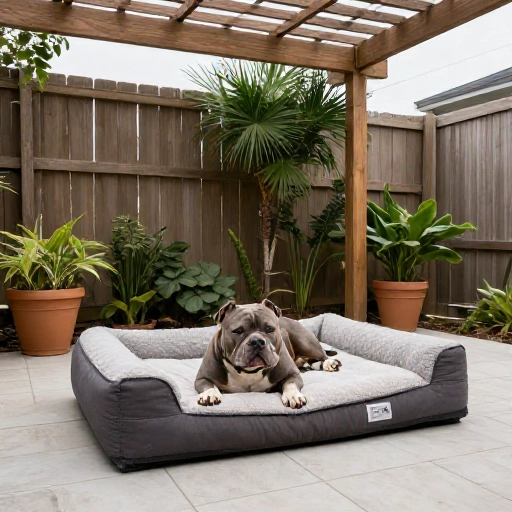
Dogs overheat faster than we do, so a shaded hangout spot is not optional if you live anywhere warm. I added a simple shade sail over a corner of the patio and placed a raised dog cot on top of some flat deck tiles.
The raised cot allows air to circulate underneath, which keeps your pup cooler than lying directly on hot concrete. Add a cooling mat in summer and a water bowl nearby.
My dog now heads straight to this spot when he’s ready to relax, and I don’t worry about him baking in the sun.
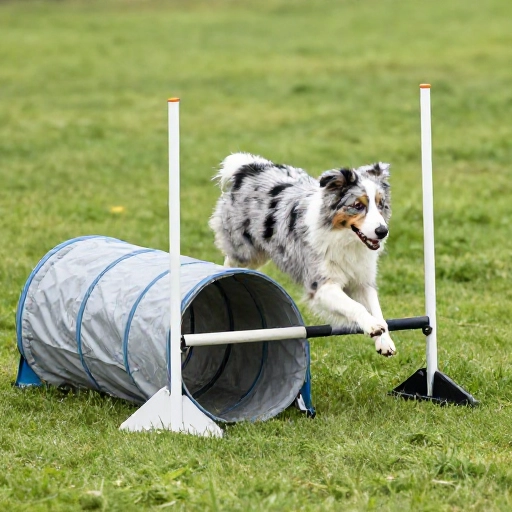
7. Build a Mini Backyard Agility Course
You don’t need a huge yard or expensive equipment to give your dog a workout. A few PVC jumps, a collapsible tunnel, and some weave poles can turn a boring patch of grass into an agility playground.
Rotate the obstacles every few weeks so your dog doesn’t get bored. Keep sessions short and fun, and always reward effort rather than perfection. This is a game changer for high-energy breeds that need a job to do.
Even ten minutes of agility after work helps my dog settle down indoors way better than a long walk alone.
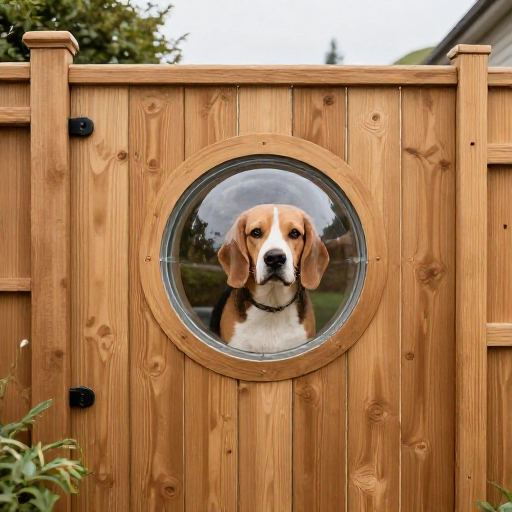
8. Add a Fence Window or Bubble for Curious Pups
Some dogs bark and scratch at the fence because they want to see what’s happening on the other side. A fence window or acrylic bubble gives them a safe view without letting them escape or antagonize the neighbor’s dog.
Install it at your dog’s eye level, and use a sturdy, weatherproof bubble designed for fences. It sounds small, but it can dramatically reduce barrier frustration and fence fighting.
I was skeptical at first, but this little window turned my reactive barker into a quiet observer within a couple of weeks.
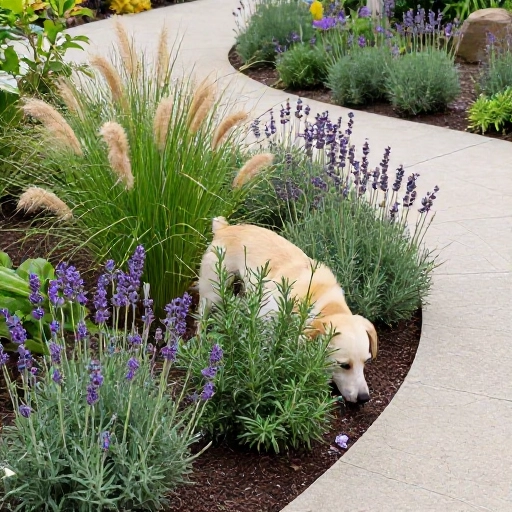
9. Plant a Dog-Safe Sensory Garden
Dogs experience the world through their nose, so give them a garden that smells amazing and is safe to sniff. I planted a mix of rosemary, thyme, basil, parsley, and some dog grass in a low planter.
Avoid anything toxic like onion, garlic, foxglove, or certain lilies. Add different textures like smooth stones, soft moss, and a little sand for sniffing and pawing. A sensory garden is basically a free enrichment activity.
My dog loves doing his “sniffari” through the herbs every morning, and I love that it’s all safe if he decides to take a little taste.
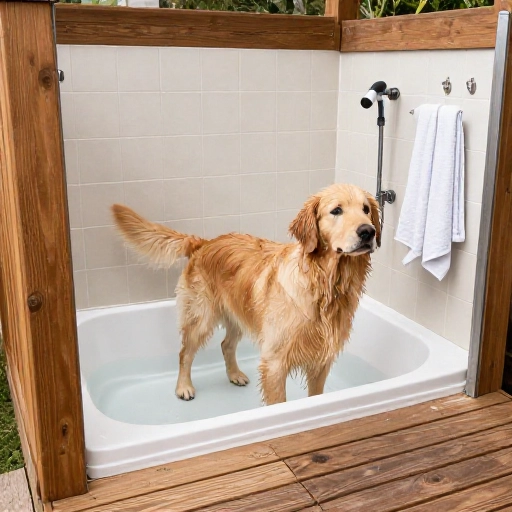
10. Build an Outdoor Dog Washing Station
If your dog comes inside with muddy paws every single day, an outdoor washing station will save your floors and your sanity. A simple wooden platform with a non-slip surface and a handheld shower attachment works great.
Use stone, tile, or composite decking that can handle water, and make sure there’s proper drainage below. Add a couple of hooks for towels and a small basket for dog shampoo.
I put mine right by the back door, so paws get rinsed before anyone steps inside. It’s one of those upgrades you didn’t know you needed until you have it.
11. Swap Bare Dirt for Clover or Dog-Tough Ground Cover
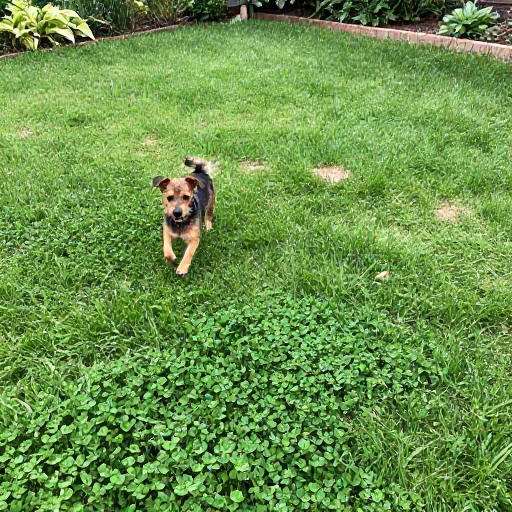
Traditional grass often loses the battle against dog urine and heavy paws. Instead of fighting it, I overseeded with a mix of clover and tall fescue, and the difference has been huge.
Clover is soft, stays green longer, fixes nitrogen into the soil, and handles dog traffic much better than many turf grasses. You can also look into creeping thyme or other dog-safe ground covers for sunny spots.
It still needs some care, but I no longer have those ugly brown urine burns everywhere, and the yard looks lush even with a zoomie-prone pup.
12. Designate a Cozy Sandbox for Digging and Lounging
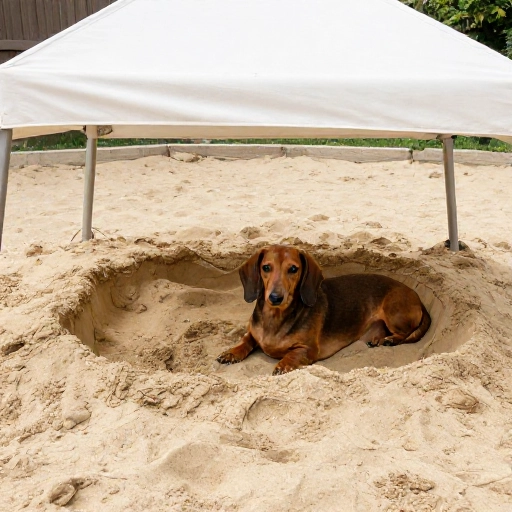
This is a step up from a digging pit but with a lounging twist. I built a larger wooden sandbox in a shaded corner, filled it with clean play sand, and added a partial cover so it doesn’t become a litter box for neighborhood cats.
Bury a few toys and treats to encourage digging, but also leave a flat area with a small cushion or mat where your dog can lounge. The sand stays cool in the shade and provides a nice texture change.
My dog digs, rolls, and naps in his sandbox all summer long. It keeps him out of my garden and gives him a little beach vacation in the backyard.
Conclusion
You don’t need a huge budget or a professional landscaper to create a yard your dog will love. The best transformations start with watching how your pup already uses the space and then working with those instincts instead of against them.
Pick one idea from this list, try it this weekend, and see what happens. Once you see the difference it makes, you’ll want to add more. A tired, happy dog and a cleaner, calmer yard are totally worth the effort.
FAQ
What is the cheapest dog yard transformation I can do right now?
A dedicated digging pit using a plastic kiddie pool and play sand is the cheapest option, usually under $30. It gives your dog a legal place to dig and saves your flower beds immediately.
How do I stop my dog from digging in my flower beds?
Give your dog a better alternative like a digging pit or sandbox, then redirect them every time they go for the flower beds. Consistency and praise for using the right spot are key.
What ground cover is best for dog urine?
Clover mixed with tall fescue is one of the best options because it handles nitrogen well and stays green. Pea gravel or mulch in high-traffic potty areas also works great.
Are raised garden beds safe for dogs?
Yes, raised beds made from untreated cedar or other dog-safe wood are safe. Just avoid treated lumber that can leach chemicals, and don’t plant anything toxic within paw reach.
How can I keep my dog cool in a yard without shade?
Add a shade sail, a raised dog cot, and a shallow water bowl or splash pool. These three things together can lower the temperature in your dog’s favorite spot by several degrees.