11 Best Dog Impulse Control Games for Teaching Self Control
Does your dog lunge at every squirrel? Jump on guests the second they walk in? Snatch treats from your hand like a tiny tornado? I’ve been there. Teaching impulse control was the biggest game-changer for my pup’s manners. It’s not about being strict—it’s about showing your dog that waiting calmly actually gets them what they want, faster.
These 11 games are simple, fun, and work for dogs of all ages. You don’t need fancy gear, just patience and a pocket full of treats. Let’s turn that excited chaos into calm cooperation.
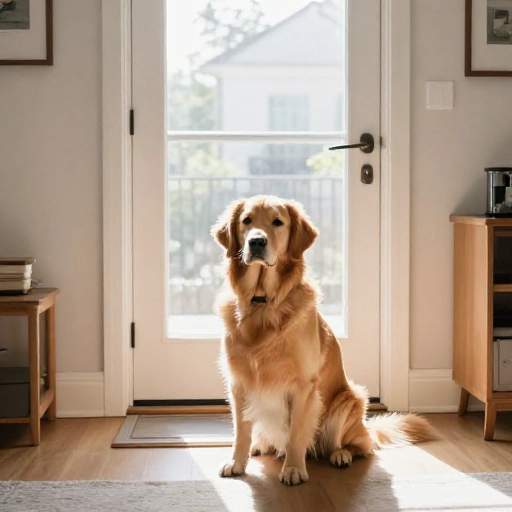
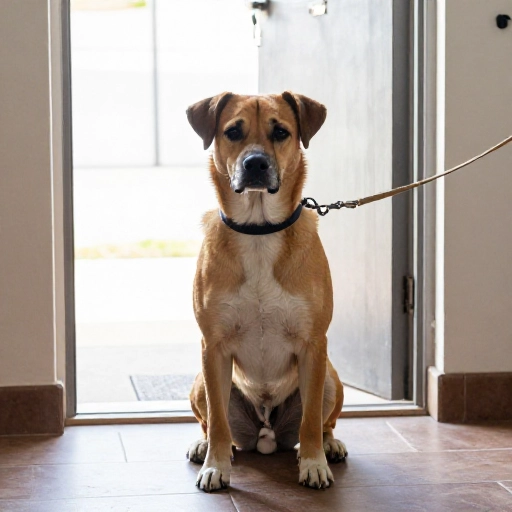
1. The “Wait” Game at the Door
This is the classic for a reason. It teaches your dog that doors only open when they are calm. Start with a boring interior door, then level up to the front door later.
- Ask your dog to sit or stand a few feet from the door.
- Reach for the handle. If they move, pull your hand back and wait.
- Only open the door a crack when they are still. Close it if they rush.
- Reward calmness with a treat and a release word like “okay” to go through.
Practice this dozens of times. Soon your dog will offer a sit automatically when you grab your keys.
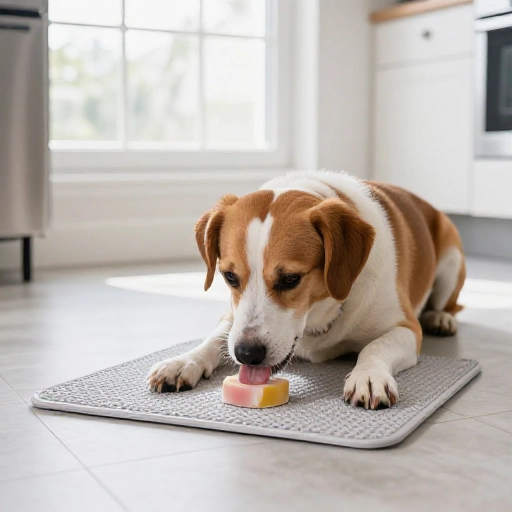
2. The Frozen Treat Mat Challenge
Licking is naturally calming for dogs. A frozen lick mat or Kong turns a crazy moment into a focused, slow activity. It’s pure impulse control training disguised as a snack.
- Spread plain yogurt, peanut butter (xylitol-free), or mashed banana on a mat.
- Freeze it for a few hours until solid.
- Give it to your dog only when they are in a calm down position.
- If they try to flip it or carry it off, gently reset it and say “easy.”
I keep one in the freezer for when I need ten minutes of peace. It rewires their brain to slow down and savor.
3. The Name Game (Look at Me)
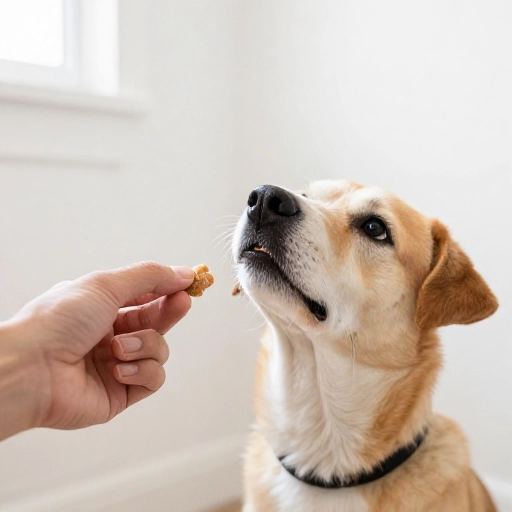
Impulse control starts with attention. When your dog can look at you instead of the trigger, everything gets easier. This game builds that reflex.
- Say your dog’s name in a happy, neutral tone.
- The moment they look at you, mark it with “yes!” and drop a treat.
- Gradually add distractions: bounce a ball, have someone walk past.
- Only reward the glance, not the movement toward the distraction.
I practice this at the park bench. It’s like a reset button for their brain.
4. The “Leave It” Tower
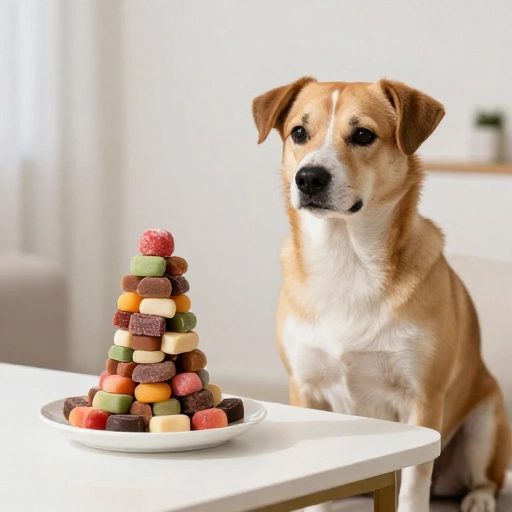
This isn’t just for dangerous items on the ground. It teaches your dog that ignoring something tempting leads to a better reward. Build a little tower of value.
- Place a low-value treat on the floor, cover it with your hand.
- Wait until your dog stops sniffing or pawing. The instant they pull back, say “yes!” and give a high-value treat from your other hand.
- Progress to uncovered treats on the floor, then to a pile of treats.
- Always trade up. They learn that “leave it” means something amazing is coming.
This skill has saved my shoes, my sandwich, and my socks.
5. The Slow Bowl Puzzle
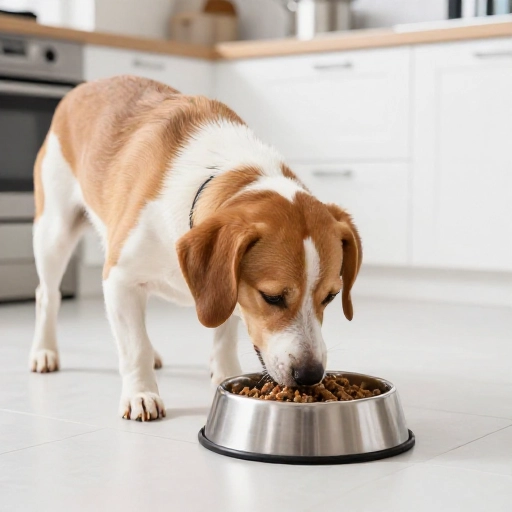
Mealtime is a perfect chance to practice patience. Instead of a free-for-all, turn dinner into a game. It slows down gulpers and builds waiting muscles.
- Use a slow feeder bowl or scatter kibble on a towel and roll it up.
- Ask for a “wait” before placing the bowl down.
- Only release them to eat with a calm cue like “take it.”
- If they lunge, lift the bowl and start over.
After a week, my dog started looking at me before diving into the bowl. That tiny moment of eye contact is gold.
6. The “Paws on a Mat” Stay
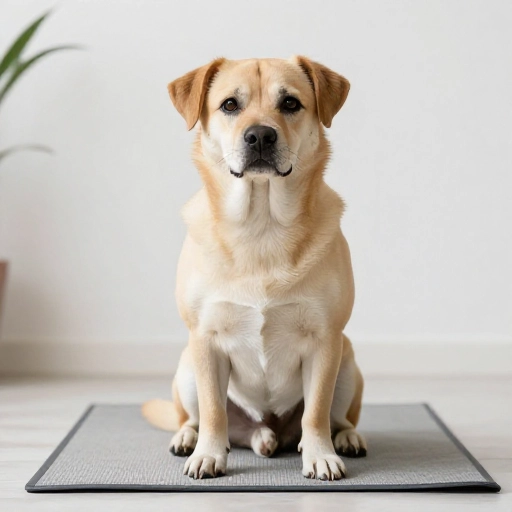
A designated mat or blanket becomes their “calm spot.” This game teaches them to settle on cue, even when exciting things happen nearby.
- Place a mat on the floor. Lure your dog onto it with a treat.
- Reward them for all four paws on the mat. Use a word like “place.”
- Start tossing treats onto the mat so they learn to return to it.
- Gradually increase the time between treats. Walk a step away, then come back.
I use this when the doorbell rings. My dog now runs to her mat instead of the door.
7. The Trading Game
Possessiveness can look like poor impulse control. Trading teaches your dog that giving up something valuable leads to something even better.
- Give your dog a medium-value toy or chew.
- Show them a high-value treat. Say “trade” and offer it near their nose.
- When they drop the item, mark and give the treat. Then return the original item.
- Never pry or pull. Let them choose to release.
This builds trust and self-control around resources. It’s also great for safe retrieval of stolen socks.
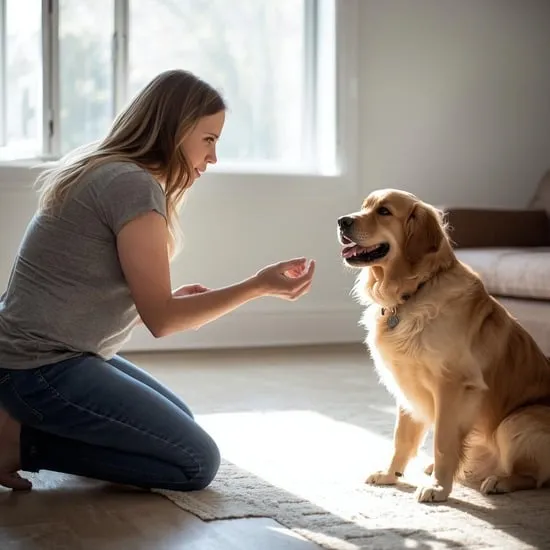
8. The “It’s Your Choice” Game
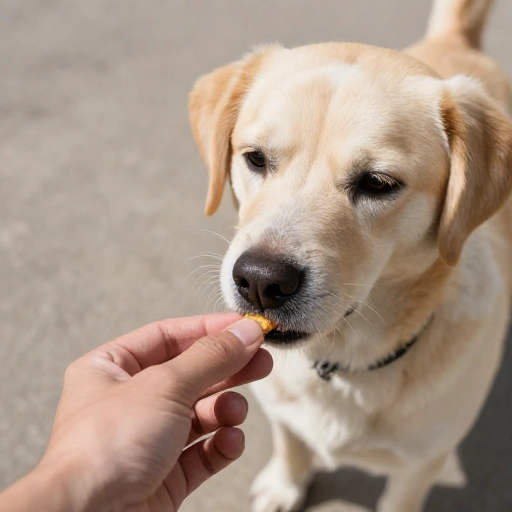
This is the ultimate impulse control exercise. Your dog learns that staring at a treat calmly makes it appear. Rushing makes it vanish.
- Hold a treat in your closed fist. Let your dog sniff, lick, paw.
- The instant they pull their nose back or look away, open your hand and say “take it.”
- If they lunge, close your hand and wait for calm again.
- Progress to an open palm. Only reward when they wait for your signal.
This game teaches pure self-control. My dog now waits for permission before grabbing anything from my hand.
9. The Circle Walk
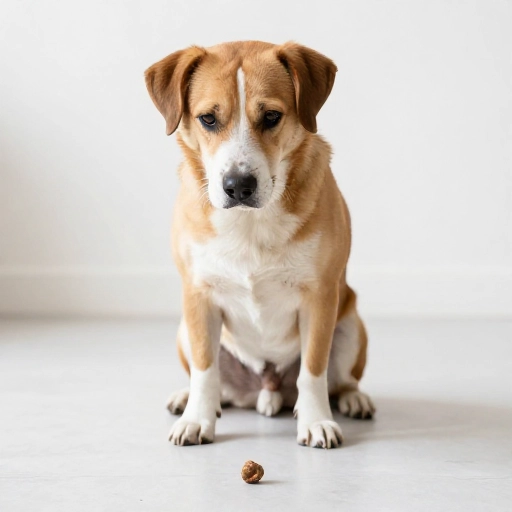
Leash reactivity often comes from poor impulse control. This game uses movement to redirect focus and calm the nervous system.
- In a low-distraction area, walk in a small circle with your dog on a loose leash.
- Every few steps, stop and ask for a sit. Reward with a treat.
- Change direction suddenly. Your dog must check in with you to follow.
- Gradually add mild distractions like another person walking by.
The constant changes keep their brain engaged and teach them to look to you for guidance.
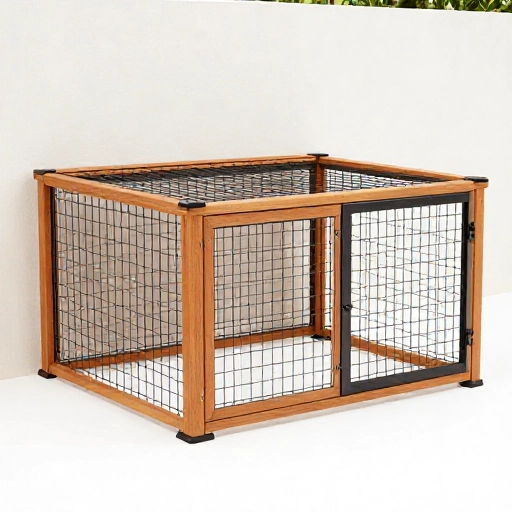
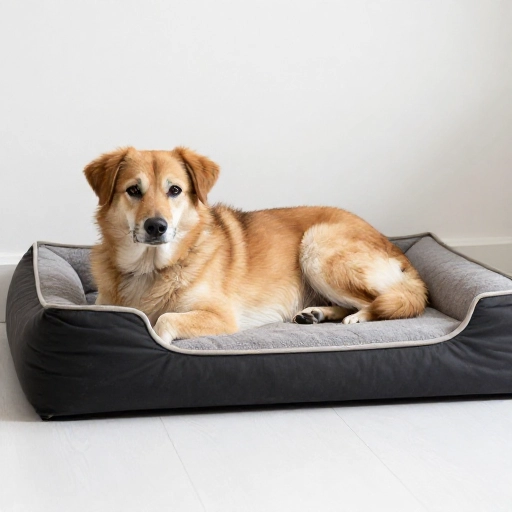
10. The “Go to Bed” Reset
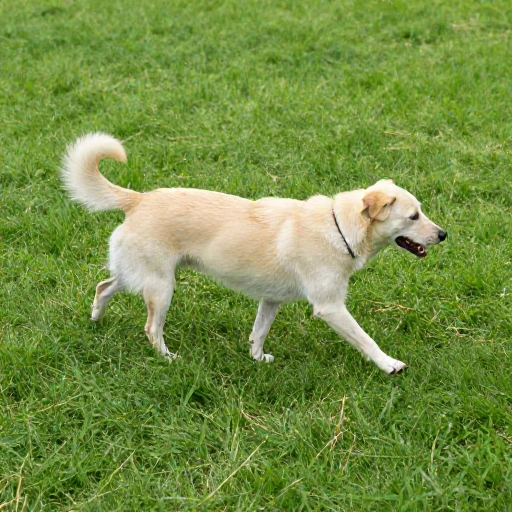
When your dog is overexcited, they need a break. This game teaches them to voluntarily go to a designated spot and settle until released.
- Use a bed or crate. Toss a treat onto it and say “go to bed.”
- When they step on it, reward. Gradually require them to lie down.
- Add a duration cue like “settle.” Reward calm breathing.
- Practice during exciting moments: you cooking, someone arriving.
This gives your dog a clear job to do when they don’t know how to act. It’s a lifesaver for hyper greetings.
11. The “Find It” Calm Down
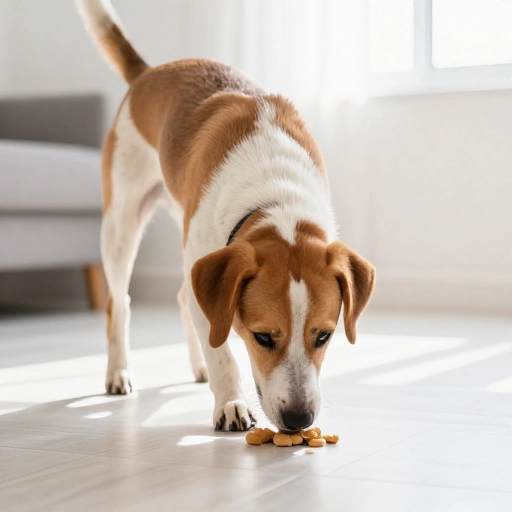
Instead of focusing on a trigger, this game redirects their energy into a nose-based search. Sniffing naturally lowers heart rate and builds focus.
- Drop a treat on the ground near you. Say “find it” as they sniff it out.
- Gradually toss treats farther away, or hide them under a towel.
- Use it when you see arousal building: a dog approaching, a car passing.
- Keep the game calm. No frantic throwing. Let them sniff at their own pace.
I use this on walks to break the stare-down with a neighbor’s cat. It instantly shifts their mindset.
Conclusion
Impulse control isn’t about perfection. It’s about practice. Every game you play builds a little more self-regulation in your dog’s brain. Some days will feel slow, and that’s okay. Keep sessions short, end on a win, and always celebrate the small moments of calm.
Your dog wants to make good choices—they just need you to show them how. Pick one game today and try it for five minutes. You might be amazed at what they already know.
Frequently Asked Questions
1. How long does it take to see results with impulse control games?
Some dogs show improvement in a week, others take a month. Consistency matters more than speed. Five minutes daily is better than one long session weekly.
2. Can I play these games with a puppy?
Absolutely. Start with very easy versions like the Name Game or “It’s Your Choice.” Keep sessions under three minutes for young puppies.
3. What if my dog gets frustrated and quits?
Lower the difficulty. Go back to an easier step and reward more frequently. Frustration means the challenge is too high. Make it simpler and build confidence.
4. Do I need special treats for these games?
Soft, smelly treats work best because they are high value. Cut them into pea-sized pieces so you can reward often without overfeeding.
5. My dog is reactive on walks. Which game should I start with?
Start with the Name Game and “Find It” indoors, then practice in your yard. The Circle Walk is also excellent for building focus around distractions.