What Losing a Dog Does to You
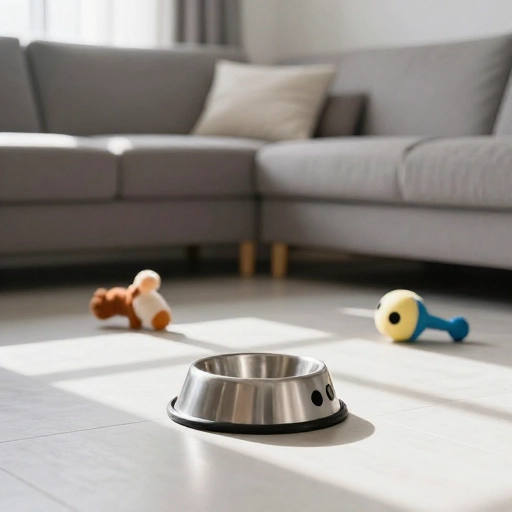
When I lost my dog, I didn’t just lose a pet. I lost a piece of my daily rhythm, my silent confidant, and the warm weight at the end of the bed. The grief came in waves I never expected, hitting me at the strangest moments—the quiet of the morning walk, the leftover food bowl in the corner, the spot on the couch that suddenly felt too empty.
Losing a dog rearranges something deep inside you. It’s not like losing a person, but it’s also not like losing anything else. Your dog knew you before you had your guard up, saw you at your worst, and loved you anyway. That absence leaves a hollow space that takes time to understand.
If you are walking through this right now, know that what you feel is real. The pain is not silly or small. It’s the price of having loved something so purely.
Your Daily Routine Disappears Overnight
The first thing I noticed was the silence. No jingling collar at 6 AM, no soft whine for breakfast, no paws clicking on the floor. The routine that once felt like a chore became a lifeline, and suddenly it was gone.
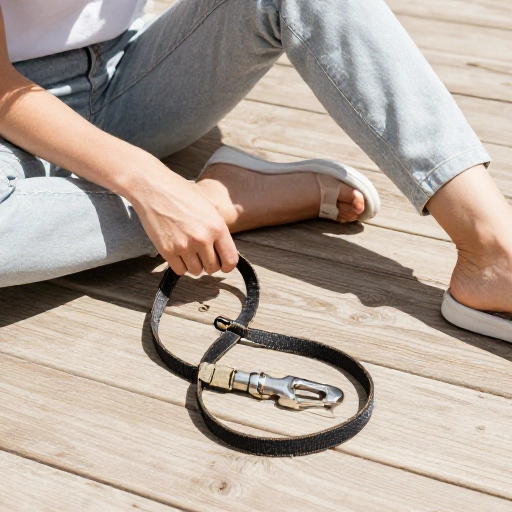
You find yourself still walking to the door at certain times, still reaching for the leash out of habit. Your body remembers what your mind hasn’t accepted yet. It’s disorienting, like moving through a day that no longer fits.
Creating a new rhythm takes time. Be patient with the emptiness. It’s okay to let the routine fade slowly.

Your Home Feels Strangely Empty
A house without a dog feels different. The corners look larger, the floors colder, the silence heavier. I would catch myself staring at their bed, their favorite spot by the window, the dent in the couch cushion.
You might feel the urge to keep their things exactly as they were. That’s normal. You are not holding onto objects—you are holding onto the memory of their presence. Eventually, you will know when it’s time to move things around. But for now, let everything stay.
Give yourself permission to feel the emptiness. It’s proof that love lived here.
Your Body Grieves Too
Grief isn’t just emotional—it’s physical. I felt a tightness in my chest, a heaviness in my limbs, a constant knot in my stomach. Sleep became restless, and some days I had no appetite at all.
This is your body processing loss. It’s not weakness, it’s biology. The bond you shared was real, and your nervous system is adjusting to its absence.
- Allow yourself to rest more than usual.
- Drink water even when you don’t feel like eating.
- Move gently—a short walk, some stretching, fresh air.
Your body needs time to catch up with your heart.
You Grieve the Small Moments Hardest
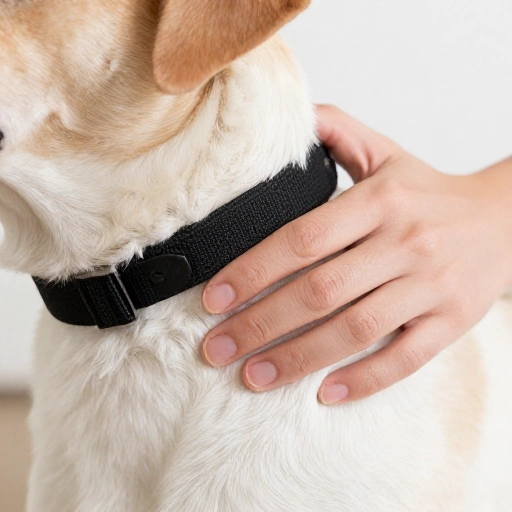
It wasn’t the big adventures that hit me hardest. It was the small things—the way they greeted me at the door, the sound of them drinking water, the weight of their head on my lap during a movie. Those tiny rituals were the threads that wove our days together.
You might find yourself crying over a forgotten toy under the couch or the last bit of fur still stuck to your sweater. That’s not silly. That’s love lingering in the details.
Let those moments come. They are part of your story together.
You Might Feel Guilty—Even When You Shouldn’t
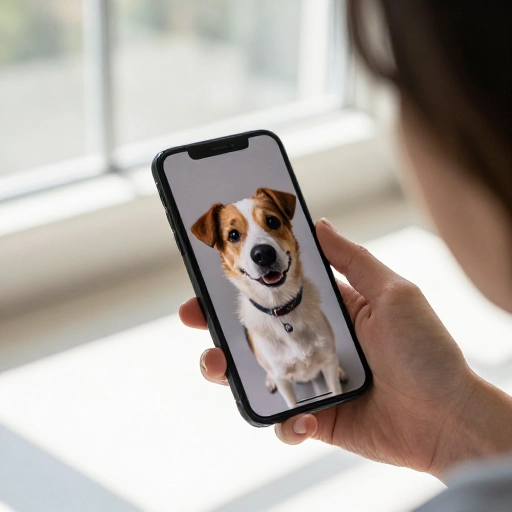
Guilt crept into my grief like an unwelcome guest. Did I do enough? Could I have done more? Should I have noticed something sooner? The questions loop endlessly, but they don’t help.
The truth is, you gave them a good life. You were there. You loved them the best you could. Dogs don’t keep score of our imperfections—they only remember the warmth, the walks, the treats, the belly rubs.
Be kind to yourself. Your dog never doubted your love. Don’t start now.
You Wonder If You Should Get Another Dog
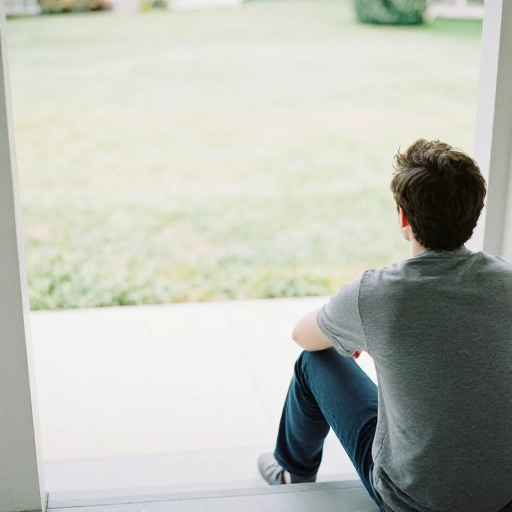
People start asking too soon: “Are you going to get another one?” The question stings, but it comes from a good place. The idea feels like a betrayal at first. How could you ever replace them?
You don’t replace a dog. You don’t replace a soul. But sometimes, when the grief settles, you find room for another story. Not to fill the void, but to create new love alongside the old.
There is no timeline for this. You will know when—or if—you’re ready.
You Learn That Grief Has No Timeline
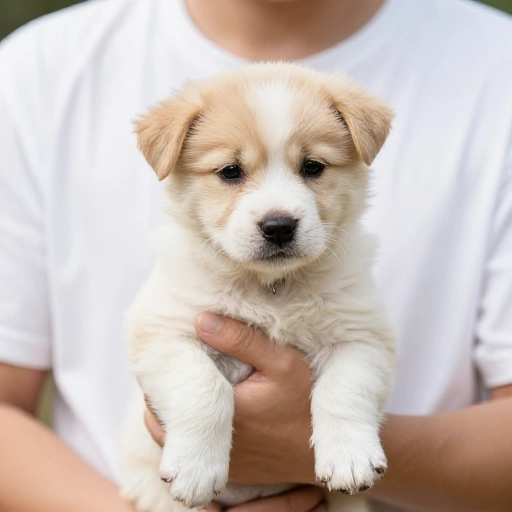
Some days you feel okay. You laugh, you go out, you almost forget. Then a song plays, or you see a dog that looks like yours, and the grief crashes back. This is normal. Grief doesn’t follow a straight line.
Don’t judge yourself for having a bad day three months later, or a good day three days after. Let your feelings come and go like weather. They will soften with time, but they never fully disappear.
And that’s okay. The love remains, even when the pain fades.
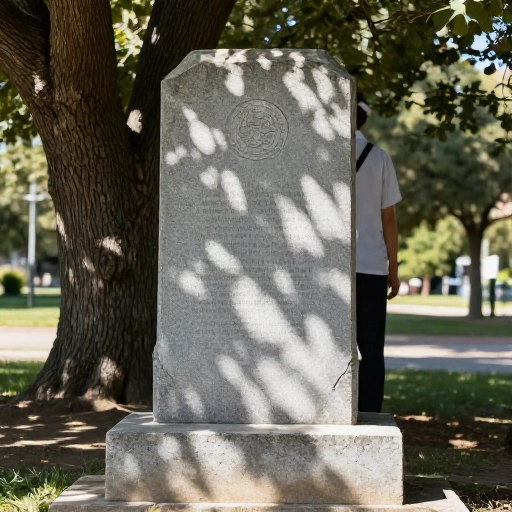
You Start to Remember the Joy
At some point, the memories stop hurting quite so much. You find yourself smiling at the silly things they did—the way they chased their tail in circles, the face they made when you said “walk,” the way they sneezed when they were excited.
This is the gift they left behind. The joy becomes louder than the loss. You realize that the pain was just the price of having something wonderful.
One day, you will tell stories about them and laugh. That day will come.
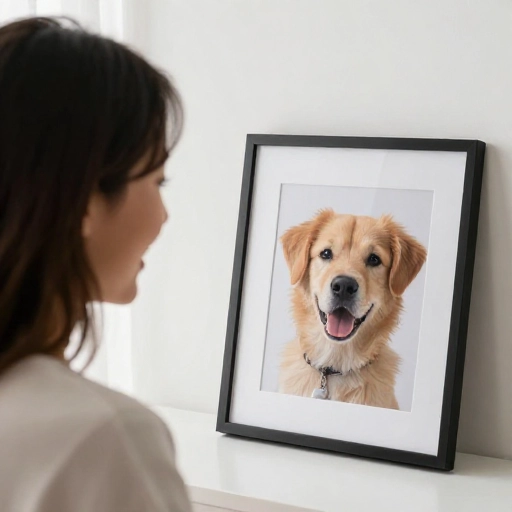
You Carry Them With You
They aren’t really gone. Not completely. They live in the habits you formed together, the patience you learned, the unconditional love you now know is possible. You carry them in the way you treat other animals, the kindness you offer strangers, the quiet moments when you feel something warm near your feet.
I find my dog in sunbeams on the floor, in the smell of rain on pavement, in the sound of happy barking from somewhere down the street. They are woven into who I am now.
Losing a dog changes you. But it also deepens you. You loved fully, and that love doesn’t end.

Conclusion
Losing a dog is one of the hardest things you will go through. It’s raw, it’s confusing, and it’s deeply personal. But it is also a testament to how much love you are capable of. Your heart broke because it was full. That is not a weakness—it’s the whole point.
Be gentle with yourself. Let the tears come. Talk about them. Keep their collar, their photo, their favorite toy if you need to. There is no right way to grieve. There is only your way.
And one day, maybe soon, maybe later, you will feel them wagging their tail somewhere inside you. That’s when you know they’re still here.
Frequently Asked Questions
How long does the grief of losing a dog last?
There is no set timeline. For some, the intense grief fades after a few weeks. For others, it takes months or longer. Grief comes in waves, and it’s different for everyone. Give yourself grace.
Is it normal to feel guilty after losing a dog?
Yes, very normal. Many people wonder if they could have done more. But your dog knew you loved them. Guilt is often just grief wearing a different mask. Talk to someone who understands.
Should I get another dog right away?
Not unless you feel truly ready. There’s no rush. Some people wait years, others never get another dog. Honor your own heart. A new dog won’t replace your old one—they will just be a new chapter.
Why does losing a dog hurt so much?
Because your dog was a constant presence in your daily life. They offered unconditional love, companionship, and routine. Losing that bond disrupts your emotional and physical world. It hurts because it mattered.
How can I honor my dog’s memory?
You can create a small memorial, plant a tree, donate to an animal charity, or simply keep their photo in a special place. But the best way to honor them is to carry their love forward—by being kind, patient, and open to loving again when the time feels right.