Why Your Dog Ignores Recall
You call your dog’s name. Nothing. You try your happy voice. They glance back, then keep sniffing. It happens to the best of us. That moment when your dog pretends you don’t exist is frustrating. And honestly, it can feel a little embarrassing.
I have been there more times than I can count. My own dog once looked me dead in the eye and trotted the other way. It is not personal. It is communication. Your dog is telling you something is broken in the recall game. Let’s figure out what that is.
Recall is not just about teaching a word. It is about building a habit that feels better than everything else in the world. If your dog is ignoring you, there is always a reason. Here is what might be going wrong.
Your Voice Feels Like a Punishment
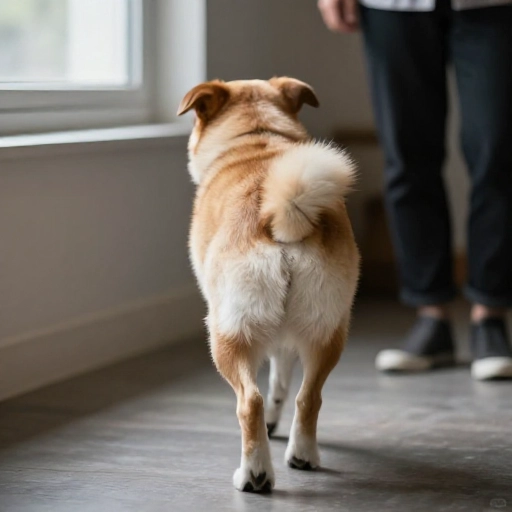
Think about how you say your dog’s name. Is it often followed by something boring? Like leaving the park, getting nails trimmed, or stopping a fun game?
Dogs are clever. They notice patterns. If your voice usually means fun is ending, they will tune you out.
- Try saying their name only for good things
- Use a silly, high-pitched tone when you call
- Never use recall for something negative
Your dog should think your voice is the best sound in the world. If it sounds angry or tired, they will ignore it.
The Reward Is Too Boring
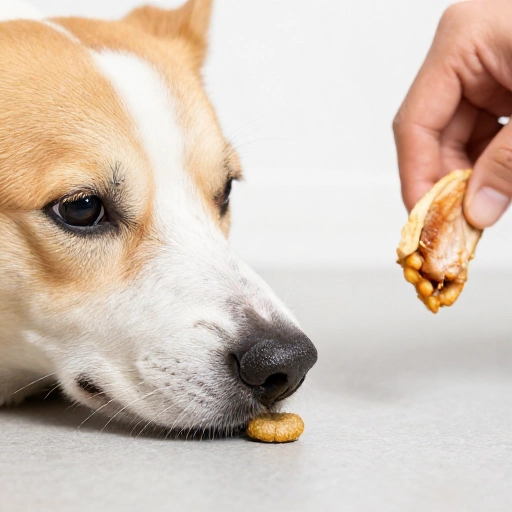
We expect dogs to come for a pat on the head. But what if the world smells better than your hand? A squirrel, a new dog, a dropped french fry — those are high value. Your treat needs to compete.
If you are using the same boring kibble from breakfast, do not be surprised when they choose the mud puddle.
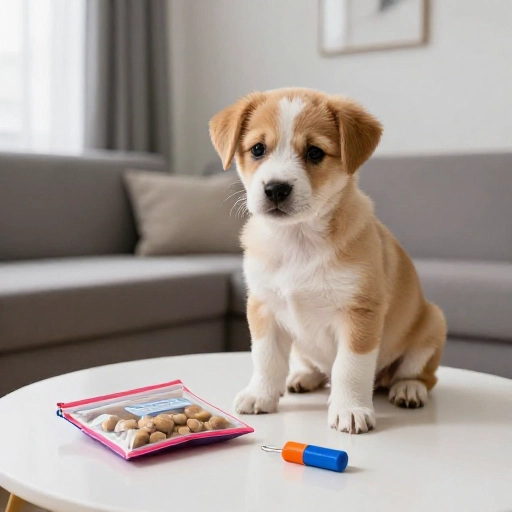
- Keep a special recall treat that only comes out for this
- Use chicken, cheese, or hot dog bits
- Make coming to you a party, not a chore
Your reward must be worth leaving paradise. Make it count.
You Called Them Too Many Times
We all do this. You say “Come!” once. Nothing. You say it again. Louder. Then again. By the fifth time, your dog has learned that the first four calls are just noise. The real command starts later.
This teaches them to wait. They know they can ignore you until your voice changes.
- Only say the cue once
- If they do not come, go get them calmly
- Never repeat yourself in a frustrated tone
One clear call is enough. If they miss it, you move. Do not nag.
They Are Overstimulated
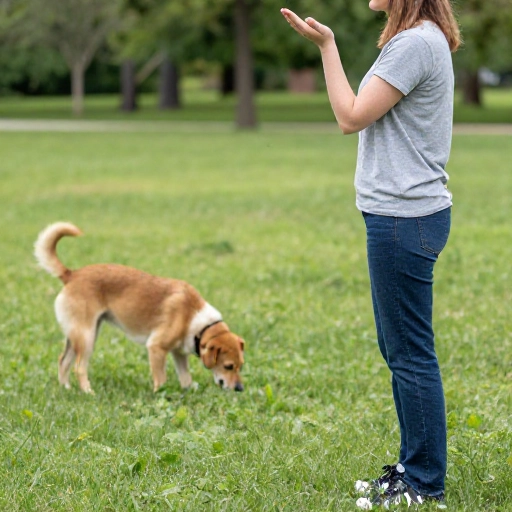
Some environments are just too exciting. The dog park, a busy trail, or a yard full of smells. In those moments, your dog’s brain is full. They cannot hear you over the noise of fun.
This is not defiance. It is sensory overload. They literally cannot process your voice.
- Start recall in boring, quiet spaces
- Build up to distracting places slowly
- Use a long leash for safety
If your dog is overwhelmed, help them succeed. Do not set them up to fail.
You Only Call Them to Leave
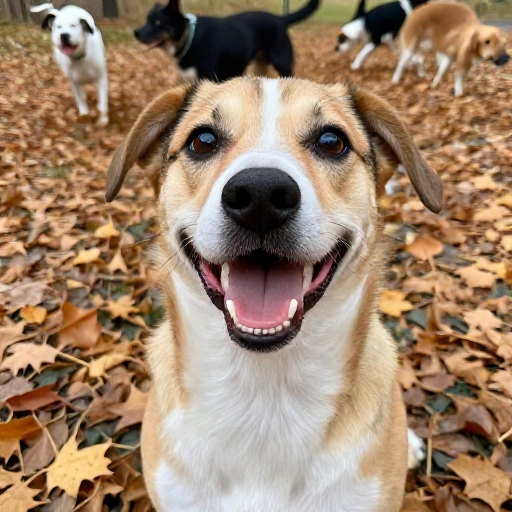
This one hurts but it is true. Do you only call your dog when it is time to go home? If every recall means the fun ends, they will avoid you. It is logical.
Your dog learns that coming to you means goodbye. That is a hard sell.
- Call them randomly during walks for a treat, then let them go play again
- Practice “come and go” games
- Make recall a pause, not an ending
They need to know that coming to you sometimes means more fun, not less.
They Were Never Properly Trained
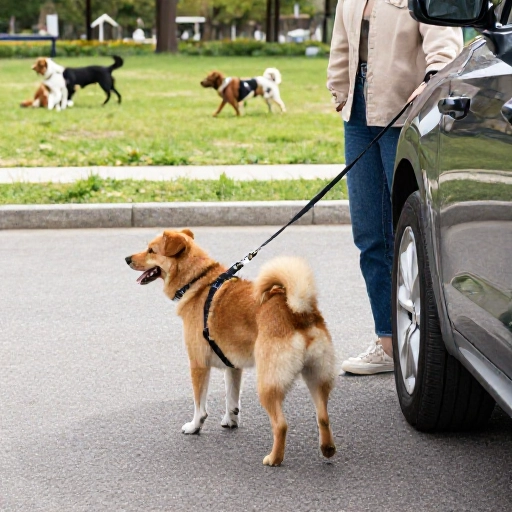
We assume recall is natural. It is not. It is a skill that needs practice in many places. If you only trained in your living room, do not expect it to work at the beach.
Dogs do not generalize well. They think “come” means the kitchen, not the park.
- Practice in new spots every week
- Use a long line until it is solid
- Reward every single success
Recall is not a trick. It is a relationship skill. Train it like one.
Your Body Language Says No
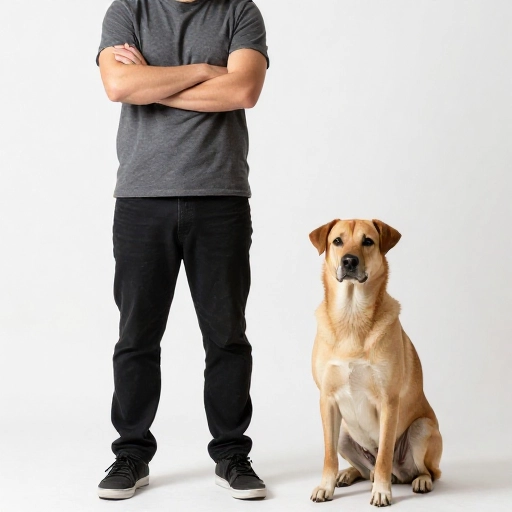
Sometimes it is not what you say, but how you stand. If you are tense, leaning forward, or looking angry, your dog reads that. They might think they are in trouble.
Dogs are masters of body language. If your posture is stiff, they hesitate.
- Kneel down or squat
- Open your arms wide
- Smile and act excited
Your body should invite them. Not scare them away.
They Are in Teenage Mode
If your dog used to come every time and now ignores you, they might be an adolescent. Between six months and two years, dogs test boundaries. It is normal. It is also annoying.
Their brain is rewiring. They suddenly have opinions about everything.
- Go back to basics with high rewards
- Keep them on a leash more often
- Do not take it personally
This phase passes. Stay consistent and patient.
There Is a Distraction You Cannot See
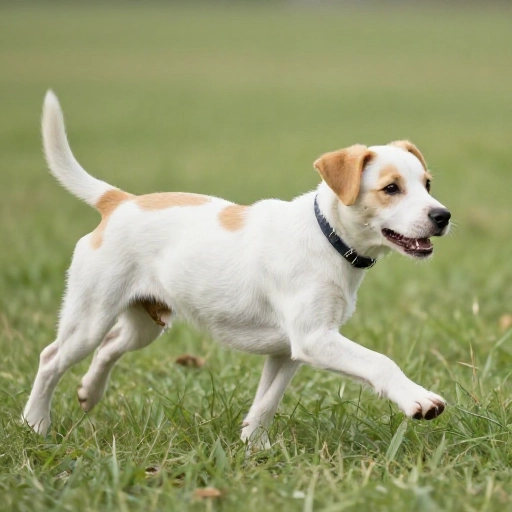
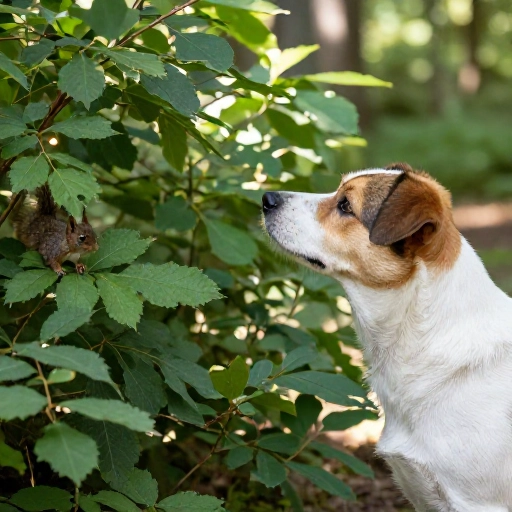
Sometimes your dog is not ignoring you. They are focused on something you missed. A faint smell, a distant sound, or a shadow. Dogs sense things we cannot.
It might look like stubbornness. But it is actually intense focus.
- Watch what they are looking at
- Move to a different spot
- Use a whistle or unique sound to break focus
If they are locked in, help them disengage. Do not just shout louder.
You Have Not Practiced in a While
Recall is a muscle. If you do not use it, it weakens. We get lazy. We assume they know it. But skills fade without practice.
Even a few days without training can make a difference.
- Do five recall practice sessions per week
- Make it a game in your backyard
- Randomly call them during the day
Keep it fresh. Keep it fun. Keep it rewarding.
Conclusion
Recall is not about dominance or being the alpha. It is about trust and value. Your dog ignores you because something else feels better. Your job is to make yourself the best option in every room, park, and trail.
Be patient. Be consistent. Be the most interesting thing in their world. And when they finally come running, throw a party. That is how you build a dog that never ignores you again.
Frequently Asked Questions
Why does my dog come sometimes but not others?
That is usually about distraction level. In a quiet house, recall is easy. At the dog park, it is hard. They are not being difficult. They are being honest about what is more exciting. Keep practicing in different spots.
Should I punish my dog for not coming?
Never punish a dog for coming late. If you get angry when they finally arrive, they learn that coming to you leads to trouble. That destroys recall forever. Always reward the arrival, even if you are frustrated.
How long does it take to teach solid recall?
It depends on the dog and your consistency. Some dogs get it in weeks. Others take months. The key is never stopping practice. It is a lifelong skill, not a one-time lesson.
What is the best treat for recall training?
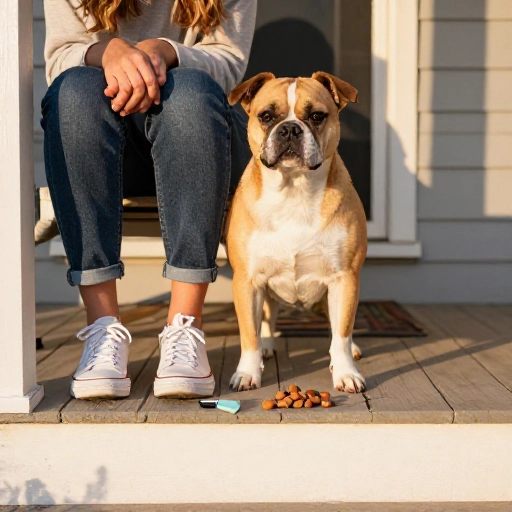
Something stinky and soft. Think boiled chicken, cheese cubes, or freeze-dried liver. It should be a treat your dog does not get any other time. That makes it special and worth leaving fun things for.
My dog only comes when I have a treat. Is that bad?
Not at all. That is how training works. Eventually you can phase treats out, but never completely. Random rewards keep the behavior strong. Always carry a few treats. It is a small price for a reliable recall.