First Week With a New Puppy: 10 Real-Life Tips to Survive, Bond, and Sleep Again
Bringing home a new puppy is one of those experiences that’s equal parts magical and messy. I still remember staring at my tiny puppy on day one, thinking, “I’m responsible for this little life now.” Then she peed on the rug, cried for an hour, and chewed my shoelace. Welcome to puppy parenthood.
The first week with a new puppy isn’t about being perfect. It’s about keeping everyone safe, fed, rested, and a little bit sane. You’re building trust, starting routines, and learning each other’s rhythms.
These are the tips I wish I had taped to my fridge during that first whirlwind week. They’re simple, practical, and very doable—even when you’re running on three hours of sleep.
Create a Tiny Safe Zone Before Your Puppy Walks In
I made the mistake of letting my puppy explore the whole living room on day one. It was way too much. She hid under the couch, then cried when I tried to coax her out. What actually helped was setting up one small, quiet safe zone.
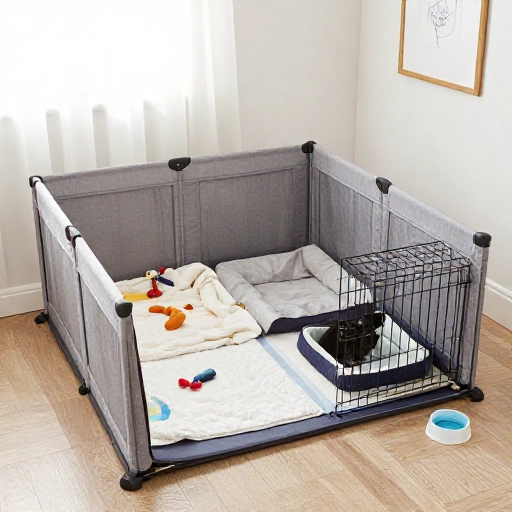
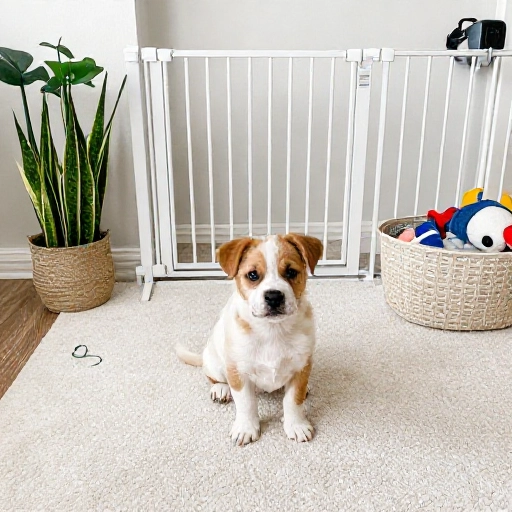
Think of it as a puppy nursery: a playpen or a gated corner with a crate, water bowl, washable bed, and a couple of safe toys. Keep it close to where you spend time, so your puppy can see you but not feel swallowed by the whole house.
- A crate or small bed
- Pee pads or a easy-to-clean floor
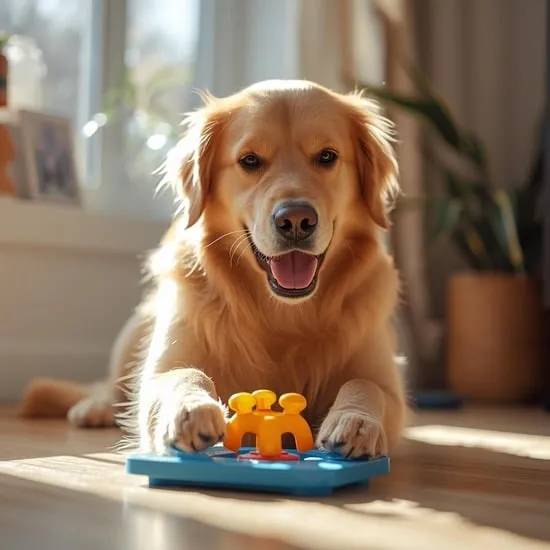
- One or two chew toys, not a basket full
- A water bowl that clips to the side
This little space becomes your puppy’s calm base. When the world feels big, they can retreat there. And you get a safe spot to put them when you need to answer the door or just breathe.
The First Night Is a Weird Mix of Cute and Chaos
No one warns you how loud a tiny puppy can cry at 2 a.m. On our first night, my puppy howled like a tiny wolf. I felt terrible, but I also knew she was in a brand-new place without her mom and littermates.
I slept on the floor next to her crate for the first two nights. Not glamorous, but it helped. She could smell me, hear me, and settle faster. A worn T-shirt with my scent in the crate also seemed to help.
Keep the room dim, quiet, and boring. No playtime during potty breaks. If your puppy whines, wait for a tiny pause before opening the crate so they don’t learn that crying always works. It’s tough love, but it’s kind love too.
Potty Breaks Every Hour? Yes, Really.
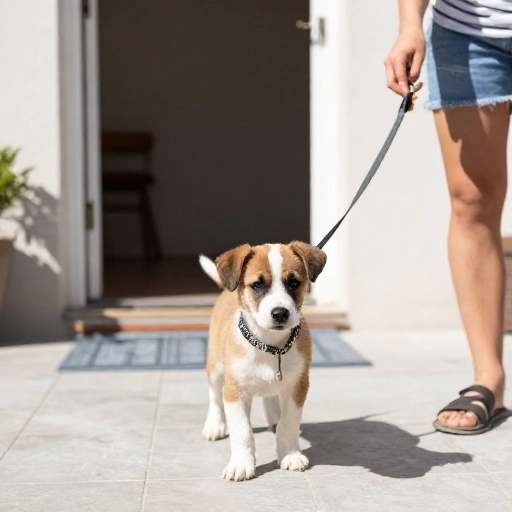
During the first week, I felt like all I did was take my puppy outside. And that’s normal. A young puppy’s bladder is tiny. They can’t hold it for long, and they don’t yet know where “outside” is.
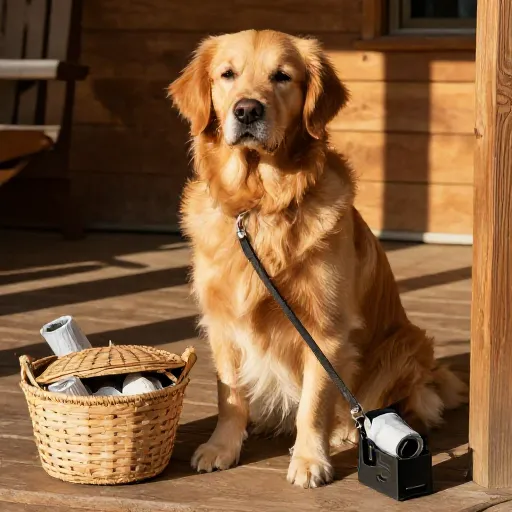
I set a timer and took her out every 45 to 60 minutes during the day. Also right after waking up, after eating, after drinking, after play, and before bed. If she started sniffing in circles, we went out immediately.
- Pick one potty spot and go there every time
- Use a simple phrase like “go potty”
- Praise like they just won an award
- Clean accidents with an enzyme cleaner
Accidents will happen. I didn’t scold. I just cleaned it up and watched more closely next time. The goal in week one isn’t perfection—it’s building a habit.
Keep Meals Boring, Simple, and on a Schedule
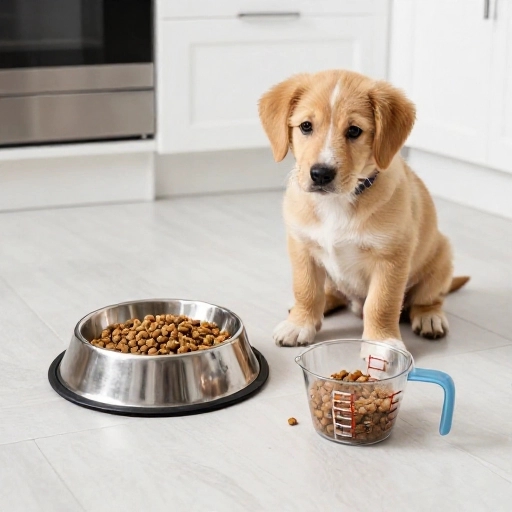
I wanted to spoil my puppy with fancy treats and endless food options. Bad idea. A sudden change in food can cause diarrhea, and a puppy with an upset stomach is no fun for anyone. I stuck with what the breeder or shelter was feeding and transitioned slowly if needed.
I fed her three small meals a day at the same times. That predictability helped her potty routine too. I picked up her bowl after 15 minutes and didn’t leave food out all day.
Treats were tiny—like pea-sized. I used them for potty wins, crate calmness, and name recognition. Too many treats can upset a puppy’s tummy and fill them up before dinner.
Gentle Socialization Beats a Puppy Party
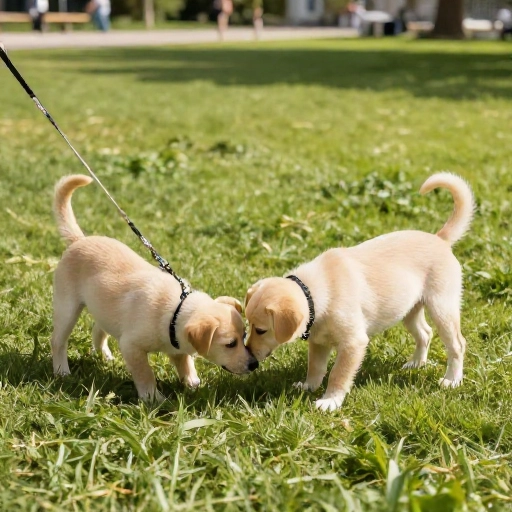
Socialization doesn’t mean inviting 20 people over to pass your puppy around. That can overwhelm them. In the first week, I focused on calm, controlled experiences.
I carried my puppy around the neighborhood to hear cars, see trees, and watch people from a distance. I played vacuum sounds softly. I let her feel different floor textures—tile, carpet, grass, and a wooden deck.
If she looked scared, I didn’t force it. I gave her space and treats for just looking. The goal is to build confidence, not to create a puppy who tolerates everything. Quality beats quantity every time.
Naptime Is Not Optional—It’s Survival
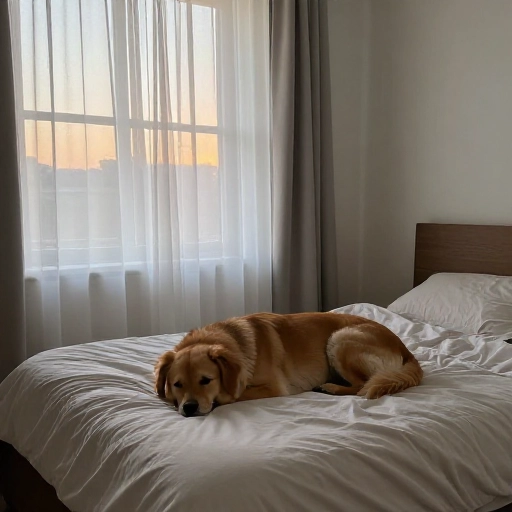
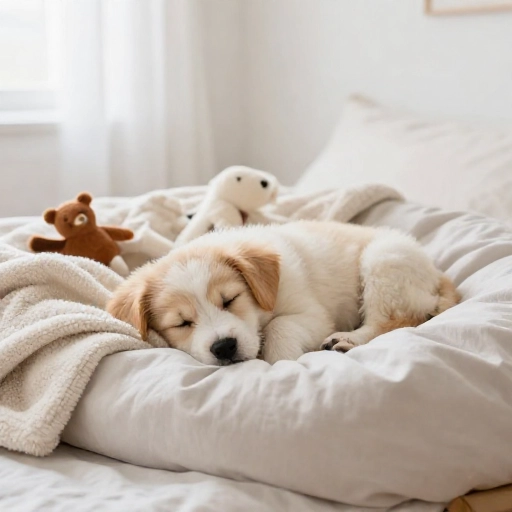
A tired puppy is basically a tiny shark with legs. They bite more, cry more, and zoom around like they’re possessed. I learned that my puppy needed way more sleep than I expected—around 16 to 20 hours a day.
I started enforcing quiet nap times in her crate or playpen every 60 to 90 minutes. At first, she protested. But after a few days, she started falling asleep faster and waking up sweeter.
If your puppy gets bitey or wild, try a nap before you try training. Nine times out of ten, they’re overtired. A dark, quiet room and a chew toy can work wonders.
Touch Your Puppy Everywhere (Slowly and Happily)
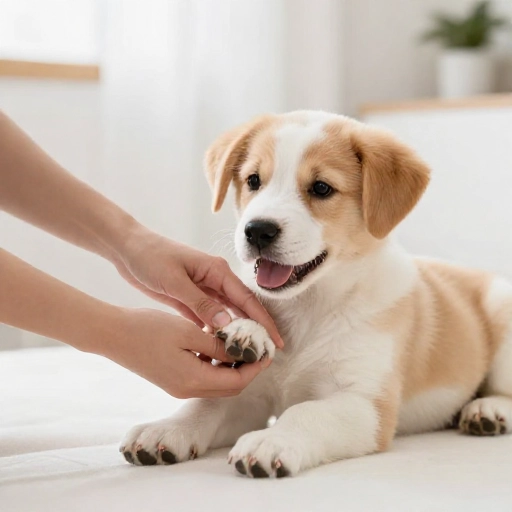
One of the best things I did in week one was gentle handling. I touched her ears, paws, tail, belly, and mouth for just a second or two. Then I gave a treat. I repeated this a few times a day.
This isn’t about dominance. It’s about making future vet visits and nail trims less scary. I also looked inside her mouth and gently held each paw. She learned that hands predict good things.
I kept sessions short and upbeat. If she pulled away, I stopped and tried again later. Forcing it would only teach her that hands are something to fear.
Puppy-Proof One Room at a Time
I thought my house was puppy-proof until my puppy found a stray sock, a phone charger, and a houseplant. Puppies explore with their mouths, so everything is fair game. Instead of trying to fix the whole house at once, I puppy-proofed one room at a time.
I started with the room where we spent the most time. I got down on the floor at puppy level and looked for trouble.
- Move electrical cords behind furniture
- Pick up shoes, socks, and kids’ toys
- Put houseplants out of reach
- Secure trash cans and bathroom doors
- Block stairs with a baby gate
It felt less overwhelming to do one space at a time. And every time I puppy-proofed a room, I could relax a little more.
Get to the Vet in the First Few Days
I booked a vet visit within the first 48 hours of bringing my puppy home. It wasn’t because she seemed sick. I wanted a baseline check, a stool sample, and a clear plan for vaccines and deworming.
The vet also helped me figure out how much to feed her and what signs of illness to watch for. I brought a list of questions and a sample of her food. It made me feel way more prepared.
If your puppy came from a shelter or breeder, bring any paperwork you have. Write down emergency clinic numbers and keep them on your fridge. Knowing where to go before you need it saves precious time.

Lower the Bar and Take Care of Yourself Too
The first week with a new puppy is not the time to also deep clean your house, host guests, or train a perfect sit-stay. I gave myself permission to let things slide. Paper plates were fine. Takeout was fine. Messy hair was very fine.
I also asked for help. A friend came over for an hour so I could nap. My partner took the early morning potty break. You cannot pour from an empty cup, and puppies need a calm human more than a perfect one.
Remember: this phase is short. The sleepless nights, the accidents, and the tiny razor teeth will fade. What stays is the bond you’re building right now, one messy, loving day at a time.
Final Thoughts: The First Week Is Hard Because It Matters
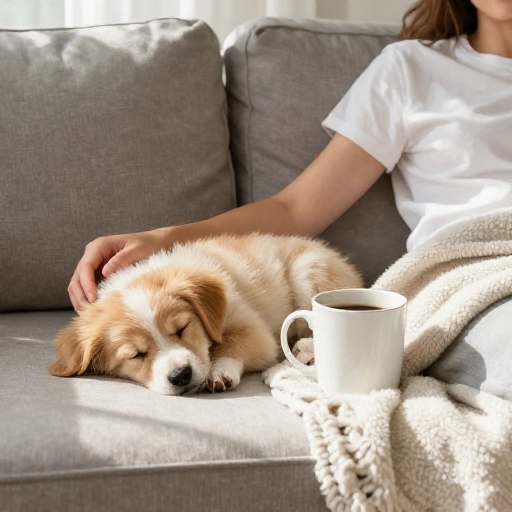
Looking back, the first week with my new puppy felt like a blur of pee pads, tiny toys, and midnight whimpers. But it was also the week we started becoming a team. Every potty break outside, every calm crate moment, and every gentle cuddle was a deposit in our relationship.
You don’t need to get it all right. You just need to show up, keep routines simple, and be kind to yourself. Your puppy won’t remember the one accident on the rug. They’ll remember that you were safe, warm, and there.
Quick FAQ: First Week With a New Puppy
Q: How much should I play with my puppy in the first week?
A: Short play sessions of 5 to 10 minutes, followed by naps. Puppies tire fast, and overplay leads to biting and meltdowns.
Q: Should I let my puppy sleep in my bed?
A: It’s a personal choice. I used a crate next to my bed for safety and easier potty breaks. If you choose your bed, be ready for middle-of-the-night wake-ups.
Q: My puppy cries in the crate. What do I do?
A: Start with short, positive crate sessions, feed meals in the crate, and don’t rush in at every whimper. Wait for a pause, then calmly let them out for potty.
Q: How do I stop my puppy from biting?
A: Redirect to a chew toy, end play for a few seconds, and offer a nap if they get wild. Puppies bite most when tired or overstimulated.
Q: When can my puppy meet other dogs?
A: Ask your vet. Until fully vaccinated, avoid unknown dogs and high-traffic dog parks. Safe, healthy adult dogs in a calm home can be okay with vet approval.