How to Puppy-Proof Your Home: 10 Easy Steps to Keep Your New Pup Safe
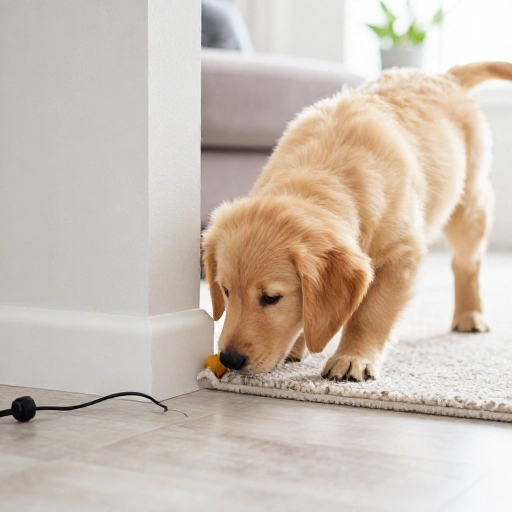
Bringing a puppy home is pure joy — and also a little bit like inviting a tiny, adorable shark with paws into your living room. One minute they’re snuggling on your lap, and the next they’re chewing a phone charger like it’s a chew toy. I’ve been there, and I learned fast that puppy-proofing isn’t about making your home look boring. It’s about removing temptation before your puppy finds it first.
The good news? You don’t need to remodel your whole house. You just need a plan, a few cheap fixes, and a willingness to get down on your hands and knees. I like to tackle one room at a time so it doesn’t feel overwhelming. Once you see your space through your puppy’s eyes, the dangers practically jump out at you.
Below are the 10 steps I use to puppy-proof my home. They’re simple, budget-friendly, and they’ve saved me from more than one chewed-up shoe and late-night vet call.
1. Start With a Puppy’s-Eye View
Before you buy a single gate or cabinet lock, get on the floor. Literally. Crawl around at your puppy’s level and look for anything that dangles, sparkles, or looks fun to chew. I always find forgotten hair ties, loose change, and a stray rubber band I didn’t know I had.
Check low shelves, under the couch, behind furniture, and inside closets your puppy can nudge open. If it’s small enough to fit in their mouth, it’s a choking hazard. If it’s long and stringy, it’s a tangle risk. If it’s soft and fluffy, it’s probably going to become a toy.
This step takes maybe 15 minutes per room, and it’s the fastest way to spot problems you’d otherwise miss. I keep a small basket with me and toss anything dangerous into it as I go.
2. Secure Every Cord, Cable, and Charger
Puppies love cords. They wiggle, they’re chewy, and they’re everywhere. But an electrical cord can cause burns, shocks, or worse. I learned this the hard way when my first puppy went straight for the vacuum cord during a zoomie session.
Here’s what I do now:
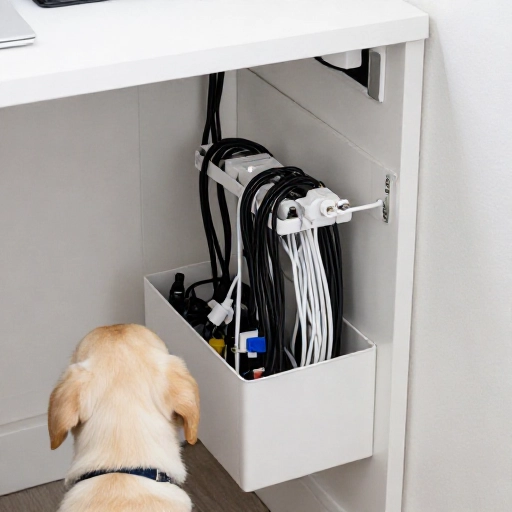
- Run cords behind furniture or under rugs with cord covers.
- Unplug chargers when I’m not using them.
- Use cord clips or cable ties to keep them tight against walls.
- Block access to power strips with a sturdy box or furniture.
If you can’t hide a cord, wrap it in a chew-resistant sleeve. It’s not a guarantee, but it buys you time and makes the cord way less interesting.
3. Hide the Trash and Table Scraps
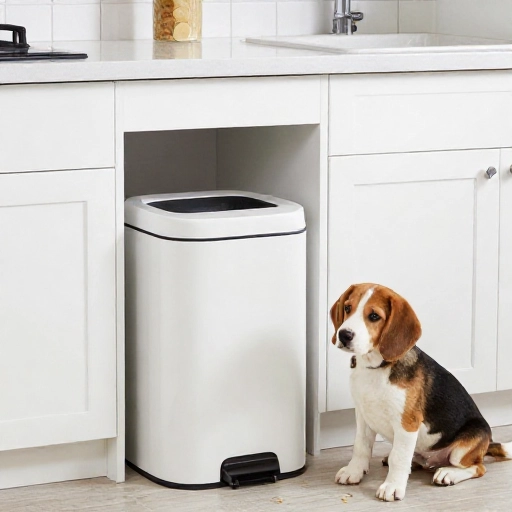
A puppy’s nose is a superpower. They can smell last night’s chicken from three rooms away. An open trash can is basically a buffet with a side of danger — bones, foil, plastic wrap, and spoiled food can all make your puppy sick.
I switched to a trash can with a locking lid, and I keep it inside a cabinet when I can. Bathroom trash is just as risky because of dental floss, tissues, and cotton swabs. I also make sure no food is left on counters or coffee tables, even for a minute.
If your puppy is a counter surfer, clear the counters before you leave the room. It’s easier to put the bread away than to explain to your vet why your puppy ate a whole loaf.
4. Set Up a Safe Zone
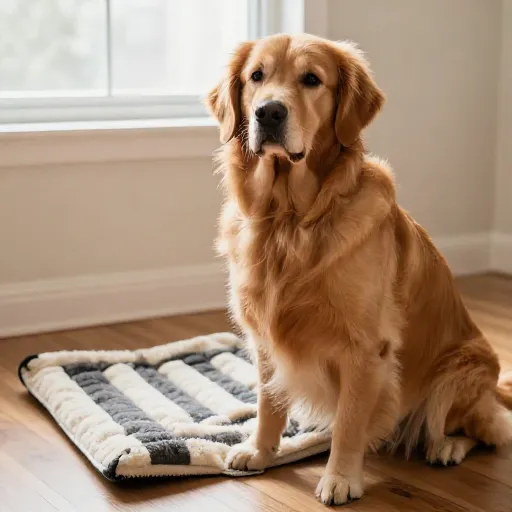
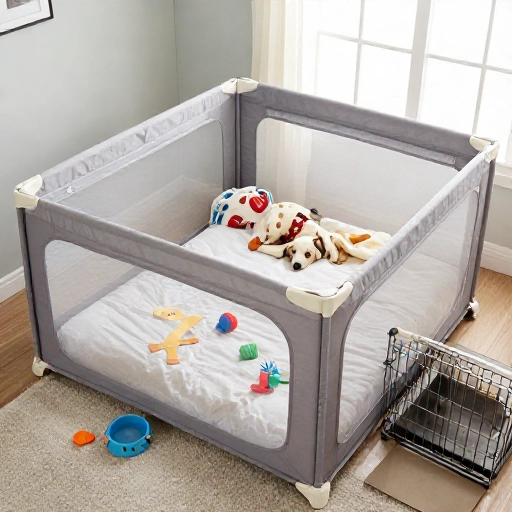
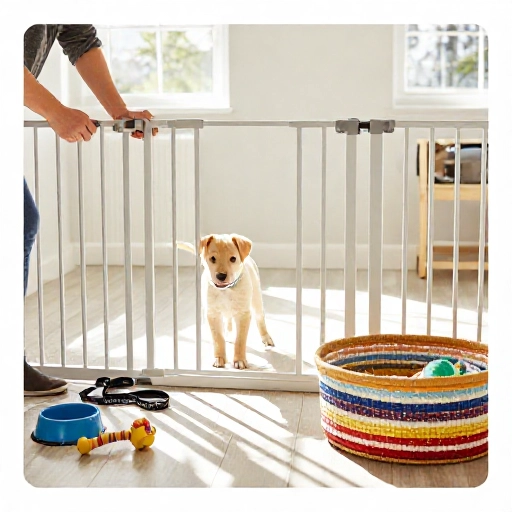
Every puppy needs a place where they can relax without getting into trouble. For me, that’s a crate or a playpen. It’s not a jail — it’s a cozy den where they can nap, chew a safe toy, and decompress.
I put the safe zone in a quiet corner, add a soft bed, and leave a couple of approved chew toys inside. I never use it as punishment. Instead, I feed meals there, toss treats in, and make it the best place in the house.
When I can’t supervise my puppy, they go in the safe zone. That way I know they’re not chewing a lamp cord or swallowing a sock while I’m in the shower. It gives both of us a break.
5. Pick Up Small Objects and Choking Hazards
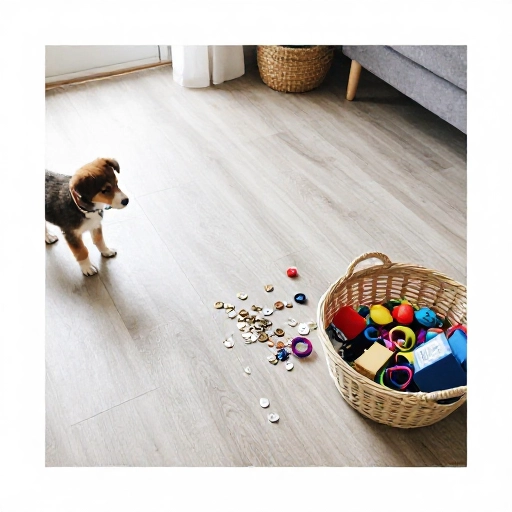
Puppies explore the world with their mouths. That means coins, buttons, earrings, hair ties, bottle caps, and small toys are all fair game. I learned to scan the floor like I’m looking for lost jewelry — because to a puppy, that’s exactly what it is.
I keep small items in drawers or lidded baskets. Kids’ toys go in a bin with a lid, and I do a quick floor check before I let my puppy roam free. If you have children, teach them to put their toys away too. It’s a team effort.
Also watch out for socks and underwear. They’re soft, they smell like you, and they can cause a serious blockage if swallowed. I keep my laundry hamper behind a closed door.
6. Lock Away Cleaning Supplies, Meds, and Toxins
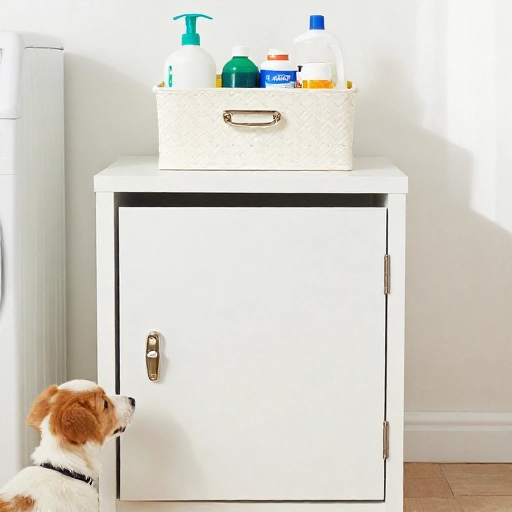
Cleaning sprays, laundry pods, antifreeze, rodent poison, and human medications can all be deadly to a curious puppy. I treat these like I would treat them around a toddler — locked up and out of reach.
I use cabinet locks on the doors under the sink and in the bathroom. I also keep pills in a high cabinet, not on the nightstand. If I drop a pill, I find it immediately, even if it means crawling around with a flashlight.
It helps to know your vet’s emergency number and the number for a pet poison hotline before you need them. I keep them saved in my phone. A few seconds can make a big difference.
7. Check Your Plants and Outdoor Space
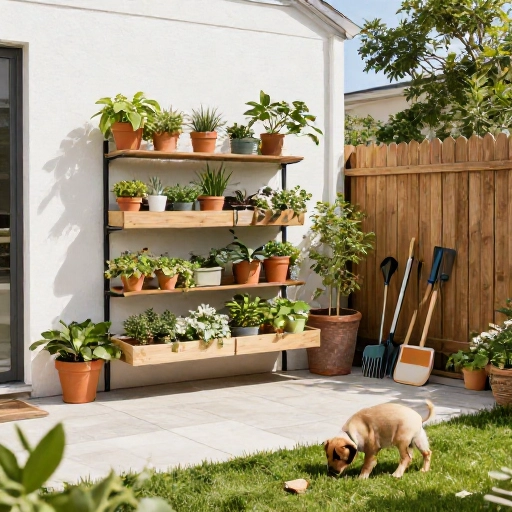
Some of the prettiest houseplants are toxic to puppies. Lilies, sago palms, aloe, and philodendrons are just a few I had to move out of reach. I either put them on a high shelf or give them to a friend with no pets.
Outside, I check for mushroom patches, garden chemicals, and gaps in the fence. I also make sure my puppy can’t get to the pool or pond without me right there. Even a shallow puddle can be risky for a tiny pup.
If you have a garden, store fertilizers and pesticides in a locked shed. And pick up fallen fruit before it ferments — a drunk puppy is not a funny story.
8. Manage Stairs, Balconies, and Windows
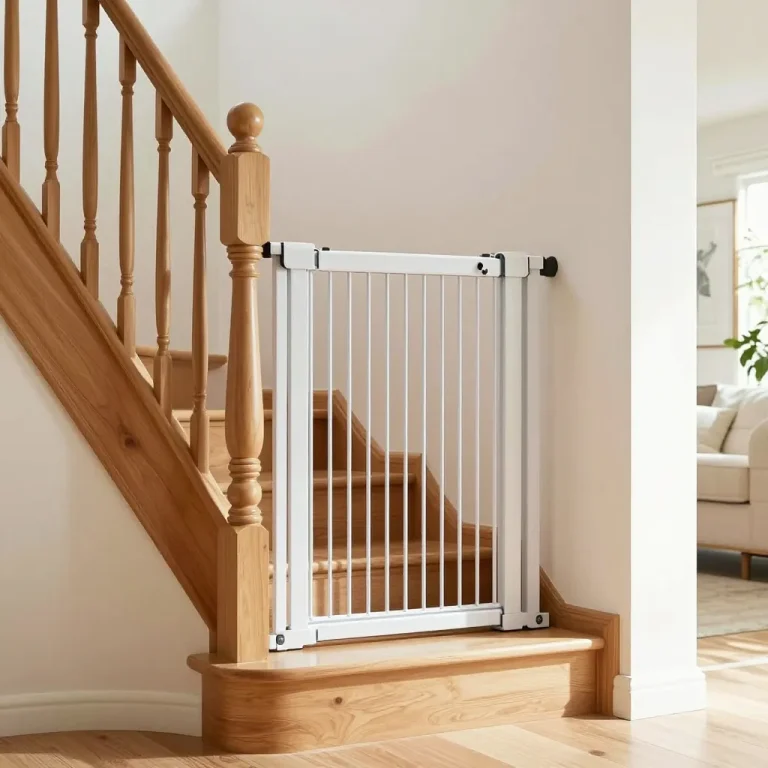
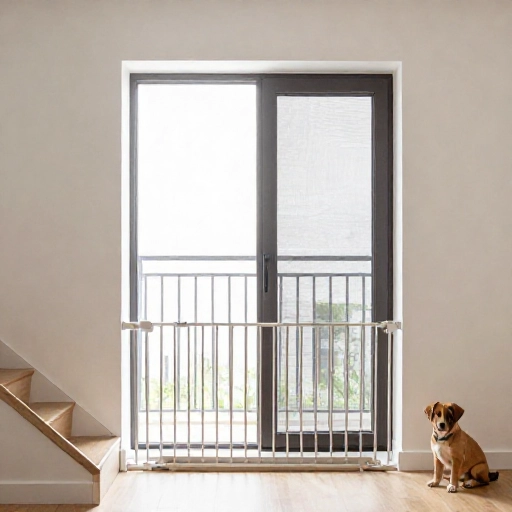
Puppies are clumsy, and stairs are basically a mountain to them. A fall can break bones or cause a concussion. I use baby gates at the top and bottom of stairs until my puppy learns how to go up and down safely.
Balconies and windows are another big one. I make sure screens are secure and railings are too tight for a puppy to squeeze through. I never leave a puppy unattended on a balcony, even for a second.
For windows, I keep them closed or use sturdy screens. A curious puppy can push through a loose screen faster than you’d think. I learned to double-check every latch before I leave the room.
9. Protect Your Furniture, Rugs, and Shoes
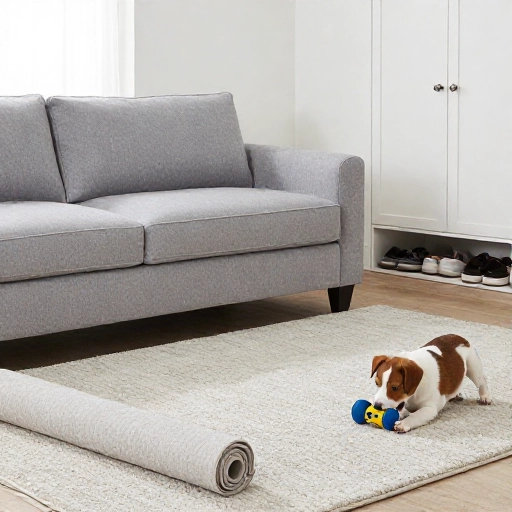
Puppy-proofing isn’t just about safety — it’s also about saving your stuff. Teething puppies chew to soothe their gums, and your favorite chair looks like a giant chew toy. I redirect that energy with appropriate chews.
I keep a basket of bully sticks, rubber toys, and puzzle toys around the house. When my puppy starts chewing something they shouldn’t, I say “no” gently and hand them a toy instead. Consistency is key.
I also use bitter spray on furniture legs and keep shoes in a closed closet. If your puppy is a heavy chewer, try rotating toys every few days so they feel new again. A bored puppy is a destructive puppy.
10. Create a Routine and Puppy-Proof as They Grow
Puppies change fast. What works at 8 weeks might not work at 6 months. I re-check my puppy-proofing every few weeks, especially when my puppy hits a growth spurt or learns how to jump higher.
A good routine helps too. Potty breaks, playtime, training, and naps keep my puppy from getting bored and looking for trouble. I also teach “leave it” and “drop it” early. Those two commands are worth their weight in gold.
Remember that puppy-proofing is not a one-time event. It’s a habit. I keep an eye on new hazards like holiday decorations, guests’ bags, and seasonal plants. A little vigilance goes a long way.
Conclusion
Puppy-proofing your home doesn’t have to be stressful. Start with one room, get down on your puppy’s level, and fix the obvious dangers first. Then build from there. A few cabinet locks, cord covers, and baby gates can prevent a world of trouble.
Most importantly, supervise your puppy. No amount of proofing replaces a watchful eye. But when you combine a safe space with training, exercise, and lots of love, you set your puppy up for a happy, healthy life. And you get to keep your shoes, too.
Puppy-Proofing FAQ
How long does it take to puppy-proof a home?
You can do a basic puppy-proof in a weekend, room by room. After that, it’s ongoing. I spend a few minutes each day scanning for new hazards, especially when my puppy is in a chewing phase.
What’s the most dangerous puppy-proofing mistake?
Assuming your puppy won’t get into something because they haven’t yet. Puppies are unpredictable. I lock up toxins, cords, and small objects even if my puppy seems calm. Better safe than sorry.
Do I really need a crate for puppy-proofing?
Not everyone uses a crate, but a safe zone like a crate or playpen makes puppy-proofing much easier. It gives your puppy a calm place to rest and keeps them away from dangers when you can’t watch them.
How do I stop my puppy from chewing furniture?
Redirect, redirect, redirect. Give them safe chews, praise them when they use them, and use bitter spray on furniture legs. Also make sure they get enough exercise and mental stimulation. A tired puppy chews less.
When can I stop puppy-proofing?
Most puppies calm down after teething and basic training, usually around 1 to 2 years old. But every dog is different. Some dogs always need a little management, and that’s completely normal.