How to Potty Train a Puppy: 10 Simple Tricks That Actually Work (No More Mystery Puddles!)
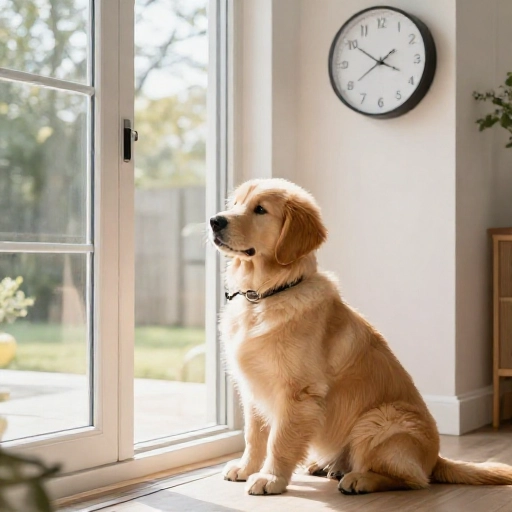
I still remember the first week with my puppy. I had a stack of paper towels in one hand and a treat pouch in the other, convinced I was doing everything wrong. Turns out, potty training a puppy isn’t about being perfect. It’s about being consistent, boring, and just a little bit obsessed with timing.
The good news? Puppies actually want to get it right. They just have tiny bladders, zero self-control, and a very short memory. Once I understood that, everything got easier.
Here are the ten things that made the biggest difference for me — the ones I’d tell a friend over coffee while my puppy napped on the floor.
1. Build a Potty Schedule Before Anything Else
Before I bought a single toy, I built a schedule. Puppies do best on a routine, and honestly, so do we. A predictable rhythm means fewer accidents because your puppy’s body starts to expect the bathroom break.
Here’s roughly what my schedule looked like early on:
- First thing in the morning, straight outside — no cuddles first
- After every meal, within 5 to 15 minutes
- After every nap, every play session, and every training session
- Every 1 to 2 hours during the day for young puppies
- Right before bed, and once or twice during the night
Write it on your fridge. Set phone alarms. The schedule is the whole game in the beginning.
2. Pick One Potty Spot and Never Change It
I used to let my puppy go wherever was closest. Big mistake. When you switch spots constantly, your puppy never learns what that area is actually for.
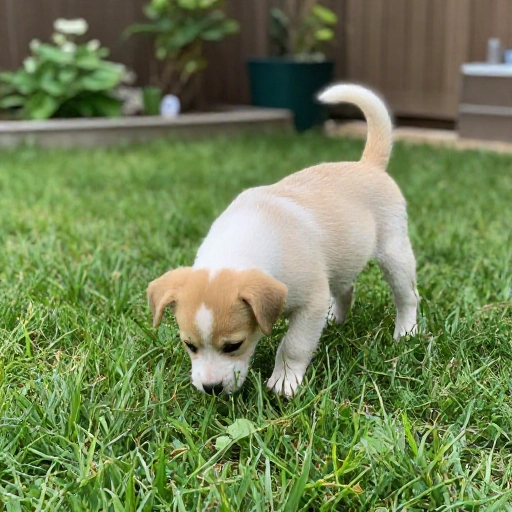
Choose one quiet spot in your yard, or one specific patch near your building. Take your puppy there on a leash every single time. Same door, same route, same patch of grass.
The smell matters more than you’d think. A spot that already smells like puppy pee tells your puppy, “oh, this is the bathroom.” That’s a free shortcut.
3. Learn Your Puppy’s “I Need to Go” Signals
Puppies almost never give zero warning. They give tiny signals, and we miss them because we’re on our phones. I learned to watch for circling, sniffing the floor, suddenly stopping mid-play, or wandering toward the door.
My puppy’s tell was pacing in a small circle near the hallway. Once I noticed that, I caught way more accidents before they happened.
Keep a little note on your phone for a few days. Jot down the time and what your puppy did right before an accident. Patterns show up fast.
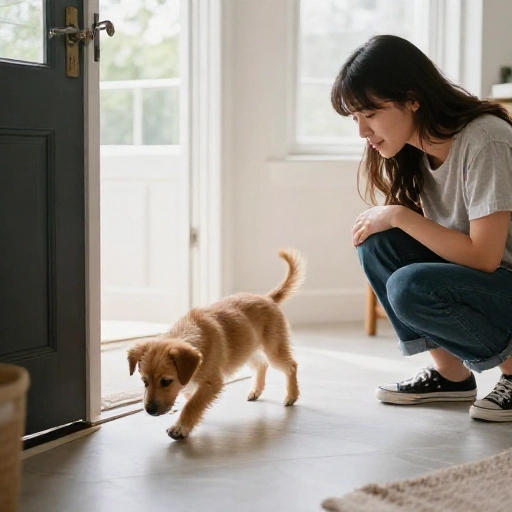
4. Go Out After Meals, Naps, and Play — Every Single Time
These three moments are peak potty time. A full belly, a good sleep, and a wild play session all wake up the bladder.
I treated it like a rule with no exceptions. Food bowl down, finish eating, outside within ten minutes. Puppy wakes up, outside before anything else. Zoomies end, outside again.
It feels repetitive. It is repetitive. That’s exactly why it works.
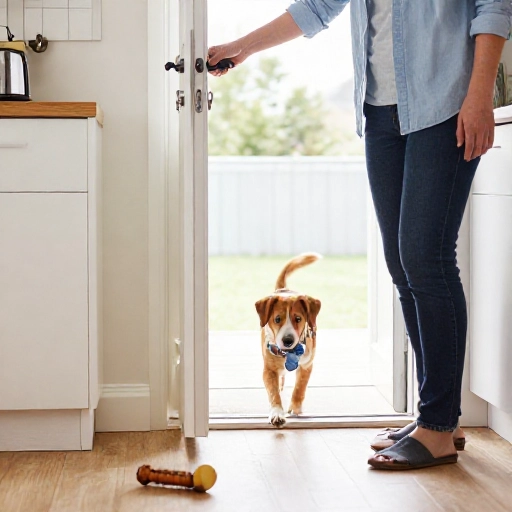
5. Use a Crate to Make Potty Training Easier
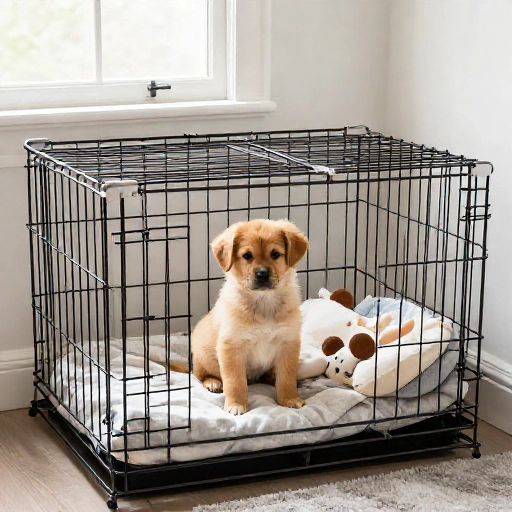
Puppies naturally avoid soiling where they sleep. A crate that’s just big enough to stand, turn around, and lie down taps into that instinct — and it quietly teaches bladder control.
The crate should never feel like punishment. I fed meals in there, tossed treats in randomly, and kept it near my bed at night so my puppy wasn’t lonely.
If the crate is too big, your puppy will just pee in the corner and sleep on the other side. Size matters more than people realize.
6. Reward the Second They Finish — Not Later
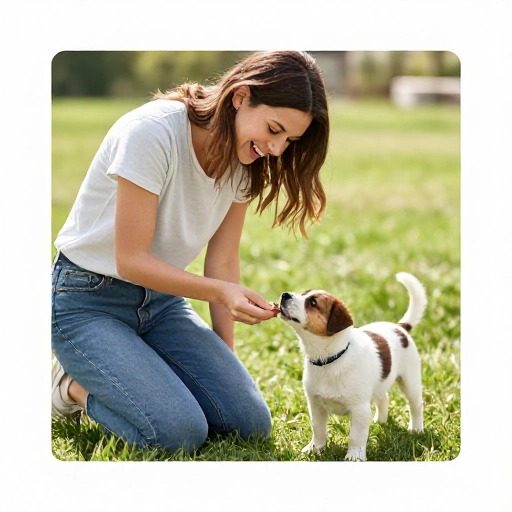
Timing is everything. If you wait until you’re back inside to hand over the treat, your puppy thinks you’re rewarding coming indoors. Praise has to land in the exact moment they finish outside.
I kept treats in my pocket at all times, like a slightly ridiculous person. The second my puppy finished, it was party time — happy voice, treat, a little celebration.
Within a couple of weeks, my puppy started looking at me expectantly after going. That look meant the lesson had landed.
7. Never Punish Accidents — Here’s What To Do Instead
I’ll say this plainly: punishing a puppy for an accident backfires. If you scold them, they don’t learn “don’t pee inside.” They learn “don’t pee where humans can see me.” That’s how you end up with a puppy hiding behind the couch to go.
When it happens — and it will — stay calm. Interrupt gently if you catch them mid-accident, scoop them up, and take them straight outside to finish. Then praise like crazy if they do.
If you find it later, just clean it up. That one’s on you, not them. You missed a signal, and tomorrow you’ll catch it.
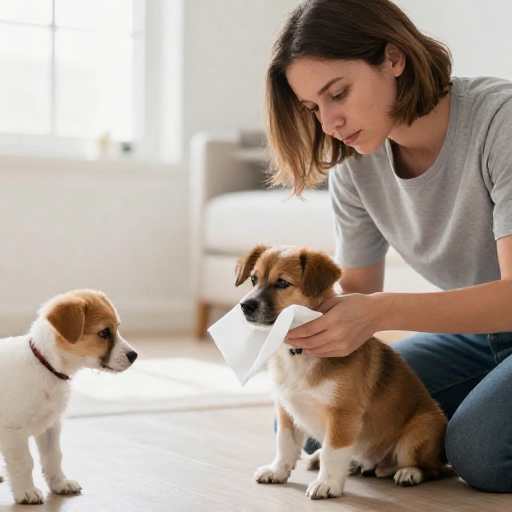
8. Clean Messes With an Enzyme Cleaner, Not Regular Soap
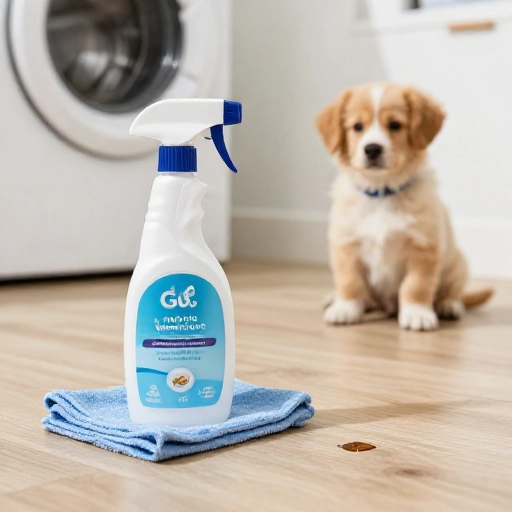
Regular cleaner makes the stain disappear to your nose but leaves the scent behind to your puppy’s. To them, that spot still smells like a bathroom, so they’ll keep using it.
An enzyme-based cleaner actually breaks down the proteins in urine and eliminates the smell completely. I used it on carpet, rugs, and even the grout between tiles.
Skip anything with ammonia. Urine contains ammonia, so you’d basically be leaving a welcome mat.
9. Plan for Nighttime Potty Breaks
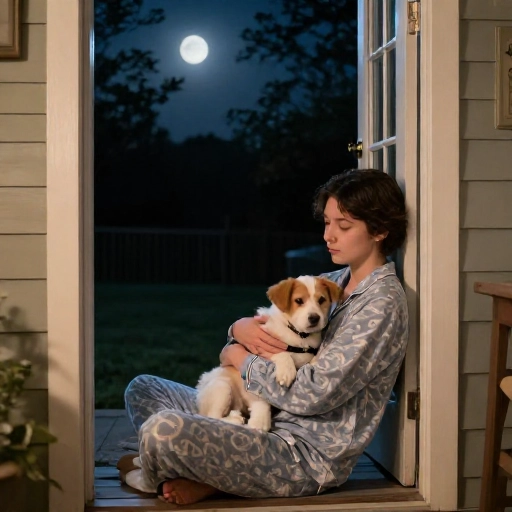
Young puppies physically can’t hold it all night. A two-month-old might need a break every three to four hours. That’s not failure — that’s biology.
I set an alarm, kept the lights dim, carried my puppy outside, and put them right back in the crate. No play, no chatting, no fun. Just business, then back to sleep.
As the weeks passed, those breaks stretched out on their own. By around four or five months, most puppies can make it through the night.
10. Be Patient — Bladder Control Takes Months, Not Days
Here’s the timeline nobody tells you: most puppies aren’t fully reliable until somewhere between 4 and 7 months. Small breeds often take longer. That’s normal.
There will be good weeks and then a random accident that makes you feel like you’re back at square one. You’re not. Puppies have off days just like we do.
Keep the routine, keep the praise, and celebrate the small wins. One day you’ll realize you haven’t cleaned up a puddle in two weeks, and you’ll feel like a champion.
Conclusion: Consistency Beats Perfection
Potty training a puppy isn’t about being flawless. It’s about showing up with the same routine, the same potty spot, and the same happy voice, over and over, until it clicks.
Start with a schedule. Watch for signals. Reward instantly. Clean properly. Never punish. Do those five things and you’ll get there faster than you think.
One day soon, your puppy will run to the door on their own, and you’ll look back at those paper-towel days and laugh. Hang in there — you’re doing better than you feel.
Frequently Asked Questions
How long does it take to potty train a puppy?
Most puppies need somewhere between four and six months to be fully reliable. Small breeds often take a little longer because they have smaller bladders. The first few weeks are the most intense, then it gradually gets easier.
How often should I take my puppy out to potty?
At eight to ten weeks old, plan on every one to two hours during the day, plus after meals, naps, and play. By four months, you can usually stretch it to every three to four hours.
Should I wake my puppy up at night to go potty?
Yes, for young puppies. Set an alarm every three to four hours, take them out quietly, and put them right back in the crate. No play, no lights, no talking. Once they can hold it longer, drop the breaks one by one.
Why does my puppy pee right after coming inside?
Usually it means they didn’t actually finish outside, or the trip was too short. Give them more time, walk around a bit, and don’t head for the door until they’ve gone. Also check whether you’re rewarding them for coming inside instead of for going potty.
Is pee pad training a good idea?
It depends on your situation. Pee pads can be handy for apartments or very young puppies, but they can also confuse a puppy about where indoor potty is allowed. If you use them, keep them in one spot and transition outside as soon as you can.