Is the British Shorthair the Perfect Cat for You?
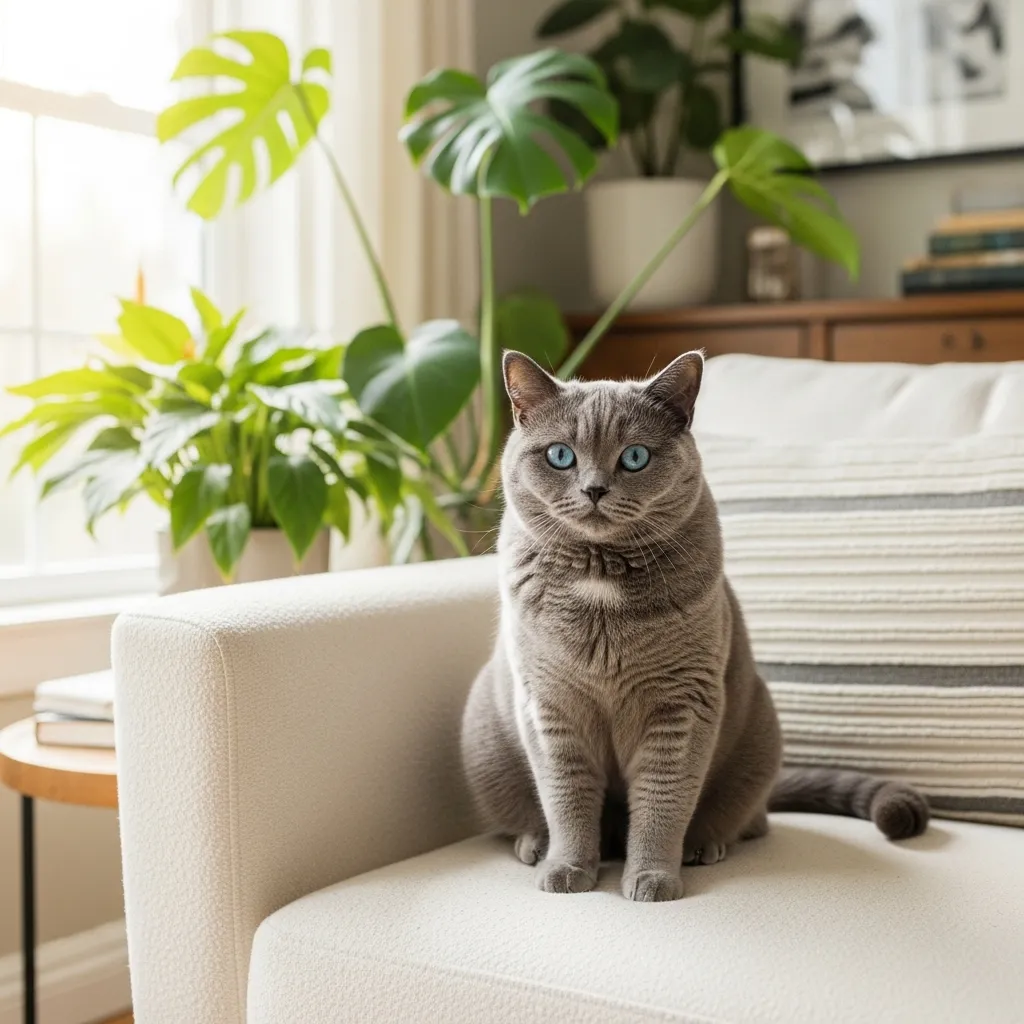
If you’re picturing a plush, round-faced cat with a teddy bear charm, you’re probably thinking of a British Shorthair. I fell in love with the breed’s iconic look, but I quickly learned there’s so much more beneath that dense coat. They’re often called the “bulldogs of the cat world” for their sturdy, cobby build and wonderfully easygoing nature.
Before bringing any pet home, it’s crucial to look beyond the adorable photos. I’ve lived with my British Shorthair, Bertie, for years, and I want to share the real, everyday experience. This isn’t just about whether they’re “good” – it’s about whether their unique personality and needs are a perfect match for your lifestyle and home.
1. The Ultimate Easygoing Companion
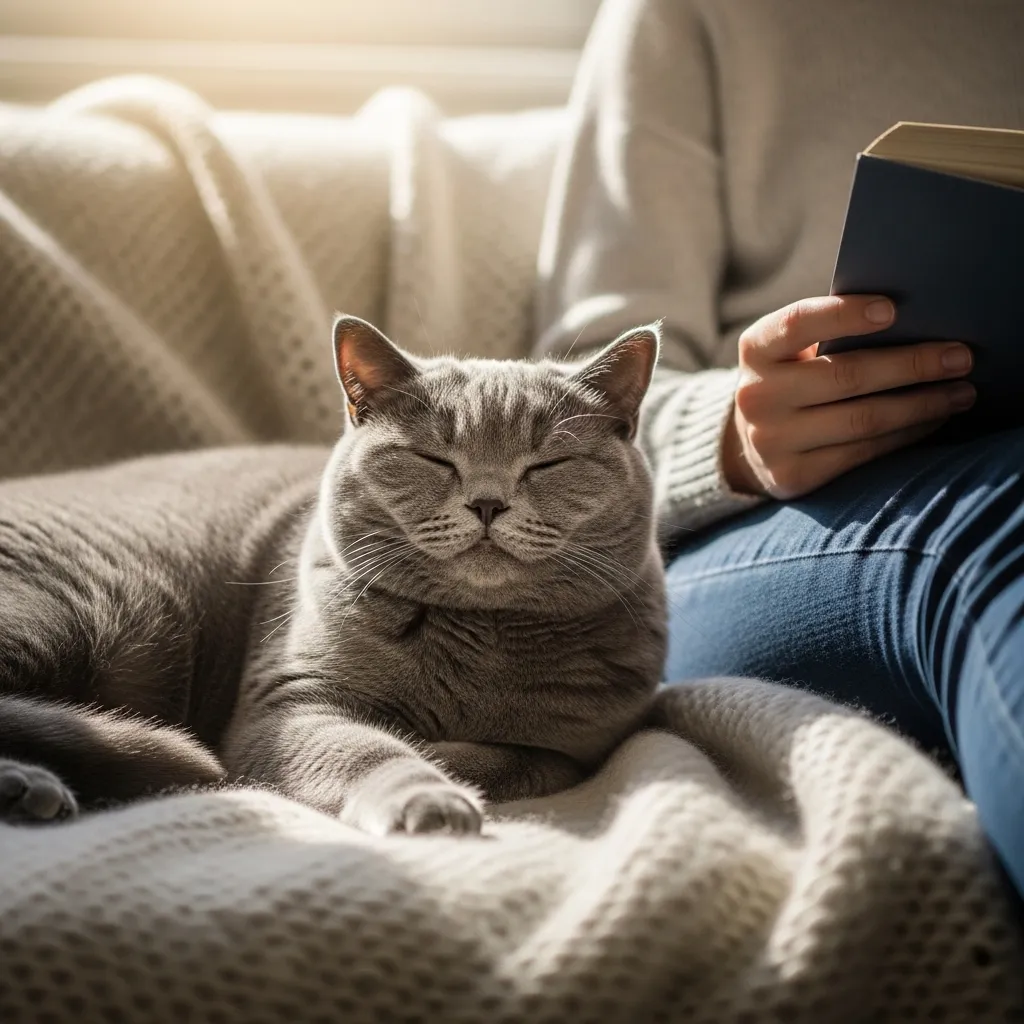
If you crave a low-drama feline friend, look no further. British Shorthairs are famously calm and undemanding. They aren’t typically lap cats who insist on being held, but they love to be near you, following you from room to room just to lounge nearby. Their energy level is moderate, making them perfect for apartment living or quieter households.
They adapt beautifully to routine. Bertie is content whether I’m working from home or out for the day. He greets me at the door but isn’t prone to anxious meowing or destructive behavior when alone. This stable temperament is one of their biggest selling points for first-time cat owners or busy professionals.
2. That Iconic “Teddy Bear” Look & Coat
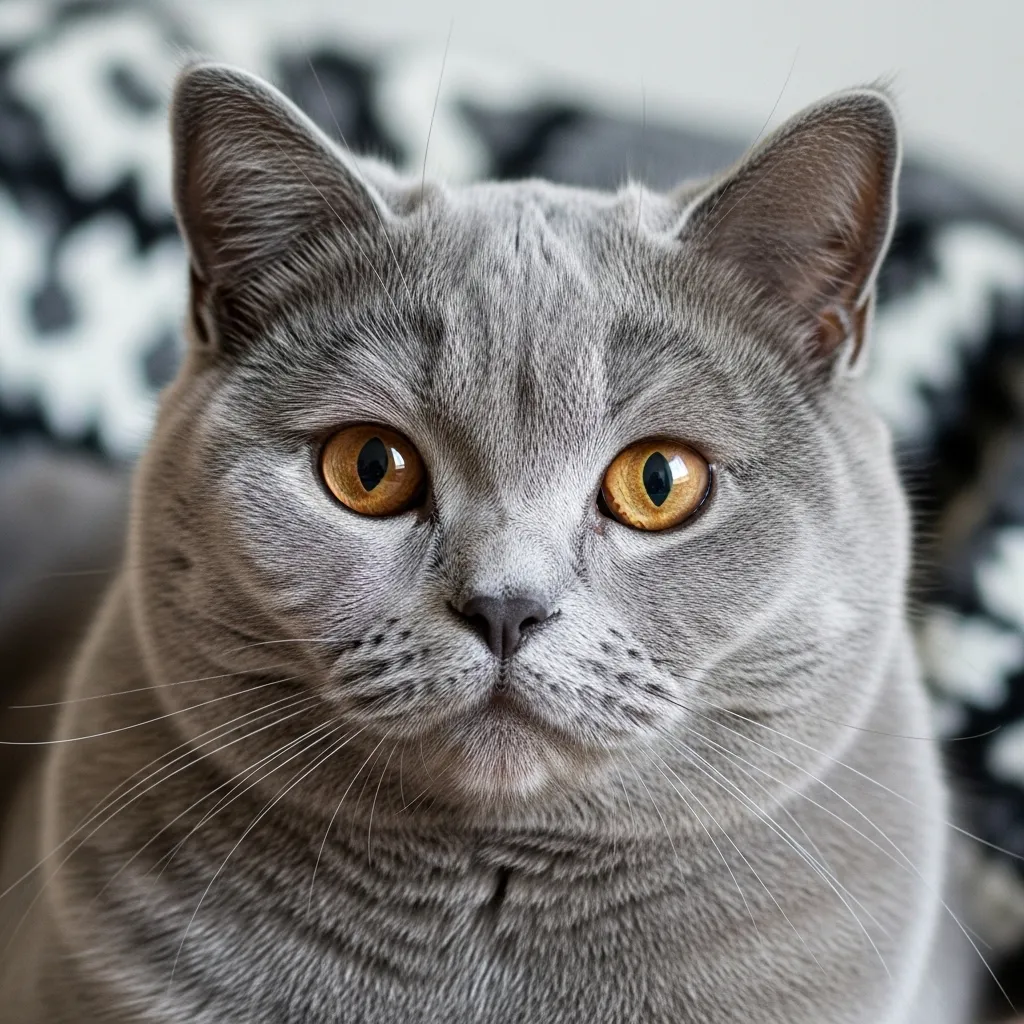
Their appearance is undeniably a major draw. With large round eyes, full cheeks, and a dense, plush coat, they are living stuffed animals. The classic blue-gray is most famous, but they come in a rainbow of colors and patterns, from silvers and goldens to tortoiseshell and bicolor.
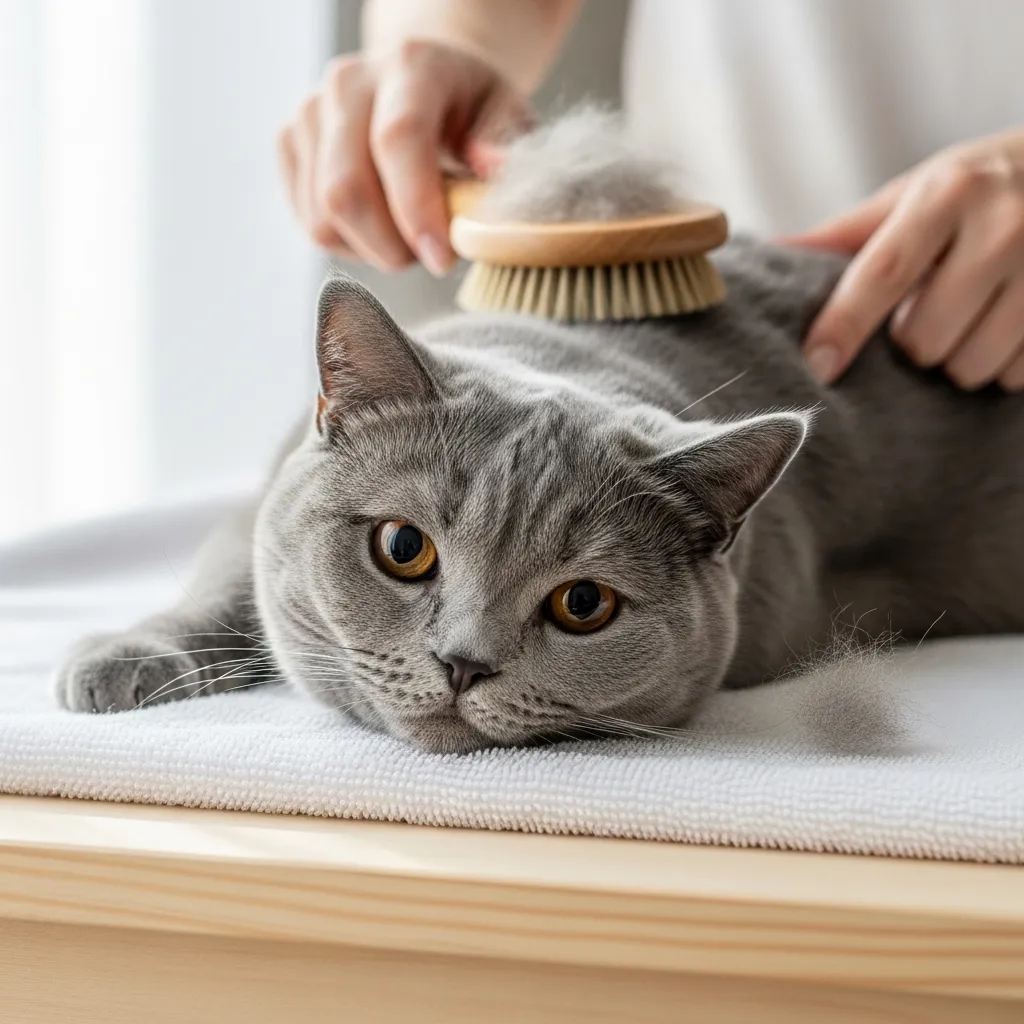
That gorgeous coat is surprisingly low-maintenance. It’s short but incredibly dense, requiring just a weekly brush to remove loose hair and distribute skin oils. You won’t find yourself constantly battling mats. During seasonal sheds, a few extra brushing sessions keep the fur tumbleweeds at bay.
3. A Quiet, Gentle Voice
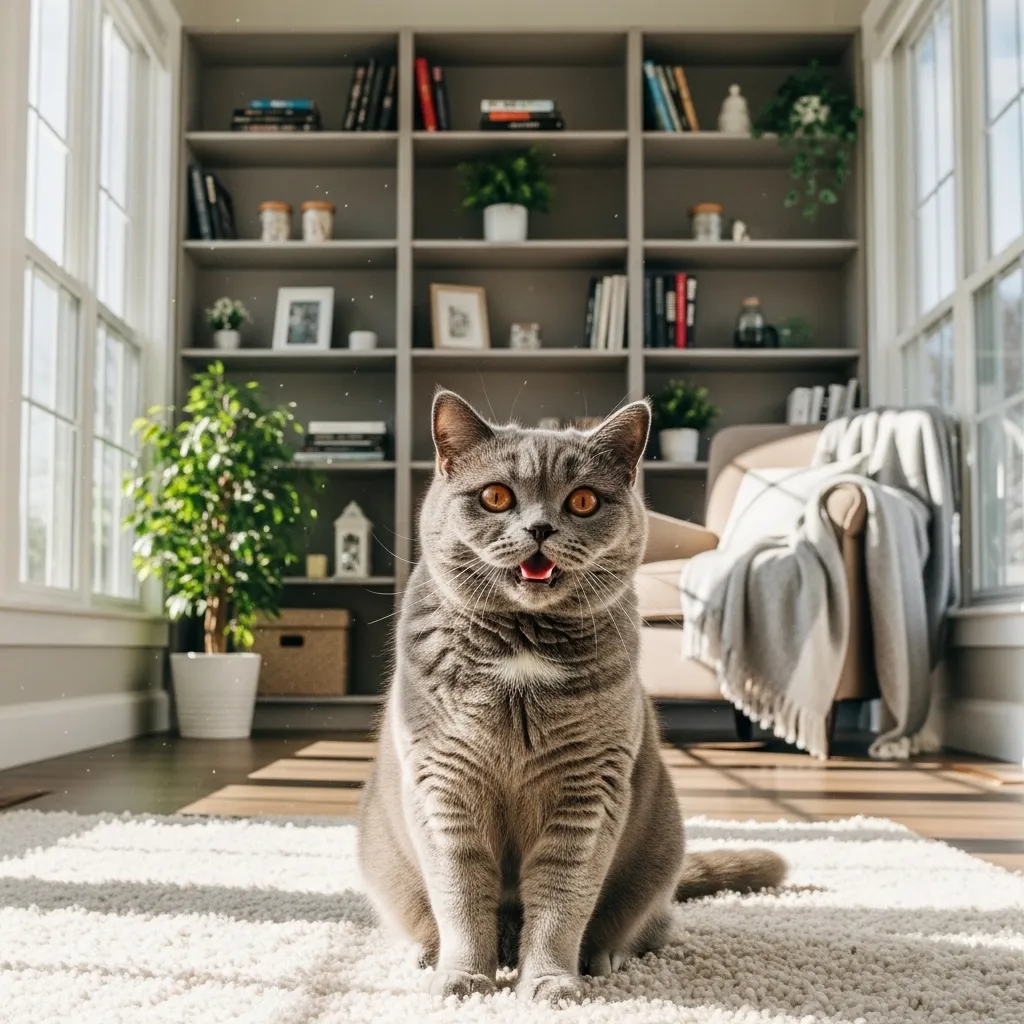
Forget constant yowling or loud demands. British Shorthairs are known for being quiet. Bertie has a soft, chirpy meow he uses sparingly, usually just to say hello or remind me it’s dinner time. They communicate more with their presence and those expressive eyes than with noise.
This makes them excellent neighbors in close-quarters living. If you prefer a peaceful home without feline opera at 5 AM, this breed delivers. Their gentle nature often extends to a soft purr when they’re happily settled in their favorite spot.
4. Playful, But Not Destructively Energetic
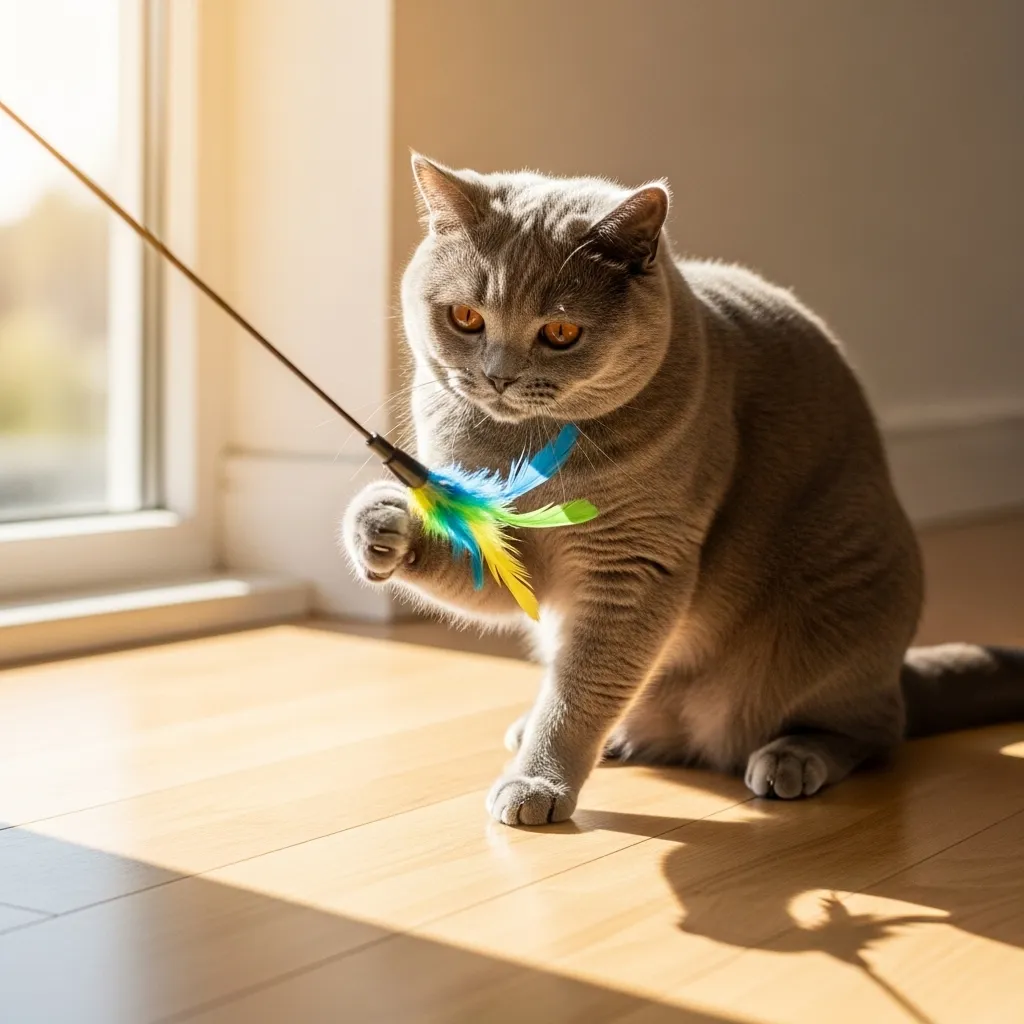
Don’t mistake their calmness for laziness! They enjoy play sessions, especially as kittens and young adults. Think short bursts of activity chasing a wand toy or a crinkle ball, followed by a long, dignified nap. They’re not usually the type to scale your curtains or sprint across shelves at midnight.
Interactive play is key for mental stimulation and maintaining a healthy weight. I keep a toy box for Bertie, and a 10-minute session in the evening is usually enough to satisfy his hunter instincts. After that, he’s ready to recharge his batteries.
5. Generally Good Health & Longevity
British Shorthairs are a robust, naturally developed breed with a good lifespan, often reaching 12-15 years or more. Responsible breeders screen for genetic health issues, which is crucial. The main health considerations to be aware of are related to their sturdy build.
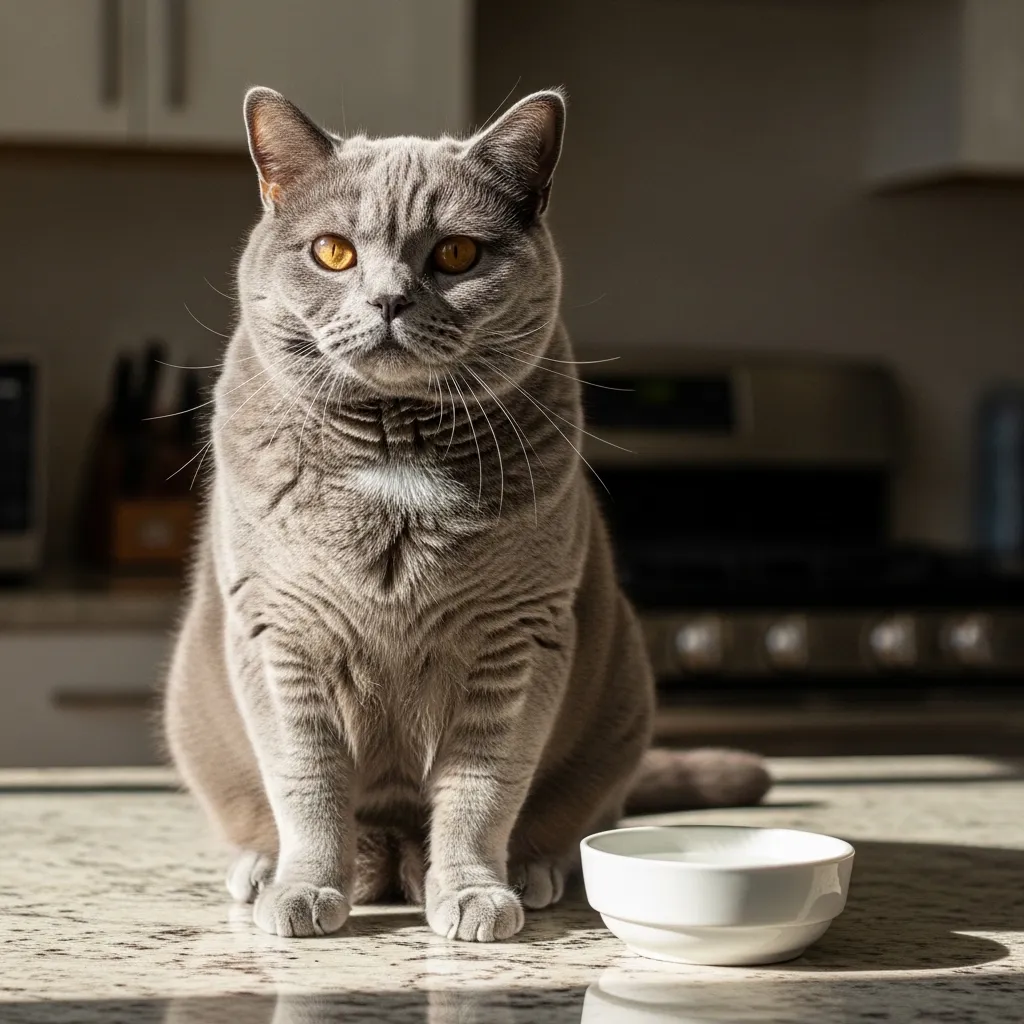
- Weight Management: They love their food and can gain weight easily. Portion control and play are essential.
- Cardiac Health: A condition called Hypertrophic Cardiomyopathy (HCM) can be a concern. A good breeder will test their breeding cats.
- Blood Type: Most are Type B, which is important for vets to know in case a blood transfusion is ever needed.
6. Their Relationship with Children & Other Pets
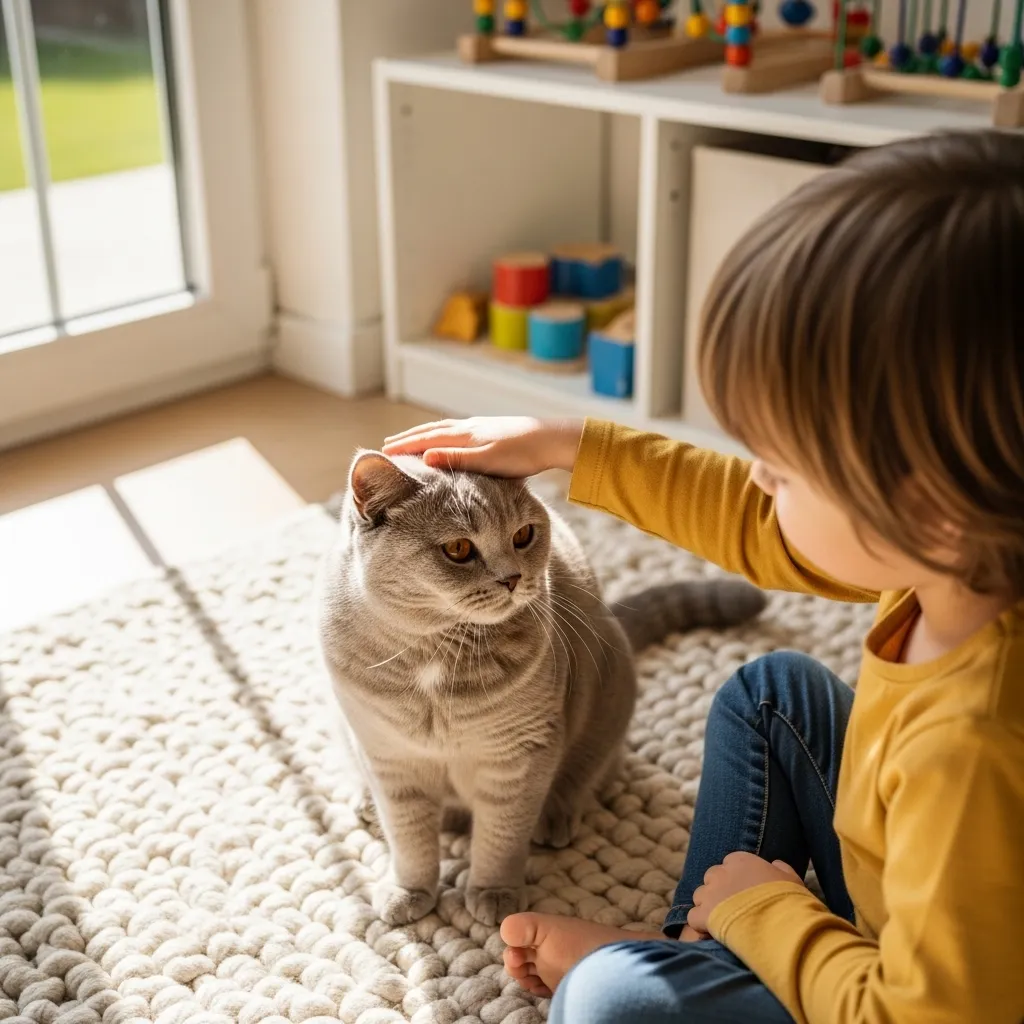
Their patient and tolerant nature makes them a wonderful choice for families with respectful children. They are not fragile or highly strung, but as with any pet, interactions should be supervised with young kids. They prefer gentle petting to being carried around.
They can also coexist peacefully with other pets, including cat-friendly dogs, especially if introduced properly. They are not inherently territorial or aggressive. Bertie simply gave our new dog a wide berth until he decided they could be peaceful roommates.
7. The Independent Streak (They’re Not Clingy)
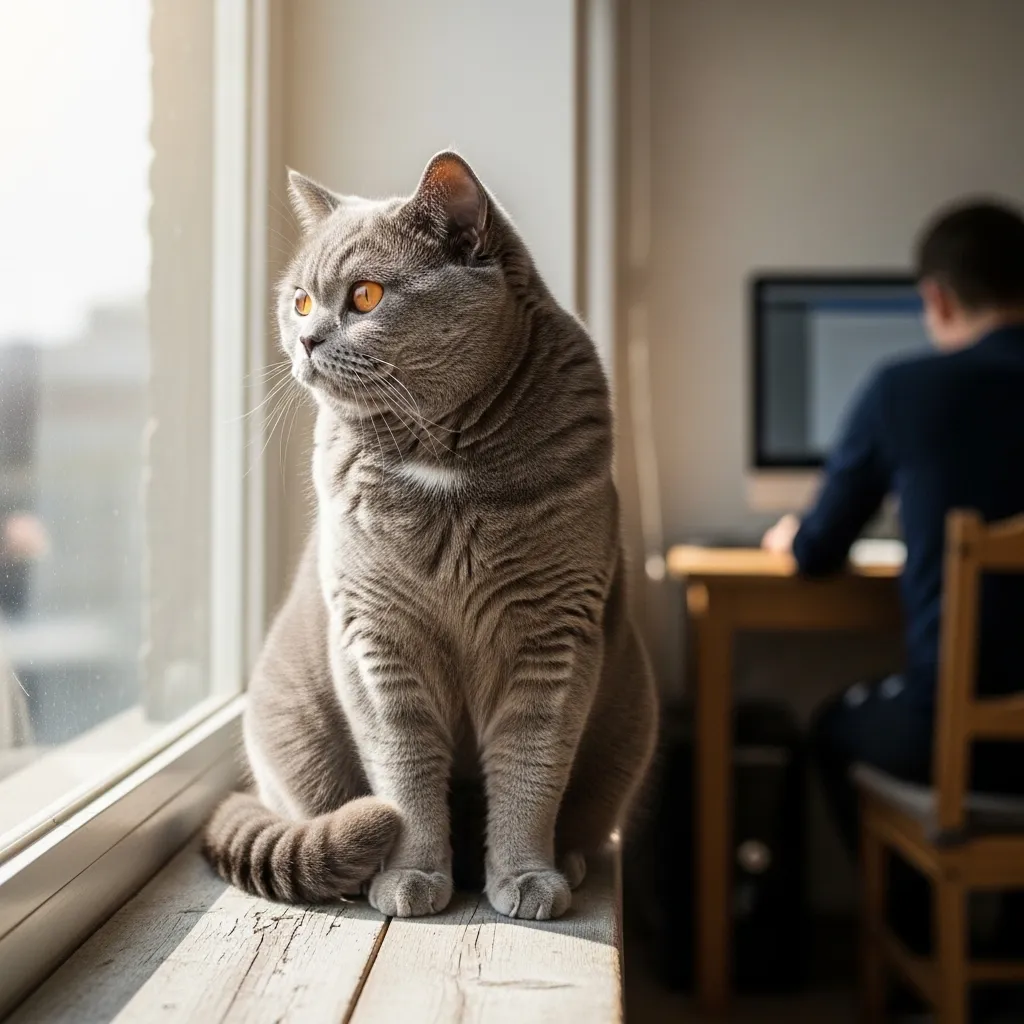
If you want a shadow that’s glued to you 24/7, this might not be your breed. British Shorthairs show affection on their own terms. They are loving but independent. Bertie will sit beside me on the couch, but rarely on my lap. He shows his love by simply choosing to be in the same room.
This independence is a pro for people who appreciate a companion that isn’t needy. They are perfectly happy entertaining themselves with a window view or a cozy bed while you’re occupied. It’s a partnership built on mutual respect rather than constant demand.
8. Grooming: Simpler Than You’d Think
That luxuriously thick coat is easier to care for than a long-haired breed. A weekly brush with a good slicker brush or grooming glove is the main task. It’s a great bonding activity, and most British Shorthairs enjoy the sensation.
Don’t forget the basics: regular nail trims, ear checks, and dental care. Because of their rounded face, you might need to gently wipe their eyes if there’s any minor tear staining. Overall, their grooming routine is very manageable.
9. Considerations for Potential Challenges
No breed is perfect for everyone. Their love of food means you must be disciplined with portions to prevent obesity. Their reserved nature might be misinterpreted as aloofness by someone seeking a cuddly lap cat.
They can be slow to mature, keeping their playful kitten-like side for several years. Also, because they are so popular, finding a reputable, ethical breeder who prioritizes health and temperament is essential and may involve being on a waiting list.
10. Finding Your British Shorthair
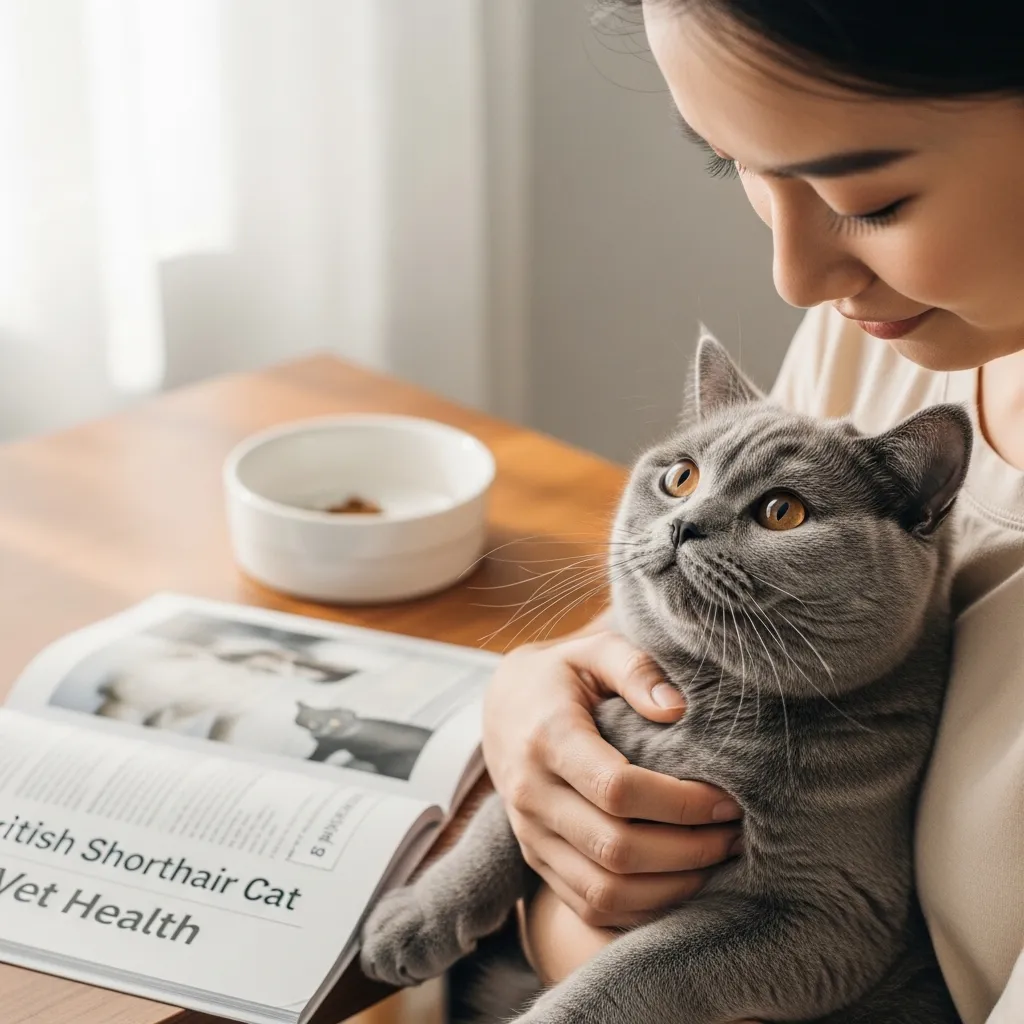
Always choose a responsible breeder who health tests their breeding cats (for HCM, PKD) and raises kittens in a home environment. Meet the kittens and parents to see their temperament. Be prepared for questions—good breeders will interview you too!
While less common, check breed-specific rescues. Sometimes adult British Shorthairs or mixes need loving homes, offering a chance to skip the kitten phase and provide a second chance to a wonderful cat.
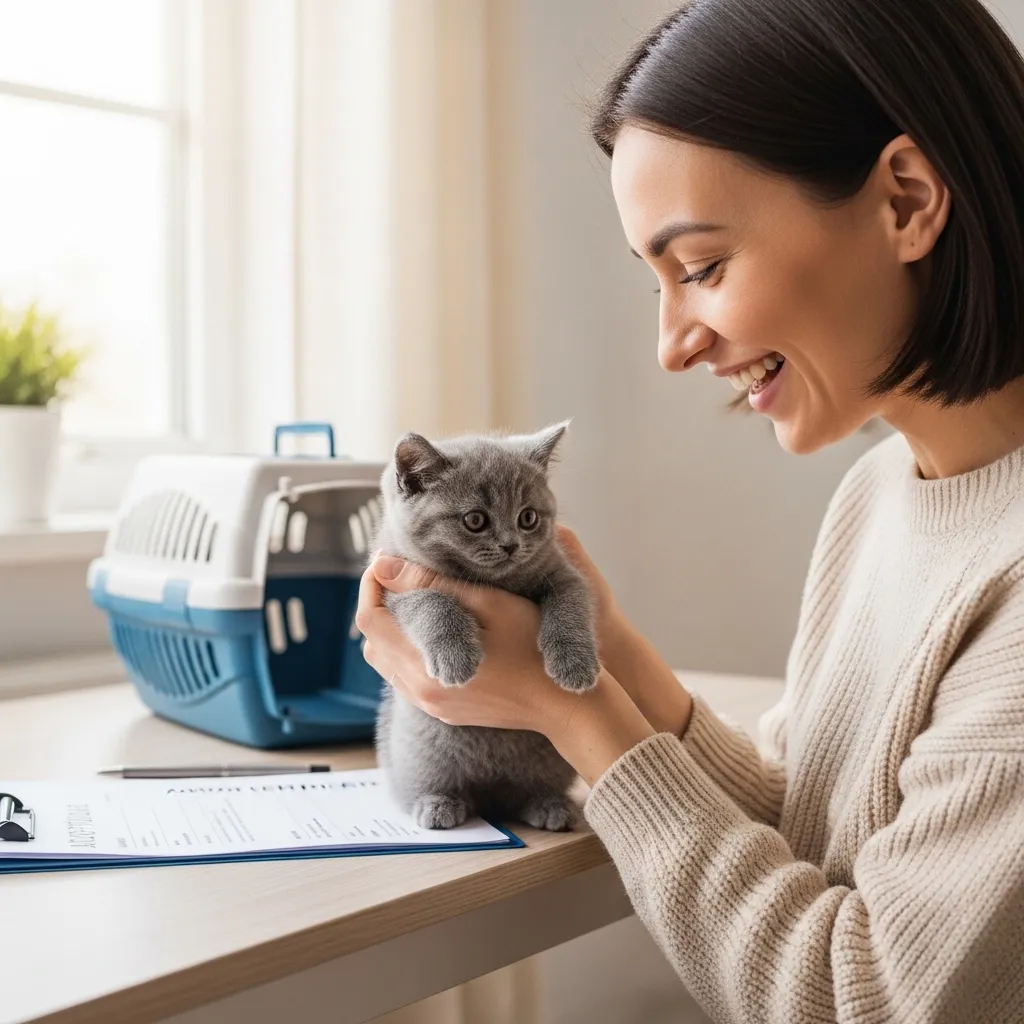
Final Thoughts
The British Shorthair is a magnificent breed: charming, stable, and beautifully low-maintenance in spirit. They are the steadfast, gentle companions of the cat world. If your ideal cat is a quiet, undemanding presence with a heart-melting face, who shows love through serene companionship rather than constant cuddles, then a British Shorthair could be your perfect match. For me, Bertie’s quiet company and dignified silliness have made every day brighter.
Your British Shorthair Questions, Answered
Q: Are British Shorthairs affectionate?
A: Yes, but in their own way. They are loyal and form strong bonds, showing affection by following you and being near you rather than being lap cats.
Q: Do they shed a lot?
A: They have a dense coat that sheds moderately. Weekly brushing controls it well, with heavier shedding periods in spring and fall.
Q: Are they good for first-time cat owners?
A: Absolutely. Their easygoing, adaptable, and generally healthy nature makes them an excellent choice for novice cat guardians.
Q: How much exercise do they need?
A: They need moderate play. Short, daily interactive play sessions (10-15 minutes) are perfect to keep them mentally and physically fit.
Q: Are British Shorthairs hypoallergenic?
A> No. They are not considered hypoallergenic. They do shed, and allergies are to a protein in cat saliva/dander, not just fur.