11 Smart Dog Areas for Small Spaces
When I moved into my tiny apartment with my golden retriever mix, I panicked. I kept asking myself: where is the dog going to sleep? Where will his bowls go? The truth is, you don’t need a mansion to make a dog happy. You just need smart, intentional space planning.
I’ve spent years testing layouts, talking to other small-space dog owners, and even rearranging my furniture at 2 a.m. just to see if a corner would work. These 11 ideas are the real deal—they save space, keep your dog comfortable, and actually look good in your home.
1. Under-the-Desk Dog Den
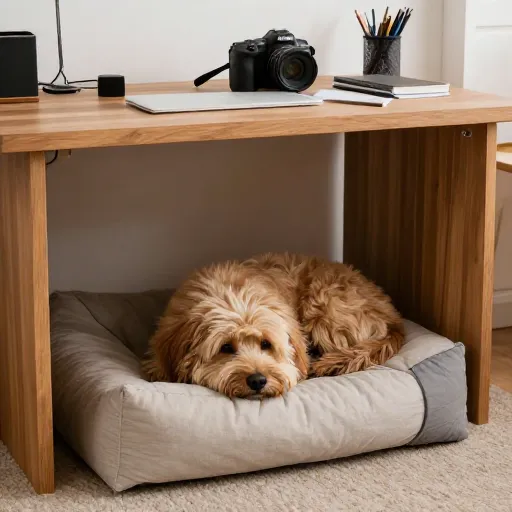
Your desk isn’t just for work. If you have a standing desk or a regular desk with enough legroom, the space underneath is prime real estate for a cozy dog bed.
I placed a soft crate bed under my desk, and my dog quickly learned that when I’m typing, it’s nap time. It keeps him close without taking up walkway space in the living room.
Make sure the bed is slim and fits flush with the desk legs. Use a washable cover—dogs track in everything.
If your dog is larger, you can remove the desk drawer on one side for extra height clearance.
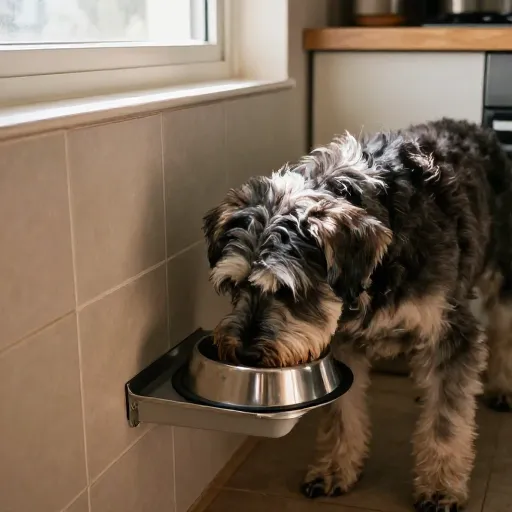
2. Wall-Mounted Feeding Station
Bowls on the floor take up precious square footage and get kicked around. I mounted two ceramic bowls onto a low wall shelf near the kitchen.
This keeps the bowls at the perfect eating height and frees up floor space. Plus, it looks like intentional decor.
Choose bowls that are heavy enough not to slide. A small mat underneath catches drips. Cleanup is way easier than floor bowls.
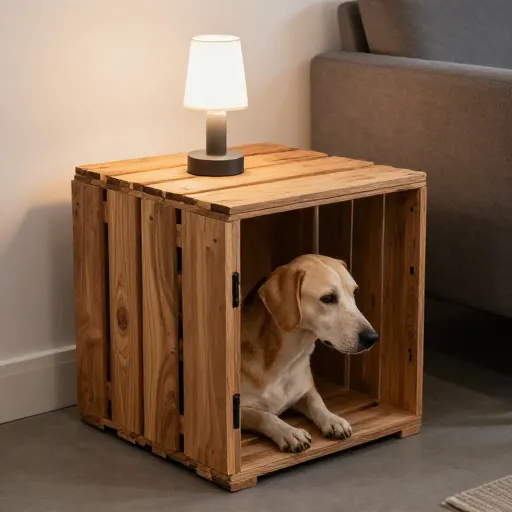
3. The Crate That Doubles as a Side Table
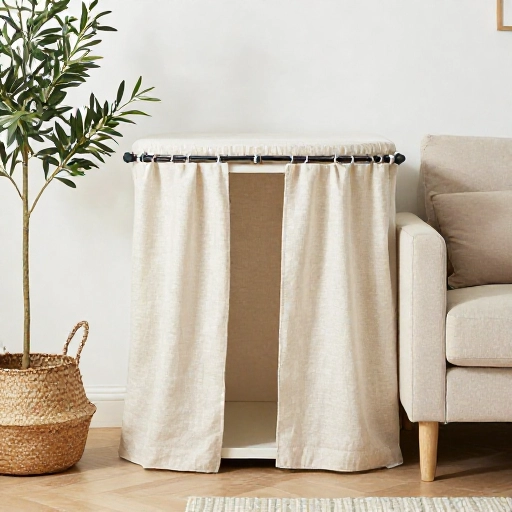
Dog crates are ugly. I know. But a wooden crate with a flat, sturdy top becomes a side table or plant stand.
I got a simple wood crate, added a cushion on top, and placed a lamp and a small plant on it. My dog loves the enclosed space, and guests have no idea it’s a crate.
Make sure the crate door can open fully. Use a soft crate cover at night for extra coziness.
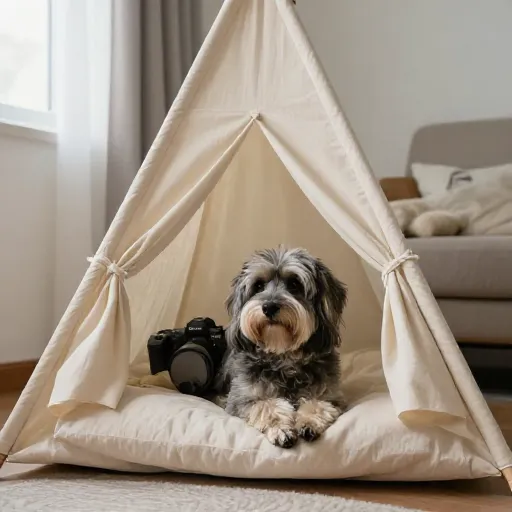
4. Corner Tent Bed
Corners are often wasted. A triangular or round dog bed tucked into a corner creates a defined “dog zone” without blocking traffic.
I found a small pop-up tent bed that fits perfectly in my reading nook corner. My dog feels secure because two sides are against the wall.
Add a small blanket and a toy basket nearby. It becomes his personal retreat.
This works especially well for anxious dogs who like covered spaces.
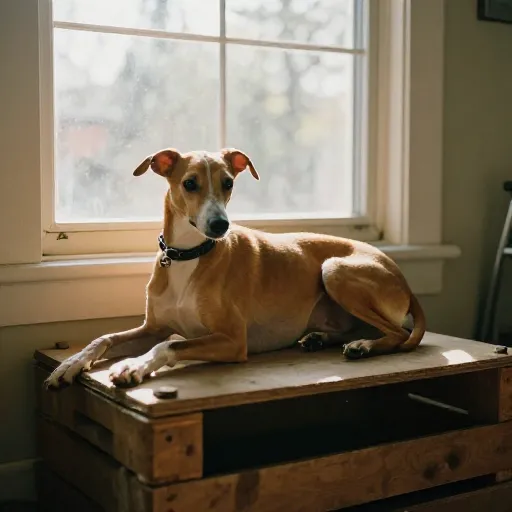
5. Elevated Crate Under the Window
If your dog loves looking outside, an elevated crate placed under a low window is genius. It gives them a perch and saves floor space.
I used a lightweight metal crate with a flat top. My dog can see the birds and squirrels, which keeps him entertained for hours.
Just make sure the crate is stable and the window isn’t drafty. A small rug underneath catches any dirt.
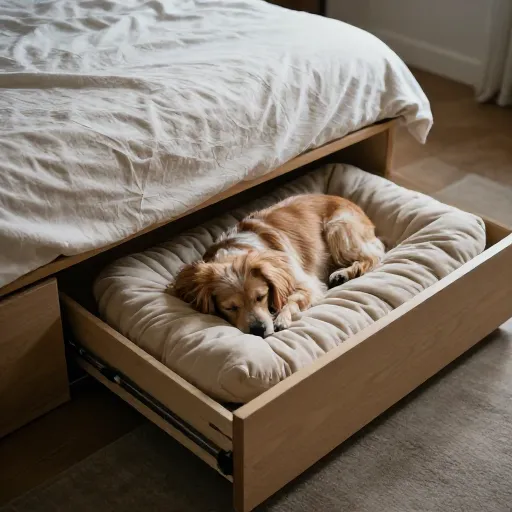
6. Pull-Out Drawer Dog Bed
This is my absolute favorite hack. I had a low custom drawer built into the bottom of my platform bed. When pulled out, it’s a dog bed. When pushed in, it’s completely hidden.
You can also buy a ready-made bed frame with a pull-out drawer. It’s like a secret hideaway for your pup.
I keep a thin memory foam mattress inside. My dog uses it every night and during the day for naps.
It’s perfect for small bedrooms where every inch matters.
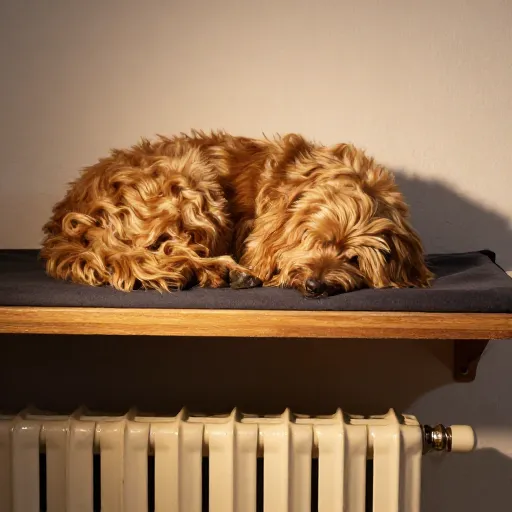
7. Shelf Bed Above the Radiator
If you have a low radiator or heating unit, a sturdy shelf mounted above it creates a warm, elevated dog bed. Heat rises, so your dog stays toasty in winter.
I used a thick wooden shelf with brackets. I placed a washable cushion on top. My dog loves the warmth, and it doesn’t block the heat from the room.
Make sure the shelf is at least 6 inches above the radiator for safety. Test the temperature first.
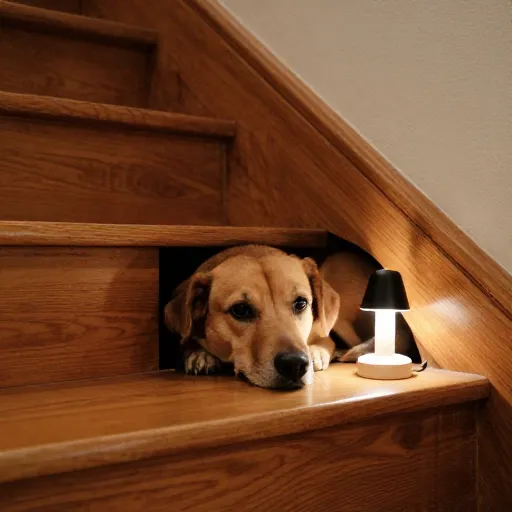
8. Under-Stairs Dog Cave
Staircases often have wasted space underneath. If you have a small staircase, clear out the clutter and make it a dog cave.
I added a soft bed, a small nightlight, and a hanging toy. My dog goes there when he wants quiet time.
You can add a curtain or a baby gate to make it feel like a den. It’s naturally cozy and dark—perfect for napping.
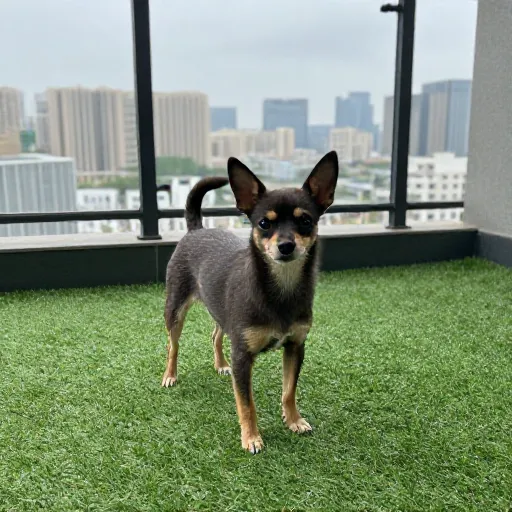
9. Balcony Dog Potty Patch
For apartment dogs, a balcony potty area is a lifesaver during bad weather. I use a small artificial grass patch on a tray.
It fits in a corner of my balcony. My dog knows exactly where to go, and I just rinse it off weekly. No more rushed walks in the rain.
Make sure the balcony is secure and shaded. Add a small water bowl nearby.
This keeps the main living areas clean and gives your dog outdoor access.
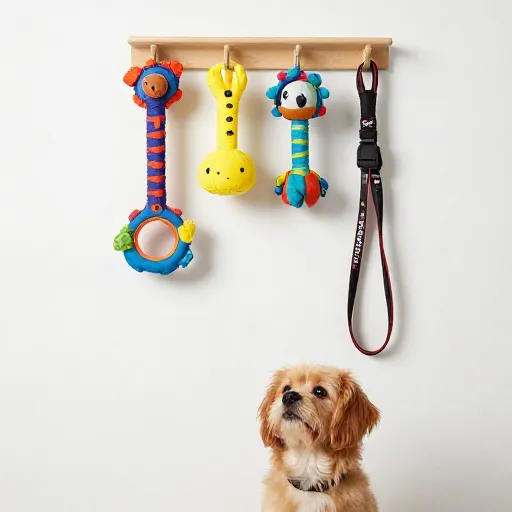
10. Vertical Toy and Leash Storage
Dog gear can clutter up a small space fast. I installed a pegboard on the wall near the door. Leashes, collars, toys, and poop bags all hang neatly.
I use small baskets for toys and hooks for leashes. Everything is visible and easy to grab. No more digging through a drawer.
This keeps the floor clear and makes leaving the house faster. Plus, it looks intentional and organized.
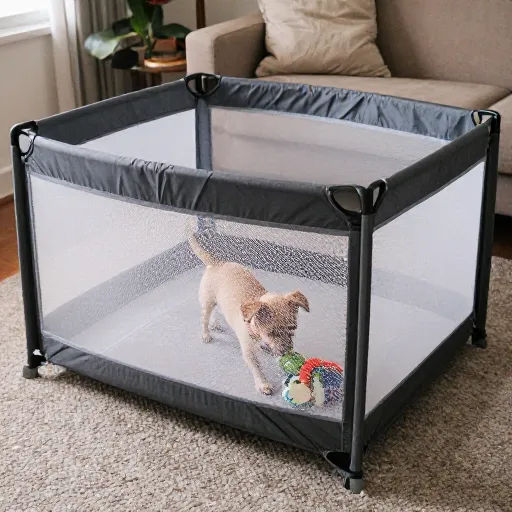
11. Foldable or Pop-Up Playpen
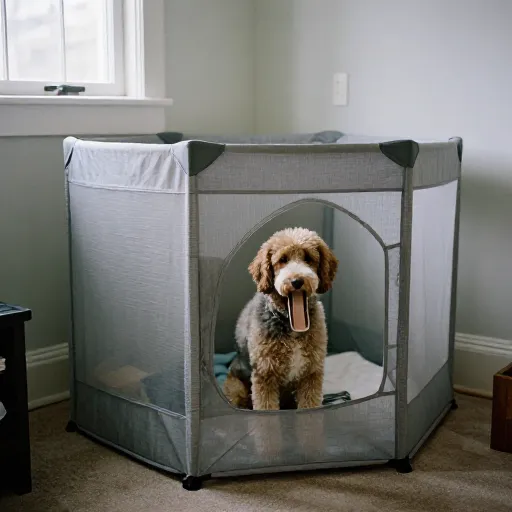
A permanent playpen takes up too much space. I use a foldable fabric playpen that I set up in seconds when I need to contain my dog.
When not in use, it folds flat and slides under the couch or behind the door. It’s perfect for puppies or for keeping a dog safe while I clean.
Choose one with a zippered top if your dog is a jumper. It’s portable, so I can take it to the park or a friend’s house.
Conclusion
Living in a small space with a dog doesn’t mean sacrificing comfort or style. It just means thinking differently about every corner, wall, and piece of furniture. I’ve learned that the best dog areas are the ones that blend into your life—not ones that take over your home.
Start with one idea that fits your space and your dog’s personality. You’ll both be happier for it.
Frequently Asked Questions
1. Can I keep a large dog in a small apartment?
Yes, as long as you provide enough exercise, mental stimulation, and a designated cozy spot. Large dogs often adapt well to small spaces if they get daily walks.
2. How do I make my small apartment dog-proof?
Secure loose wires, use baby gates for dangerous areas, and keep toxic plants out of reach. Provide plenty of toys to prevent boredom chewing.
3. What’s the best flooring for dogs in small spaces?
Hardwood or laminate is easiest to clean. Use washable rugs for traction and warmth. Avoid wall-to-wall carpet if possible.
4. How often should I clean my dog’s small space?
Vacuum daily if possible. Wash bedding weekly. Wipe down walls and corners monthly to keep allergens and odors down.
5. Can I use furniture for dog storage?
Absolutely. Ottomans with hidden storage, side tables with drawers, and bed frames with pull-out drawers work great for storing dog gear without cluttering the room.