Is Your Dog’s Gut Unhealthy? Fix It Fast!
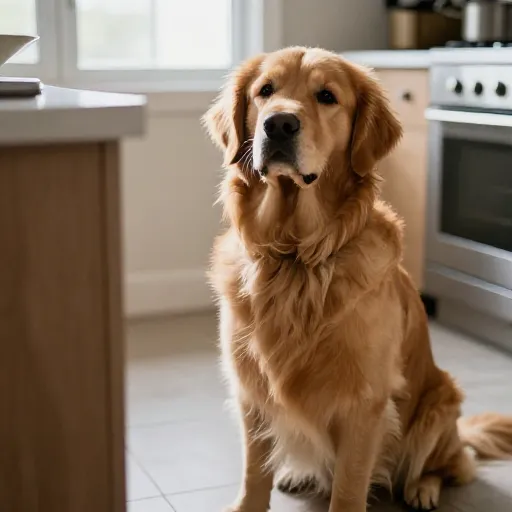
You know that feeling when your own stomach is off? You’re bloated, tired, and just not yourself. Well, our dogs feel that too, but they can’t tell us. Instead, they show us through their behavior, their coat, and, yes, their poop.
I used to think my dog’s occasional bad breath and gassiness were just “dog things.” Turns out, they were big red flags for an unhappy gut. If your pup has been licking their paws, eating grass like it’s a salad bar, or has breath that could knock you over, it’s time to listen. A healthy gut means a happy, bouncy dog. Let’s fix that fast.
Don’t worry—you don’t need a degree in biology. These are simple, everyday changes that can turn things around in just a few days.
1. The Poop Test—Your Dog’s Daily Report Card
I know, I know. Nobody wants to stare at poop. But it’s the easiest way to check gut health. You want a firm, chocolate-brown log that holds its shape. If it’s soft, watery, or looks like soft-serve ice cream, the gut is struggling.
Also watch for mucus, blood, or undigested food. Those are big signs that digestion is off. Start checking every morning. It takes two seconds and tells you everything.
2. Stop the Food Grazing—Set a Schedule
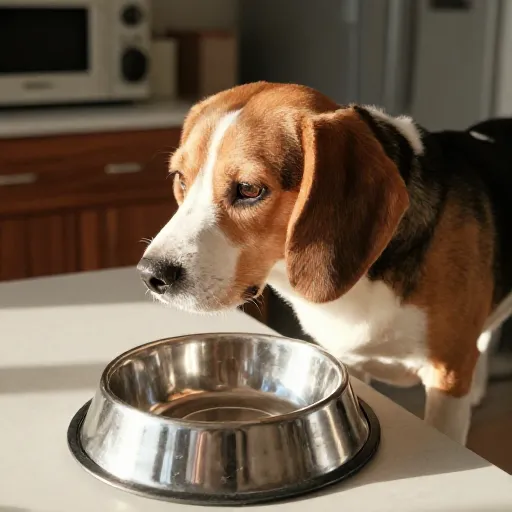
Leaving food out all day seems nice and easy, but it’s actually tough on the gut. The digestive system needs a break to reset. When food is constantly coming in, the gut never gets to clean itself out.
I switched my dog to two meals a day, and the difference was huge. Less gas, better poops, and she actually seemed hungrier at meal times. Try feeding at the same times every day. The gut loves routine.
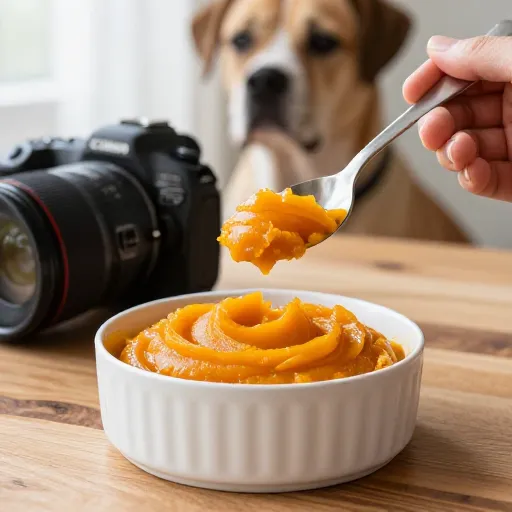
3. Add a Spoonful of Pure Pumpkin
This is my absolute favorite quick fix. Plain canned pumpkin (not pie filling!) is magic for dog guts. It works for both diarrhea and constipation because it balances things out naturally.
Just one spoonful mixed into dinner can calm an upset stomach fast. It’s loaded with fiber and prebiotics that feed the good bacteria. My dog licks her bowl clean when pumpkin is in there. Try it for a few days and watch the difference.
4. Ditch the Cheap Kibble—Check the Label
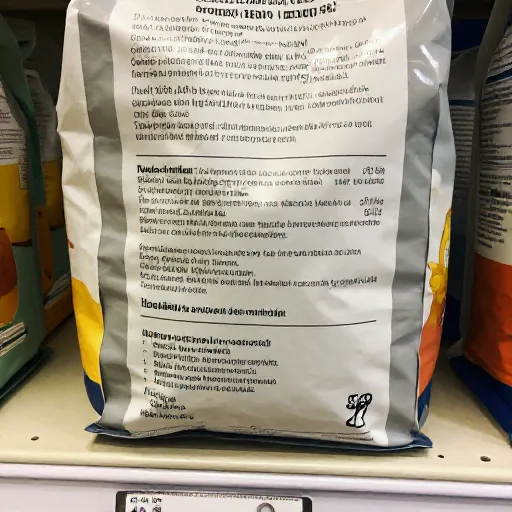
I used to grab whatever bag was on sale. Big mistake. Low-quality kibble is full of fillers like corn, wheat, and soy that dogs can’t digest well. Those ingredients just ferment in the gut and cause gas, bloating, and loose stools.
Flip the bag over. The first ingredient should be a named meat, not “meat meal” or “by-product.” Fewer ingredients usually means gentler digestion. Your dog’s gut doesn’t need a chemistry experiment.
5. Try a Probiotic—Real Ones Work
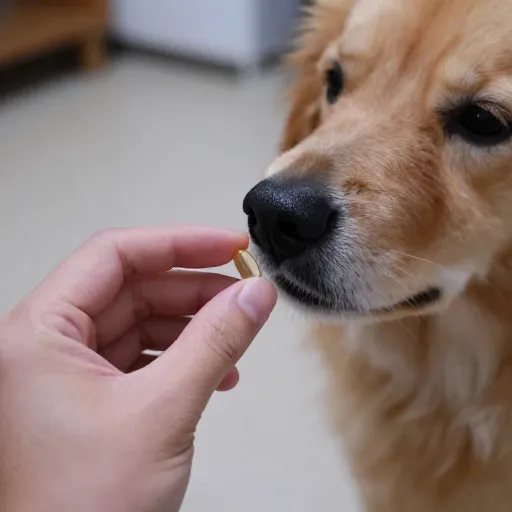
I was skeptical about probiotics for dogs. But after a round of antibiotics left my dog with terrible diarrhea, I tried a canine-specific probiotic. Within two days, her stool firmed up and she had more energy.
Look for ones with multiple strains of bacteria. You can find powders, chews, or even plain Greek yogurt (if your dog handles dairy). Just a little sprinkle on food can repopulate the gut with good guys and push out the bad ones.
6. Cut the Random Treats
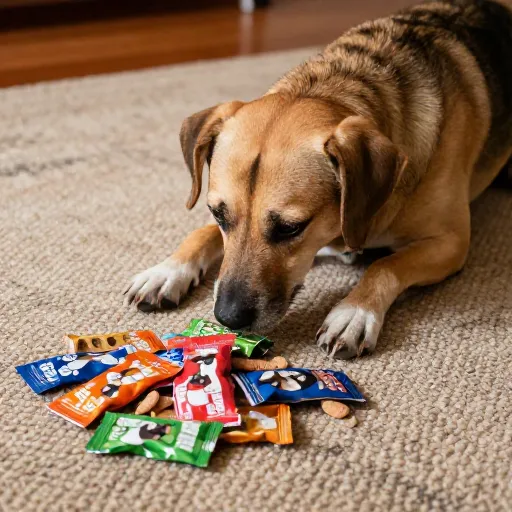
We all love spoiling our dogs. But if you’re giving treats throughout the day, the gut never gets a break. Those processed, brightly colored treats are often full of sugar and artificial junk that feed bad bacteria.
I swapped store-bought treats for small pieces of boiled chicken, carrot sticks, or blueberries. Simple, real food. My dog loves them just as much, and her digestion got way more stable. Less is more when it comes to extras.
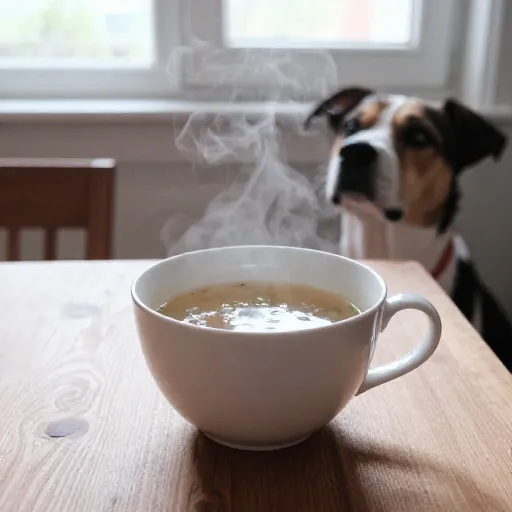
7. Bone Broth—Liquid Gold for the Gut
This is like a warm hug for your dog’s insides. Homemade bone broth is rich in collagen and gelatin, which soothe the gut lining and help with inflammation. It’s especially great if your dog has been sick or has a sensitive stomach.
Just simmer bones (chicken or beef) in water for 12–24 hours. No onions or garlic. Pour a little over their kibble. It’s hydrating, healing, and most dogs go crazy for the taste. Warm it up slightly for extra comfort.
8. Watch the Grass Eating
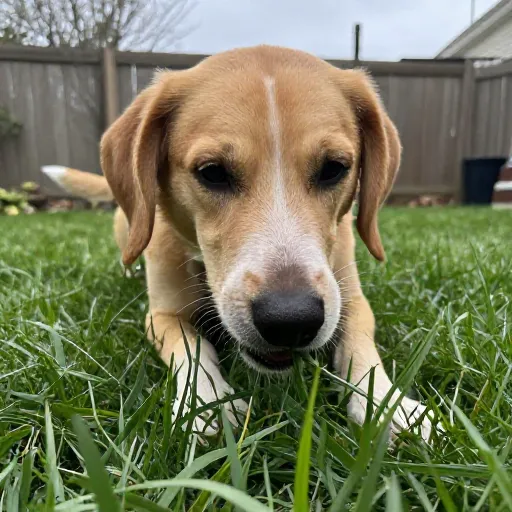
It’s normal for dogs to eat grass sometimes. But if your dog is doing it daily and then throwing up, that’s a gut SOS. They’re trying to settle their stomach or get more fiber. It’s a sign something is off.
Instead of letting them graze like a cow, add more fiber to their meals—think steamed green beans, pumpkin, or a little psyllium husk. If the grass eating stops, you’ve found the fix. It’s their way of saying, “Help me out here.”
9. Hydration Matters More Than You Think
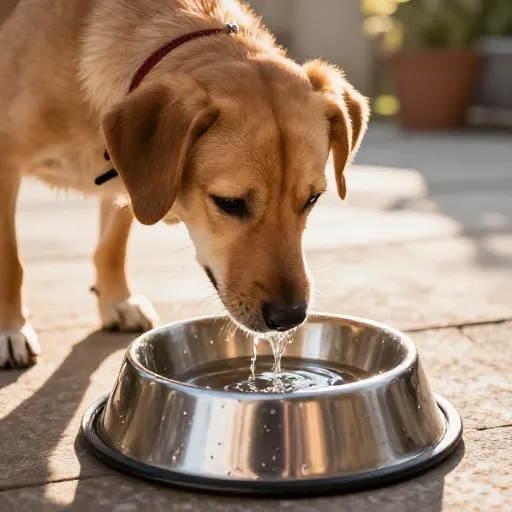
A dry gut is a stressed gut. Dehydration slows down digestion and makes stools hard and painful to pass. I noticed my dog wasn’t drinking enough from her bowl, so I added a pet water fountain. The running water made her drink way more.
You can also add water or broth to their kibble. Wet food has higher moisture content too. A well-hydrated gut moves food through smoothly. It’s a simple fix that solves a lot of problems.
10. Give Them a Digestive Enzyme Boost
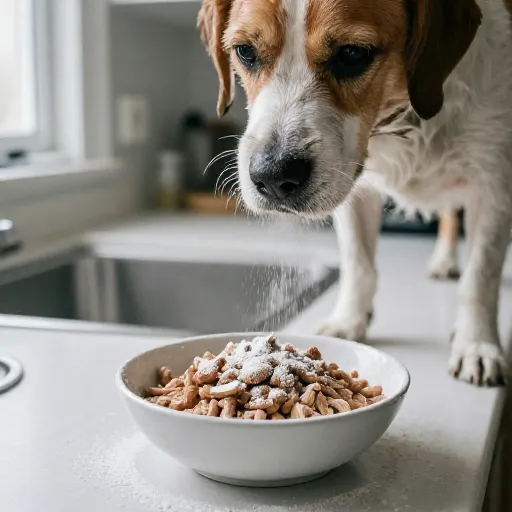
Sometimes the gut just needs a little extra help breaking down food. Digestive enzymes are especially useful for older dogs or those who’ve been on a poor diet for a while. They help the body absorb nutrients better.
You can find enzyme powders that you sprinkle on food. Papaya tablets are also a natural option. I started using them when my dog’s coat looked dull, and within weeks her fur got shinier. That’s the gut working better.
Conclusion
Your dog’s gut health is the foundation of their overall happiness. When the gut is happy, the breath is better, the energy is higher, and the tail wags more. You don’t need expensive vet visits to start fixing things. Try one or two of these tips today. Your dog will thank you with a cleaner bowl and a brighter bounce in their step.
[[IMG:IMG12]]
Frequently Asked Questions
1. How do I know if my dog has an unhealthy gut?
Look for signs like chronic diarrhea or constipation, excessive gas, bad breath, licking paws, eating grass, dull coat, and low energy. These are all clues the gut is struggling.
2. Can I give my dog human probiotics?
It’s better to use dog-specific probiotics because they contain strains that work well for canine digestion. Human ones might not have the right bacteria. Always check with your vet first.
3. How long does it take to fix a dog’s gut?
With simple changes like adding pumpkin or probiotics, you can see improvements in 2 to 5 days. More serious imbalances might take a few weeks. Be patient and consistent.
4. Is pumpkin good for dogs every day?
Yes, in small amounts. One to two tablespoons per day is fine for most dogs. Too much can cause loose stools. Start with a little and adjust based on how your dog responds.
5. What foods are bad for a dog’s gut?
High-fat foods, dairy (for lactose-sensitive dogs), processed treats with artificial colors, and foods with lots of fillers like corn or soy. Stick to simple, whole ingredients whenever possible.
[[IMG:IMG13]]