5 Homemade Cat Food Recipes Easy & Healthy
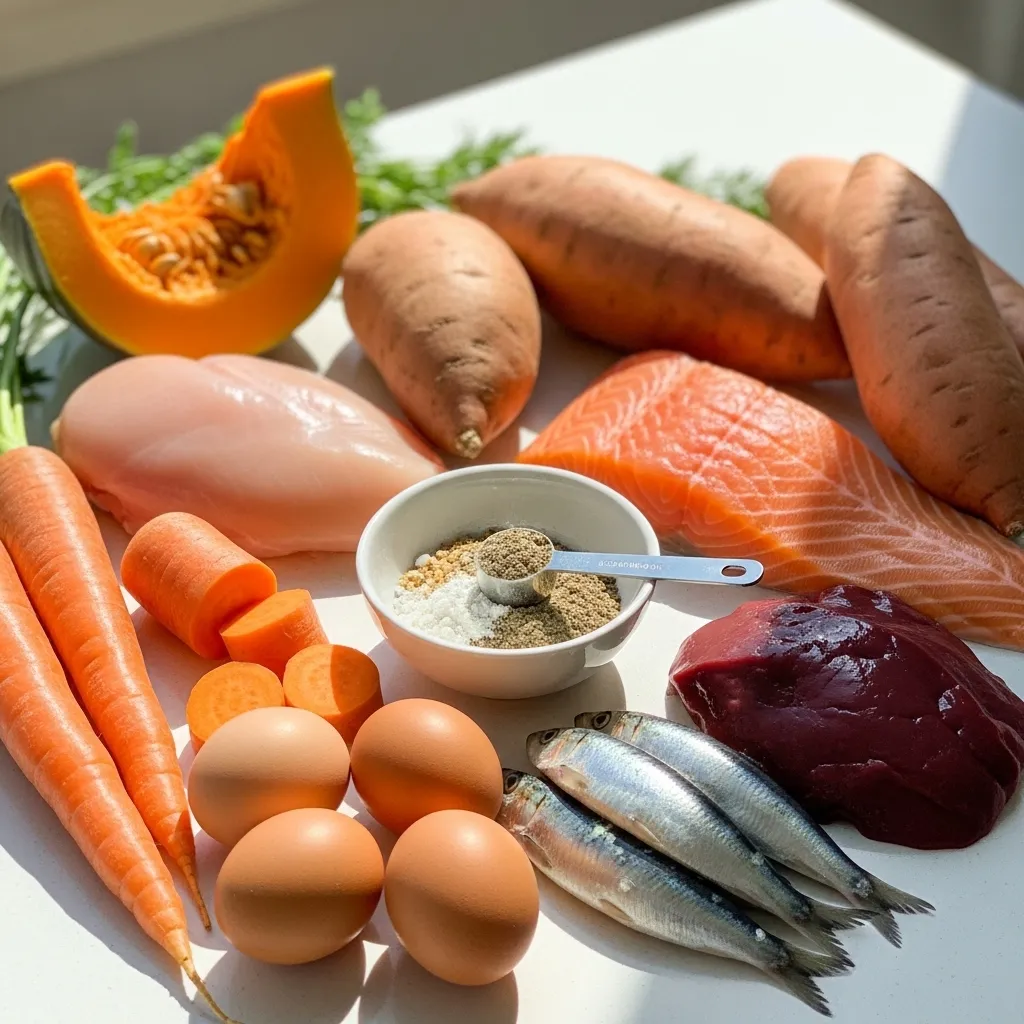
I love knowing exactly what goes into my cat’s bowl. Making homemade cat food at home might sound intimidating, but it’s actually simpler than you think. You control the ingredients, skip the fillers, and give your feline friend real nutrition.
These five recipes are easy to prepare, use everyday ingredients, and are packed with goodness. They are perfect for cats with sensitive tummies or picky eaters. Let’s get cooking for your kitty!
Always check with your vet before changing your cat’s diet, especially if they have health conditions. These recipes are meant as occasional meals or part of a balanced plan.
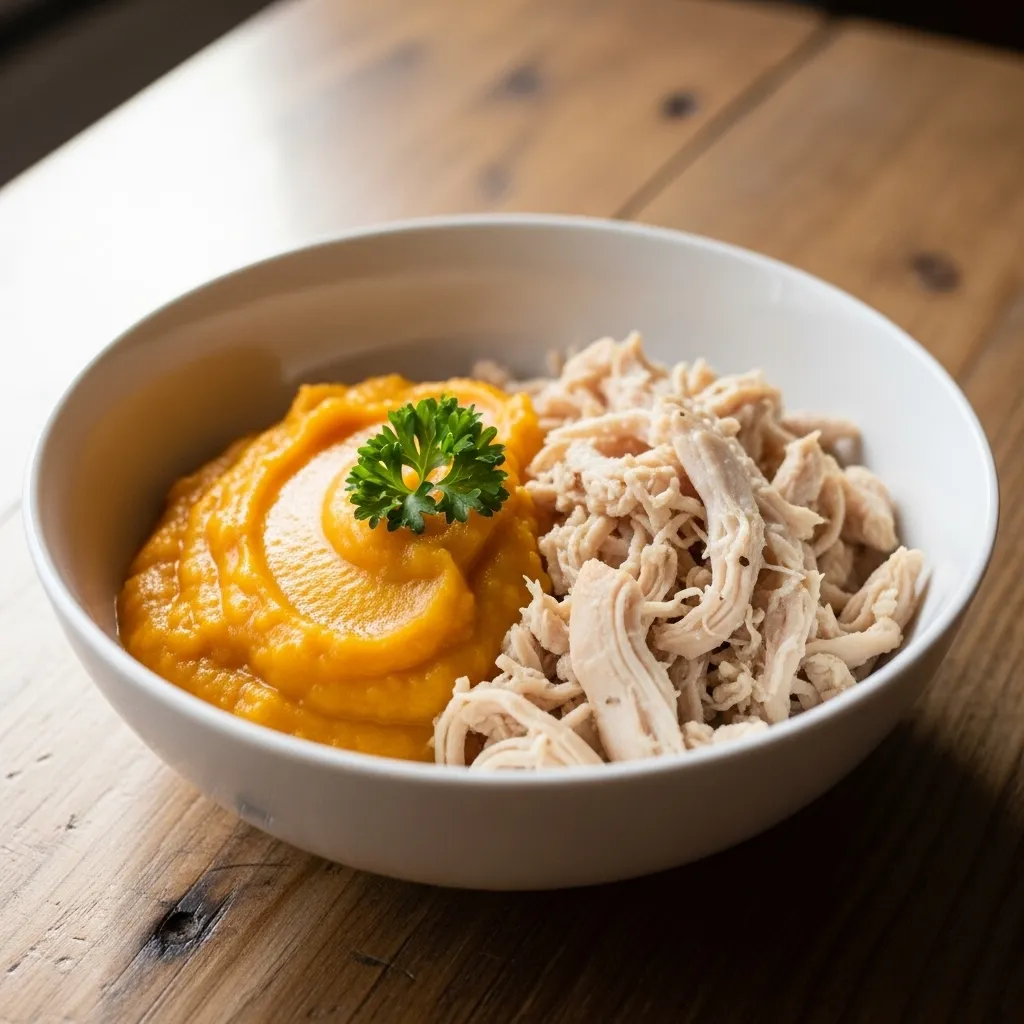
1. Simple Chicken & Pumpkin Puree
This is my go-to recipe when my cat needs something gentle on her stomach. Chicken is a lean protein, and pumpkin is a fiber powerhouse that helps with digestion.
Ingredients: boneless, skinless chicken breast, canned pure pumpkin (not pie filling), and a little water.
Boil the chicken until fully cooked. Let it cool, then shred it finely. Mix the shredded chicken with two tablespoons of pumpkin puree. Add a splash of water to make it a soft, pâté-like texture. Serve small portions. Store leftovers in the fridge for up to three days.
My cat loves the smooth texture, and it’s so good for her tummy.
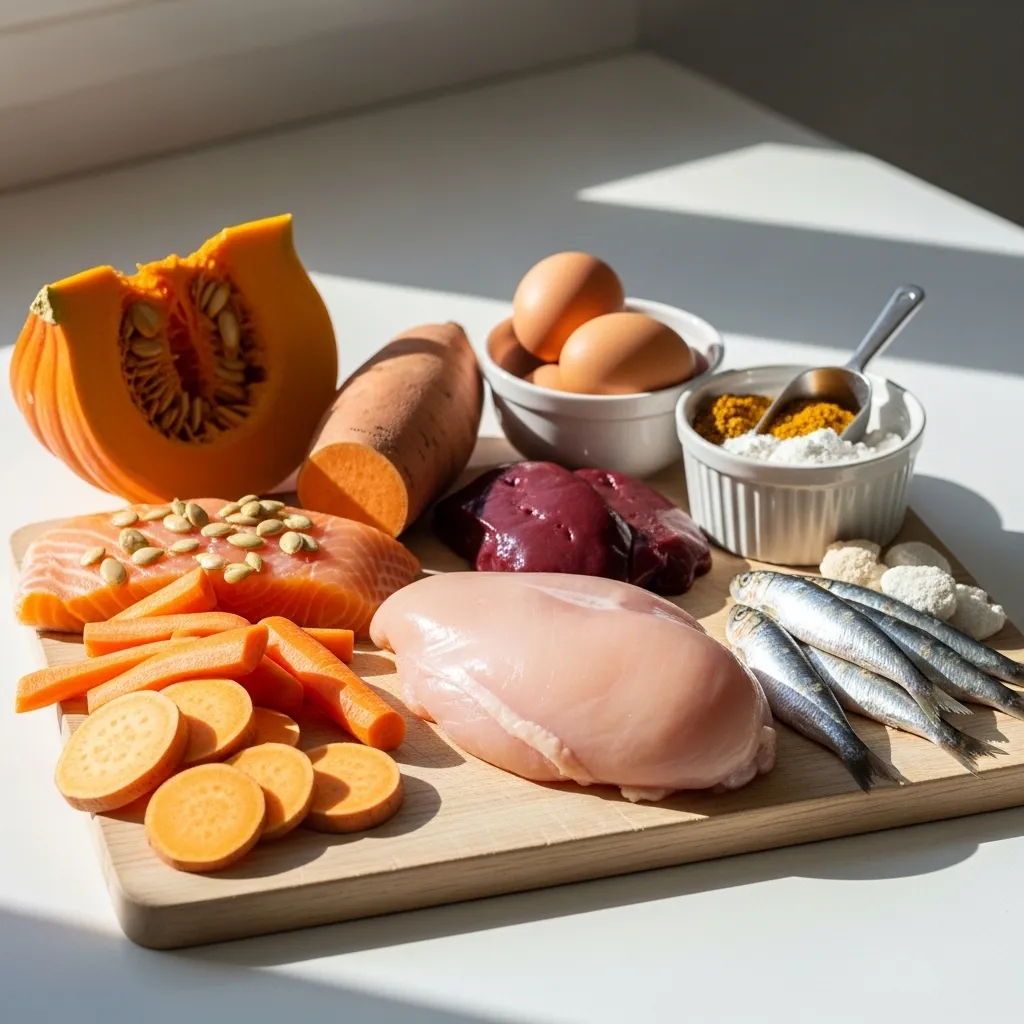
2. Salmon & Sweet Potato Bowl
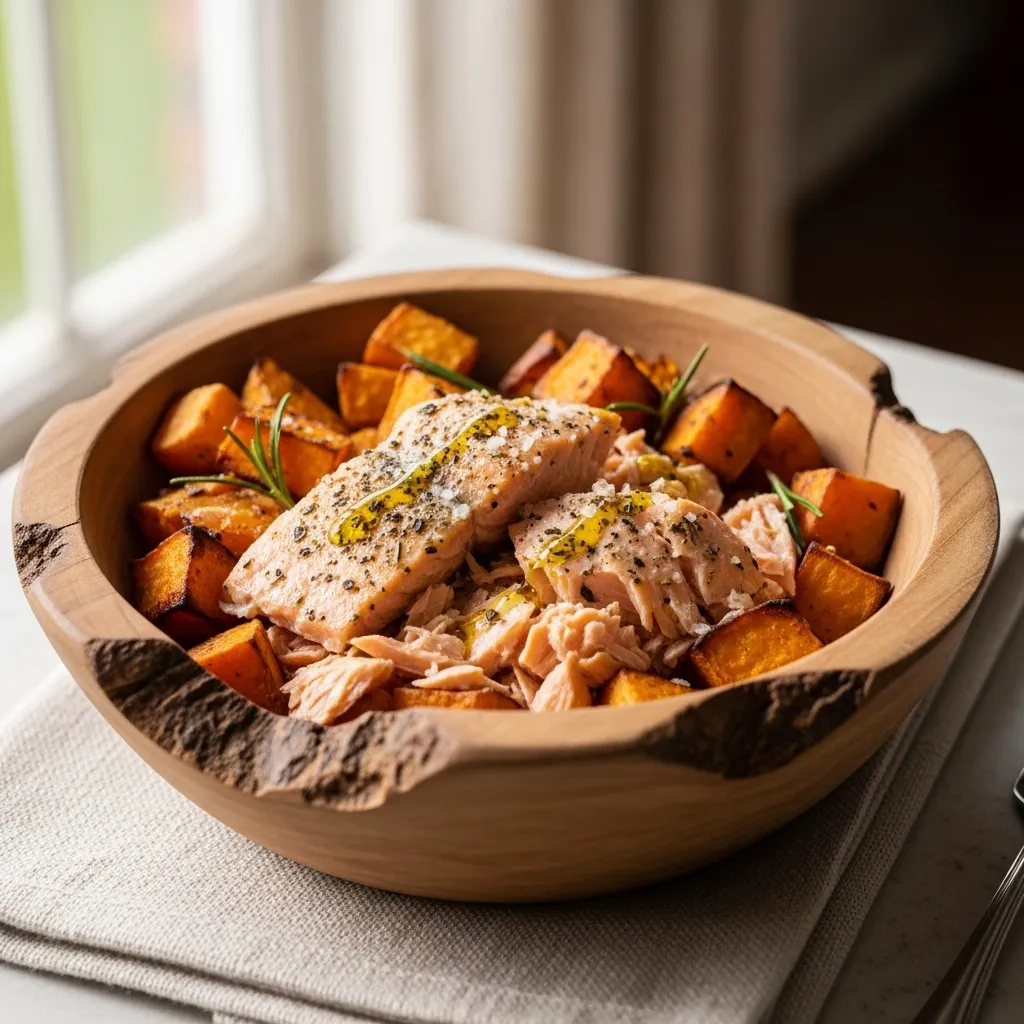
Salmon is packed with omega-3 fatty acids, great for a shiny coat and healthy skin. Sweet potatoes add vitamins and a hint of natural sweetness.
Ingredients: canned wild salmon (in water, no salt added), cooked and mashed sweet potato, and a tiny bit of fish oil (optional).
Drain the salmon and remove any bones. Flake it into a bowl. Add a tablespoon of mashed sweet potato. Mix gently. If the mixture is too thick, add a teaspoon of water or fish oil. Serve at room temperature.
This recipe smells amazing, and most cats go crazy for it. Just don’t feed it too often because of the fish content.
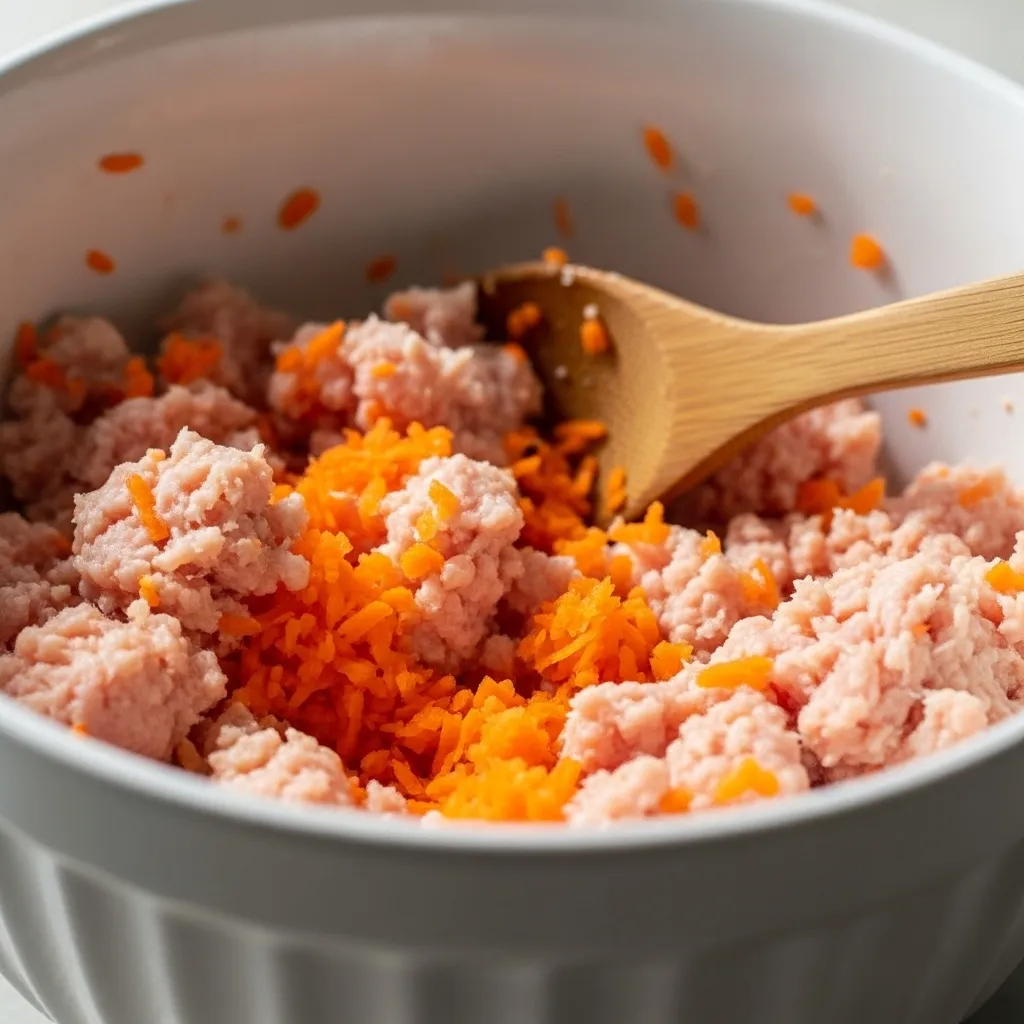
3. Turkey & Carrot Minced Mix
Turkey is a great alternative to chicken, and it is lower in fat. Carrots add crunch and beta-carotene, which supports eye health.
Ingredients: ground turkey, finely grated carrot, and a bit of bone broth (homemade or low-sodium).
Brown the ground turkey in a pan without oil. Drain any excess fat. Let it cool. Mix in the grated carrot. Add a little bone broth to make it moist. You can serve it as a soft mince or blend it for a smoother consistency.
I like to make a big batch and freeze portions for busy days.
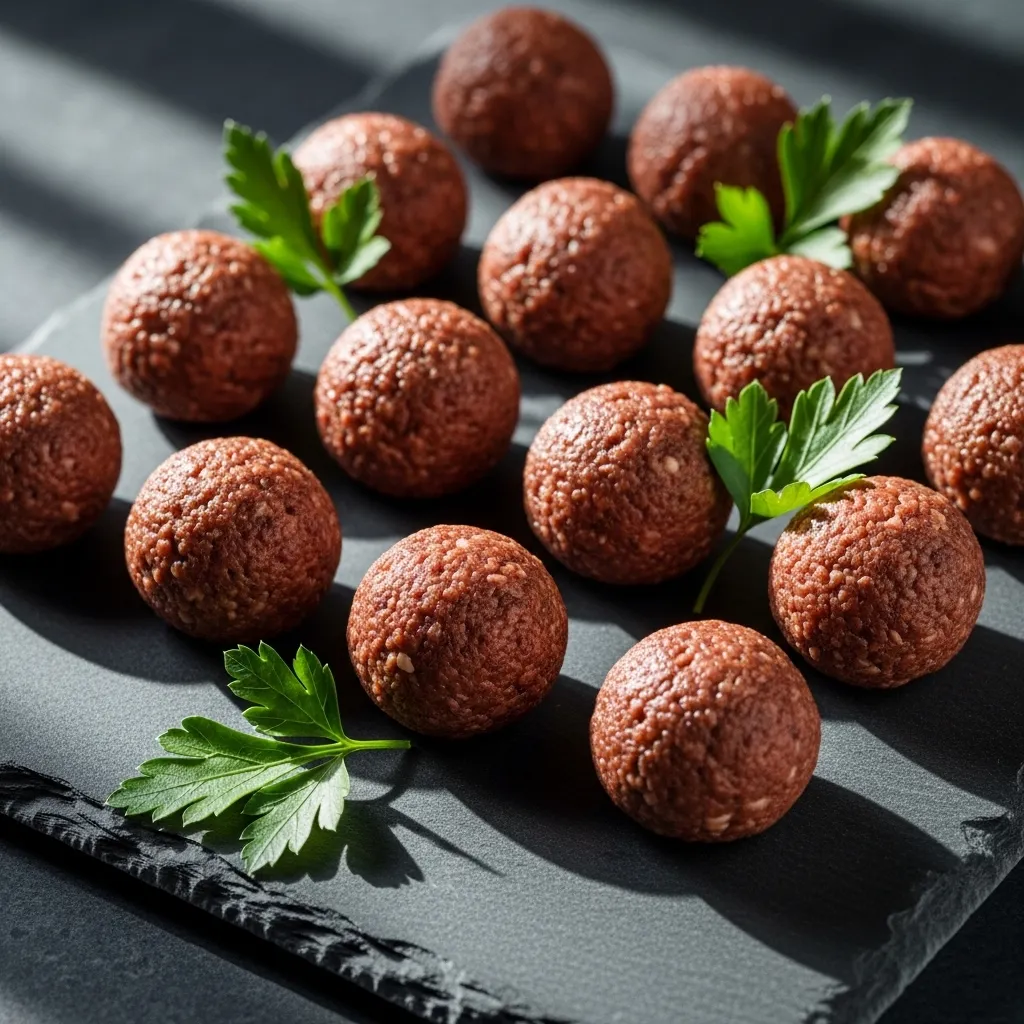
4. Beef & Liver Protein Bites
These little bites are like treats but packed with real protein. Liver is super nutritious but use it sparingly because it is very rich.
Ingredients: lean ground beef, a small piece of beef liver (about the size of a walnut), and a cooked egg.
Cook the ground beef and liver in a pan until done. Let them cool. In a food processor, blend the cooked meats with a hard-boiled or scrambled egg (no seasoning). Pulse until it forms a coarse paste. Roll into tiny meatball-sized bites.
Store these in the fridge and give one or two as a special meal topper. My cat thinks these are the best treats ever.
5. Egg & Sardine Quick Scramble
This is my emergency recipe when I have zero time. It takes five minutes and uses pantry staples. Sardines are full of healthy fats, and eggs provide protein.
Ingredients: one egg, one sardine (packed in water, no salt), and a pinch of catnip (optional).
Scramble the egg in a non-stick pan without oil. Mash the sardine with a fork. Mix the scrambled egg and mashed sardine together. Sprinkle a tiny bit of catnip on top for extra fun.
This meal is very rich, so only serve it once a week. It’s a great way to use up leftover sardines.
Tips for Cooking Homemade Cat Food
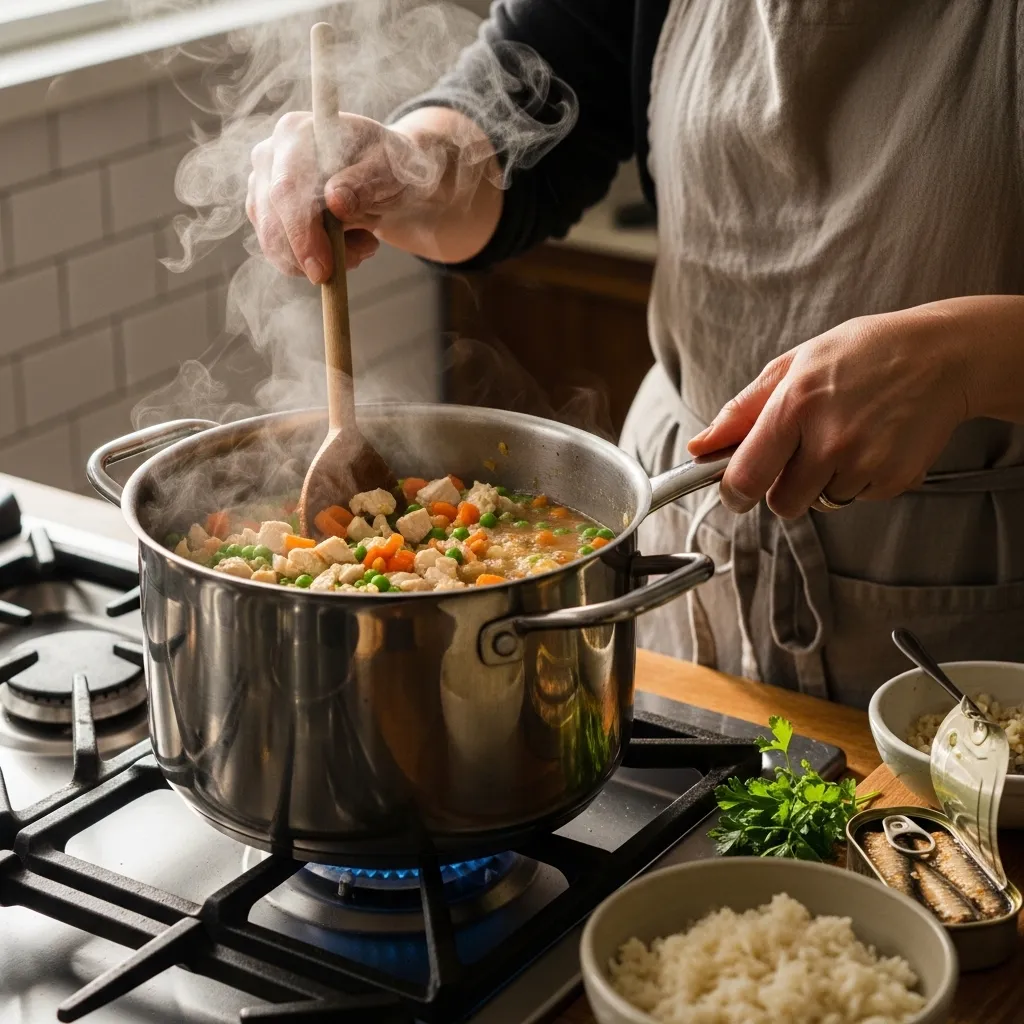
I have learned a few tricks that make this whole process much easier. Always cook meat thoroughly. Never use onions, garlic, or excessive salt. These are toxic to cats.
Store homemade food in small, airtight containers. Refrigerate for up to three days or freeze for up to a month. Thaw in the fridge overnight. Serve at room temperature, never straight from the fridge.
Watch your cat’s reaction. If they seem off, stop feeding the recipe and talk to your vet.

How to Introduce New Recipes
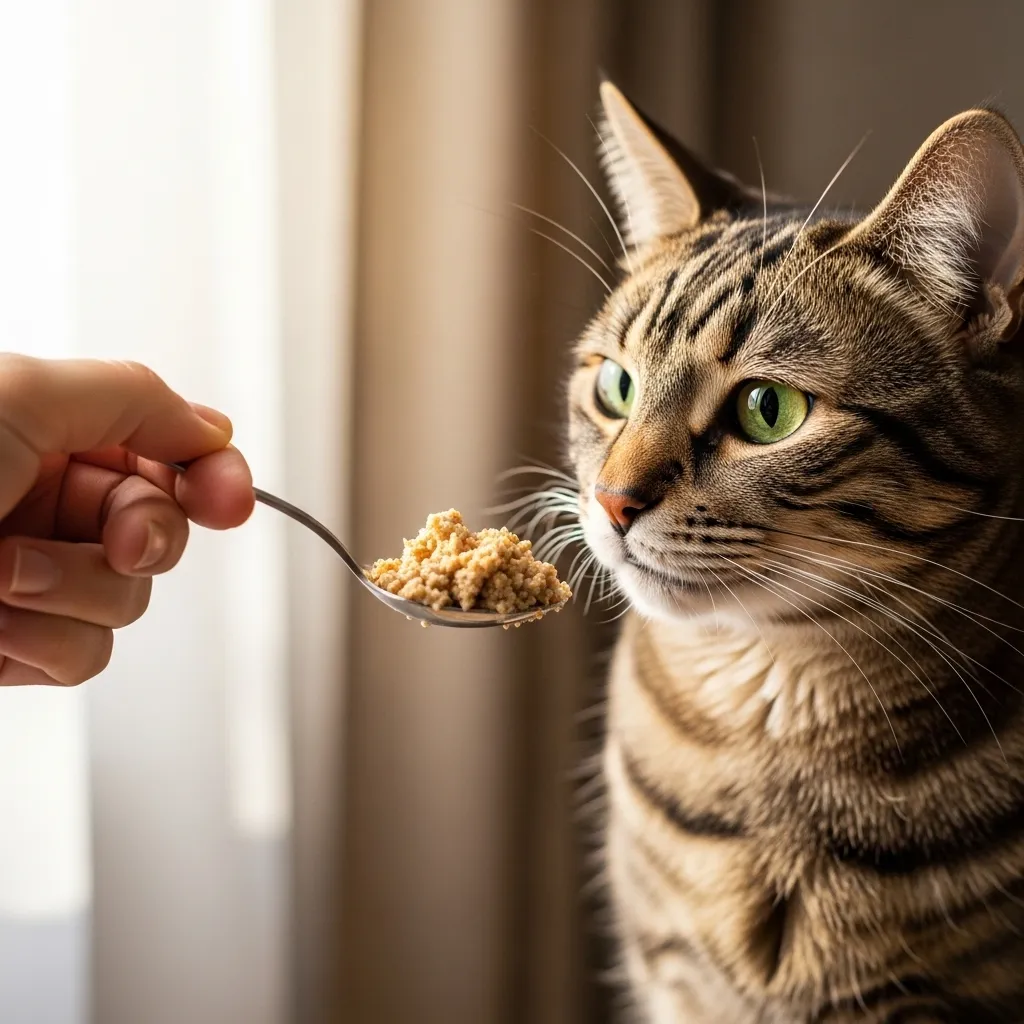
Cats can be creatures of habit. I always introduce new food slowly. Start by mixing a tiny spoonful of the homemade food into their regular wet food. Gradually increase the amount over several days.
If your cat refuses the new meal, don’t force it. Try a different protein or texture. Some cats love pâté, others prefer chunky bits. Patience is key.
Most cats will show interest because the homemade food smells so much better than kibble.
Supplements to Consider
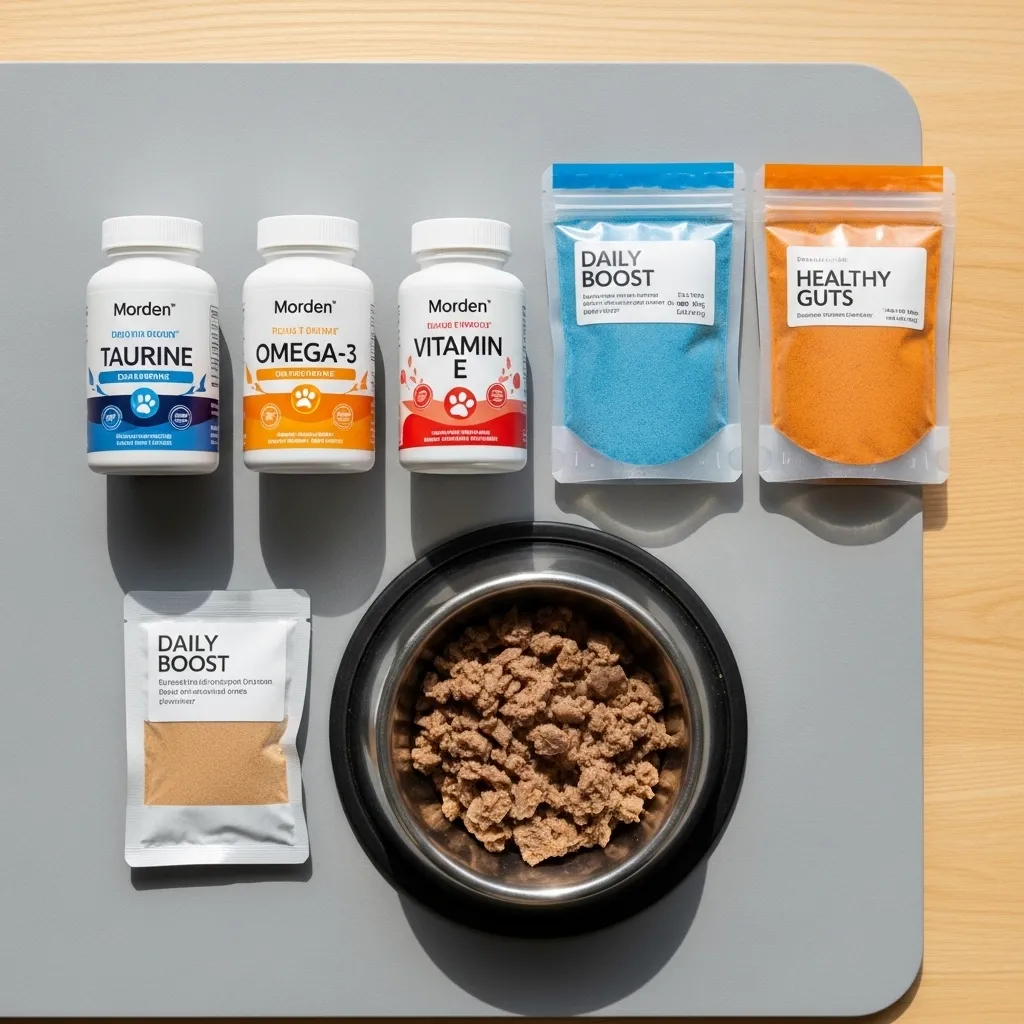
Homemade food is wonderful, but it might lack certain nutrients. I always add a feline-specific multivitamin or taurine supplement. Taurine is essential for cats and they need it from food.
You can also add a small amount of fish oil for omega-3s. Always use supplements made for cats, not humans. Your vet can recommend the best brand for your kitty.
Remember, homemade meals should not replace a complete and balanced commercial diet unless you are following a vet-approved recipe.
Final Thoughts on Homemade Cat Food
Making homemade cat food has brought me so much closer to my cat. I feel good knowing she is eating real, wholesome ingredients. It doesn’t have to be complicated or expensive. Start with one simple recipe and see how your cat responds.
Your cat will thank you with purrs and happy meows. Plus, you might have fun in the kitchen too. Happy cooking for your furry friend!
Frequently Asked Questions
Can I use raw meat for these recipes?
I always cook the meat to avoid bacteria. Raw diets can be risky for some cats and humans. Cooking is safer and still very healthy.
How much homemade food should I feed my cat?
It depends on your cat’s size and activity level. A general rule is about 2-3 tablespoons per meal for an average 10-pound cat. Start small and adjust based on your cat’s appetite.
Can I add vegetables to all recipes?
Not all cats like vegetables. Stick to cat-safe ones like pumpkin, carrots, or green beans. Avoid onions, garlic, and nightshade vegetables.
How long does homemade cat food last in the fridge?
I keep it in the fridge for a maximum of three days. For longer storage, freeze it in small portions. Always check for any off smells before serving.
What if my cat doesn’t like the homemade food?
Don’t give up! Try a different protein or texture. Some cats prefer fish, others like poultry. You can also mix a tiny bit of their favorite wet food to help them transition.