Which Dog Boarding Facility Ideas Work?

I’ve spent a lot of time thinking about what makes a dog boarding facility feel less like a kennel and more like a home away from home. You know the drill—some places just feel cold and loud, while others have that special vibe where your pup practically drags you through the front door. The difference isn’t just about fancy floors or big fences. It’s about the little details that make tails wag.
If you’re dreaming of opening your own boarding spot, or maybe you’re just looking to upgrade the one you’ve got, I’ve got some real-world ideas that actually work. Not the stuff that looks good on Pinterest but falls flat in real life. I’m talking about practical, doable, and genuinely dog-approved concepts that make both the pups and their humans happy.
Let’s dig into the ideas that really make a difference.
1. The “Home-Style” Suite Instead of a Cage
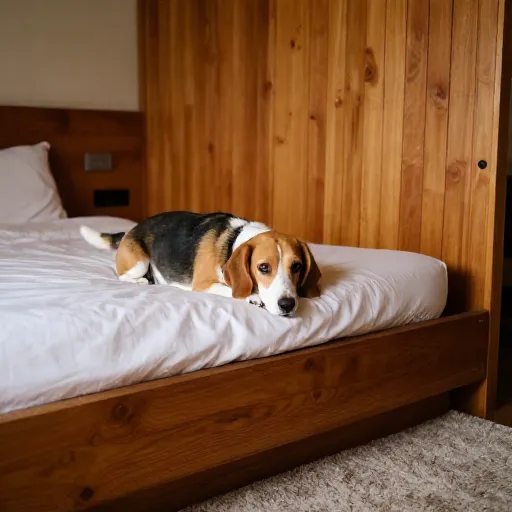
Let’s be real—nobody loves the word “kennel.” It brings up images of cold concrete and metal bars. A huge trend that’s working right now is ditching the traditional cage look and going for cozy, home-style rooms. Think of them as little bedrooms for dogs.
You don’t need to remodel everything overnight. Even adding a solid door instead of bars, or painting the walls a warm color, changes the whole vibe. Add a raised cot or a plush bed, and suddenly it feels like a sleepover, not a holding cell.
It’s a small change that makes a huge difference in how calm the dogs are. They settle in faster, and owners feel way better about leaving their best friend behind.
2. Live “Pup-Cams” for Peace of Mind
Okay, this one is a game-changer. I can’t tell you how many times I’ve dropped my dog off and immediately wanted to check in on him. Having a live camera feed that owners can access from their phone is a total must-have.
It’s not just about spying on the staff (though that’s a bonus). It’s about showing off your clean facility and happy dogs. When owners see their pup playing or napping peacefully, they book again immediately.
You can set this up with simple Wi-Fi cameras. Just make sure you have clear privacy policies. But trust me, this feature sells itself. It’s like a 24/7 advertisement for your happy guests.

3. Separate Play Groups by Size and Energy
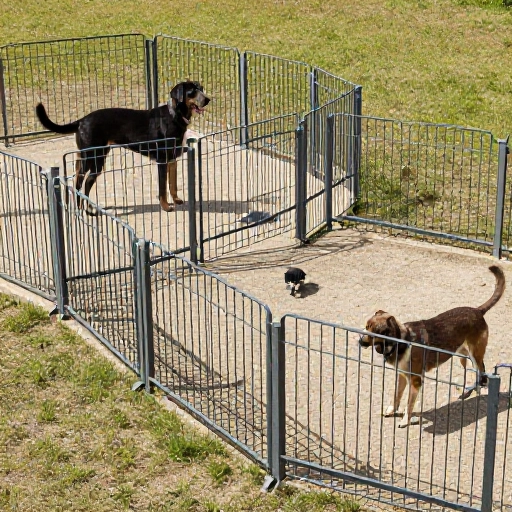
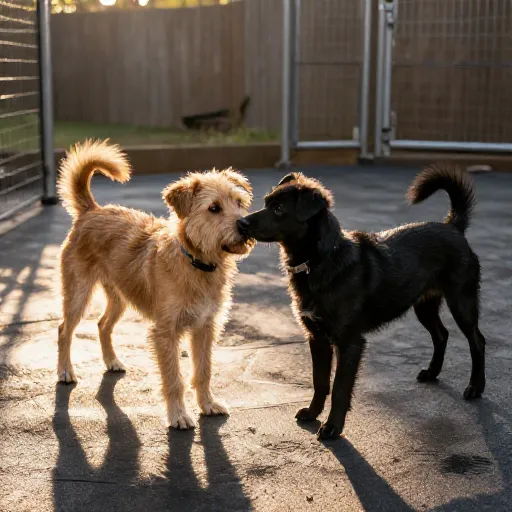
One big mistake I see is putting all the dogs together in one big free-for-all. That’s a recipe for stress and accidents. What works beautifully is having a plan for different play groups.
Split the dogs up by size—big dogs with big dogs, little dogs with little dogs. Then, within those groups, look at energy levels. A hyper young lab doesn’t want to hang with a grumpy old pug. Matching them up by play style means safer, happier playtime.
It takes a little more effort from your staff, but it’s worth it. Dogs come home tired but not overstimulated, and that’s exactly what owners want to see.
4. The “Wind-Down” Room for Quiet Time
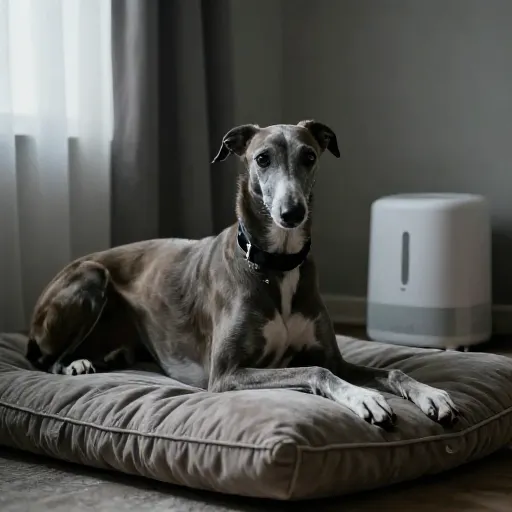
Not every dog is a social butterfly. Some dogs just want a quiet corner to chew a bone and watch the world go by. A dedicated quiet room is a lifesaver for these introverted pups.
This room should be dimly lit, maybe with some soft music playing, and have cozy beds or crates that dogs can retreat to. It’s not for punishment; it’s for choice. Giving dogs the option to take a break from the pack is huge.
I love this idea because it shows you see each dog as an individual. It also helps prevent over-tired meltdowns, which are super common in busy boarding facilities.
5. Indoor and Outdoor Play Spaces
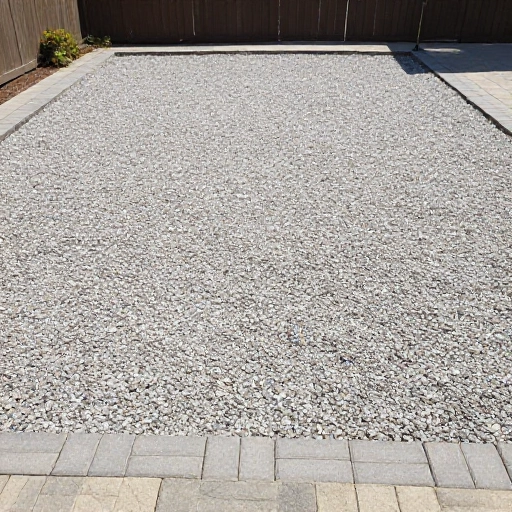
Weather can be a total buzzkill. If it’s raining sideways or snowing, the dogs need somewhere to burn energy that isn’t a muddy puddle. Having both indoor and outdoor play areas is a non-negotiable in my book.
The indoor space doesn’t have to be huge. It can be a converted garage or a big room with rubber flooring and some sturdy toys. The point is to have a safe space for zoomies when the weather doesn’t cooperate.
This also helps with scheduling. You can rotate groups between indoor and outdoor, keeping the grass from turning into a mud pit and giving the dogs variety in their day.
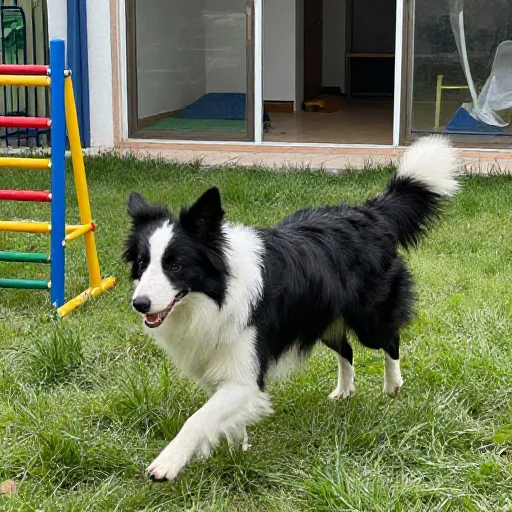
6. Personalized “Report Cards” at Pick-Up
Imagine picking up your dog and getting a little card that says, “Biscuit had a blast playing with a golden retriever named Max! He ate all his lunch and took a two-hour nap.” That is pure gold.
It takes maybe two minutes for a staff member to jot down a few notes, but the impact is huge. It personalizes the experience and shows you genuinely care about each dog’s day. It’s a tangible reminder of why your facility is the best.
You can even add a little photo printout. It’s a tiny cost that creates a massive emotional connection with your clients. People love sharing that stuff on social media, too.
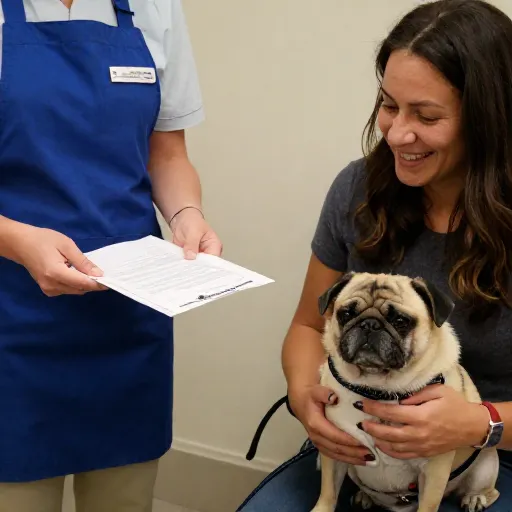
7. A “Meet & Greet” Trial Day Before Booking
This is less about the physical facility and more about the process, but it works wonders. Requiring a trial day or a “meet and greet” before a long stay is a brilliant idea. It ensures the dog is a good fit for the group play environment.
It gives the owners a chance to see the place, meet the staff, and ask questions. For the dog, it’s a low-pressure introduction without the stress of a full week away from home.
It filters out dogs that might be too anxious or aggressive, which protects the other guests. And it builds trust with the owner because they see you’re being selective and careful.

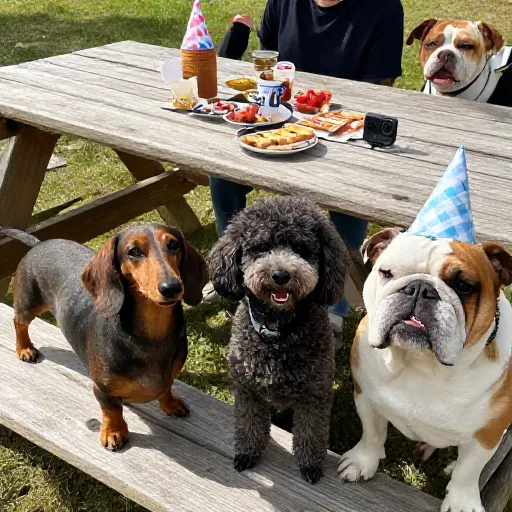
8. Themed “Bark-B-Q” or “Yappy Hour” Events
Here’s a fun one—host a free event for the community. Think of it as a “Yappy Hour” where local dog parents can bring their pups to check out your facility without the pressure of boarding.
Set up some water bowls, hand out treats, and maybe have a local pet photographer take snapshots. It’s a low-key way to show off your space and meet potential clients. It builds a sense of community around your brand.
When someone sees how clean and fun your place is during a relaxed event, they are way more likely to book a boarding stay later. It’s marketing that feels like a party.
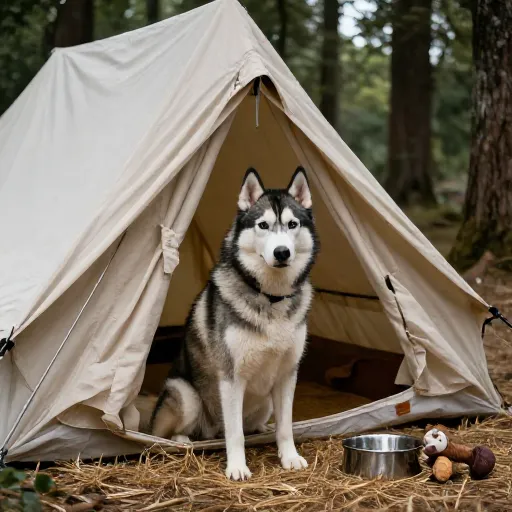
9. “Cabin Fever” Campsites for the Adventurous
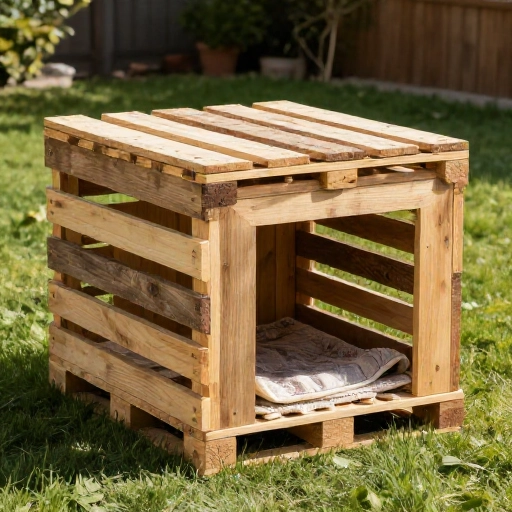
If you have the space, consider offering a “campsite” style boarding option. Think of it as a mini-adventure. These are often outdoor runs with a covered shelter and a fun name, like “Boulder Camp” or “Riverside Retreat.”
It’s appealing to people with active, outdoorsy dogs. It feels less like a hotel and more like summer camp. You can add fun elements like a sandpit for digging or a small agility course.
It’s a premium option that justifies a higher price point, and it gives the dogs a totally different sensory experience than being indoors all day.
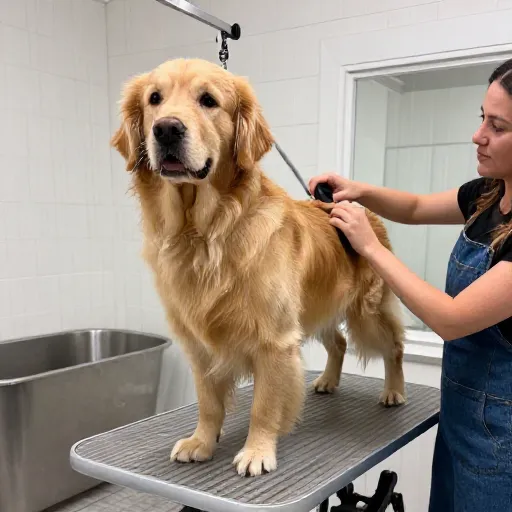
10. A “Spa Day” Add-On Service
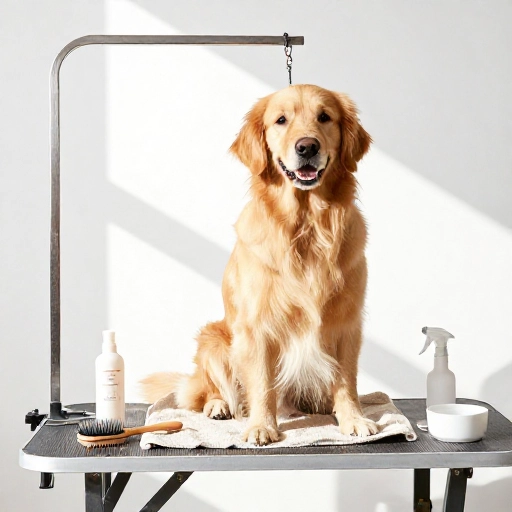
Nobody wants to pick up a stinky, muddy dog. Offering a bath and brush-out as an add-on service before pick-up is a brilliant money-maker and a huge convenience for owners.
It’s simple to implement—you just need a wash station, some good shampoo, and a blow dryer. The owner picks up a clean, fluffy, great-smelling dog. It feels like a treat, even if it costs extra.
It adds to the “resort” feel of your facility and solves a real problem for busy pet parents. It’s the perfect cherry on top of a great stay.

Final Thoughts: It’s All About the Experience
So, which dog boarding facility ideas work? Honestly, it’s the ones that put the dog’s comfort and the owner’s peace of mind first. It’s not about having the most expensive equipment; it’s about having the right vibe and the right systems in place.
Start with one or two of these ideas and see how they feel. Maybe you start with the report cards, or maybe you tackle the quiet room first. Every small change you make moves you closer to being the place everyone recommends. Your passion for dogs will shine through in every detail.
Frequently Asked Questions
1. How much space do I need for a dog boarding facility?
You don’t need acres of land. A good rule of thumb is to have at least 50-100 square feet per dog in the play areas, plus separate sleeping quarters. Indoor space is a huge plus for bad weather.
2. What is the most important safety feature to have?
Double-gated entry points are critical. This means having a gate at the main door and another gate to the play area. It prevents any escape artists from darting out when a staff member enters or exits.
3. Do I need to be licensed to board dogs?
Yes, absolutely. Most cities and states require a specific kennel or pet care license. You’ll also likely need to pass regular health and safety inspections. Check your local regulations first before doing anything else.
4. How do I handle a dog that gets anxious away from home?
Patience is key. A cozy “wind-down” room, playing soft calming music, and giving them a special frozen treat can help. It’s also great to ask the owner to bring a piece of clothing with their scent on it.
5. What is the best way to price my boarding services?
Check out what other facilities in your area are charging and stay competitive. Then, offer tiered pricing. A basic suite, a larger suite, and a “luxury” option with add-ons like spa services or extra cuddle time can help meet different budgets.