Dog Health Checklist Every Owner Should Follow
Dog Health Checklist Every Owner Should Follow
As a devoted dog owner, I quickly realized that keeping my furry friend healthy takes more than just love and treats. A proper health routine ensures your dog lives a long, happy life. From regular vet visits to mental stimulation, a complete approach is key to your dog’s overall well-being.
In this guide, I will share my personal experience and tips on what every dog owner should monitor. By following these essential steps, you can prevent many common health issues and create a safer environment for your beloved pet.
1. Regular Veterinary Check-Ups
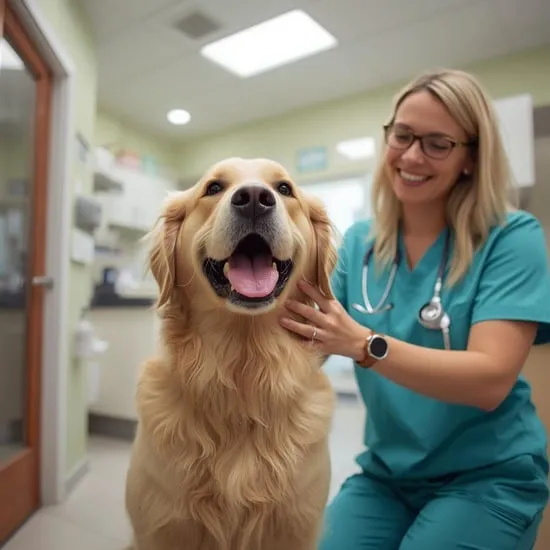
Routine vet visits are crucial for detecting health problems early. Annual exams, vaccinations, and blood work help identify potential issues before they become serious. I learned that staying proactive saves both stress and costs in the long run.
Keeping a record of your dog’s medical history, including past illnesses and treatments, is incredibly helpful. It allows your vet to make informed decisions and ensures your dog gets the best care possible, especially during emergencies.

2. Balanced Nutrition and Hydration
A healthy diet is the foundation of a dog’s wellness. Providing the right nutrients, portion sizes, and avoiding harmful foods can make a huge difference. I always make sure to follow guidelines specific to my dog’s breed, age, and activity level.
Fresh water should always be available. Dehydration can lead to serious health issues, and I found that monitoring water intake daily helps keep my dog energized and comfortable.
3. Exercise and Mental Stimulation
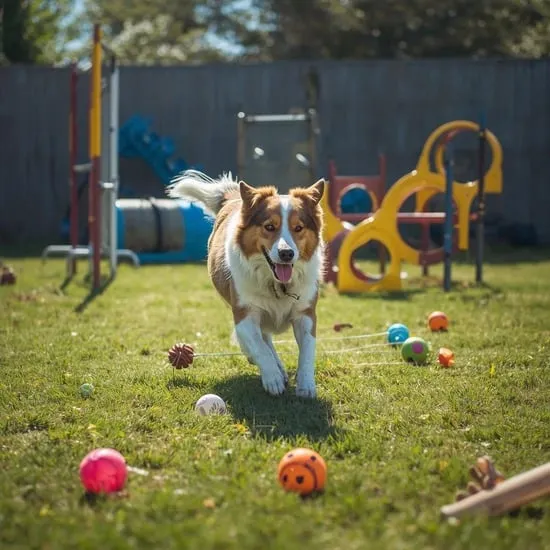
Physical activity keeps your dog fit, reduces stress, and prevents behavior problems. Regular walks, playtime, and safe outdoor activities are essential. I noticed a calmer and happier dog when exercise became part of our daily routine.
Mental stimulation is just as important. Puzzle toys, training sessions, and social interactions keep my dog’s mind sharp. It also strengthens our bond and reduces boredom-related destructive behavior.
4. Dental Care
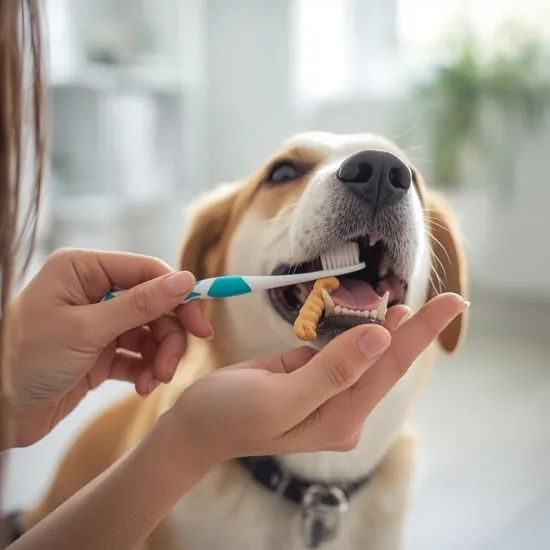
Oral health is often overlooked but is vital for overall well-being. Brushing teeth, dental chews, and periodic vet dental checks prevent pain, infections, and long-term complications. I found early dental care saves my dog from unnecessary suffering later in life.
Inspect your dog’s mouth regularly for signs of redness, swelling, or tartar. Routine attention to dental hygiene helps maintain healthy gums and a strong set of teeth.

5. Parasite Prevention
Fleas, ticks, and worms can affect your dog’s health severely. Using preventative medications, maintaining clean living spaces, and regular vet checkups are crucial. I learned that consistency is key to avoiding infestations.
Monitoring your dog for scratching, biting, or unusual behavior can help detect parasites early. Quick action prevents discomfort and serious illnesses caused by these pests.
6. Grooming and Skin Health
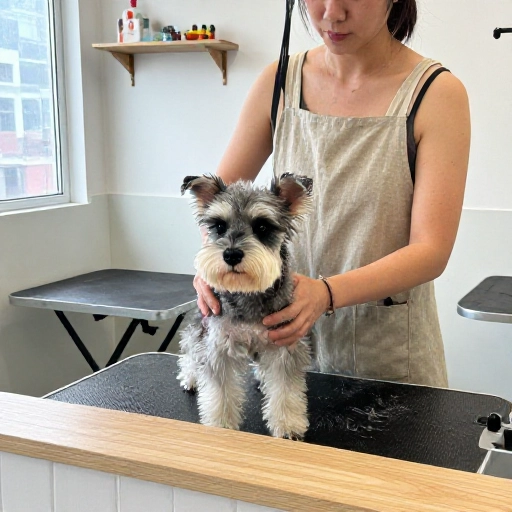
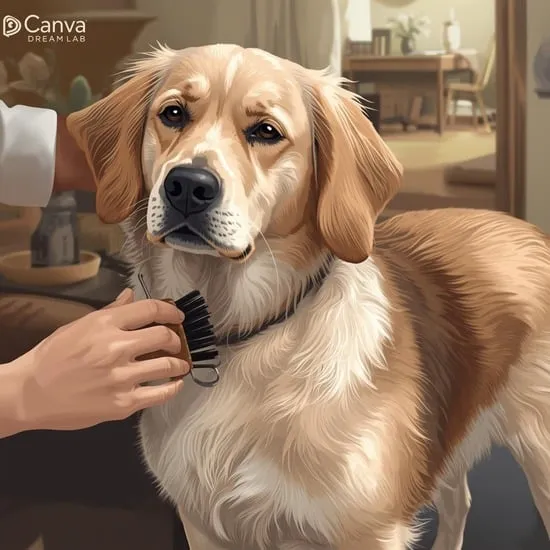
Regular grooming helps keep your dog comfortable and healthy. Bathing, brushing, and checking for skin conditions reduce the risk of infections. I noticed that consistent grooming keeps my dog’s coat shiny and reduces shedding around the house.
Inspect the skin for rashes, lumps, or unusual spots. Prompt attention to any changes ensures issues are addressed before they escalate into serious conditions.

7. Monitoring Behavior and Mood
Behavior changes often indicate underlying health issues. I always observe my dog’s eating habits, energy levels, and social interactions. Early detection of unusual behavior helps prevent complications and ensures my dog feels safe and loved.
Keeping a journal of your dog’s routines and moods can provide valuable insights for both you and your veterinarian. It highlights patterns that may indicate stress, illness, or discomfort.
8. First Aid and Emergency Preparedness
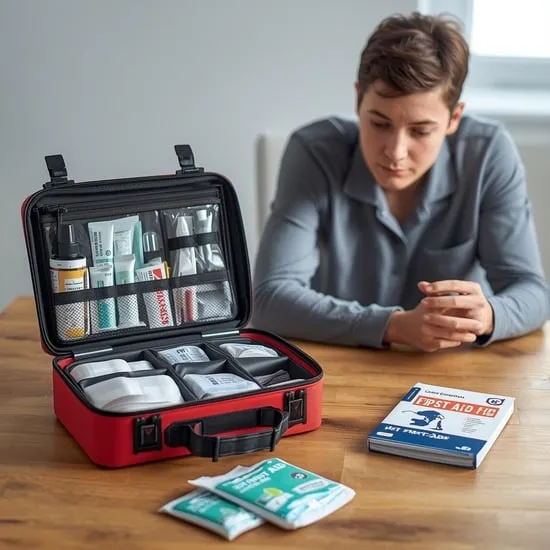
Knowing basic first aid and having emergency supplies is a must. From minor cuts to serious accidents, being prepared saves precious time. I keep a first aid kit handy and know my nearest 24-hour vet clinic for emergencies.
Training yourself to stay calm during emergencies ensures your dog receives immediate care without additional stress. Quick response often makes the difference in recovery and overall health outcomes.
9. Regular Vaccinations and Preventative Care
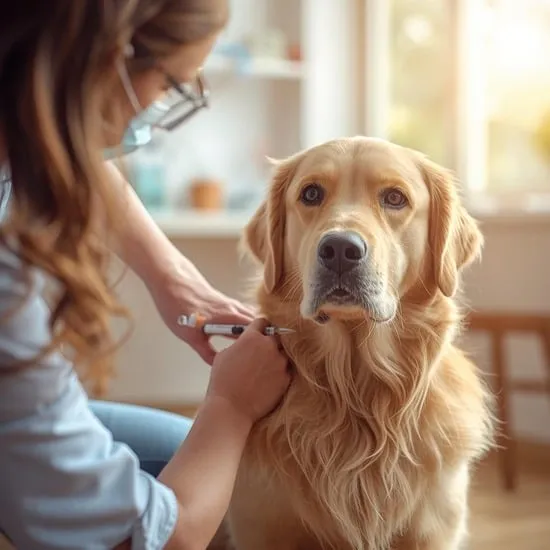
Keeping vaccinations up to date protects your dog from dangerous diseases. Alongside annual checkups, preventive care such as heartworm prevention and flea control creates a safe, healthy environment. I follow a schedule recommended by my vet to ensure nothing is missed.
Record-keeping is essential. It ensures your dog is protected against preventable illnesses and helps provide accurate medical history in case of relocation or boarding.

10. Love, Attention, and Socialization
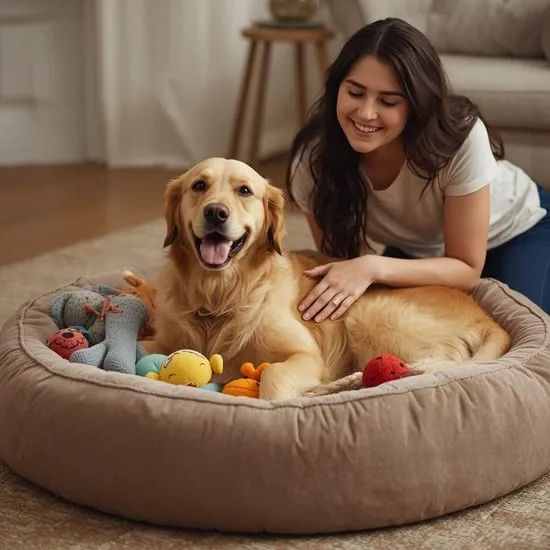
Finally, emotional well-being is just as important as physical health. Regular interaction, positive reinforcement, and socializing with other dogs and humans enhance your dog’s happiness. I noticed that a well-loved dog is healthier and more resilient to stress.
Providing a nurturing environment, mental engagement, and affectionate care strengthens the bond between you and your dog. A happy dog is truly a healthy dog in every sense.