How to Stop Your Dog from Digging Up the Garden
I still remember coming home to find my rose bushes uprooted and my tulip bulbs scattered across the lawn. My sweet lab mix, Daisy, sat there covered in dirt with the happiest look on her face. If you’re reading this, you probably know that feeling all too well. The good news is, you don’t have to choose between a beautiful garden and a happy dog. Let’s talk about real fixes that actually work.
Dogs dig for many reasons—boredom, hunting instincts, seeking cool dirt, or just for fun. The trick is figuring out which reason fits your dog. Once you know the “why,” stopping the digging becomes much easier. Here are ten practical ideas that helped me save my garden and keep Daisy entertained.
Give Your Dog Their Own Digging Zone
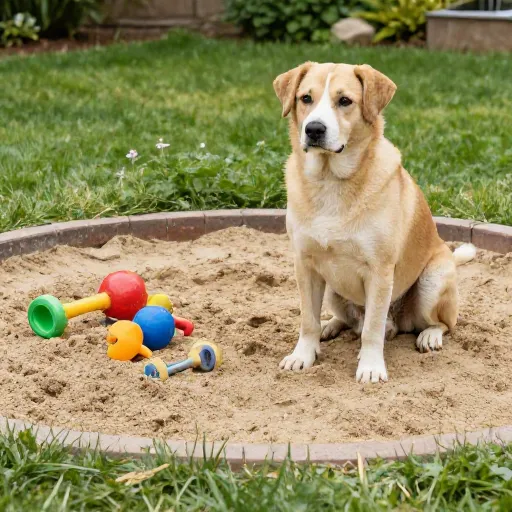
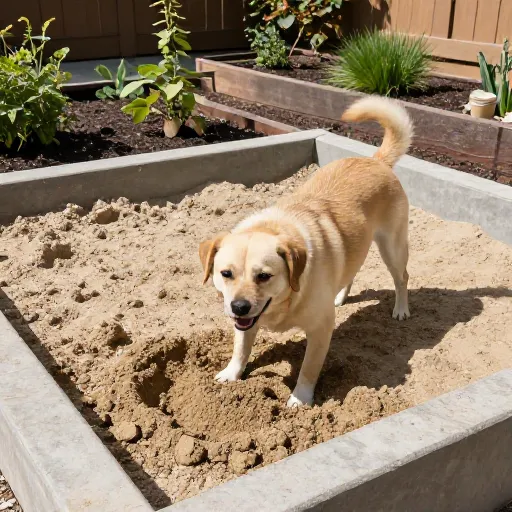
Instead of fighting the instinct, create a spot where digging is encouraged. Pick a small corner of the yard and make it obvious. Loosen the soil and bury a few toys or treats just under the surface. Show your dog this is their special place.
Every time they start digging elsewhere, gently guide them to their zone. Praise them big time when they dig there. After a week or two, most dogs get the hint. Daisy now has her sandbox area, and she checks it before she even thinks about my flower beds.
- Use sand or soft soil so it feels different from the garden
- Bury new toys every few days to keep it interesting
- Make it shady if your dog digs to stay cool
Increase Daily Exercise and Playtime
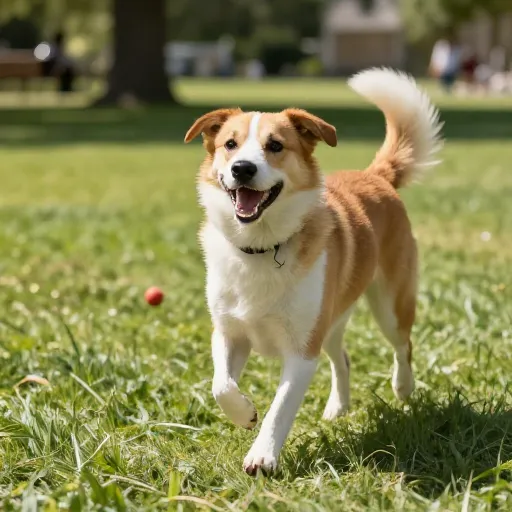
A tired dog is a good dog. Digging often comes from pent-up energy. If your dog has been inside all day while you’re at work, that garden looks like a perfect playground. I started taking Daisy for an extra 20-minute walk in the morning, and it made a huge difference.
Mix up your routine too. Try fetch, tug-of-war, or a short jog. Mental exercise counts just as much. A quick training session before you leave the house can wear them out more than a long walk. When your dog is genuinely tired, digging just doesn’t seem as fun anymore.
Block Access with Simple Barriers
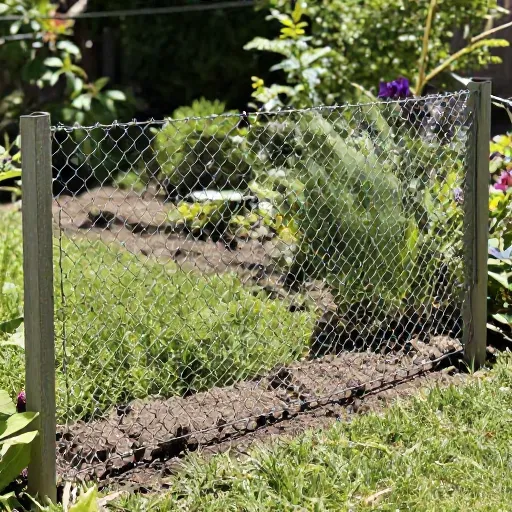
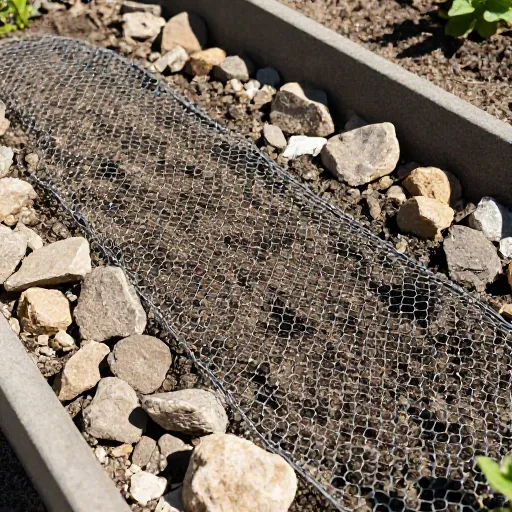
Sometimes the easiest fix is physical. Temporary fencing or garden edging can stop digging before it starts. I used some cheap chicken wire laid flat on the soil around my vegetable beds. Dogs hate walking on it, and it blends in after a few weeks.
For persistent diggers, try burying the bottom edge of a fence a few inches deep. You can also use large rocks or decorative stones along garden borders. Just make sure whatever you use is safe and doesn’t have sharp edges. This method works best while you’re training the new habits.
Make Digging Spots Unappealing
Dogs use their noses first. If a spot smells weird or unpleasant, they’ll avoid it. I mixed a little cayenne pepper with water and sprayed it around my tulip beds. Daisy took one sniff and walked away. Just reapply after rain.
You can also try citrus peels, vinegar solutions, or commercial pet repellents. Another trick is to place your dog’s own poop in the holes they’ve already dug. They usually don’t want to go back to that spot. Just be consistent and reapply until the habit breaks.
Address Boredom with Interactive Toys
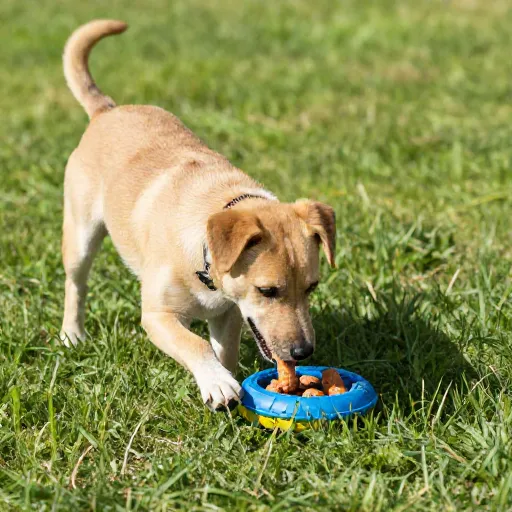
Destructive digging often means your dog needs more mental stimulation. Puzzle toys, treat-dispensing balls, and frozen Kongs can keep them busy for hours. I fill a few Kongs with peanut butter and kibble, freeze them, and give one to Daisy before I leave for work.
Rotate toys so they don’t get bored. A bored dog will find ways to entertain themselves, and your garden is the easiest target. Even simple things like hiding treats around the house for them to find can redirect that digging energy into a game.
Provide Shade and Cool Spots
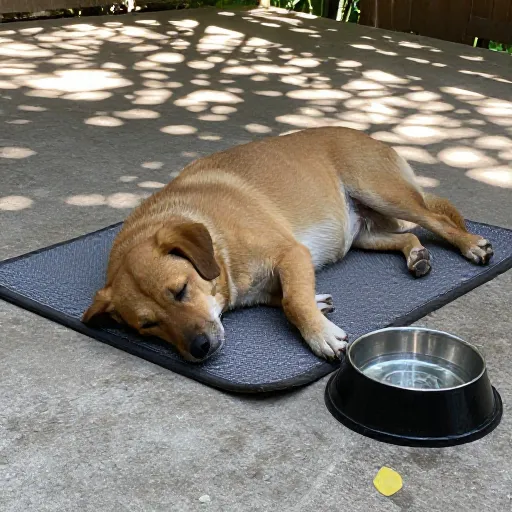
Dogs dig holes to lie in cool dirt when they’re hot. If your garden gets full sun, your dog might be digging for comfort. Create a shaded area with a canopy, umbrella, or even a simple tarp. A kiddie pool with a few inches of water works wonders too.
I set up a small shaded corner with a cooling mat and a water bowl. Daisy stopped digging under the porch almost immediately. Sometimes the fix is simpler than you think. Watch where your dog digs most—if it’s in the shade or near water sources, temperature might be the issue.
Train the “Leave It” Command
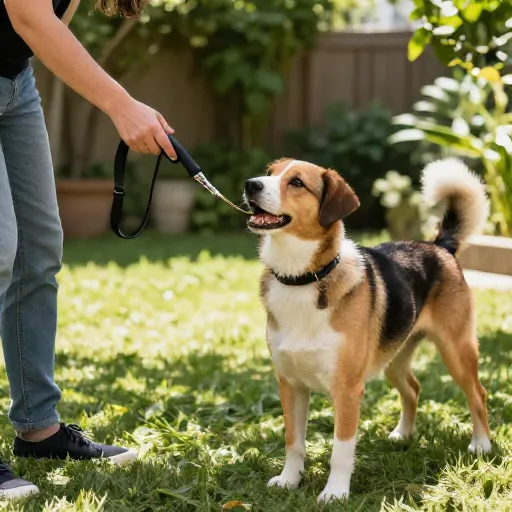
Teaching your dog to stop on command is a game changer. Start with treats in your hand. Say “leave it” and wait until they look away from the treat. Reward them. Gradually move to outdoor practice near the garden. It takes patience, but it works.
Once your dog understands “leave it,” use it when they approach a digging spot. Pair it with a redirect to their digging zone or a toy. Daisy learned this in about two weeks, and now I can stop her before she even starts scratching at the soil.
Check for Burrowing Pests
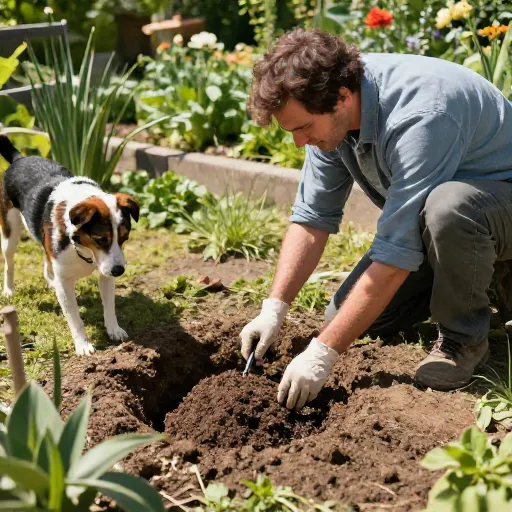
Sometimes your dog is just trying to catch something underground. Moles, voles, gophers, or even grubs can trigger intense digging. If your dog focuses on one spot repeatedly, there might be a pest problem. I once had a whole family of voles living under my hostas.
Humane pest control or natural repellents can solve both problems at once. Talk to a local garden center about safe options. Once the pests are gone, the digging usually stops. Just make sure you don’t use poison that could hurt your dog if they dig up the remains.
Use Positive Reinforcement, Not Punishment
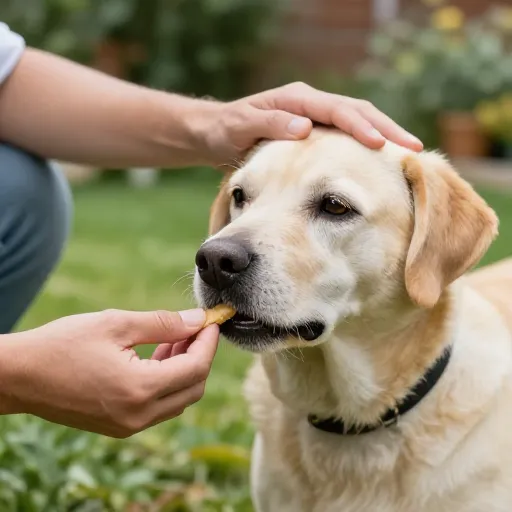
Yelling or punishing your dog after they dig usually backfires. They don’t connect the punishment to the digging—they just learn to be afraid of you. Instead, catch them in the act and redirect calmly. Then reward them when they stop or move to their digging zone.
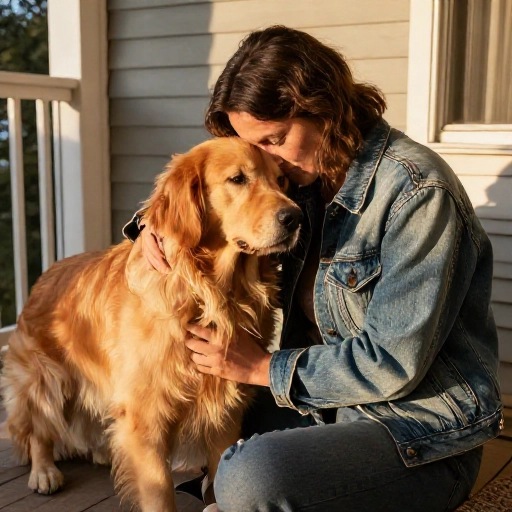
I used to get so frustrated with Daisy, but once I switched to positive training, everything changed. She wanted to please me. Treats, praise, and play are way more powerful than scolding. Your dog isn’t digging to upset you. They’re just being a dog. Meet them where they are, and guide them gently.
Try Digging Deterrents Like Citrus or Vinegar
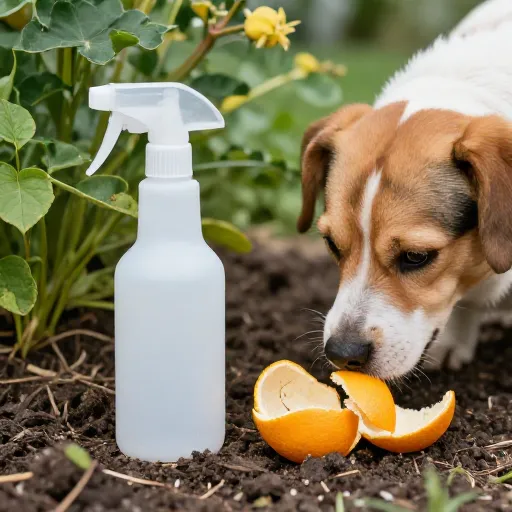
Dogs have strong opinions about smells. Many hate citrus, vinegar, or even certain essential oils. I mix equal parts white vinegar and water in a spray bottle and mist the edges of my garden beds. It smells strong to humans too, but it fades quickly. Your dog will remember it for longer.
You can also scatter orange or lemon peels around plants. Just replace them every few days. Some people swear by coffee grounds or crushed garlic. Test a small area first to make sure it doesn’t harm your plants. The goal is to make digging unpleasant, not painful.
Conclusion
Stopping your dog from digging takes patience and a little detective work. But once you figure out why they’re digging, you can fix it without losing your mind or your garden. Start with one or two ideas from this list and see what sticks. Every dog is different, and what works for Daisy might need a tweak for your pup.
Remember, your dog loves you and your garden is just dirt and plants. A little understanding goes a long way. With time, you can have both a happy dog and a beautiful yard. And honestly, a few muddy paw prints are worth it for all that tail wagging.
Frequently Asked Questions
Why does my dog dig holes in the garden?
Dogs dig for many reasons: boredom, heat, hunting instincts, anxiety, or just because it’s fun. Watch when and where they dig to figure out the cause.
Will punishment stop my dog from digging?
Usually not. Punishment can make your dog anxious or sneaky. Positive redirection and training work much better in the long run.
How long does it take to break the digging habit?
It varies. Some dogs stop in a week with consistent training. Others need a month or more. Be patient and stick with one method at a time.
Can I use cayenne pepper to stop digging?
Yes, but use it carefully. Mix with water and spray on soil, not directly on plants. Reapply after rain. Test a small area first to be safe.
Should I let my dog have a digging area?
Absolutely. Giving them a designated spot to dig satisfies their natural instinct without destroying your garden. It’s the easiest long-term solution.