Cat Loaf Secrets Explained
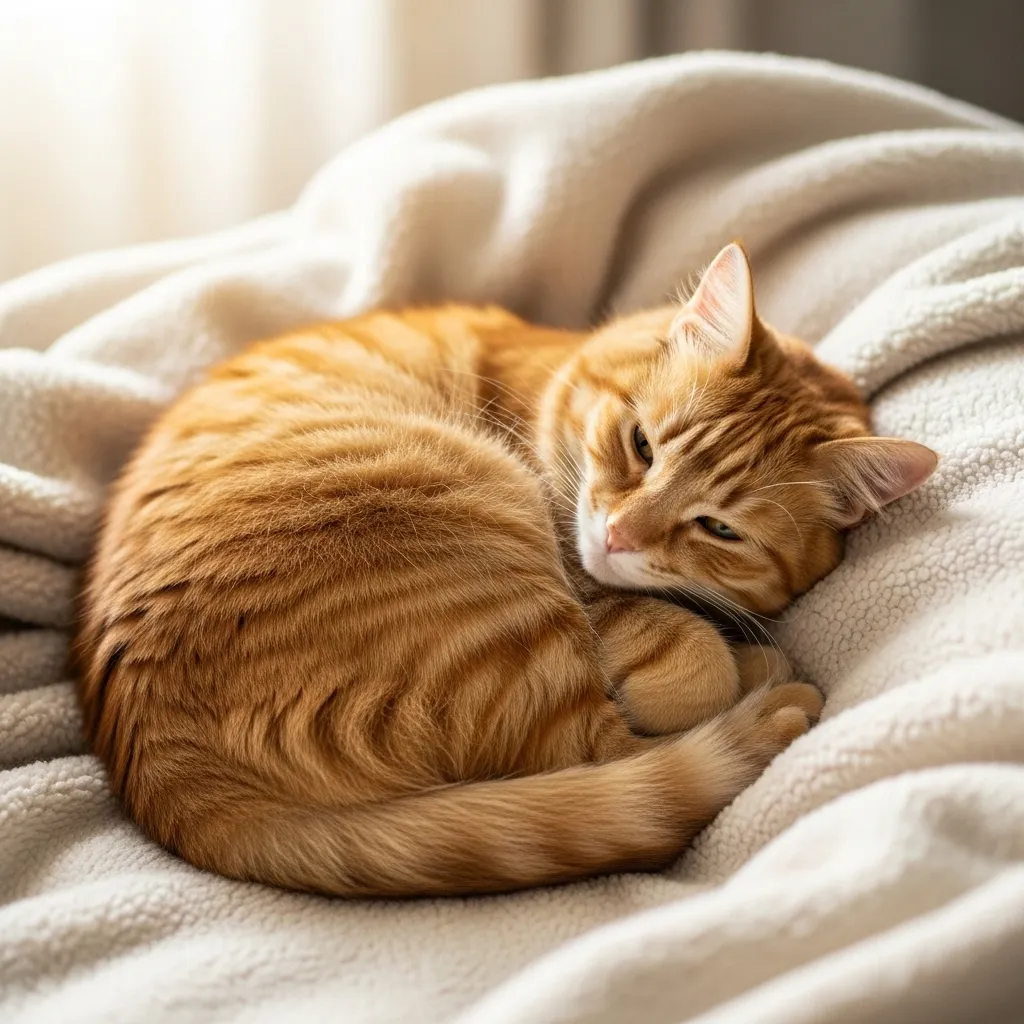
You know the pose. Paws tucked, tail wrapped, body a perfect little bread loaf. It’s one of the cutest things our cats do, and if you’re anything like me, you’ve probably wondered what’s going on inside that furry head.
I’ve spent more time than I’d like to admit watching my cat turn into a loaf. At first, I thought she was just cozy. But over time, I noticed it happens at specific times — after meals, when it’s chilly, or when she’s watching me from across the room. There’s actually a lot more to this cute pose than meets the eye.
In this article, I’ll walk you through ten secrets behind the cat loaf. You’ll learn why cats do it, what it means, and how to tell if your cat is happy, nervous, or just conserving heat. Let’s get into the loaf life.
1. It’s All About Staying Warm
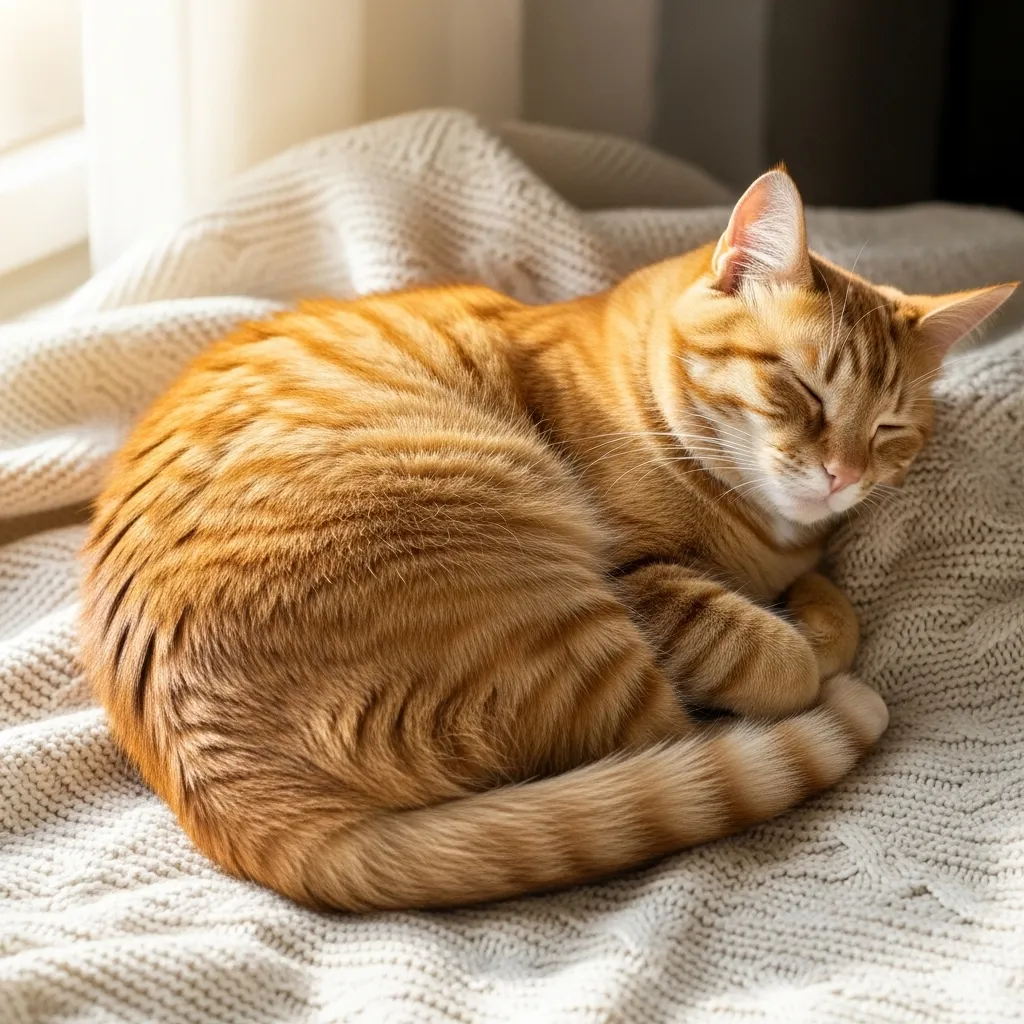
Cats are experts at thermoregulation. When they tuck their paws and tail close to their body, they reduce surface area and trap body heat. The loaf position is basically a cat’s version of wrapping yourself in a blanket.
If you notice your cat loafs more in winter or near a sunny spot, that’s no coincidence. She’s using her own body as a little heater. It’s efficient, cozy, and absolutely adorable.
2. Loafing Means Your Cat Feels Safe
Think about it — when a cat is in loaf mode, she can’t run or pounce quickly. Her paws are hidden, so she’s not ready to bolt. That’s a huge sign of trust.
If your cat loafs near you, she’s telling you she feels completely safe. It’s like a little furry compliment. Enjoy it — not every cat gives that kind of trust easily.
3. The “Meatloaf” vs. The “Perfect Loaf”
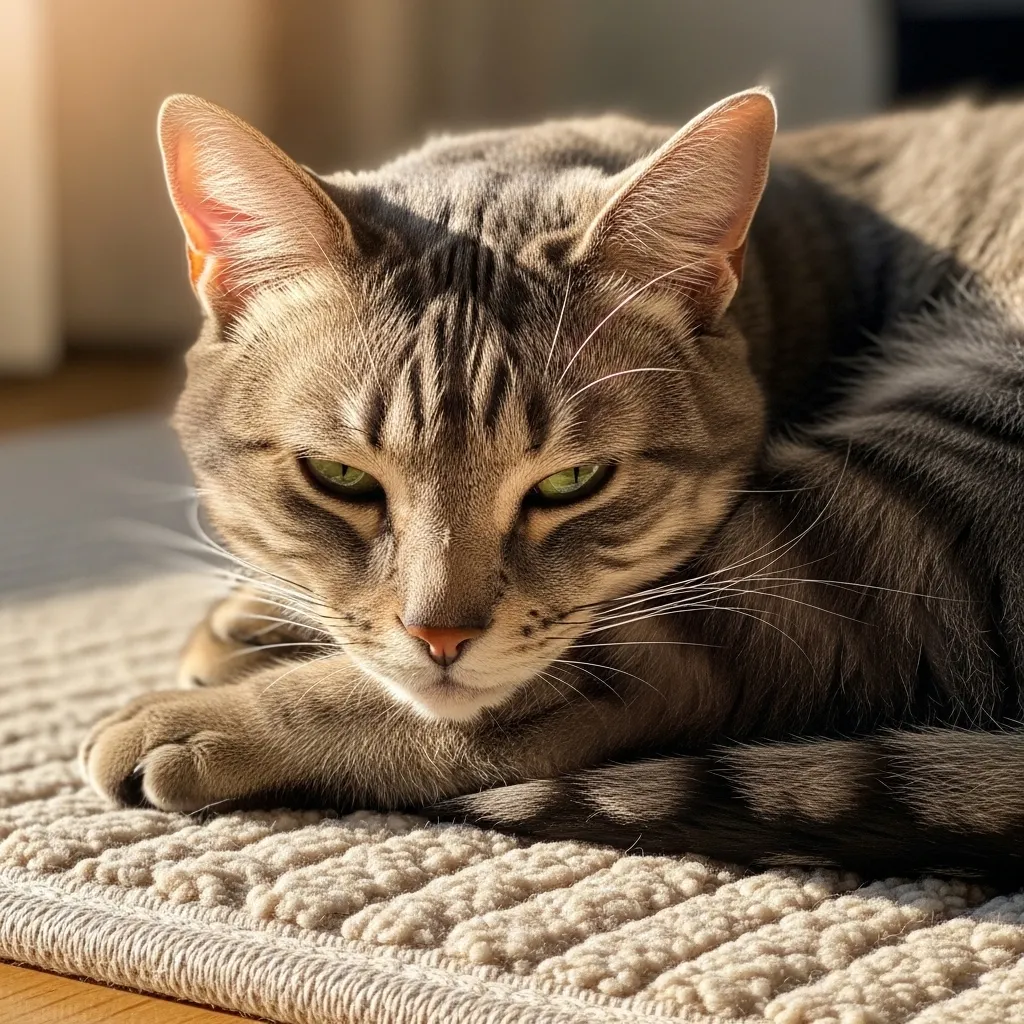
Not all loaves are the same. A “meatloaf” is when the cat’s head is slightly down and the body looks more rounded, almost like a blob. A “perfect loaf” has the head up, paws neatly tucked, and a tidy shape.
Each version can mean something slightly different. A meatloaf often means deep relaxation, while a perfect loaf might mean your cat is alert but chill. Watch the eyes — sleepy eyes mean deep loaf mode.
4. It’s a Sign of Contentment
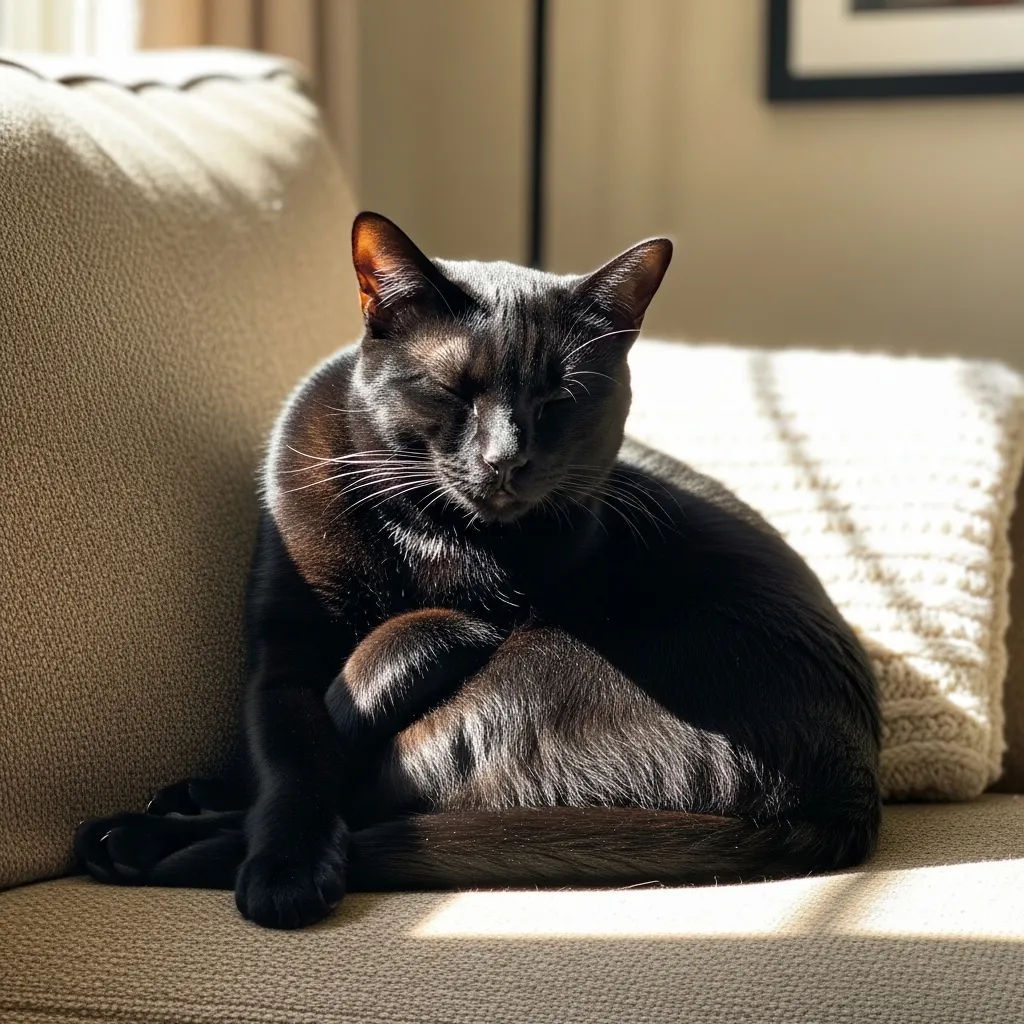
When your cat chooses to loaf, she’s usually in a good mood. It’s not a defensive or anxious pose. You’ll often see it after a good meal, a play session, or a nice petting.
I’ve noticed my cat loafs right after she eats her favorite wet food. It’s like her little post-dinner happy place. If your cat loafs after you give her attention, take it as a win.
5. Loafing Can Protect Sensitive Paws
Some cats loaf because they don’t want their paws touched. If your cat is sensitive about her paws, tucking them away is a natural way to protect them. It’s also a way to keep paw pads warm on cold floors.
If you have tile or hardwood floors, you might see more loafing in winter. Your cat is just being smart about comfort. No drama, just practical cat logic.
6. It’s a Power Nap Position
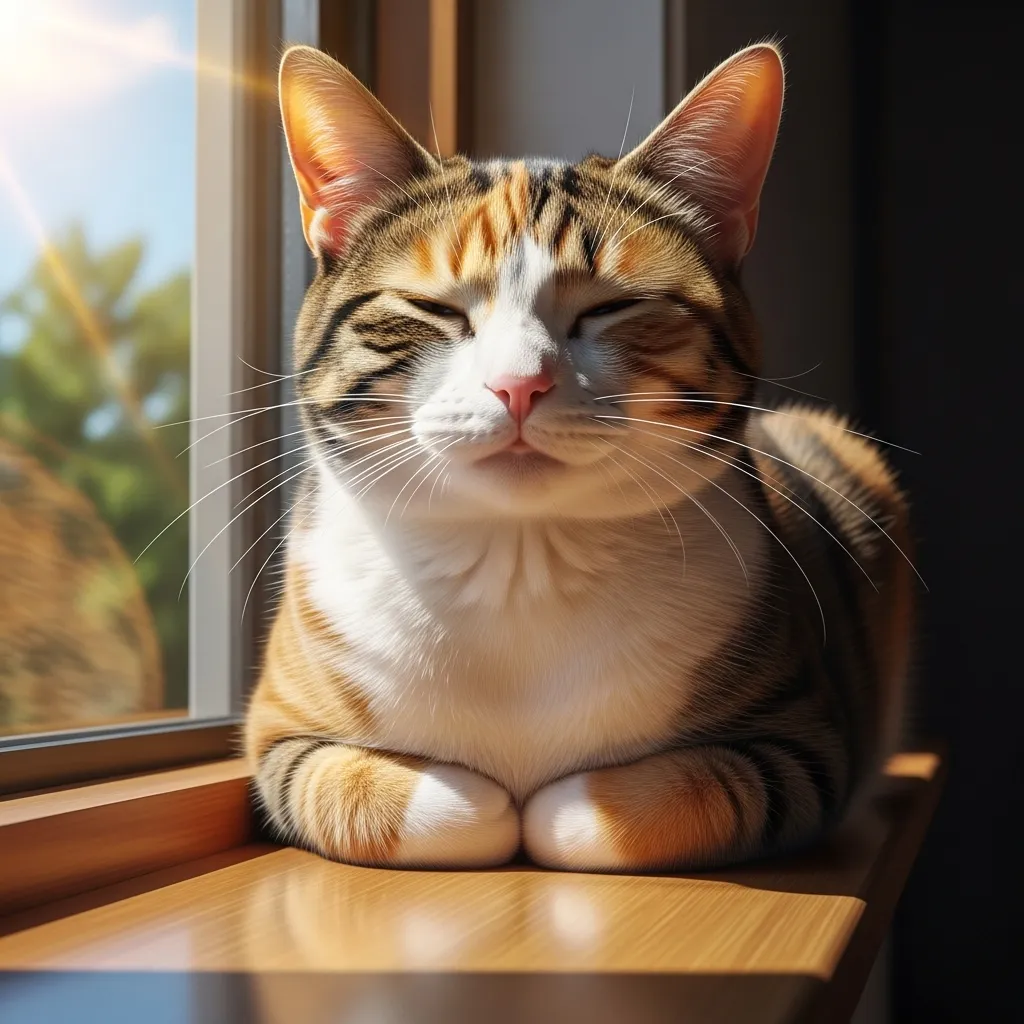
Cats sleep a lot, but not all sleep is deep. The loaf is perfect for light napping. Your cat can rest her muscles while staying alert enough to hear a can opener from three rooms away.
You’ll often see a cat loaf with eyes half-closed. That’s the “loaf nap” — not fully asleep, but not fully awake either. It’s the ultimate multitasking rest.
7. Some Cats Loaf to Hide Illness
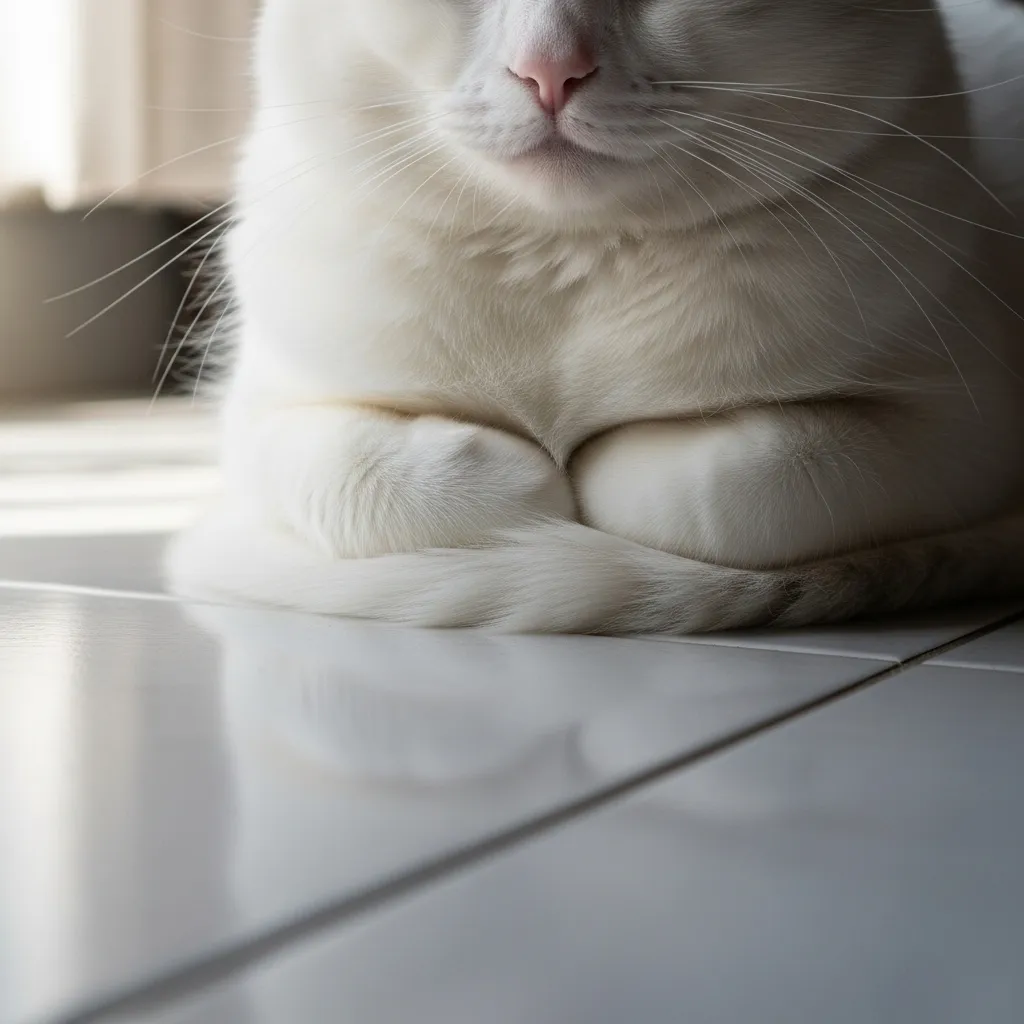
Here’s a serious one. Cats are masters at hiding pain. Sometimes a cat will loaf more than usual if she’s not feeling well. The tucked position can be a way to protect a sore belly or joints.
If your cat suddenly starts loafing all day and seems less interested in play or food, pay attention. It might be nothing, but it’s worth a vet check. Trust your gut.
8. The Loaf Can Signal Overstimulation
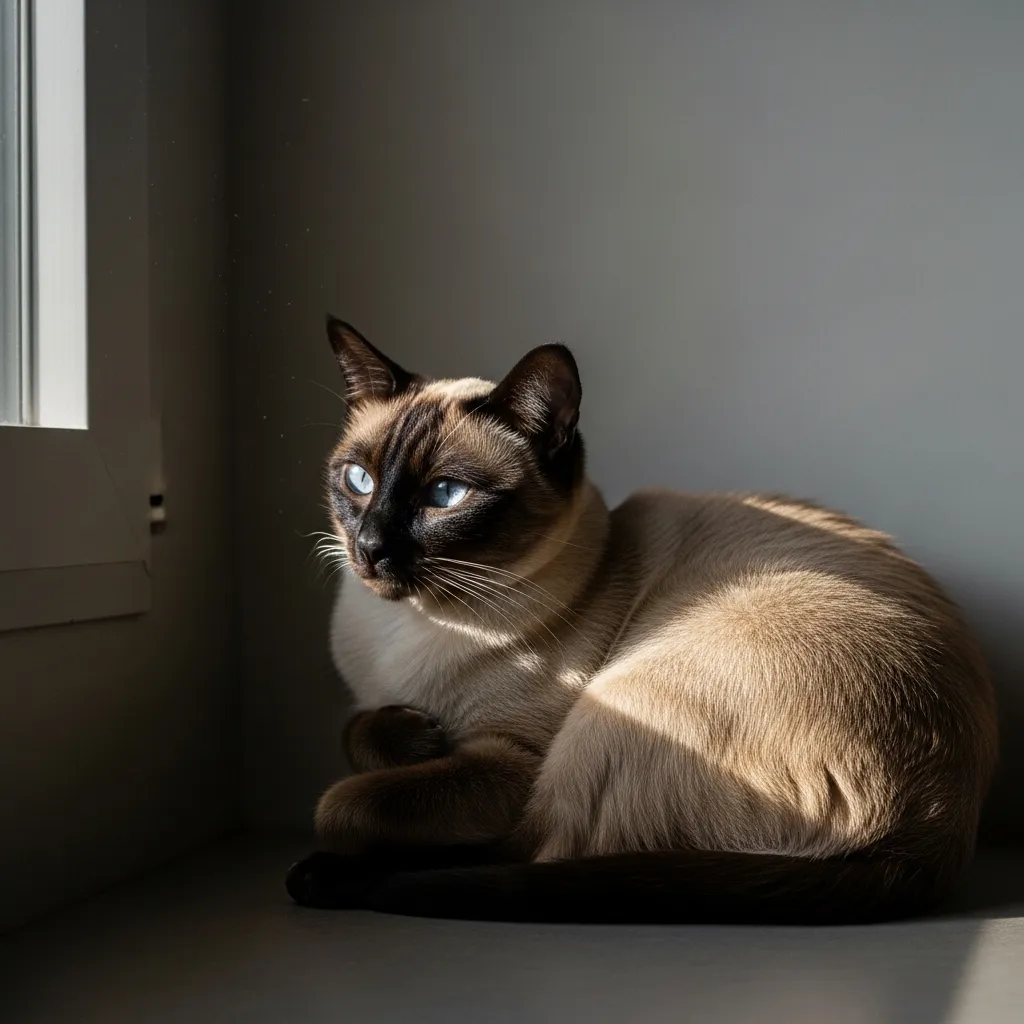
Sometimes after a lot of petting, your cat might suddenly loaf and stop moving. That can be her way of saying “I’ve had enough.” It’s a gentle boundary.
If you see this, give her space. Don’t keep petting. She’s not being rude — she’s just regulating her own energy. Respect the loaf.
9. Loafing Helps Cats Digest
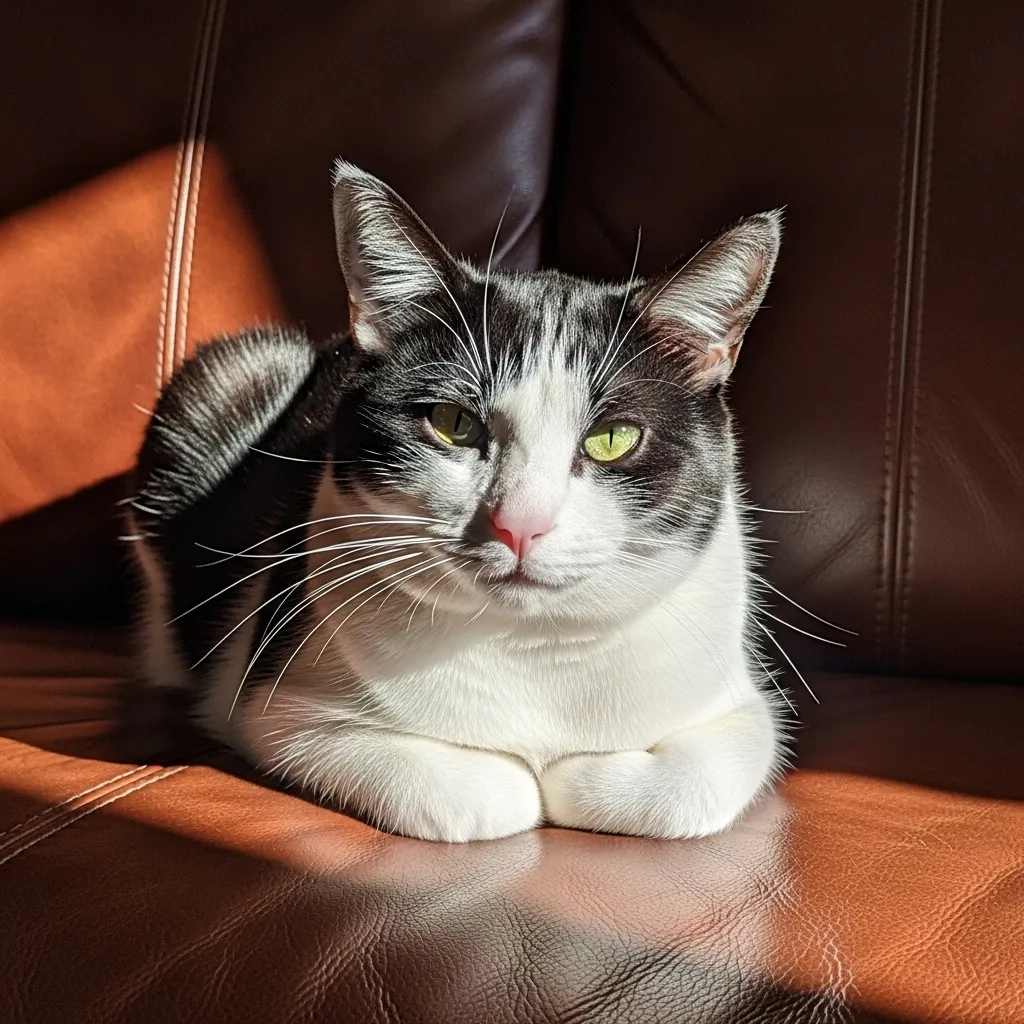
After a big meal, some cats loaf to aid digestion. The position puts gentle pressure on the belly, which can help things settle. It’s like a little cat yoga pose.
I’ve noticed my cat always loafs for about 10 minutes after eating. It’s become part of her routine. If your cat does the same, don’t disturb her — let her digest in peace.
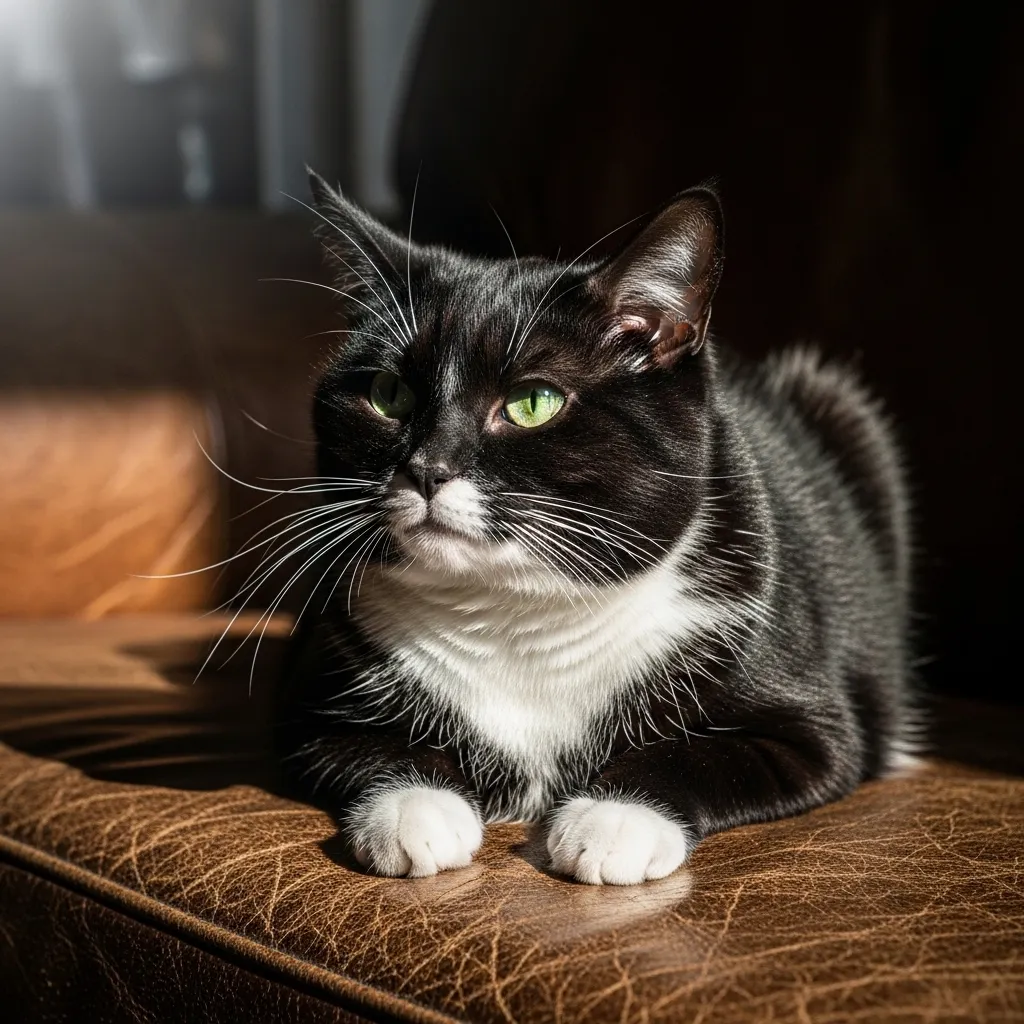
10. Every Cat Has a Unique Loaf Style
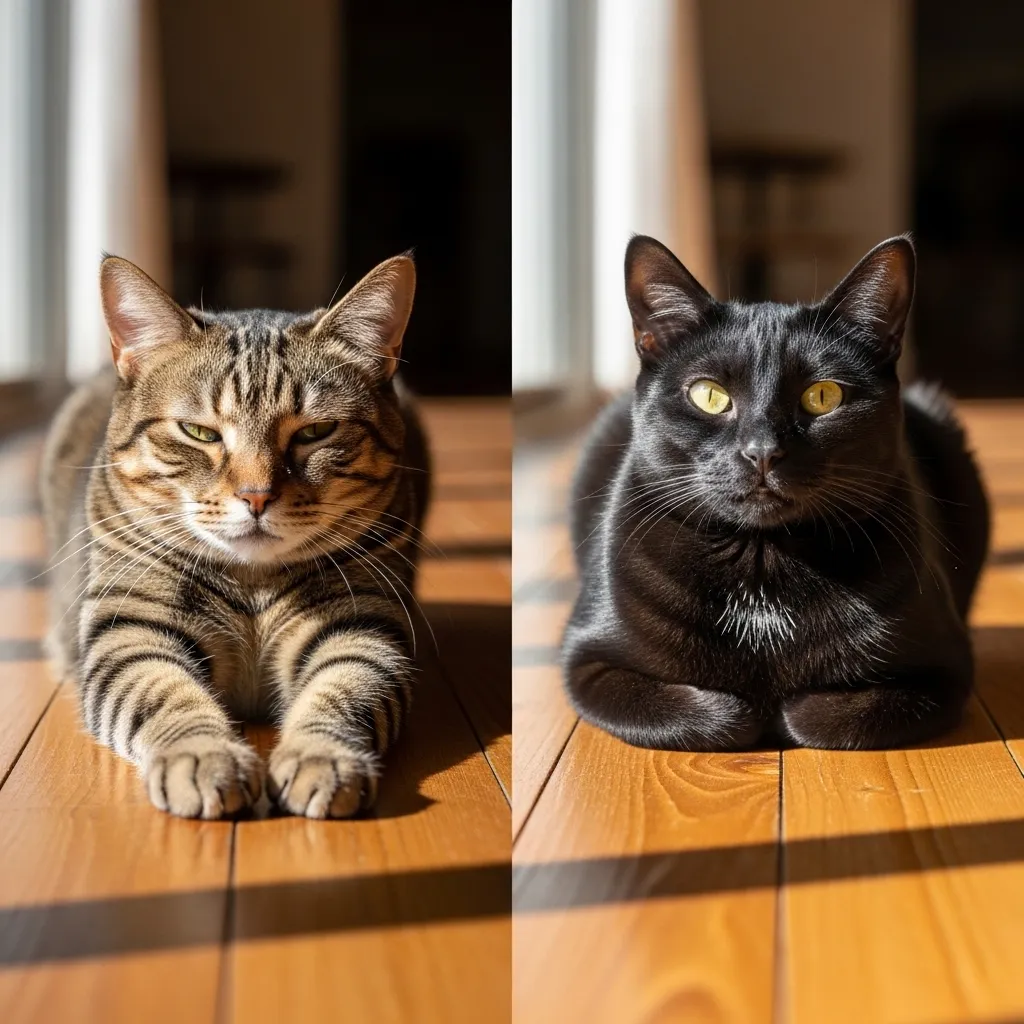
Just like people have different sitting positions, cats have unique loaf styles. Some tuck both front paws. Some leave one paw out. Some have their tail sticking out the side. It’s all part of their personality.
Pay attention to your cat’s loaf variations. You might notice she loafs differently on the couch vs. the bed vs. your lap. Each spot brings out a different version of her loaf. It’s one of those little things that makes cat life so fun.
Conclusion
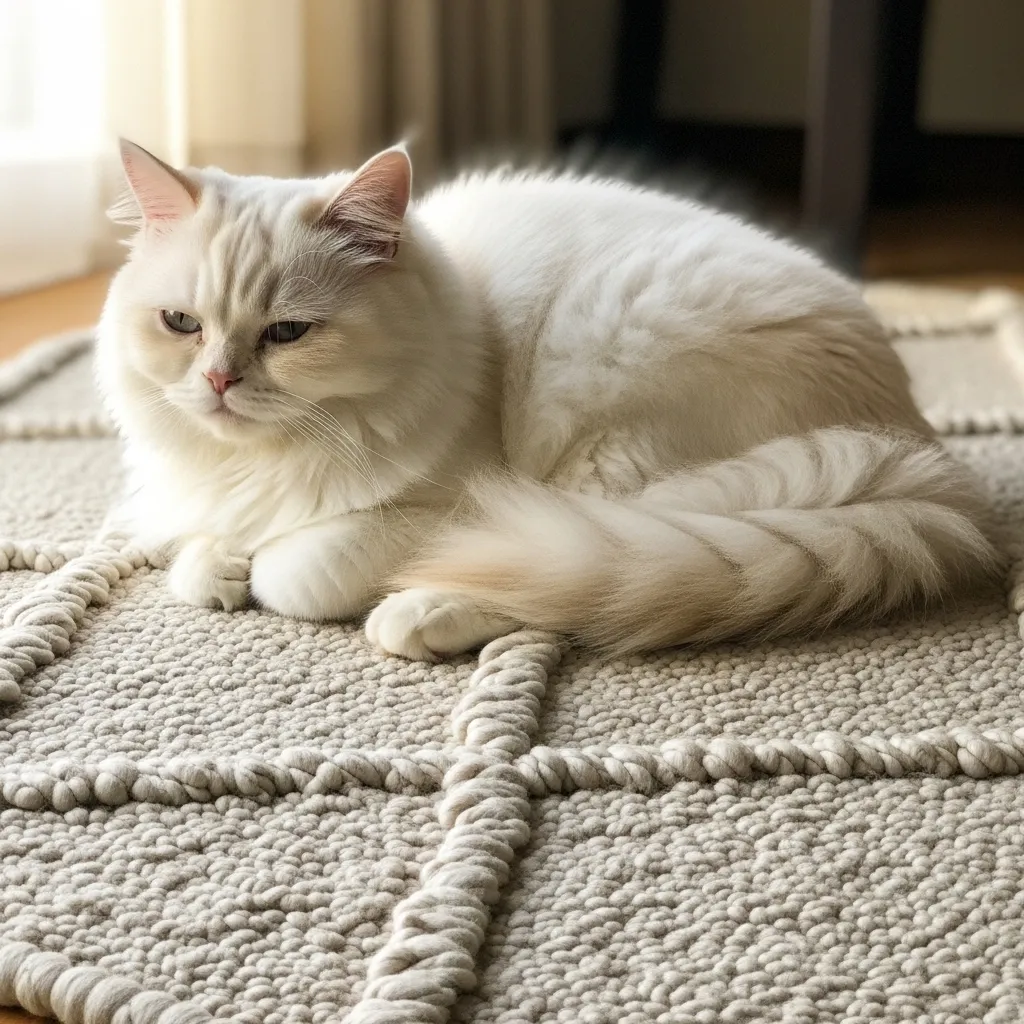
The cat loaf is more than just a cute photo op. It’s a window into your cat’s comfort, mood, and even health. Next time you see your cat loafing, take a moment to notice the details. Is she relaxed? Warm? Full? Happy? You might start to understand her better.
I hope this article helps you appreciate your cat’s loafing habits even more. Share a picture of your cat’s loaf with a friend — it’s a universal language of cozy vibes.
FAQ
1. Why does my cat loaf only on my lap?
That’s a huge sign of trust. Your lap is warm and safe, so she chooses to loaf there. It’s basically a cat compliment.
2. Is loafing bad for cats?
No, it’s a normal and healthy position. But if your cat loafs all day and seems lethargic, it’s worth checking with a vet.
3. Do all cats loaf?
Most cats do, but some prefer other positions. It can depend on personality, breed, and comfort level.
4. What does it mean if my cat loafs with eyes open?
She’s relaxed but alert. It’s like a resting but ready state. Nothing to worry about.
5. Should I pet my cat when she’s loafing?
It depends. If she looks sleepy or just settled, let her be. If she’s looking at you with soft eyes, a gentle head scratch might be welcome.
[[IMG:IMG12]]