Big Dog House Ideas for Your Backyard: 10 Cozy & Cool Designs for Large Breeds
If you share your life with a gentle giant, you know the struggle: most store-bought dog houses are made for tiny pups. My 120-pound Labrador, Max, looked ridiculous squeezed into a standard-size house. So I went on a mission to find big dog house ideas that actually fit his frame—and my backyard.
Whether you want a DIY weekend project or a ready-to-buy insulated palace, there are plenty of options for large breeds. The key is thinking about size, comfort, weather, and how your dog likes to relax.
Below are my 10 favorite big dog house ideas for your backyard. I’ve included practical tips, materials, and what worked for me. Let’s find the perfect fit for your furry giant.
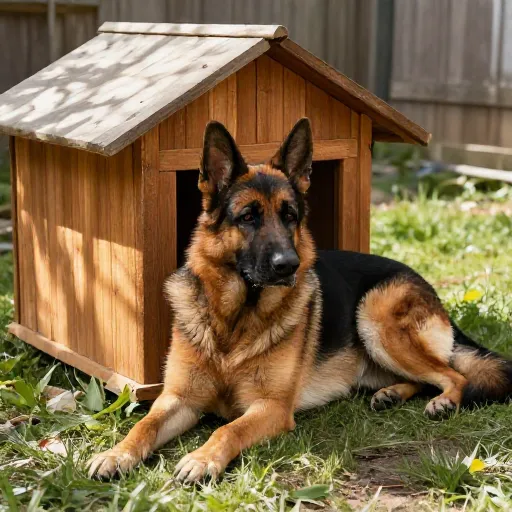
1. Elevated Wooden Dog House with Insulation
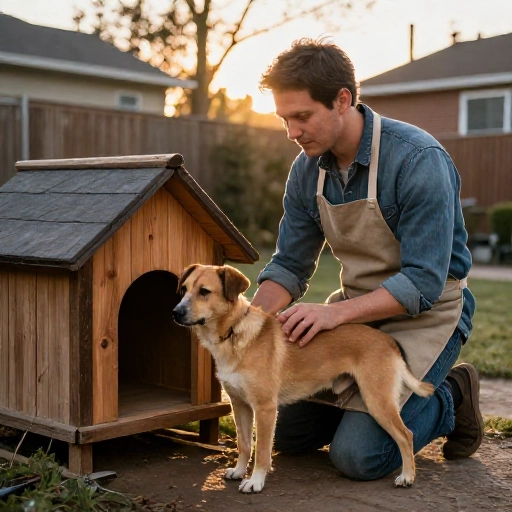
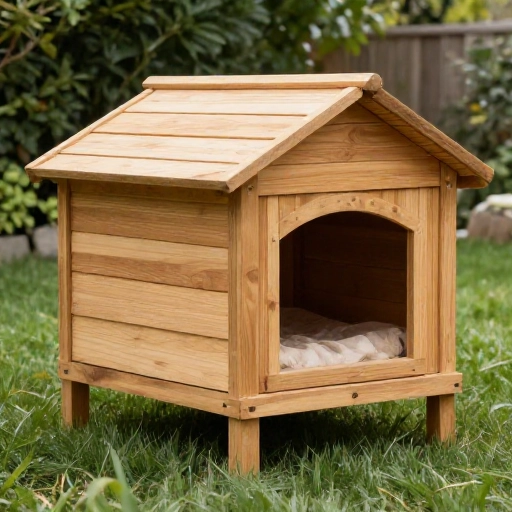
Elevating a dog house keeps it off cold, damp ground and helps with airflow. I built mine on a simple pressure-treated frame about 6 inches off the ground. It made a huge difference in winter.
For big dogs, insulation is non-negotiable. I used foam board between the plywood walls and added a removable insulated floor panel. In summer, I swap the panel for a cool mat.
Make sure the door is wide enough—at least 12 inches wide and 18 inches tall for most large breeds. Add a flap or a small windbreak to keep drafts out.
2. DIY Dog House from an Old Cabinet or Dresser
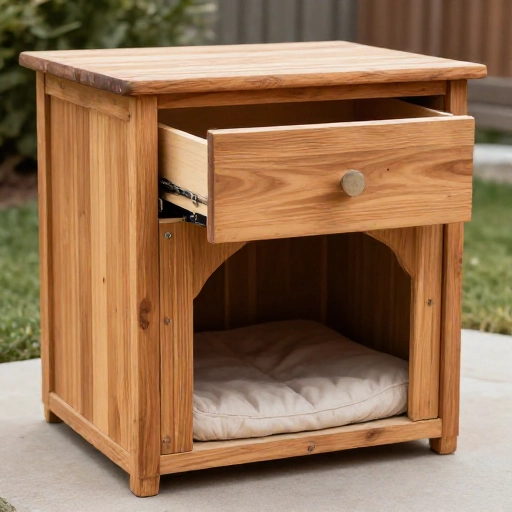
I love upcycling, and this idea saved me money. I found a solid wood dresser at a thrift store for $30. After removing the drawers, I reinforced the frame and cut a door opening on one side.
Big dogs need sturdy materials. Particle board won’t cut it. Look for solid wood or heavy-duty MDF. I painted mine with pet-safe exterior paint and added a waterproof roof.
This works best for a covered porch or garage since cabinets aren’t naturally weatherproof. But with a little sealing, it can last for years.
3. A-Frame Dog House for Big Dogs
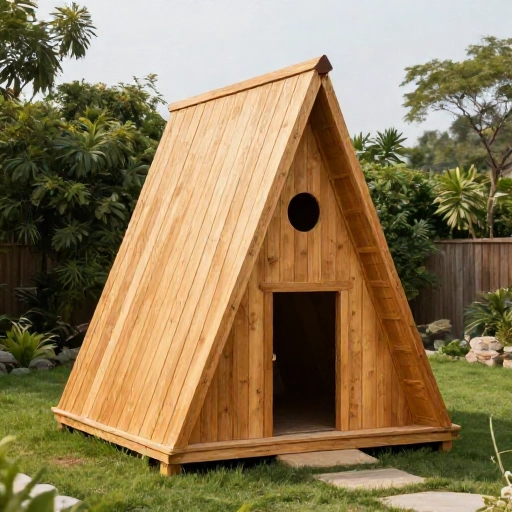
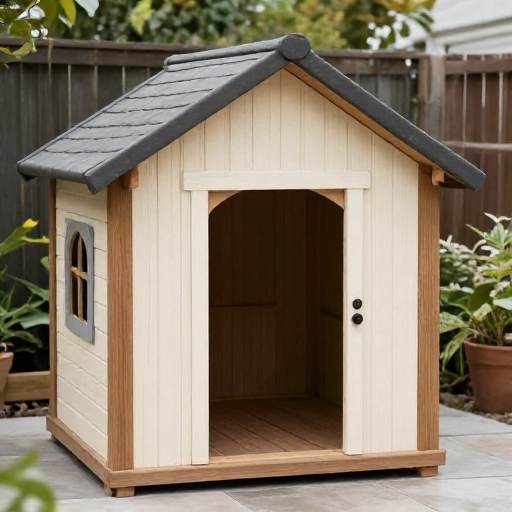
An A-frame design is classic and surprisingly spacious inside. The slanted roof sheds rain and snow easily. I built mine with a 4-foot by 4-foot base and a peak height of 4 feet.
For large breeds, you’ll need to scale up. A 5×5 or even 6×6 base gives them room to turn around and stretch out. Add a raised floor and insulation between the studs.
I lined the inside with cedar chips for natural pest control and a nice smell. Just make sure your dog isn’t allergic to cedar before using it.
4. Insulated Dog House with a Heated Floor
If you live in a cold climate, a heated floor is a game-changer. I installed a low-wattage radiant heat mat under a removable floor panel. It only warms up when my dog lies down.
You can also use a heated bed designed for outdoor use. Just check that the cord is chew-proof and the house has proper ventilation so it doesn’t get too stuffy.
Insulate the walls and ceiling with rigid foam or recycled denim insulation. For big dogs, the house should be just large enough for them to stand, turn, and lie down—too big and it won’t retain heat.
5. Covered Porch Dog House with Shade
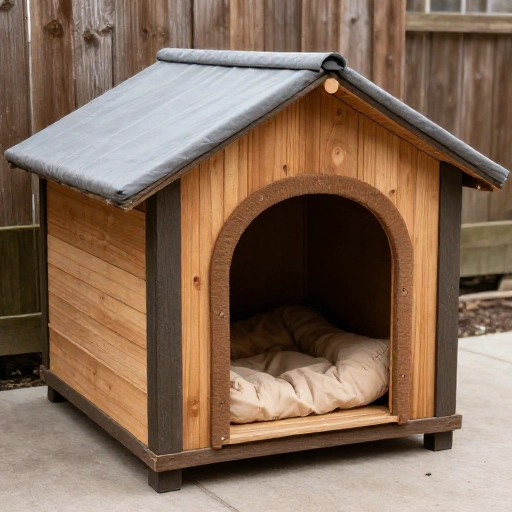
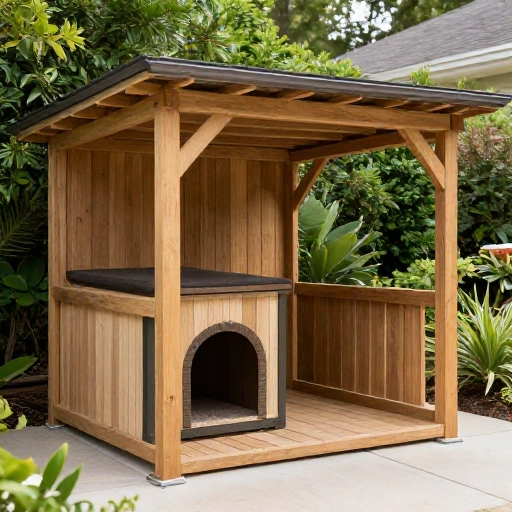
My dog loves to people-watch, so I built a dog house with a covered porch. It gives him shade in summer and a dry spot in light rain. The porch is just an extension of the roof supported by posts.
For large breeds, make the porch deep enough—at least 3 feet. I added a raised wooden platform so he can lounge without lying on the ground. In winter, I put a weatherproof cushion there.
This design works great if you have a fenced yard and want your dog to have a sense of territory. Just make sure the house itself is still insulated and cozy.
6. Dog House with a Built-in Deck or Ramp
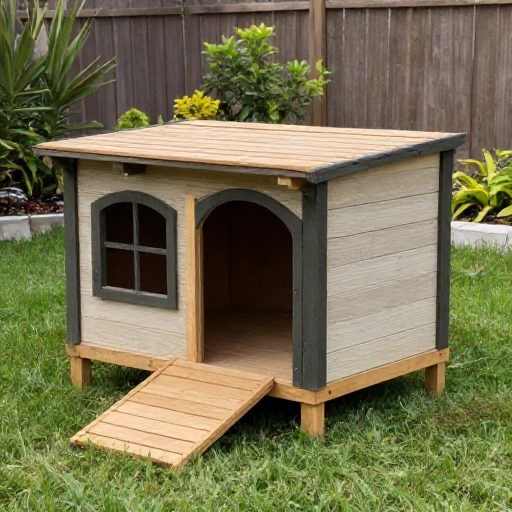
Senior big dogs or those with hip issues may struggle with steps. I built a gentle ramp up to the dog house entrance instead of a step. It’s covered with outdoor carpet for traction.
I also added a small deck in front of the house. It gives my dog a place to dry off before going inside. The deck is made from composite boards that don’t splinter.
Make sure the ramp isn’t too steep—no more than a 20-degree angle. And add side rails so your dog feels secure. This is one of those big dog house ideas that really improves quality of life.
7. Converted Kids’ Playhouse into a Big Dog House
When my kids outgrew their plastic playhouse, I turned it into a dog house. I removed the door, added insulation to the walls, and put a proper roof over it. My dog loves the extra headroom.
Plastic playhouses can get hot in summer, so I painted the roof white and added a shade sail. For winter, I sealed gaps with foam insulation and put a thick bed inside.
This is a budget-friendly option if you already have a playhouse. Just check for sharp edges and make sure it’s sturdy enough for a large dog leaning against the walls.
8. Rustic Log Cabin Dog House
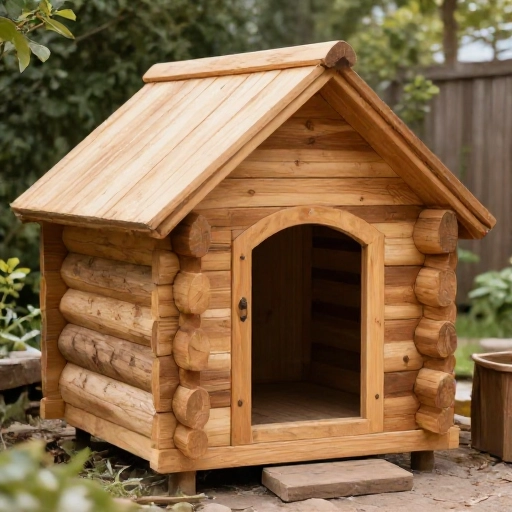
If you want a dog house that looks like part of your landscape, go rustic. I built a log cabin style using cedar logs and a simple gable roof. It’s heavy, but it’s incredibly durable.
For big dogs, use logs at least 4 inches in diameter. Chink the gaps with natural rope or foam backer rod. The cabin stays cool in summer and warm in winter because of the thick wood.
I added a small window with a removable screen for ventilation. The inside is lined with a washable canvas bed. It took a weekend to build, but it’s a showpiece.
9. Modern Flat-Roof Dog House
Flat-roof dog houses look sleek and fit well in contemporary backyards. I built mine with marine-grade plywood and a waterproof membrane on top. The flat roof also doubles as a place for my dog to sit and survey the yard.
For large breeds, make the interior at least 30 inches tall and 36 inches wide. I added a clear acrylic door flap that lets light in but keeps wind out. It’s easy to clean and replace.
Insulation goes between the studs, and I used a raised floor with a drain hole in case water gets in. It’s minimal, practical, and my dog loves the view from the top.
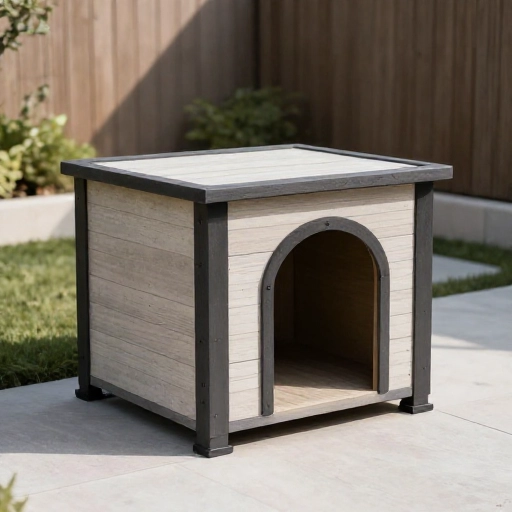
10. Portable Dog House for Travel or Backyard Moves
Sometimes you need a dog house that can move with you. I built a collapsible wooden frame with canvas walls and a waterproof tarp roof. It folds flat for transport and sets up in minutes.
For big dogs, use heavy-duty canvas and reinforced corners. I added mesh windows for airflow and a roll-up door. It’s not as insulated as a permanent house, so I use it for mild weather or as a shade structure.
This is perfect for camping trips or if you rearrange your yard often. Just secure it with stakes or weights so it doesn’t blow over.
Conclusion
Finding the right big dog house for your backyard comes down to your dog’s size, your climate, and your budget. I’ve tried several of these ideas, and each one taught me something new about what large breeds truly need.
Start with a solid base, add insulation, and don’t forget ventilation. A happy big dog is one who has a space that feels safe, cozy, and just for them. I hope these ideas inspire your next backyard project.
Frequently Asked Questions
1. How big should a dog house be for a large breed?
Measure your dog from nose to tail and add 6–12 inches. The house should be tall enough for them to stand without hitting their head, and wide enough to turn around comfortably. For most large breeds, a 36×48-inch interior works well.
2. What is the best material for a big dog house?
Cedar, pressure-treated pine, or marine-grade plywood are excellent. They resist rot and insects. Avoid particle board, which swells with moisture. Insulation like foam board or recycled denim helps in extreme temperatures.
3. Do big dogs need insulation in their dog house?
Yes, especially if you live where temperatures drop below freezing or rise above 85°F. Insulation keeps them warm in winter and cool in summer. A raised floor and a flap door also help regulate temperature.
4. Can I build a dog house without a raised floor?
You can, but I wouldn’t recommend it. A raised floor keeps moisture and cold from seeping up. It also prevents pests from nesting. Even a 4-inch elevation makes a big difference for your dog’s comfort and health.
5. How do I keep a big dog house from smelling?
Use washable bedding, clean it monthly, and add a removable floor panel you can scrub. Cedar chips or baking soda under the bed help neutralize odors. Also, make sure the house has good ventilation so moisture doesn’t build up.