10 Reasons Why Your Dog Ignores Your Commands (And What To Do)
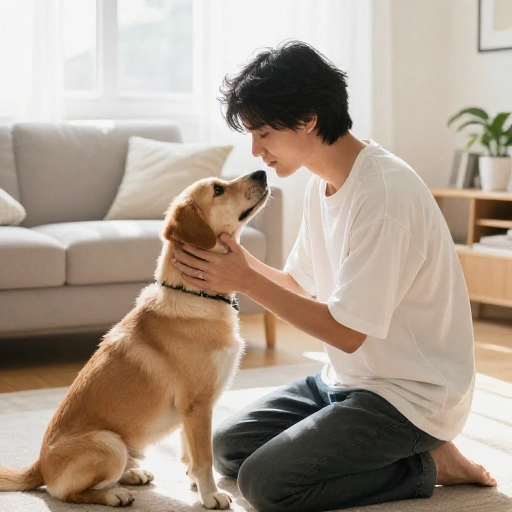
You say “sit,” and they just stare at you. You call their name at the dog park, and they act like you don’t exist. Trust me, I’ve been there. It’s frustrating, a little embarrassing, and makes you wonder if your dog is being stubborn or just doesn’t love you anymore.
The good news is that most of the time, it’s not about defiance. Dogs don’t ignore us to be spiteful. Usually, there’s a very practical reason your perfectly sweet pup suddenly has selective hearing. Once you understand the why, fixing it is much easier.
Let’s walk through the most common reasons your dog is tuning you out, and how to get that happy, focused attention back.
1. You Are Competing With Too Many Distractions
Imagine trying to focus on a conversation while your favorite song is blasting. That’s what asking your dog to “sit” near a squirrel is like. The world is a sensory buffet for your dog.
If you’re training in a busy park or a room full of kids, your voice is just background noise. Start in a boring, quiet space like your living room. Once they nail it there, slowly add tiny distractions. You can’t expect a perfect “stay” when a delivery truck just drove by.

2. The Command Has Lost Its Meaning
We say “down” so many times it becomes white noise. If you repeat a command over and over without getting a result, your dog learns it’s optional. They hear “down, down, down, down” and think it’s just a weird sound you make.
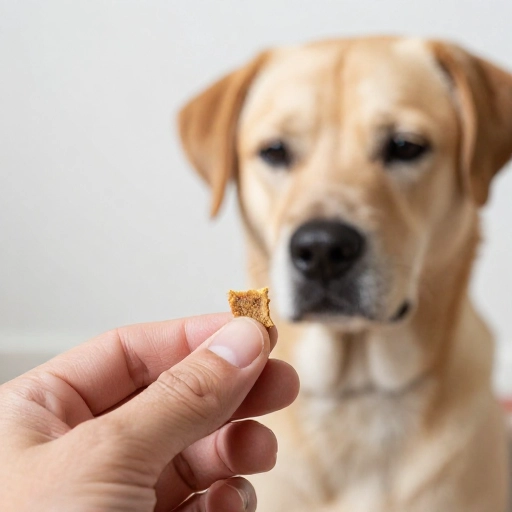
Say the command once. If they don’t do it, don’t repeat it. Instead, help them get it right (lure them with a treat) and then reward. Make every single “sit” or “stay” count, so they know the first time matters.
3. Your Body Language Is Confusing Them
Dogs are masters of reading our bodies, not just our words. If you are leaning forward, tense, or looking angry while saying “come,” your dog might think you are mad at them. They might freeze or move away.
Try this: relax your shoulders, turn to the side a little, and use a happy, high-pitched voice. Clap your knees and make yourself inviting. You’ll be shocked how much faster they respond when your body says “this is fun” instead of “this is a test.”

4. They Are Over-Tired (Like a Cranky Toddler)
Just like kids, dogs get cranky when they are exhausted. A tired dog isn’t always a good dog. Sometimes, an over-stimulated puppy or a dog that missed their nap will just shut down. They don’t have the brain power left to listen.
If your dog has had a huge day of hiking or playing, don’t expect perfect obedience. Give them a quiet break, a chew toy, or a crate nap. A fresh, rested dog learns much faster than a burnt-out one.

5. You Are Using The Same Word For Different Things
Do you use “off” for the couch, jumping, and barking? That’s confusing! Your dog learns “off” means “stop everything you are doing,” but they don’t know which thing.
Pick a specific word for a specific action. Use “off” only for jumping or furniture. Use “quiet” for barking. Use “leave it” for things on the ground. Clear rules make for a clear mind.
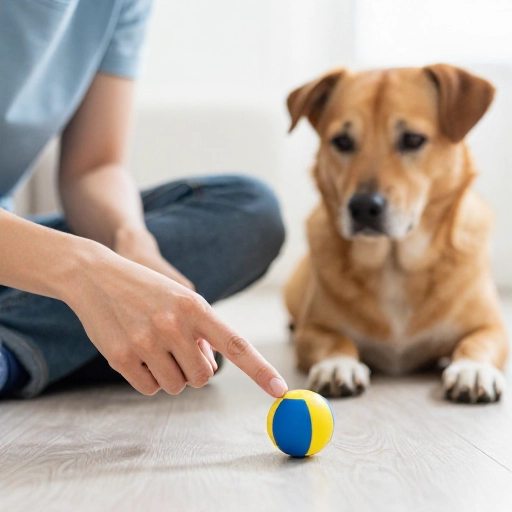
6. Your Dog Is In Pain Or Not Feeling Well
This is a big one. If your dog suddenly stops listening, especially to commands like “sit” or “down,” they might be hurting. Arthritis, a sore paw, or an upset tummy can make your dog want to be left alone.
Watch for other signs like limping, licking a spot, or low energy. If your dog used to be perfect and now ignores you, a vet check is a smart first step. Pain isn’t being naughty.

7. The Reward Is Just Not Worth It
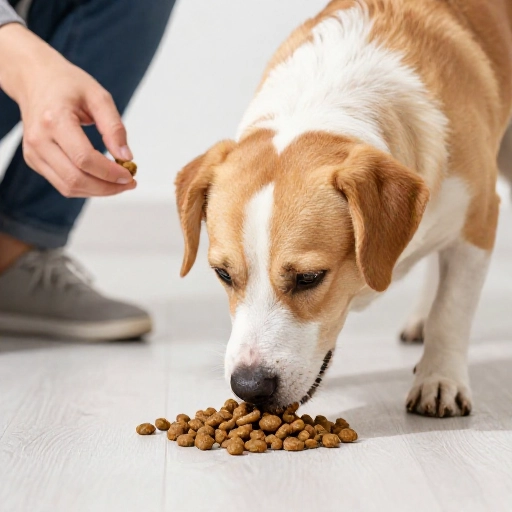
Would you work for a penny? Probably not. If your treat is a boring kibble, but the smell of a dropped hot dog is in the air, guess what wins? Your dog is doing a cost-benefit analysis.
Up your treat game for training. Use tiny pieces of real chicken, cheese, or hot dog. You don’t need to use them forever, but for learning new skills or fighting distractions, pay well for the job.
8. You Haven’t Practiced In Different Places
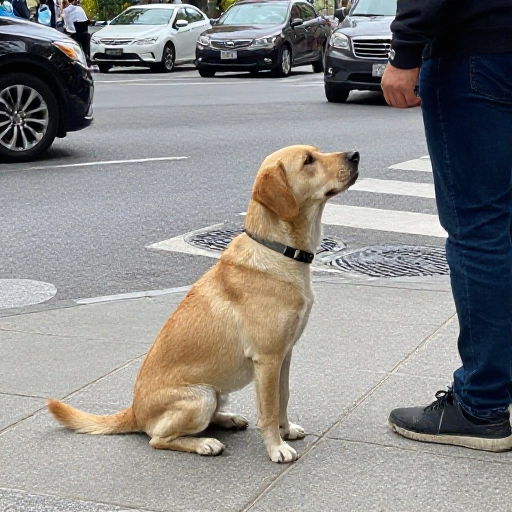
Your dog might be a genius in the kitchen. But take them to the sidewalk, and they forget everything. Dogs don’t generalize well. They think “sit” only applies in the kitchen, on the blue rug.
Practice the same command in five different spots: the yard, the hallway, a friend’s house, the sidewalk. Every new place is a new lesson. Be patient and teach them that “sit” means sit everywhere.
9. Your Timing Is Off
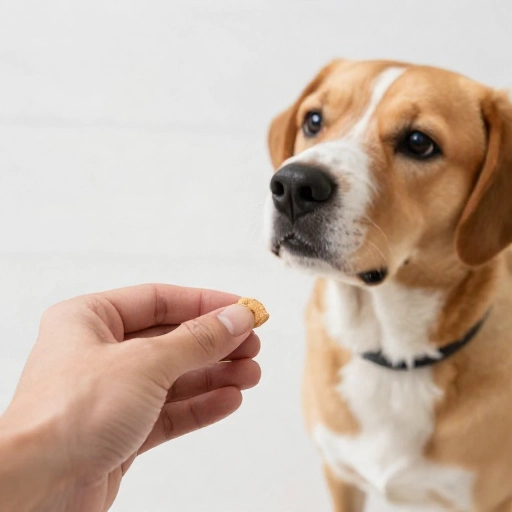
If you click or reward two seconds after they sit, you are actually rewarding them for standing back up. Dogs live in the moment. A delayed reward teaches them nothing.
Mark the exact second they do the behavior. Use a word like “yes!” or a clicker the moment their butt hits the floor. Then give the treat. Perfect timing creates a perfect connection.
10. They Are Just Being A Normal Dog
Sometimes, your dog is not broken. They are just being a dog. Puppies have the attention span of a gnat. Teenage dogs (6-18 months) suddenly get “teenager brain” and test boundaries. It’s normal.
Lower your expectations a little. Celebrate the small wins. Training is a lifelong conversation, not a one-time test. On days they ignore you, take a deep breath, and try a game instead of a drill. Connection always beats correction.
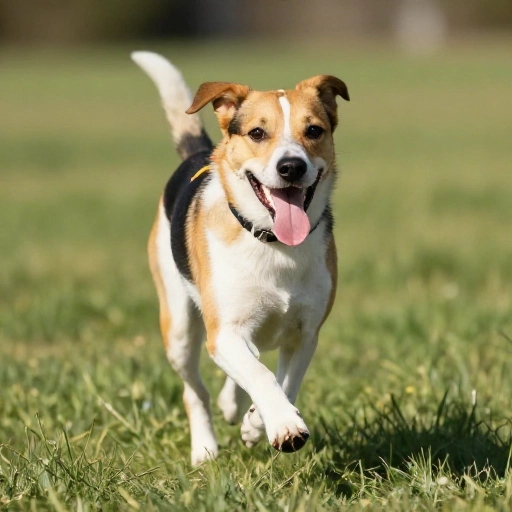
Conclusion: If your dog ignores you, don’t take it personally. Look for the reason. Are they distracted? Tired? Confused? Nine times out of ten, a small tweak in how you train will solve the problem. Keep it fun, keep it clear, and keep it short. Your dog loves you—they just need a little help understanding what you want.
Frequently Asked Questions
Q: Is my dog ignoring me to be stubborn?
Almost never. “Stubborn” is a human label. Dogs usually ignore us because they are distracted, confused, or unmotivated. Look for the cause, not the attitude.
Q: How do I get my dog to listen the first time?
Stop repeating yourself. Say the command once, wait a few seconds, and if they don’t do it, help them succeed (lure them). Reward the first response every time.
Q: What if my dog only listens when I have treats?
That’s normal! The treat is payment. Slowly phase treats out by rewarding sometimes and using praise or play other times. But always keep them guessing.
Q: Should I punish my dog for ignoring me?
No. Punishment usually makes a dog scared or more confused. It breaks trust. Focus on making listening more rewarding than ignoring you.
Q: How long does it take to fix selective hearing?
It depends on the dog and the habit. Some see improvement in a week. Others take a month. Be consistent, keep sessions short (2-5 minutes), and celebrate tiny progress.