Track Reactive Dog Progress in 2026: 10 Simple Ways to See Real Change (That Actually Work)
If you share your life with a reactive dog, you know the feeling: one step forward, two steps back. It’s easy to lose hope when progress feels invisible. That’s why tracking your dog’s progress isn’t just a nice idea—it’s the secret weapon that keeps you going.
In 2026, tracking is easier than ever. You don’t need a fancy lab or a degree in data science. A notebook, your phone, and a few simple metrics can show you the tiny wins that add up to big change.
I’ve been there with my own reactive dog. These are the 10 tracking methods that actually helped me see real progress. Pick one or two, and watch your confidence grow.
1. Start With a “Before” Snapshot (Baseline)
Before you change anything, capture where you are right now. Pick a typical walk route and a typical trigger—maybe another dog at 30 feet. Record what happens.
Jot down three numbers: the distance where your dog first notices the trigger, the intensity of the reaction (1-5), and how many seconds it takes to recover. Also, take a 10-second video.
This baseline is your starting line. Without it, you’ll forget how far you’ve come. Trust me, future you will thank you.
2. Keep a Dedicated Training Journal (Paper or Digital)
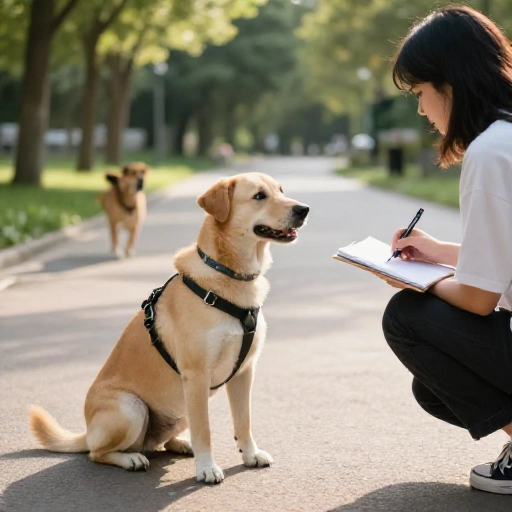
I use a cheap spiral notebook just for reactive dog training. Each entry takes 30 seconds. Date, trigger, distance, reaction, recovery, and one note about what I did.
If you prefer digital, a simple note on your phone works. The key is to keep it in one place, not scattered across your brain or random receipts.
After two weeks, flip back through. You’ll start seeing patterns—like your dog reacts more to dogs behind fences than on leash. That’s gold.

3. Use the “Trigger Distance” Metric
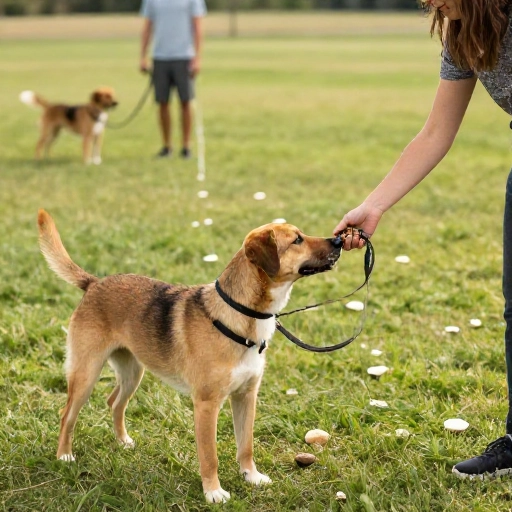
This is my favorite number to track. How close can you get to a trigger before your dog notices and reacts? Measure it in feet or meters.
Write it down every session. If last month your dog could handle 20 feet and now it’s 15 feet, that’s progress. Even 2 feet is a victory.
Distance is objective. It doesn’t care about your mood or your dog’s breed. It just shows change. Celebrate every foot you gain.
4. Time the Recovery (The Forgiveness Factor)
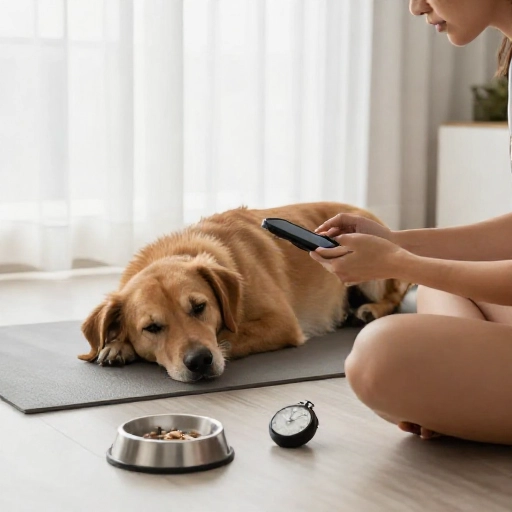
Reactions happen. What matters is how fast your dog comes back to you. After a bark or lunge, start a timer on your phone.
How many seconds until your dog can look at you, take a treat, or walk away calmly? Track that number. Shorter recovery times mean your dog’s nervous system is learning to reset.
I went from 45 seconds to 12 seconds over three months. That’s not a magic trick—that’s real, measurable progress.
5. Rate Reactions on a Simple 1-5 Scale
Numbers are great, but sometimes you need a quick vibe check. Create your own scale. For my dog: 1 = looks and looks away. 3 = stiffens and stares. 5 = lunging and barking.
After each encounter, give it a number. Write it in your journal. At the end of the week, average them. Is the average going down? That’s progress.
Don’t overthink the scale. It’s for you, not a science fair. Just be consistent with what each number means.
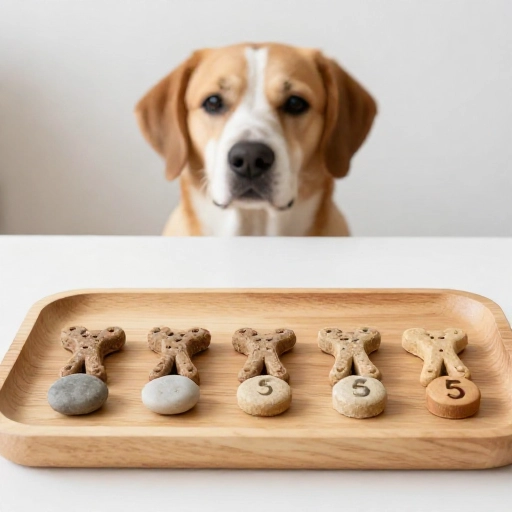
6. Film Short Videos (Then Compare Monthly)
Memory is a liar. You’ll swear your dog was worse last month, but you can’t remember exactly. Video doesn’t lie.
Once a month, film a 10-second clip of your dog walking past a known trigger. Same route, same time of day if possible. Store clips in a folder labeled with the month.
Then watch an old clip and a new one side by side. I cried happy tears when I saw my dog ignore a dog that used to send him spiraling. You will too.
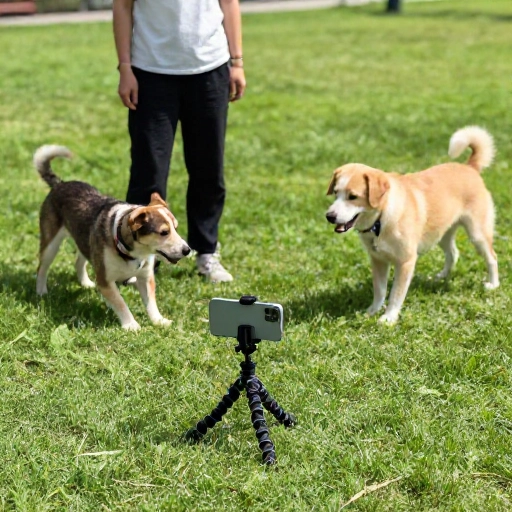
7. Track “Win Streaks” and Small Victories
Reactive dog training can feel like a grind. That’s why I track win streaks. Every day I stay under threshold, I put a star on my calendar.
It doesn’t have to be a perfect walk. Maybe you just got your dog to look at you instead of the trigger. That counts. Streaks build momentum and keep you motivated.
I also keep a “victory jar” of sticky notes with tiny wins. On hard days, I read them. It’s amazing how quickly we forget the good stuff.
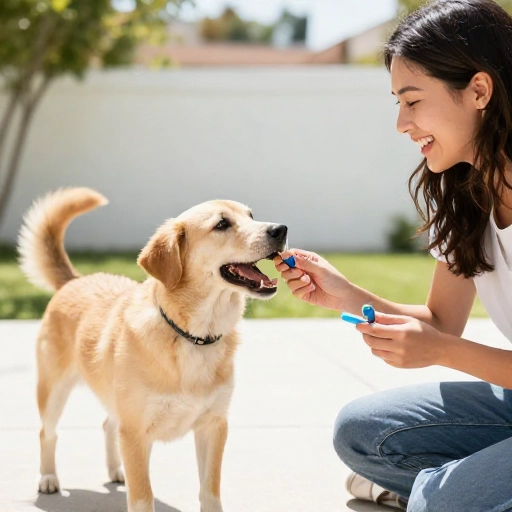
8. Log the Context (Time, Place, Weather, Your Mood)
Reactivity doesn’t happen in a vacuum. I started adding context to my journal: time of day, location, temperature, and how I felt.
Turns out my dog is way worse at 5 PM when the school bus passes. And if I’m anxious, he’s anxious. Now I schedule walks for quieter times and do a breathing exercise first.
Patterns like these are invisible until you write them down. Context turns random bad days into solvable puzzles.
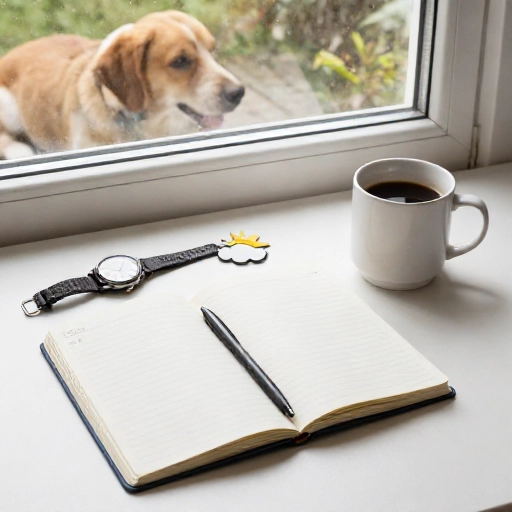
9. Use a Simple Progress Chart (Even a Sticky Note)
I’m a visual person, so I draw a line graph on a whiteboard. X-axis is weeks, Y-axis is trigger distance. Watching that line climb is addictive.
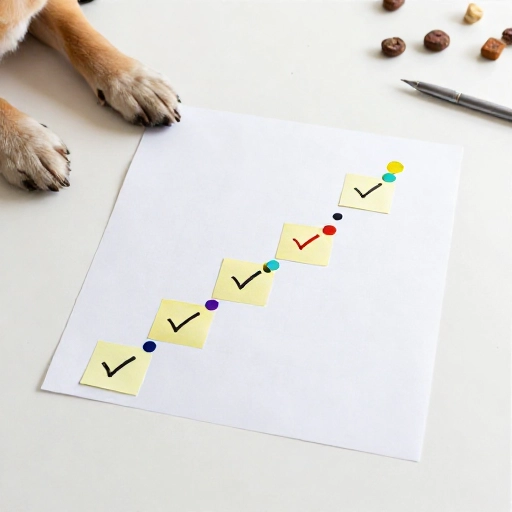
You don’t need fancy software. A sticky note on your fridge with a hand-drawn arrow works. Or use a free habit tracker app. The point is to see the trend, not just today’s blip.
If the line dips, don’t panic. Look at your journal for context. Progress is never a straight line—it’s a wobbly, beautiful mess.
10. Do a Monthly Review and Adjust Your Plan
Set a recurring reminder on your phone: “Reactive dog progress review.” Spend 15 minutes looking at your journal, videos, and chart.
Ask yourself three questions: What worked? What flopped? What one thing will I change next month? Maybe you need shorter sessions or a different treat.
This review turns tracking into action. Without it, you’re just collecting data. With it, you’re actually training smarter.

Conclusion
Tracking your reactive dog’s progress in 2026 doesn’t have to be complicated. Pick one method from this list—maybe the trigger distance or the recovery timer—and do it for a week. Then add another if you feel like it.
The goal isn’t a perfect spreadsheet. It’s to see the small, real changes that keep you showing up. Your dog is learning every day. Tracking helps you notice.
You’ve got this. And your dog is lucky to have you.
FAQ
How often should I track my reactive dog’s progress?
I recommend quick notes after every training session, plus a deeper review once a month. Daily tracking can burn you out, so keep it simple.
What if my dog has more bad days than good?
That’s normal. Track the bad days too. They show you what to avoid. Look for tiny improvements in recovery time or trigger distance, not just perfect behavior.
Do I need special apps or gear to track progress?
No. A notebook and your phone’s camera are enough. Apps can help, but they’re not required. Consistency matters more than tools.
How do I measure progress if my dog’s reactions look the same?
Zoom in. Did the reaction end 5 seconds faster? Did your dog look away once? Did you stay calmer? Those are progress. Also compare videos from 3 months ago.
Can tracking help my trainer too?
Absolutely. Sharing your journal and videos gives your trainer real data. They can spot patterns you miss and adjust the training plan faster.