What to Record When Your Dog Develops a New Symptom: 10 Vet-Approved Notes That Make a Huge Difference
When my dog, Ollie, started pacing at 2 a.m. and refused his favorite treat, I felt that cold wave of panic. I wanted to call the vet immediately, but I also knew they’d ask questions I couldn’t answer: When did it start? How often? Is he eating? I had been too worried to keep track.
That’s why I now keep a simple symptom log on my phone and a notepad on the fridge. Writing down the right details helps your vet piece together the puzzle faster—and it helps you feel less helpless. You don’t need to be a medical expert. You just need to be a good observer.
Below are the 10 things I record every time one of my dogs has a new symptom. It takes five minutes, but it has saved us from unnecessary tests, late-night guesses, and a lot of “I’m not sure” answers.
1. The Exact Date and Time It Started
I used to think “a few days ago” was good enough. It’s not. The first thing my vet asks is when the symptom began, because timing can point to infections, injuries, or even food reactions.
Write down the date and the time you first noticed it. If you’re not sure, note when you last saw your dog acting completely normal. That window of time is still useful.
I also jot down whether it came on suddenly or crept in slowly. A sudden limp after a backyard sprint tells a different story than a limp that’s been building for a week.
2. A Clear Description of What You Actually See
“He’s acting weird” is a feeling, not a fact. Your vet needs details. Is he shaking his head? Licking his paw? Circling before lying down? Standing with a hunched back?
I try to describe the symptom like I’m telling a friend who can’t see my dog. I avoid words like “a lot” and use specifics: “He licked his left front paw for 10 minutes straight.”
If I can, I note which side of the body is affected. Left or right matters more than you’d think. So does whether the symptom happens only when he’s moving, resting, eating, or sleeping.
3. How Often It Happens and How Long It Lasts
A symptom that happens once an hour is different from one that happens once a day. I keep a quick tally on my phone notes—just a dot for each time I see it.
I also time how long each episode lasts. Is the coughing fit 5 seconds or 5 minutes? Does the limp disappear after a few steps, or does it stay all day?
- Once a day vs. multiple times an hour
- A few seconds vs. several minutes
- Getting better, getting worse, or staying the same
That pattern tells my vet whether we’re dealing with something mild and passing or something that needs attention right away.
4. Possible Triggers or Changes in Routine
New symptom? I always ask myself: What changed? New food, new treat, new toy, new medication, new person in the house, or a new route on our walk?
I write down anything out of the ordinary from the last 48 hours. Even small stuff counts—like a piece of cheese someone slipped him at a party or a longer hike than usual.
Weather can matter too. My older dog’s joints get stiffer on cold, damp days. If I notice that pattern, I note it. It helps my vet focus on the right possibilities.
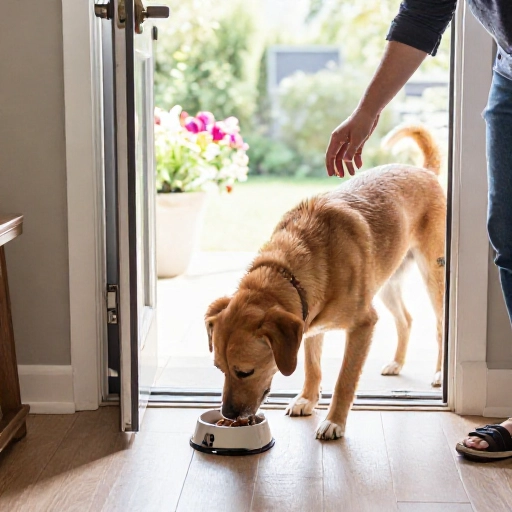
5. Appetite, Thirst, and Bathroom Habits
These three are like a health report card. I record how much my dog is eating and drinking compared to normal—not just “he ate,” but “he ate half his breakfast and left the rest.”
For bathroom habits, I note the color, consistency, and frequency of poop and pee. Is there blood? Mucus? Straining? Accidents in the house? Any change from the usual is worth writing down.
I also track vomiting and diarrhea separately. How many times? What did it look like? Was there food, bile, or something strange in it? Gross, yes. Helpful, also yes.
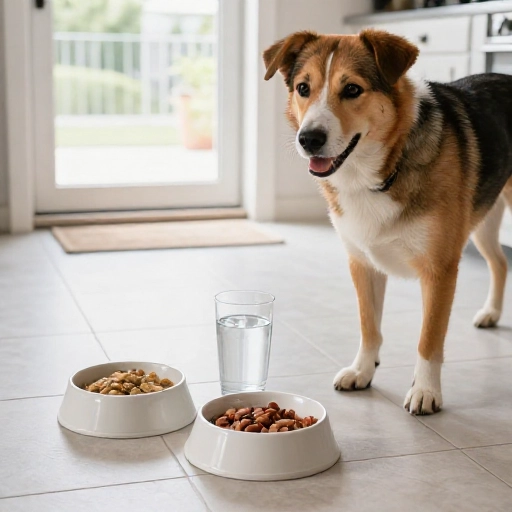
6. Energy Level and Mood Shifts
Is your dog still greeting you at the door, or is he hiding under the bed? I note whether my dog is acting like himself, just a little off, or completely withdrawn.
I use a simple scale from 1 to 10. A 10 is “bouncing off the walls.” A 1 is “won’t lift his head.” Most days my dogs are a 7 or 8. If they drop to a 4, I pay attention.
Mood matters too. Irritable, clingy, restless, or unusually quiet—all of it goes in the log. Behavior changes can be the first sign of pain or discomfort.
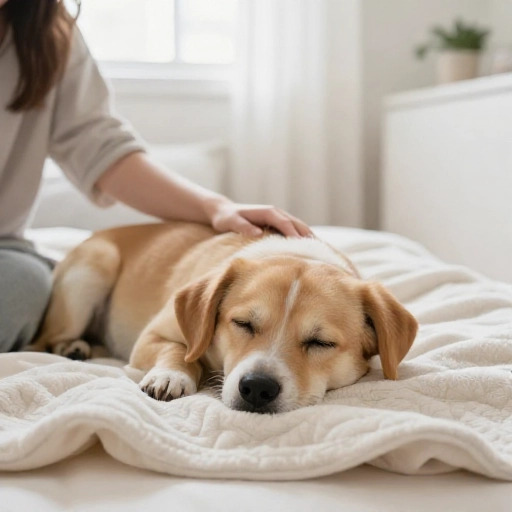
7. Any Other Symptoms Happening at the Same Time
New symptoms rarely travel alone. A limp might come with a loss of appetite. A cough might come with a runny nose. I write down everything, even if it seems unrelated.
I keep a running list for the day. For example: “8 a.m. limping, 10 a.m. refused kibble, 2 p.m. slept for 3 hours, 6 p.m. licked paw again.” That timeline is gold for my vet.
If I notice something small—like a new bump, a bad smell from the ear, or a change in eye discharge—I add it. Small clues often connect the big picture.
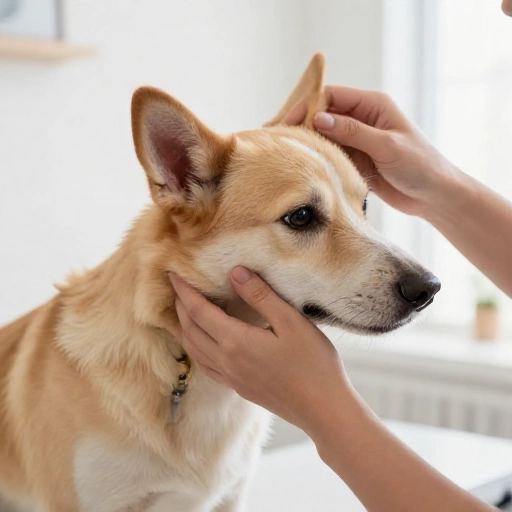
8. Medications, Supplements, and Recent Vaccines
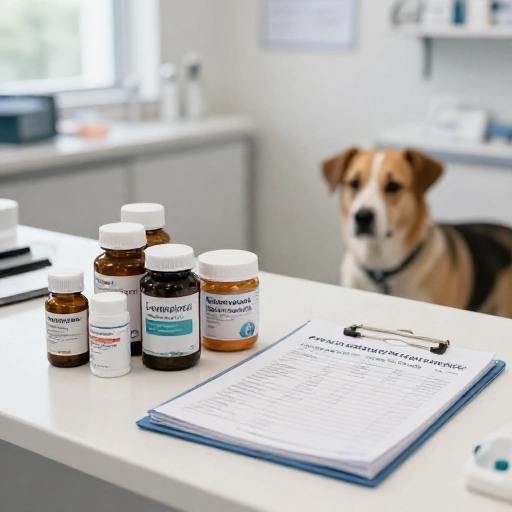
I list every medication, supplement, and topical treatment my dog is on, including flea and tick preventatives. I also note the last dose and whether I missed any.
Recent vaccines, dental cleanings, or surgeries go in the log too. Sometimes symptoms show up days or even weeks after a procedure, and that timing helps my vet rule things out.
I also write down any human food or medication my dog might have gotten into. It’s embarrassing, but it’s better to tell my vet than to guess. They’ve heard it all before.
9. Photos and Videos (Yes, Really)
My vet once told me a 10-second video of my dog’s cough was more helpful than a 10-minute description. Now I film everything: limping, head shaking, scratching, weird breathing, staring episodes.
I take clear photos of rashes, bumps, eye discharge, and poop (on a paper towel, not the carpet). I try to use good lighting and get close, but not so close that it’s blurry.
I label each file with the date and time. Then I have a visual timeline ready to show at the appointment. It’s awkward to film your dog’s private moments, but it’s worth it.

10. Your Questions and Gut Feelings
Before I call the vet, I write down my top three questions. “Is this an emergency?” “Could it be related to his new food?” “What should I watch for tonight?” Having them ready keeps me from forgetting in the moment.
I also record my gut feeling. If something feels seriously wrong, I say so. Vets take owner intuition seriously. We know our dogs better than anyone.
Finally, I note what I’ve already tried at home—like withholding food, applying a cold compress, or giving a dose of dog-safe medication. That way my vet knows the full story and can give the best advice.

Final Thoughts
Recording your dog’s new symptom doesn’t have to be complicated. A few notes on your phone, a quick photo, and a rough timeline can turn a scary mystery into a clear conversation with your vet.
Start today, even if your dog seems perfectly fine. The next time something feels off, you’ll be ready with facts instead of panic. And your vet will thank you for it.
FAQ
Q: How often should I update the symptom log?
A: I update it every time I notice a change—usually a few times a day when something new is going on. Even one quick note in the morning and one at night helps.
Q: What if I forget to write something down?
A: Don’t stress. Write down what you remember and when you remember it. Your vet can still work with an imperfect timeline.
Q: Should I record symptoms that seem tiny or silly?
A: Yes. Small things like a single sneeze or a slightly slower walk can be early clues. It’s better to have too much information than too little.
Q: Can I just show my vet a video instead of writing notes?
A: Videos are incredibly helpful, but they don’t replace a written timeline. Use both. The notes give context; the video shows the actual symptom.
Q: When should I stop recording and call the vet?
A: If your dog is struggling to breathe, collapsing, bleeding heavily, having seizures, or seems in severe pain, call right away. Don’t wait to finish your notes.