Toy Rotation for Resource Guarding Dogs: The Simple Trick That Keeps Peace at Home
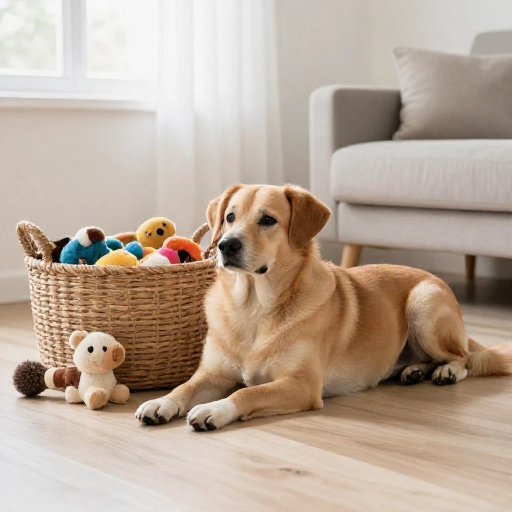
I still remember the first time my dog growled over a squeaky toy. My heart sank. Resource guarding can feel scary and overwhelming. But here’s what I learned: you don’t need a complicated behavior plan to start making things better. Toy rotation changed everything for us. It’s simple, cheap, and it works with your dog’s natural instincts.
If your dog guards toys, chews, or even the toy basket, you’re in the right place. I’m going to walk you through exactly how I use toy rotation to lower tension, prevent fights, and keep playtime fun. No fancy equipment. Just a few bins and a little patience.
Let’s dive in.
Why Toy Rotation Helps Resource Guarding (and Why It’s Not Just About Novelty)
Resource guarding happens when a dog feels like they need to protect something valuable. The more often they see a toy, the more “mine” it becomes. But when toys come and go, their value stays lower. That means fewer triggers.
Also, rotation gives you control over what’s available. You decide when the high-value toy appears and when it disappears. That predictability reduces anxiety. Your dog learns that good things come back, so there’s less need to guard.
I like to think of it as decluttering your dog’s brain. Fewer toys = less to worry about = calmer choices.
Start With a Toy Inventory (Yes, Really)
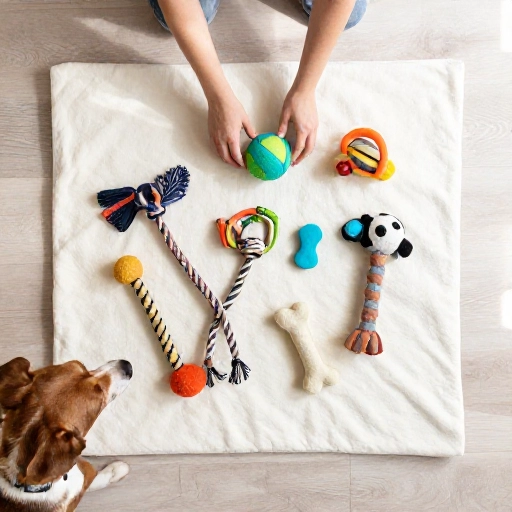
Before you rotate anything, dump out every toy, chew, and bone. I spread them on the floor and sort into three piles: low value, medium value, and high value. Low value = ignored. High value = the ones that make your dog stiffen or growl.
Be honest. If your dog guards bully sticks or squeaky balls, those go in the high-value pile. Don’t feel bad. Knowing is power.
Write down what you have. You might be surprised how many duplicates you own. I had four identical tennis balls and didn’t know it.
Create “Keep” and “Rest” Bins
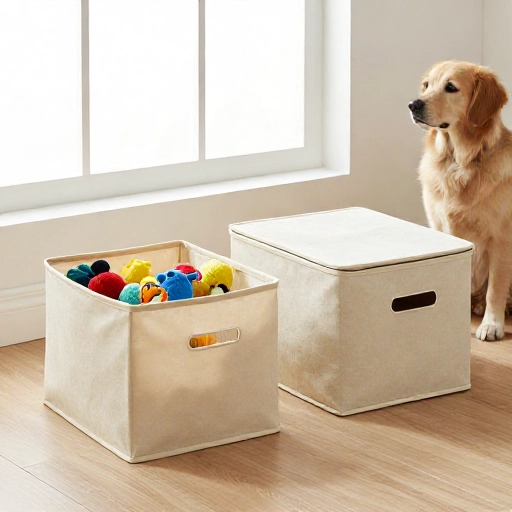
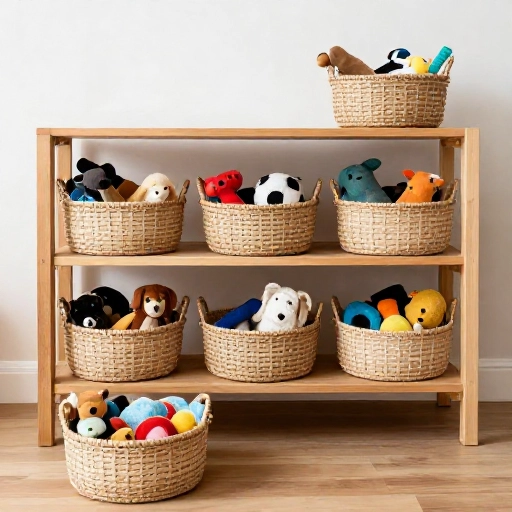
Now grab two bins. One is the “keep” bin (toys available today). One is the “rest” bin (toys hidden away). I use clear plastic bins so I can see what’s inside. You can also use a laundry basket or cardboard box.
The rule: only 2–4 toys are out at once. That’s it. The rest go in the rest bin, somewhere your dog can’t see or reach. I put mine in a closet.
Why so few? Because a smaller number of toys means less competition. Your dog can actually enjoy what’s there instead of patrolling a pile.
Introduce Rotation Slowly and Calmly
Don’t just swap toys while your dog is watching. That can create excitement or anxiety. Instead, rotate when your dog is asleep or in another room.
When you bring out a “new” toy, place it on the floor and walk away. Let your dog discover it. No fanfare. No “look what I got!” That calm energy tells your dog there’s nothing to worry about.
If your dog grabs the toy and runs to a corner, that’s okay. Give them space. Guarding often decreases when they feel safe.
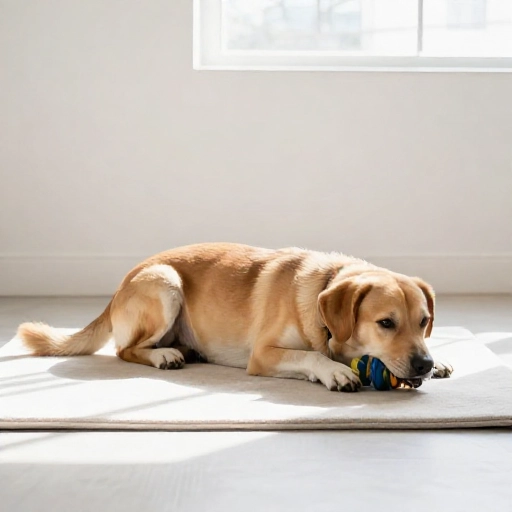
Match the Toy to Your Dog’s Mood and Energy
Not all toys are equal. A high-energy dog might need a flirt pole or tug toy. A tired dog might prefer a chew or snuffle mat. I rotate based on what my dog needs that day.
For example:
- Rainy day? Puzzle toy with treats.
- Post-walk chill? Soft plush toy.
- Zoomies? Ball or tug.
When the toy fits the moment, your dog is less likely to guard it. They’re busy having fun.
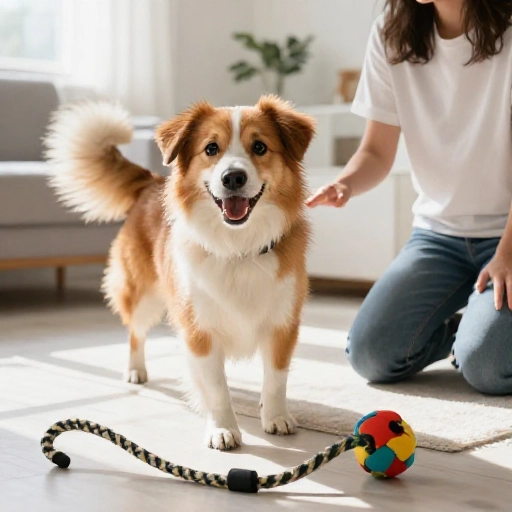
Use Rotation to Practice “Drop It” and “Trade”
Toy rotation is a sneaky way to teach trades. When your dog has a medium-value toy, offer a high-value treat. Say “drop it,” then give the treat and take the toy. Then give the toy back.
Do this often. It builds a habit: human hands near toys = good things happen. That’s the opposite of guarding.
I keep a stash of tiny cheese cubes in my pocket during rotation days. My dog now drops toys without a second thought.
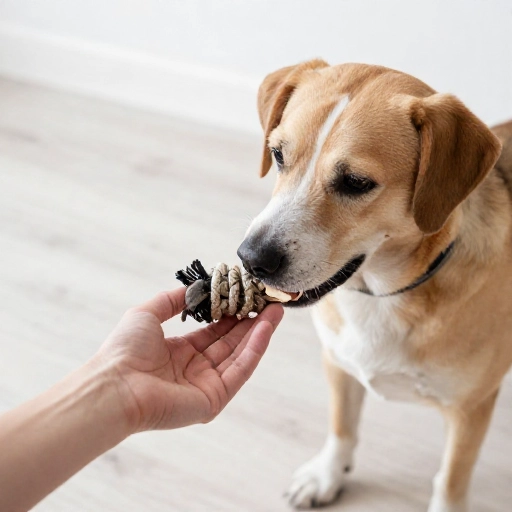
Pair Rotation With Management (No Free Access to High-Value Items)
Rotation alone won’t fix everything if your dog can still grab a guarded bone off the counter. Management means high-value items are only available when you say so.
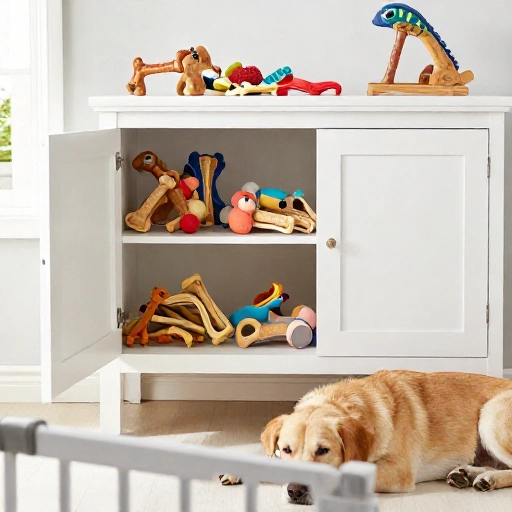
I keep all bones and special chews in a locked cabinet. When I give one, I trade for it after 10–15 minutes. Then it goes back. No free access.
This isn’t mean. It’s fair. Your dog learns that you control the good stuff, so guarding becomes pointless.
Add Enrichment Toys to the Rotation
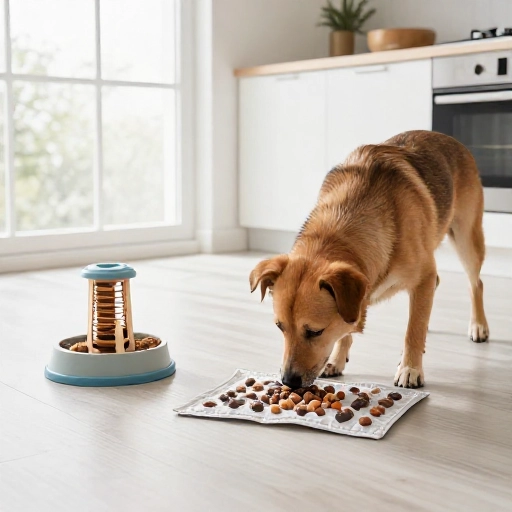
Enrichment toys are gold for resource guarding. They keep your dog busy and happy. Think snuffle mats, lick mats, puzzle feeders, and frozen Kongs.
I rotate these just like regular toys. One day a snuffle mat, next day a frozen Kong. The variety keeps my dog engaged and less focused on guarding.
Plus, licking and sniffing are calming. A calm dog guards less. It’s science and common sense.
Watch for Stress Signals During Rotation
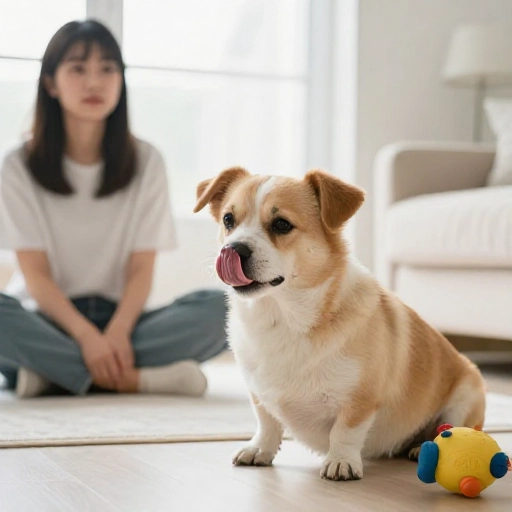
Even with rotation, you need to watch your dog’s body language. Signs of stress include:
- Whale eye (whites of eyes showing)
- Stiff body
- Lip licking
- Growling
- Freezing
If you see these, stop. Don’t push. Put the toy away and give your dog space. Rotation should reduce stress, not add to it.
I keep a mental checklist. If my dog stiffens when I reach for a toy, I back off and try again later with a lower-value item.
Build a Weekly Rotation Schedule That Sticks
You don’t need a fancy calendar. I rotate every 3–4 days. That’s enough to keep toys feeling new but not so often that my dog gets confused.
Here’s my simple schedule:
- Monday: swap toys after morning walk.
- Thursday: swap again.
- Sunday: deep clean bins and check for damage.
I set a phone reminder. It takes two minutes. That tiny habit has made a huge difference in our home.
Conclusion: Small Rotations, Big Calm
Toy rotation isn’t a magic cure, but it’s one of the easiest tools I’ve used for resource guarding. It lowers the stakes, builds trust, and makes playtime peaceful again. Start small. Be patient. And celebrate the quiet moments.
If you’re dealing with serious guarding, please work with a certified behavior consultant. But for everyday growls and stiff bodies, rotation is a great first step.
FAQ: Toy Rotation and Resource Guarding
Q: Can toy rotation stop resource guarding completely?
A: It can reduce triggers and change your dog’s emotional response, but it’s not a standalone fix. Pair it with training and management. Severe cases need a professional.
Q: How many toys should I rotate at once?
A: I keep 2–4 toys out. That’s enough to play with but not so many that your dog feels overwhelmed. Adjust based on your dog’s size and energy.
Q: What if my dog guards the toy bin itself?
A: That’s common. Keep bins out of reach. Don’t let your dog see you move toys. Instead, rotate when they’re asleep or in another room. If guarding is intense, use a closed closet.
Q: Should I rotate chews and bones too?
A: Yes, but carefully. High-value chews should only come out with supervision. Rotate them like toys, but always trade for them. Never leave a guarded bone out.
Q: How long until I see a change?
A: Some dogs relax in a few days. Others take weeks. Consistency matters more than speed. Keep sessions short and positive. If you see more growling, back off and consult a trainer.