3 Homemade Dog Shampoos for Yeast Relief
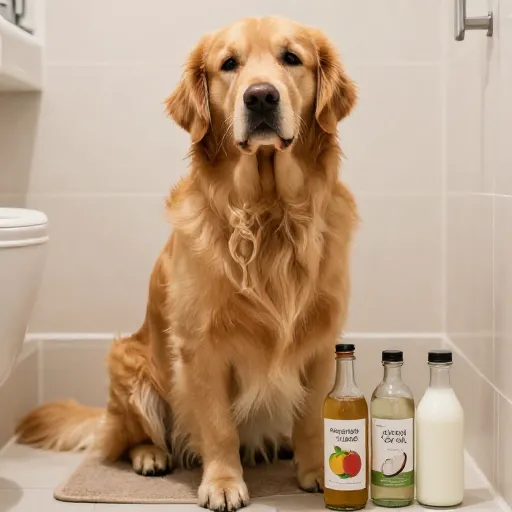
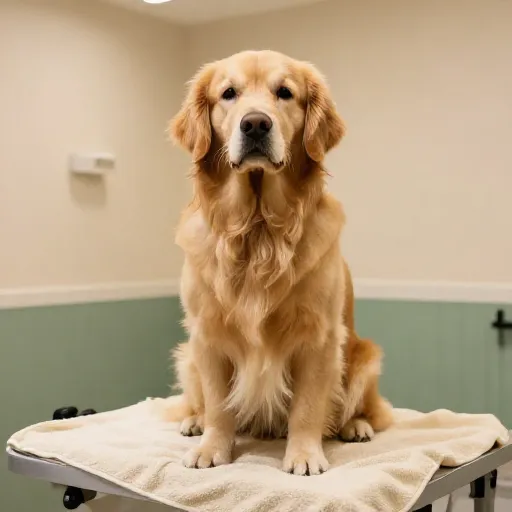
When my golden retriever started scratching more than usual and that faint, musty smell appeared, I knew we were dealing with a yeast issue again. Yeast infections in dogs are uncomfortable, smelly, and stubborn. After spending a small fortune on medicated washes that only worked temporarily, I decided to try making my own shampoo at home.
The good news? These three recipes actually work. The ingredients are simple, gentle, and something you probably already have in your kitchen. They target yeast without stripping your dog’s coat or irritating sensitive skin. Here’s exactly what I use when my pup needs relief.
1. Apple Cider Vinegar and Aloe Vera Rinse
Apple cider vinegar is my go-to for yeast control. It changes the pH on your dog’s skin, making it harder for yeast to thrive. Aloe vera soothes the itchiness that comes with yeast overgrowth.
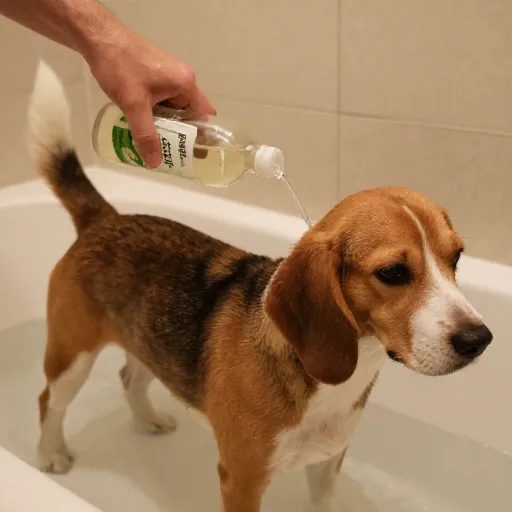
To make this rinse, mix one part raw apple cider vinegar with three parts warm water. Add two tablespoons of pure aloe vera gel. Stir until everything combines well. Pour it over your dog’s coat after a regular bath, being careful to avoid the eyes.
Let it sit for five minutes before rinsing thoroughly. I use this once a week for maintenance, but you can use it more often during a flare-up. The smell disappears once your dog dries, I promise.
2. Coconut Oil and Oatmeal Scrub
Coconut oil is antifungal and smells amazing. Oatmeal calms angry, red skin. Together, they make a paste that cleans while it heals.
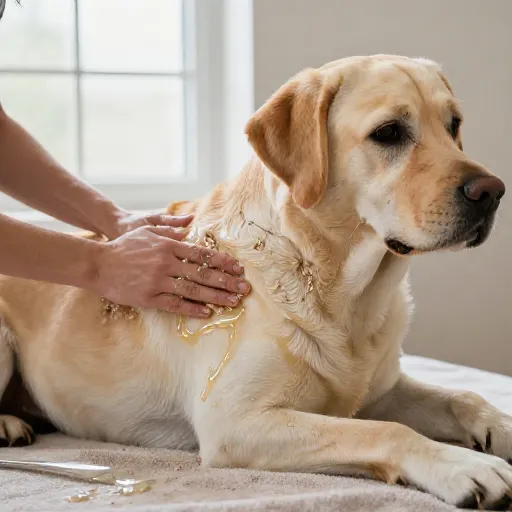
Take two tablespoons of organic coconut oil and warm it between your hands until it softens. Mix in three tablespoons of finely ground oatmeal. If your dog has long hair, add a splash of warm water to make it spread easier.
Massage this mixture into your dog’s coat, focusing on the belly, paws, and armpits where yeast loves to hang out. Leave it on for ten minutes. Rinse with warm water and pat dry with a towel.
My dog’s skin looked less red after just two washes. Plus, his coat was incredibly soft and shiny afterward.
3. Plain Yogurt and Honey Wash
Plain yogurt has probiotics that help balance the bacteria on your dog’s skin. Raw honey is a natural antibiotic and antifungal. This combination is gentle enough for puppies and senior dogs.
Blend half a cup of plain, unsweetened yogurt with two tablespoons of raw honey. Add a cup of warm water and whisk until smooth. Apply it to your dog’s damp coat from neck to tail.
Work it in well, especially in folds and creases. Let it sit for five to eight minutes. Rinse completely with lukewarm water. Your dog will smell like nothing bad, just clean and fresh.
I rotate this wash with the apple cider vinegar rinse. It keeps the yeast at bay without drying out my dog’s skin.
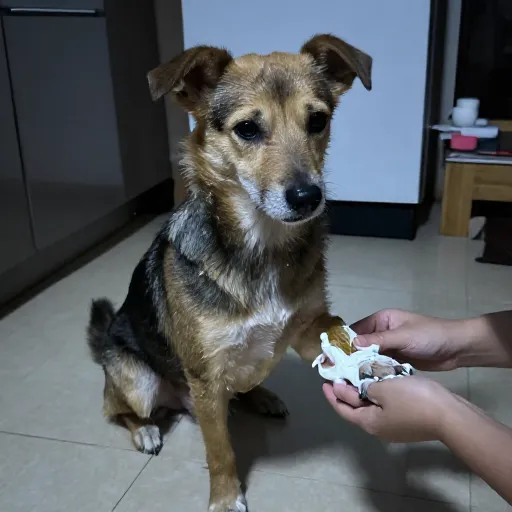
4. Why These Ingredients Work Against Yeast
Yeast on dogs is usually Malassezia pachydermatis. It loves warm, moist environments. The ingredients I chose work in different ways to make life hard for yeast.
Apple cider vinegar changes pH levels so yeast cannot multiply. Coconut oil contains caprylic acid that breaks down yeast cell walls. Oatmeal reduces inflammation that yeast causes.
Raw honey creates a hydrogen peroxide effect when it touches skin. Yogurt delivers good bacteria that crowd out bad yeast. Each ingredient pulls its weight.
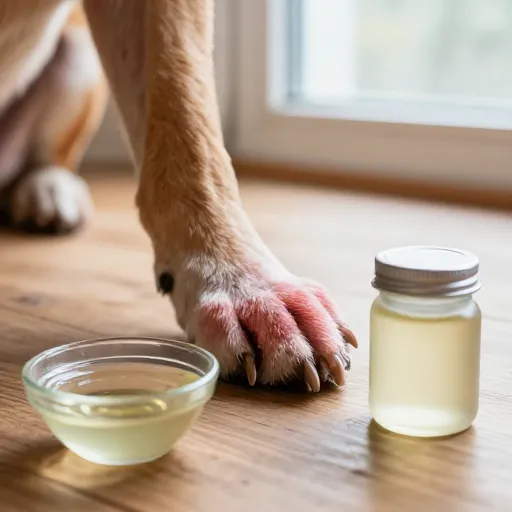
5. When to Wash and How Often
Frequency matters with yeast baths. Too much washing dries out the skin and makes things worse. Too little washing lets yeast run wild.
During an active yeast infection, I wash my dog every three days for two weeks. That breaks the yeast cycle and gives the skin time to heal. After symptoms improve, I drop to once a week.
For prevention, once every two to three weeks works well. Always follow up with a good rinse. Soap residue traps moisture and yeast loves moisture.
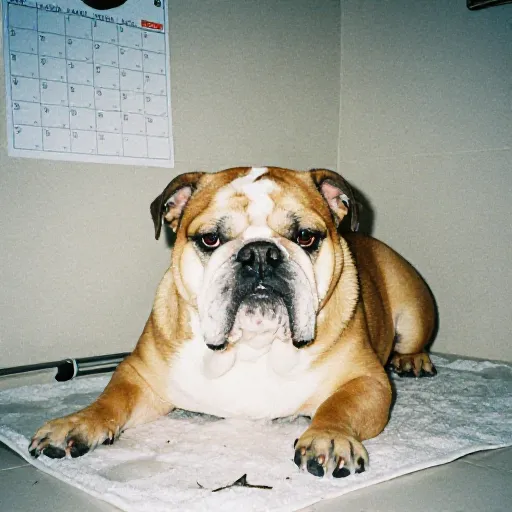
6. Signs Your Dog Needs Yeast Relief
Not every itch means yeast. But certain signs point straight to it. The smell is the biggest giveaway. It smells like corn chips, Fritos, or musty bread.
Other signs include red skin between toes, dark brown discharge in ears, and excessive licking of paws. Some dogs get a greasy coat with flaky dandruff underneath.
If you notice any of these, try one of these shampoos for a week. If things get worse, stop and call your vet. Sometimes yeast is a symptom of something bigger.
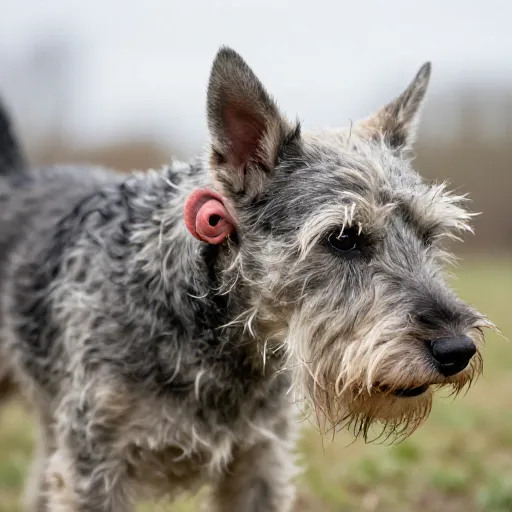
7. Tips for Bathing a Dog That Hates Water
Not every dog enjoys bath time. My terrier mix acts like I am trying to drown her every single time. Over time, I found ways to make it easier.
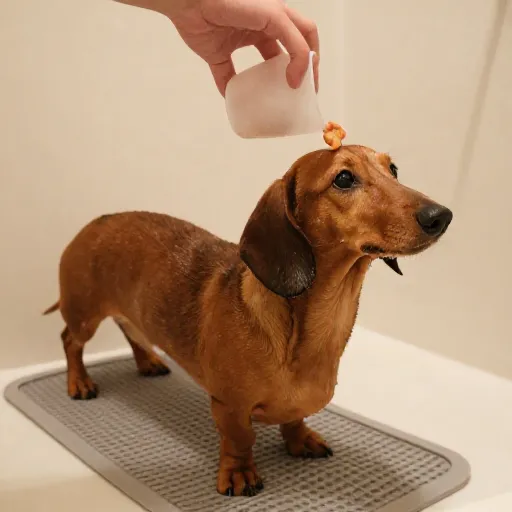
Use lukewarm water, not hot or cold. Place a rubber mat in the tub so your dog feels steady. Talk calmly and give small treats throughout the bath. Keep the shampoo away from eyes and ears.
If your dog is really stressed, try a sponge bath instead. Mix your shampoo in a bowl and use a soft cloth to apply it. Rinse with a spray bottle or damp cloth. Less drama, same results.
8. How to Dry Your Dog After a Yeast Bath
Drying is just as important as washing. Wet skin invites yeast to come right back. I learned this the hard way.
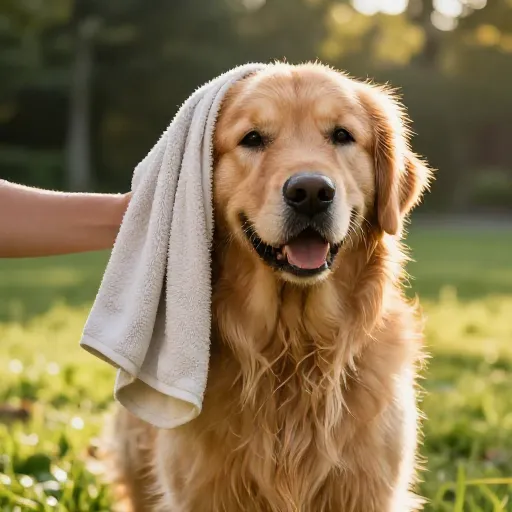
Use a clean towel and press, do not rub. Rubbing can tangle hair and irritate sensitive skin. For long-haired dogs, blow dry on the cool setting while brushing gently.
Make sure paw pads and skin folds are completely dry. These hidden spots are where yeast hides. A little extra attention here makes a big difference.
9. What to Avoid in Homemade Dog Shampoos
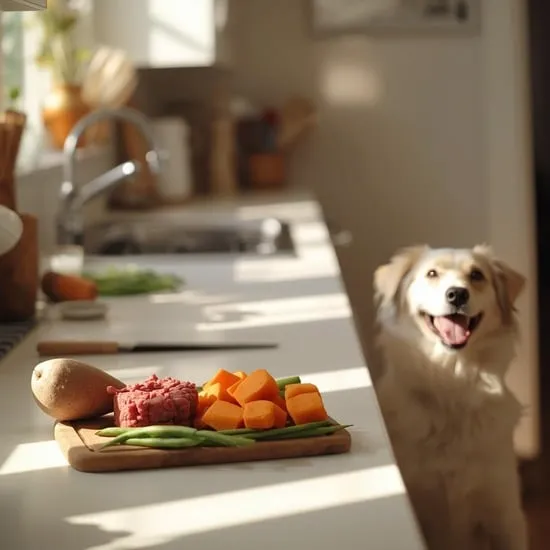
Not everything natural is safe for dogs. Some ingredients can make yeast worse or irritate skin. I stick to a short list of safe items.
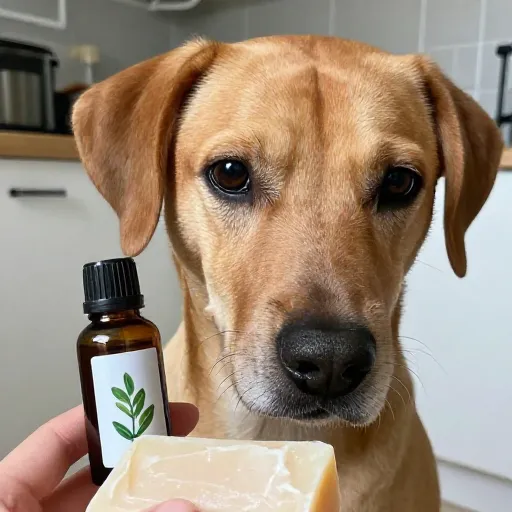
Avoid tea tree oil. It sounds good but can be toxic to dogs in high amounts. Avoid garlic and essential oils unless you know exact safe dilutions. Avoid anything with alcohol, it dries out skin and makes yeast worse.
Stick to gentle food-grade ingredients. If you would not eat it, do not put it on your dog. This rule has never let me down.
10. When to See the Vet Instead
Homemade shampoos help mild to moderate yeast problems. But sometimes you need professional help. Do not feel bad about that.
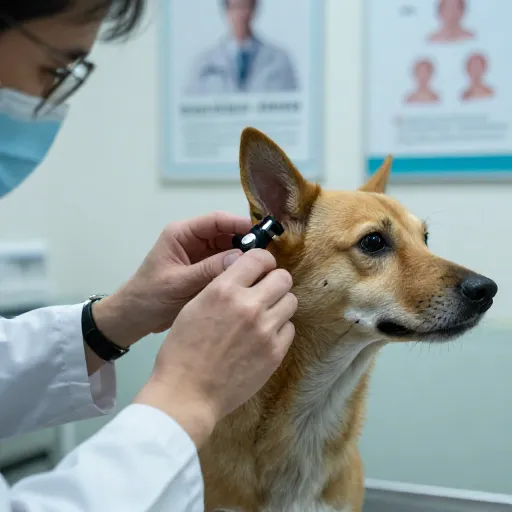
If your dog has open sores, bleeding skin, or hair loss, see a vet. If the smell is very strong and spreads through your house, get a checkup. If your dog seems painful or stops eating, make an appointment.
Yeast can be a sign of allergies, thyroid issues, or immune problems. A vet can run tests and find the root cause. Home care works great for surface yeast, but deeper issues need a doctor.
Conclusion
Yeast on dogs is frustrating, but homemade shampoos can bring real relief. Apple cider vinegar rinses, coconut oil scrubs, and yogurt washes are gentle, effective, and cheap. They helped my dog go from scratching all night to sleeping peacefully again.
Start with one recipe and see how your dog responds. Every dog is different. Listen to their skin and adjust as you go. With a little patience and the right ingredients, you can manage yeast at home without harsh chemicals.
Frequently Asked Questions
Can I use these shampoos on puppies?
Yes, but dilute everything more than usual. Puppies have sensitive skin. Use half strength and watch for reactions.
How long does it take to see results?
Most dogs improve within one to two weeks. Itchiness usually decreases after the first wash. Full relief takes consistent bathing.
Can I add essential oils to these recipes?
I do not recommend it. Essential oils are very concentrated and can harm dogs. Stick to plain food ingredients for safety.
Will these shampoos help with ear infections too?
These are for body and coat only. Never put homemade shampoo inside your dog’s ears. Use vet-prescribed ear drops for yeast in ears.
Can I store leftover shampoo for later?
Yes, but only for a few days in the fridge. These recipes have no preservatives. Make small batches and use them fresh for best results.