When to Call the Vet: 10 Dog Symptoms You Should Never Ignore (A Dog Mom’s Honest Guide)
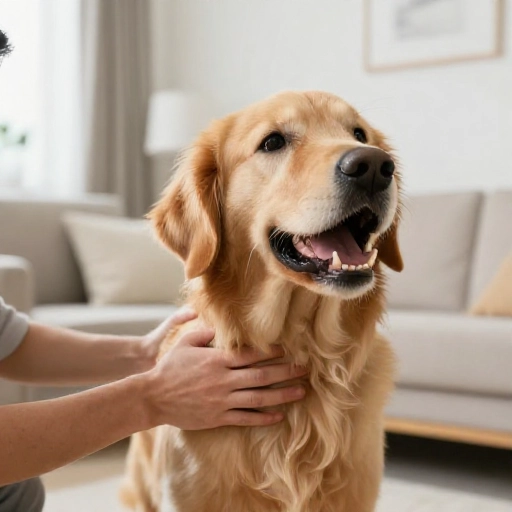
I’ve had that middle-of-the-night panic moment more than once. My dog looked “off,” and I wasn’t sure if I was overreacting or if something was really wrong. If you’ve ever stared at your pup and wondered, “Should I call the vet?” — this is for you.
Dogs can’t tell us where it hurts. They hide pain, and by the time we notice something, it’s sometimes already serious. So I’ve put together the symptoms I personally refuse to wait on. Not to scare you, but to help you trust your gut and act fast.
Here are 10 dog symptoms that mean you should pick up the phone — or head to the emergency vet — without waiting to “see if it gets better.”
1. Trouble Breathing or Choking
If your dog is gasping, wheezing, making a honking sound, or their sides are heaving hard, that’s a red alert. Breathing issues can go from bad to life-threatening in minutes.
I watch for things like: gums turning blue or purple, coughing that won’t stop, or your dog stretching their neck out just to get air. That last one looks weird, but it’s a classic sign of distress.
Do not wait. Call your vet or an emergency clinic right away and describe exactly what you’re seeing. If they say come in, go.
2. Collapse, Fainting, or Sudden Weakness
One second your dog is trotting around, and the next they’re on the floor. That’s not something to shrug off.
Collapse can point to heart problems, internal bleeding, low blood sugar, or neurological issues. Even if your dog pops back up and acts normal, it still needs a vet check.
I always note the time it happened and how long it lasted. Those details help the vet figure out what’s going on faster.

3. Seizures or Trembling That Won’t Stop
A seizure looks different for every dog. Some shake all over, some paddle their legs, some just stare into space and drool. It’s terrifying to watch.
If a seizure lasts longer than a couple of minutes, or your dog has more than one in a row, that’s an emergency. Call the vet while it’s happening if you can.
After it ends, keep your dog safe and calm. Don’t put your hands near their mouth — they don’t know what they’re doing and could bite by accident.

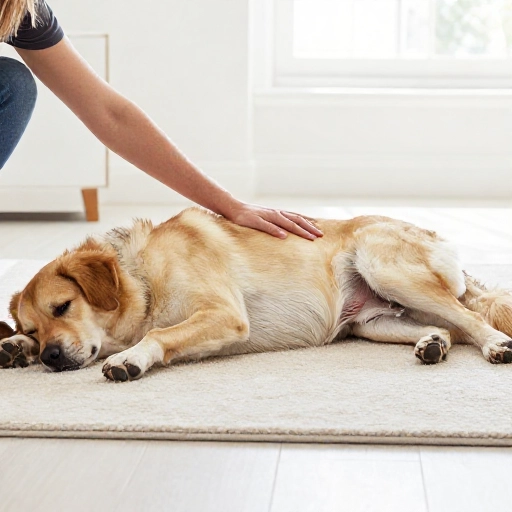
4. A Swollen, Hard Belly (Bloat)
This one scares me the most. Bloat, also called GDV, happens mostly in big-chested dogs, but any dog can get it. The stomach fills with gas and can twist.
Signs to watch for: a belly that looks bloated and feels tight like a drum, pacing, drooling, trying to vomit but nothing comes up, and looking uncomfortable.
Bloat is fatal fast — sometimes within hours. Don’t wait. Go to the emergency vet immediately.
5. Not Eating or Drinking for 24 Hours
Dogs skip meals sometimes. But if my dog refuses food and water for a full day, I’m calling the vet.
Not eating can be the first sign of dental pain, stomach issues, kidney problems, or even a blockage. Not drinking is even more urgent because dehydration sets in quickly.
Watch for other clues too — low energy, hiding, or vomiting. Those make the call even more important.

6. Vomiting or Diarrhea With Blood
One random throw-up usually isn’t a crisis. But blood changes everything.
Bright red blood, dark coffee-ground vomit, or black tarry poop can mean bleeding somewhere in the gut. That could be from a swallowed toy, an ulcer, or an infection.
If your dog is also weak, shaking, or can’t keep water down, head to the vet right away. Don’t try to wait it out at home.

7. Straining to Pee or Not Peeing at All
This is one a lot of people miss. If your dog squats over and over and nothing comes out, that’s an emergency — especially for male dogs.
A blocked urethra can happen from stones or crystals. It’s incredibly painful and can be deadly within a day or two.
Other signs: crying while peeing, licking the area constantly, or pee with blood in it. Call the vet now, not tomorrow.

8. Pale, White, or Blue Gums
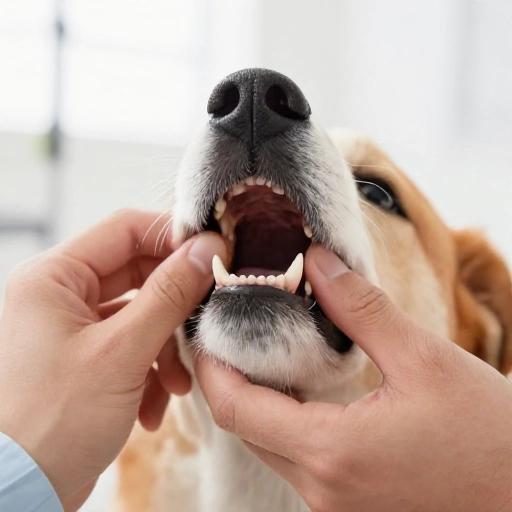
Lift your dog’s lip and look at their gums. Healthy gums are pink and moist. Pale, white, or bluish gums are a huge warning sign.
That color change can mean shock, internal bleeding, or poor circulation. It often shows up before other symptoms do.
Press gently on the gum — it should turn pink again within two seconds. If it stays pale, call the vet immediately.
9. Severe Pain, Crying, or Can’t Stand Up
If your dog yelps when you touch them, refuses to move, or can’t get up, something is very wrong. This isn’t just “they slept funny.”
It could be a spinal injury, a torn ligament, or a broken bone. Moving them the wrong way can make it worse.
Call your vet first and ask how to safely transport your dog. Use a towel or blanket as a sling if you need to.
10. Ate Something Toxic (Chocolate, Xylitol, Grapes, Meds)
Dogs eat things they shouldn’t. I know mine has. The problem is some foods and pills are toxic even in small amounts.
Big ones to worry about: chocolate, xylitol (in sugar-free gum), grapes and raisins, onions, garlic, and human medications like ibuprofen or acetaminophen.
Don’t wait for symptoms. Call your vet or a pet poison hotline right away, and tell them what your dog ate and how much. The faster you act, the better the outcome.

My Bottom Line: Trust Your Gut
You know your dog better than anyone. If something feels off — even if you can’t explain it — that’s enough reason to call. Vets would much rather hear from you early than see your dog in a crisis later.
Keep your vet’s number and an emergency clinic’s number saved in your phone. It saves precious minutes when you’re panicking. And remember: it’s never “bothering” the vet when it’s about your dog’s life.
FAQ: When to Call the Vet for Your Dog
How do I know if my dog’s symptom is an emergency?
If your dog is struggling to breathe, collapsing, seizing, bloated, bleeding, or can’t pee — that’s an emergency. Go now. For milder issues, call your vet and ask.
Should I call the vet or just wait a day?
If you’re asking the question, just call. A quick phone call costs nothing and can save your dog’s life. Waiting is rarely the better choice.
What if my dog seems fine but had one weird moment?
Still call. Fainting spells, seizures, and collapses can happen again. Your vet can tell you if it’s safe to monitor at home.
Can I give my dog human medicine before the vet?
No, not without asking your vet. Many human meds are toxic to dogs, including ibuprofen and acetaminophen. Never guess with dosages.
What should I have ready when I call the vet?
Have your dog’s age, weight, symptoms, when they started, and any possible toxins they ate. That info helps your vet decide how urgent it is.