Trigger Stacking: Why Good Dogs Snap (and How to Stop the Stress Spiral)
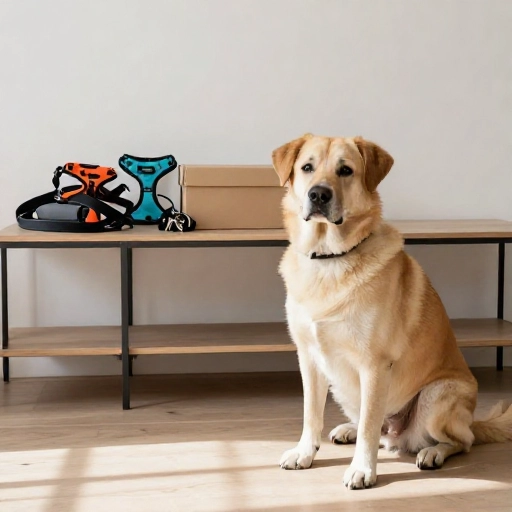
I still remember the first time my “perfect” dog snapped. It felt like it came out of nowhere. One second he was fine, and the next he was growling at a friend who reached over his head.
Then I learned about trigger stacking. It changed everything. It’s not about one big event. It’s about a bunch of small stressors piling up until your dog has nothing left to give.
If you’ve ever said, “He’s never done that before,” this is for you. Once you can see the stack, you can stop the snap before it happens.
What Trigger Stacking Actually Means
Trigger stacking is what happens when several small stressors land on your dog close together. Each one might be easy to handle on its own. Stacked, they become too much.
Maybe it’s a loud truck, a skipped nap, a tight leash, and a stranger staring. No single thing is huge. But together, they fill your dog’s coping cup to the very top.
I think of it like carrying groceries. One bag is fine. Five bags, a ringing phone, and a door that won’t open? Something is going to drop.
Why a “Good Dog” Can Suddenly Snap
Good dogs still have limits. Being well-trained, sweet, and gentle doesn’t erase stress. It just means they’ve been holding it together longer than you realized.
Obedience doesn’t drain a full stress bucket. A dog can sit beautifully while feeling completely overwhelmed inside.
A snap, growl, or air snap is often communication, not a personality change. It’s your dog saying, “I can’t handle one more thing right now.”
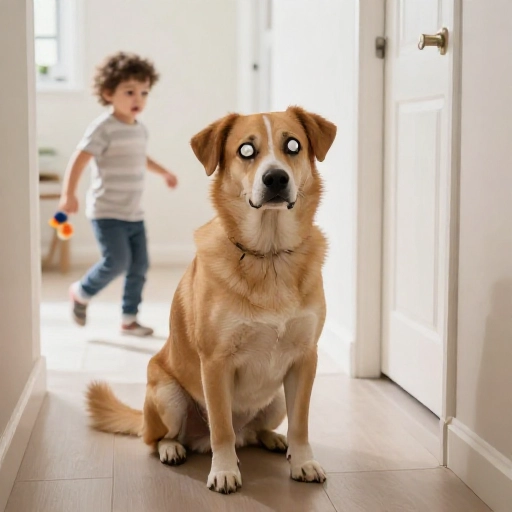
The Stress Bucket: Every Dog Has a Limit
Picture a bucket. Every stressor adds water. Sleep, play, sniffing, safety, and choice drain it back down.
When the bucket is full, even a tiny drip can overflow. That overflow might look like a snap, a lunge, or a growl.
Bucket size varies. Genetics, pain, age, hormones, and past experiences all matter. It’s not about being spoiled or dominant. It’s about having enough room to cope.

Common Triggers That Stack Without You Noticing
Some triggers are obvious. Most are tiny and easy to miss.
- Loud noises, storms, fireworks, construction
- Unfamiliar dogs, people, or crowded sidewalks
- Tight leash, rushed walks, no sniff time
- Pain, hunger, thirst, or skipped potty breaks
- Changes in routine, guests, travel, new baby
- Lack of sleep, too much stimulation, or constant noise
One of these might be fine. Three or four in a day can put a good dog on edge. I started writing them down and was shocked by how many little things added up.
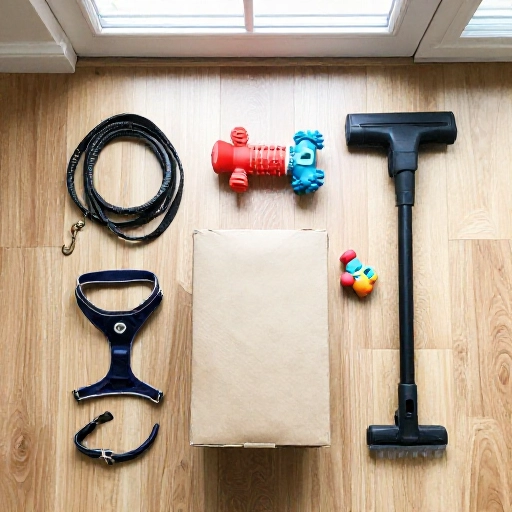
The Slow Build: How Tiny Stressors Add Up
A trigger-stacked day can look like this: the garbage truck wakes him early, a door slams, the walk is cut short, a loose dog barks from a yard, and then a guest reaches over his head.
By evening, he’s not overreacting to the guest. He’s reacting to the whole day.
Stress hormones can linger for hours or even days. That’s why one bad walk can make tomorrow harder too. I now look at the last 24 to 48 hours, not just the last five minutes.
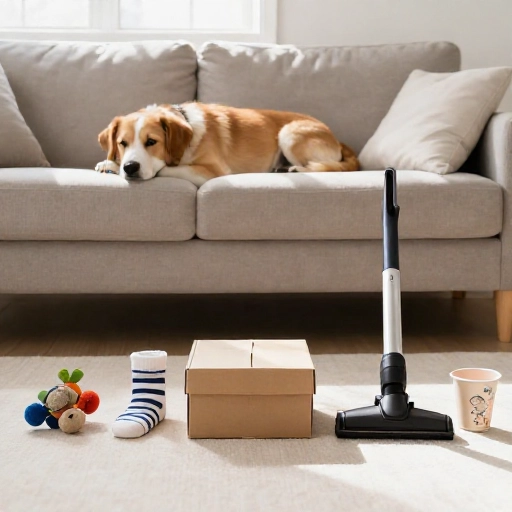
Warning Signs You Might Be Missing
Dogs usually tell us they’re struggling before they snap. The clues are just quiet.
- Lip licking, yawning, or lip smacking
- Whale eye—showing the whites of the eyes
- Stiff body, frozen posture, or tucked tail
- Turning away, hiding, or trying to leave
- Panting when it’s not hot, pacing, or drooling
- Suddenly refusing treats or sniffing the ground intensely
If I see two or more of these signs, I treat it like a yellow light. We create distance and lower the pressure. That’s not giving in—it’s listening.
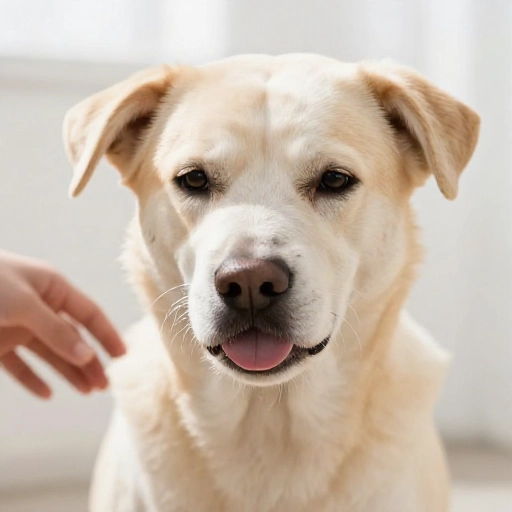
Why Leash Walks Are a Trigger-Stacking Hotspot
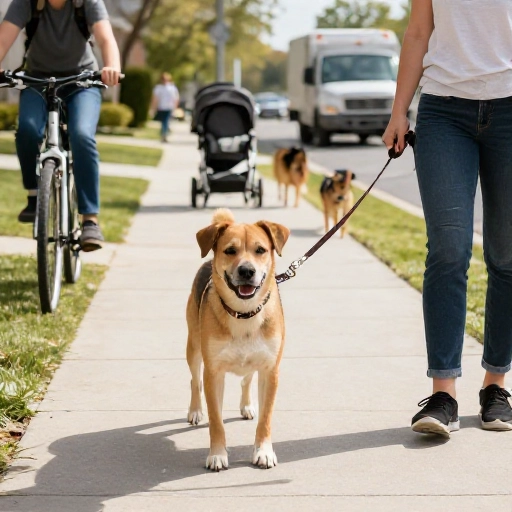
Leash walks can be wonderful, but they also remove choice. Your dog can’t naturally create distance from something scary.
Add tight leash tension, a dog staring from across the street, a runner passing too close, and your own stress traveling down the leash. That’s a stack.
I’ve learned that a “short” walk with three triggers can be more tiring than a long, quiet sniff walk. Quality beats distance every time.
Hidden Layers: Pain, Hormones, and Health
Sometimes the bucket is already half full before the day even starts. Pain is a huge hidden trigger. Dental pain, arthritis, ear infections, and gut issues can all make a dog less tolerant.
Hormones matter too. Adolescence, heat cycles, phantom pregnancies, and senior cognitive changes can shift behavior. So can medications, diet changes, and poor sleep.
If your dog snaps suddenly and it’s out of character, a vet check is my first stop. Behavior is health, and health is behavior.

How to Lower Your Dog’s Stress Load Daily
Prevention is mostly about draining the bucket, not just avoiding triggers.
- Protect sleep. Most adult dogs need 12–14 hours of rest.
- Let them sniff. Sniffing is decompression, not laziness.
- Keep routines predictable when life feels messy.
- Give choices: which way to walk, whether to approach, where to rest.
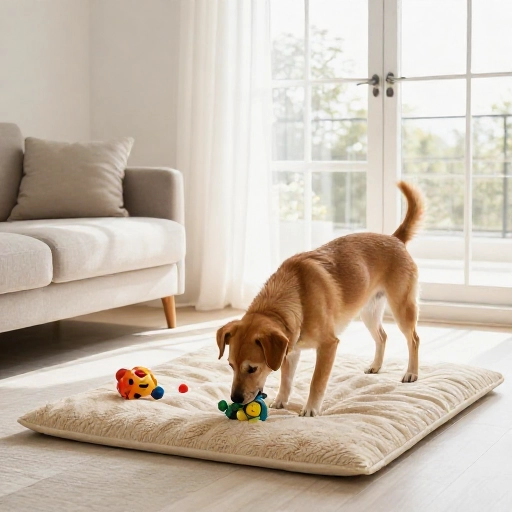
- Use enrichment that lowers arousal, like licking mats, chews, or gentle sniff games.
- Plan “easy days” after big events.
I used to think more training meant more control. Now I know rest, choice, and recovery do more for my dog’s behavior than one more command ever did.
What to Do in the Moment When Your Dog Is Over Threshold
If your dog is already over threshold—barking, lunging, growling, or snapping—the goal is safety and distance, not obedience.
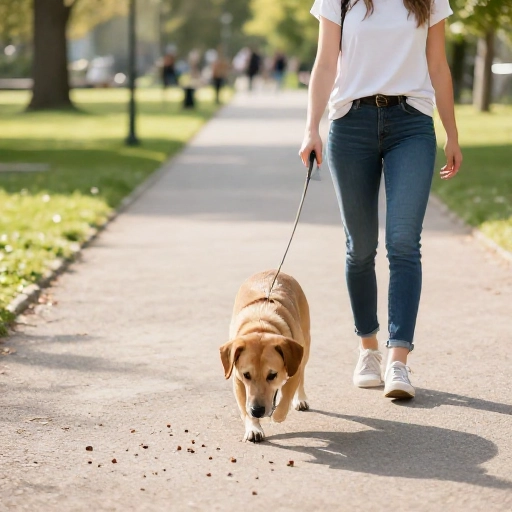
I get us out of there calmly. No yelling, no leash jerks, no punishment. I block the view with my body, turn around, and add space. If I can, I scatter treats behind us to help my dog move away.
Afterward, I give a decompression day. Rest, sniffing, quiet. Then I look at what stacked up and make the next day smaller. The snap was the overflow, not the whole story.
Conclusion: The Snap Is Rarely Out of Nowhere
Trigger stacking helped me stop blaming my dog and start seeing the whole picture. Good dogs don’t snap because they’re bad. They snap because their bucket is full and they don’t have another way to say “I can’t handle this.”
When I track triggers, protect rest, and respect small warnings, the big reactions shrink. You don’t need to be perfect. You just need to notice the stack before it tips over.
FAQ: Trigger Stacking and Dog Reactivity
Q1: Is trigger stacking the same as reactivity?
Not exactly. Reactivity is a pattern of big reactions. Trigger stacking is one reason those reactions happen—the stress cup gets too full.
Q2: Can a dog snap without warning?
Usually there were warnings, but they were subtle or fast. Lip licking, freezing, whale eye, and turning away are common ones I watch for.
Q3: How long does it take for a dog to recover from trigger stacking?
It depends. Some dogs reset in hours, others need a day or two. Stress hormones can linger, so I plan a calmer 24–48 hours after a big event.
Q4: Should I punish my dog for growling?
No. A growl is a warning. Punishing it may stop the warning without removing the stress, which can lead to a snap with less warning next time.
Q5: How do I know if my dog is trigger stacked?
Look for a lower tolerance than usual: more reactions, refusing treats, stiff body, pacing, or recovering slowly from small things. That’s my cue to lower the pressure and add rest.