Safe Fruits and Vegetables for Dogs: A Tasty Treat Guide
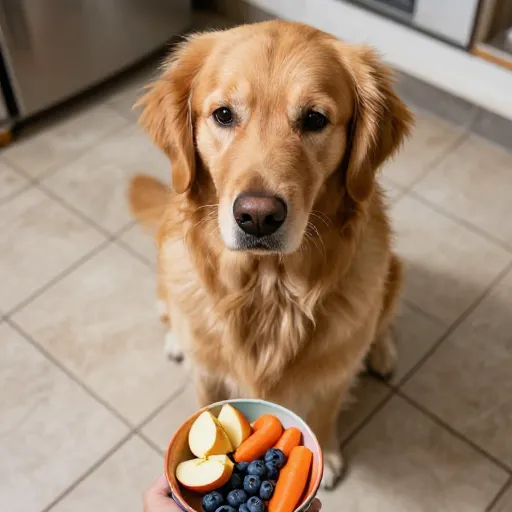
I love sharing a little something special with my pup. It feels good to see those happy eyes when a snack appears. But I also know that not all human food is safe for dogs. Some foods that are healthy for us can actually be dangerous for them.
That’s why I put together this guide. I wanted a simple, go-to list of fruits and vegetables that are not just safe but actually good for dogs. These are treats I feel confident giving, whether as a training reward, a meal topper, or just a little love. Let’s explore the best options for your furry best friend.
Crunchy Apple Slices
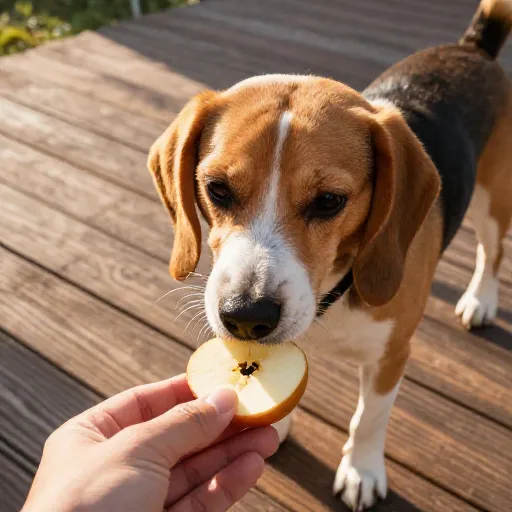
Apples are a classic, and for good reason. They are crisp, sweet, and most dogs love the crunch. The fiber in apples is great for digestion, and the vitamins are a nice bonus.
Just remember to remove the seeds and the core first. Apple seeds contain a tiny amount of cyanide, and the core can be a choking hazard. Slice the apple into small, manageable pieces for your dog.
I like to freeze small apple slices in the summer for a cool, refreshing treat. It’s a super easy way to help my dog cool down on a hot day.
Sweet Baby Carrots
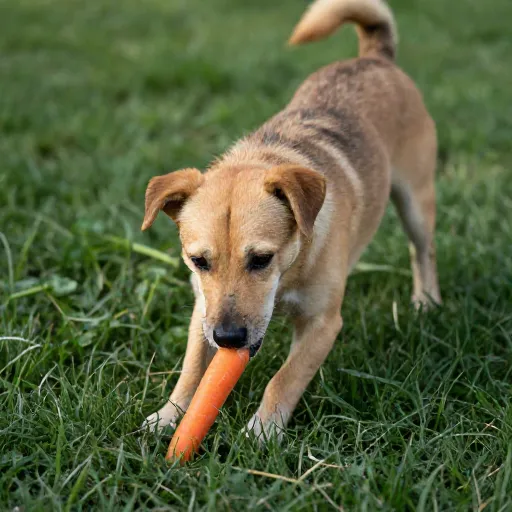
Baby carrots are practically a perfect dog treat. They are low in calories, high in fiber, and have a satisfying crunch that many dogs adore. They are also a great source of vitamin A, which is good for your dog’s vision and immune system.
I often use baby carrots as a low-calorie alternative to store-bought biscuits. They are perfect for training sessions because they are small and easy to carry. Plus, the crunch can actually help scrape away some plaque from your dog’s teeth.
For very small dogs, you might want to cut the carrot into smaller sticks to prevent any choking risk. For most medium to large dogs, a whole baby carrot is just fine.
Cool Cucumber Chunks
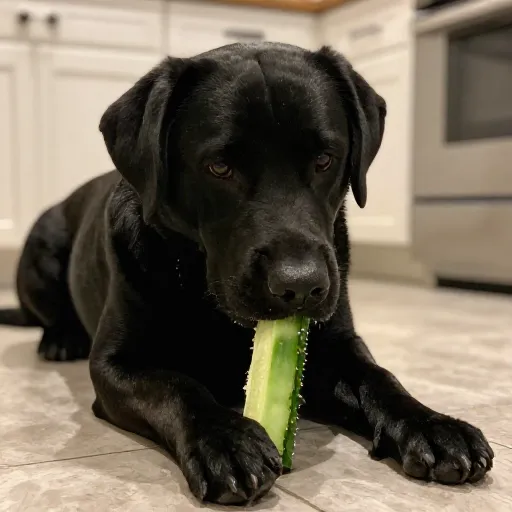
Cucumbers are mostly water, which makes them an incredibly hydrating snack. They are also very low in calories and contain no fat. This is a fantastic option if your dog needs to watch their weight.
I slice cucumbers into rounds or small chunks. They have a mild, refreshing taste that most dogs seem to enjoy. They are especially nice on a warm day when you want to give your dog something cool and light.
You don’t need to peel a cucumber unless you want to. The skin is perfectly safe and adds a bit of extra fiber. Just wash it well first.
Sweet Potato Cubes
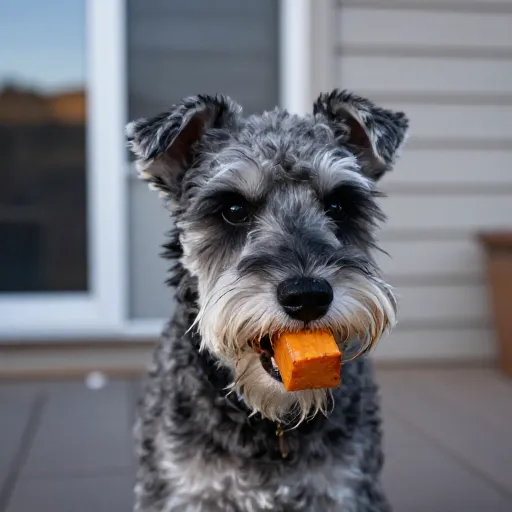
Sweet potatoes are a powerhouse of nutrition. They are packed with vitamin A, vitamin C, and fiber. Many dogs love their naturally sweet, earthy flavor.
Always cook a sweet potato before giving it to your dog. Raw sweet potato can be very hard to digest and can even cause a stomach upset. I like to bake or steam them until they are soft, then cut them into small cubes.
A great trick is to mash a little cooked sweet potato and mix it into your dog’s regular food. It adds moisture and flavor. You can also dehydrate thin slices to make a chewy, homemade dog treat.
Blueberries (A Tiny Superfood)
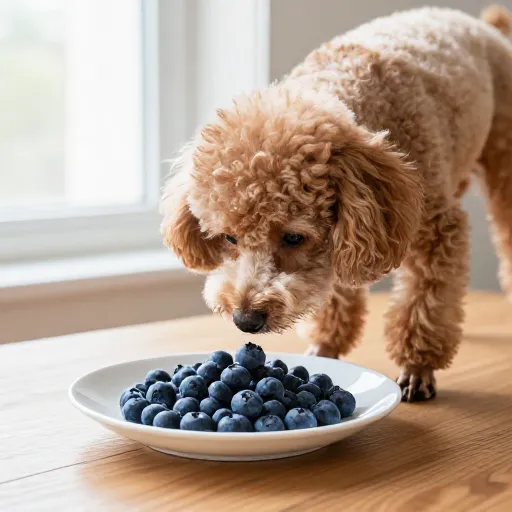
Blueberries are tiny but mighty. These little berries are full of antioxidants, which are great for overall health. They are also low in calories and sugar compared to many other fruits.
Most dogs will happily gobble up a blueberry. I use them as a high-value training treat because they are small and soft. For a fun twist, freeze a few blueberries and give them to your dog one at a time.
Because they are small, they are generally a safe size for most dogs. But if you have a tiny breed, you might want to cut them in half just to be extra careful.
Green Beans (Plain and Simple)
Green beans are another fantastic, low-calorie vegetable. They are full of vitamins and minerals, and they provide a nice crunch. Dogs often enjoy the texture and mild taste.
The most important thing is to serve them plain. No salt, no butter, no oil. Just steamed or raw green beans. I usually snap them into smaller pieces, especially for smaller dogs, to make them easier to eat.
I often keep a bag of frozen green beans in the freezer. A few thawed beans make a great quick snack. They are also a wonderful filler for dogs who need to feel full without extra calories.
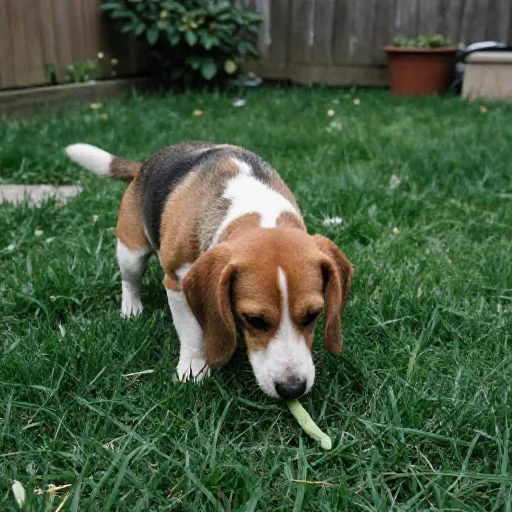
Watermelon (No Seeds, No Rind)
Watermelon is a summer favorite for a reason. It is incredibly hydrating and contains vitamins A, B6, and C. The sweet, juicy taste is something most dogs find irresistible.
You must remove all the seeds and the hard green rind. The seeds can cause intestinal blockage, and the rind is very tough and difficult to digest. Only feed your dog the red, fleshy part.
I cut the watermelon into small, seedless cubes. It’s a perfect treat after a walk or on a hot afternoon. Just be mindful of the sugar content, so keep it as an occasional treat.
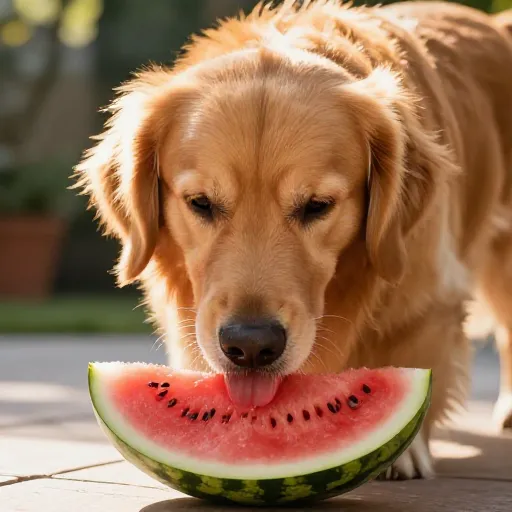
Pumpkin (Plain Canned)
Pumpkin is a miracle food for doggy digestion. Plain, canned pumpkin (not pumpkin pie filling) is rich in fiber. A spoonful can help with both diarrhea and constipation.
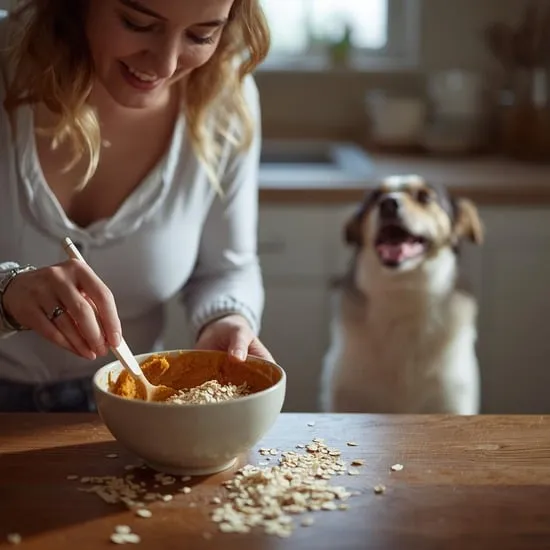
I always keep a can of plain pumpkin puree in my pantry. A small spoonful mixed into my dog’s dinner can work wonders. It’s also a great source of vitamin A and potassium.
Make sure you buy 100% pure pumpkin, not the sweetened pie mix. The added sugar and spices in pie filling can be harmful to dogs. A little bit goes a long way.
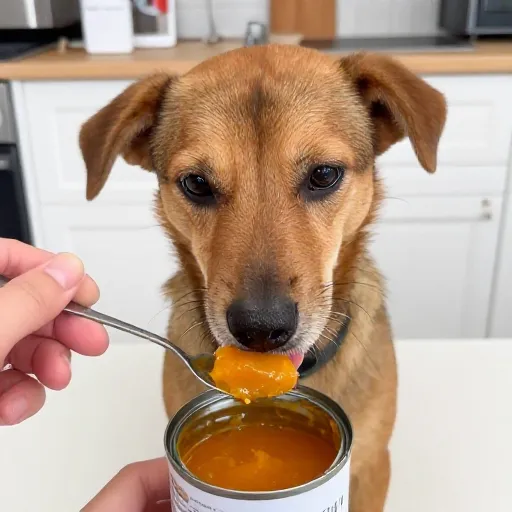
Frozen Peas
Peas are a small, easy, and nutritious snack. They contain vitamins A, B, and K, along with fiber and protein. Most dogs love popping them like little treats.
I use frozen peas, either thawed or still slightly frozen. They are soft enough that they are not a choking hazard. Just like with green beans, make sure they are plain with no added salt or seasonings.
You can sprinkle a few peas on top of your dog’s regular food for a little extra nutrition. They are also great in a homemade dog food recipe. Just keep them as a small part of a balanced diet.

Bananas (In Moderation)
Bananas are a great source of potassium, vitamin B6, and vitamin C. They are also naturally sweet, so dogs usually think they are getting a special dessert.
Because bananas are high in sugar, they should be given in moderation. I only give my dog a few small slices at a time. Too much banana can lead to an upset stomach or weight gain.
I like to mash a little banana and stuff it into a KONG toy before freezing it. It makes for a long-lasting, healthy, and engaging treat. It’s a perfect way to keep your dog busy and happy.
Always peel the banana first. The peel is very difficult for dogs to digest.

Conclusion
Adding fruits and vegetables to your dog’s diet can be a wonderful way to provide extra nutrients, hydration, and variety. I have found that these safe options make my pup so happy without any worry.
Always introduce any new food slowly and in small amounts. Every dog is different, and what works for one might not work for another. If you ever have any concerns, just check with your vet. Happy snacking to you and your furry friend!
Frequently Asked Questions
Can dogs eat grapes or raisins?
No. Grapes and raisins are extremely toxic to dogs and can cause kidney failure. Never give them to your dog, not even one.
Is it safe to give my dog avocado?
It’s best to avoid avocado. It contains a substance called persin, which can be harmful to dogs in large amounts. The pit is also a serious choking hazard.
Can dogs have cooked vegetables?
Yes, many vegetables are easier for dogs to digest when cooked. Just make sure you cook them plainly, without any oil, salt, or seasonings. Steaming is a great method.
How much fruit or vegetables should I give my dog?
Treats, including fruits and vegetables, should only make up about 10% of your dog’s daily diet. The other 90% should be a complete and balanced dog food. A few small pieces a day is plenty.
My dog ate an onion. What should I do?
Onions are toxic to dogs. If your dog has eaten any amount of onion, contact your veterinarian immediately. The same goes for garlic, shallots, and chives.