14 Things You Should Do More Often for Your Cat
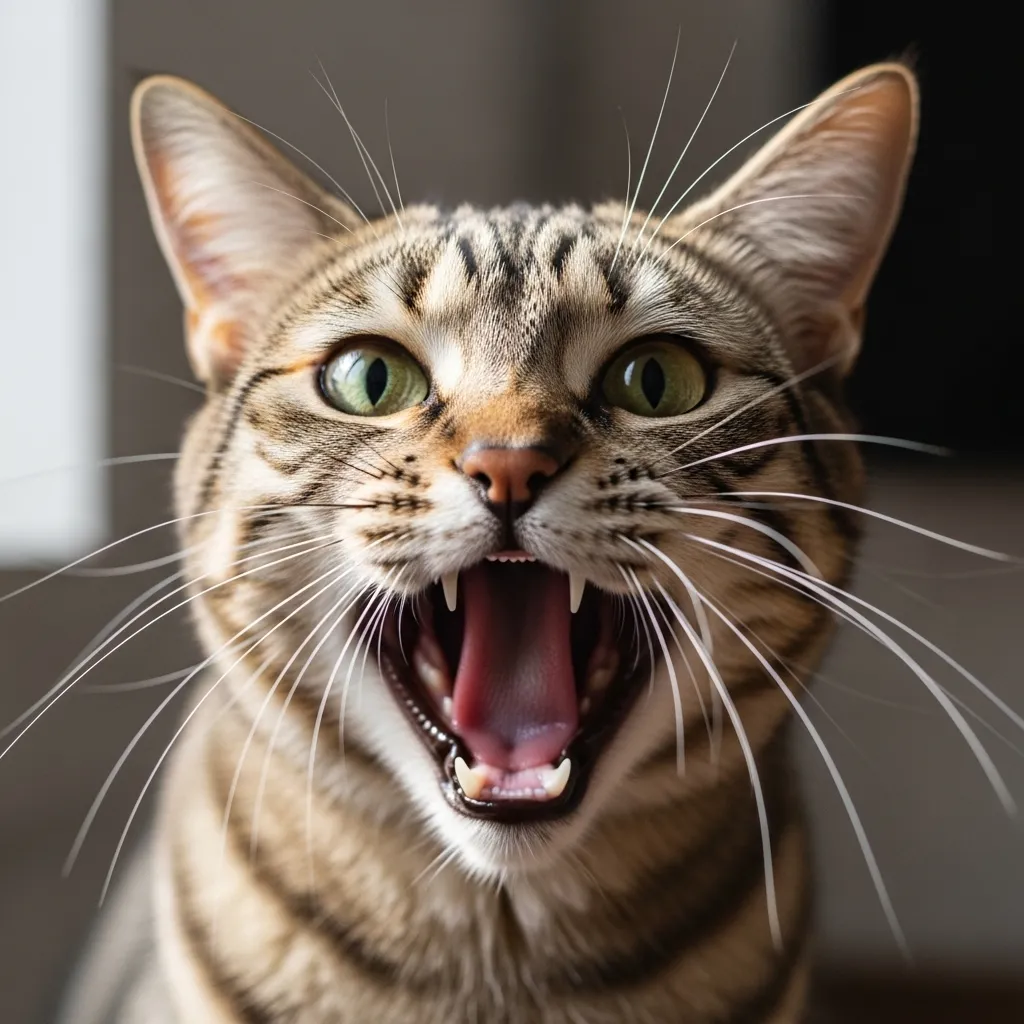
As a cat parent, I’m always looking for ways to make my cat’s life happier and healthier. It’s easy to fall into a routine of just feeding and petting, but our feline friends thrive on a little extra thought and engagement. These small, consistent actions can deepen your bond and significantly improve their well-being.
This list isn’t about grand gestures, but about the simple, often-overlooked things that make a big difference. From mental stimulation to physical care, here are 14 things I try to do more often for my cat, and you might want to try, too.
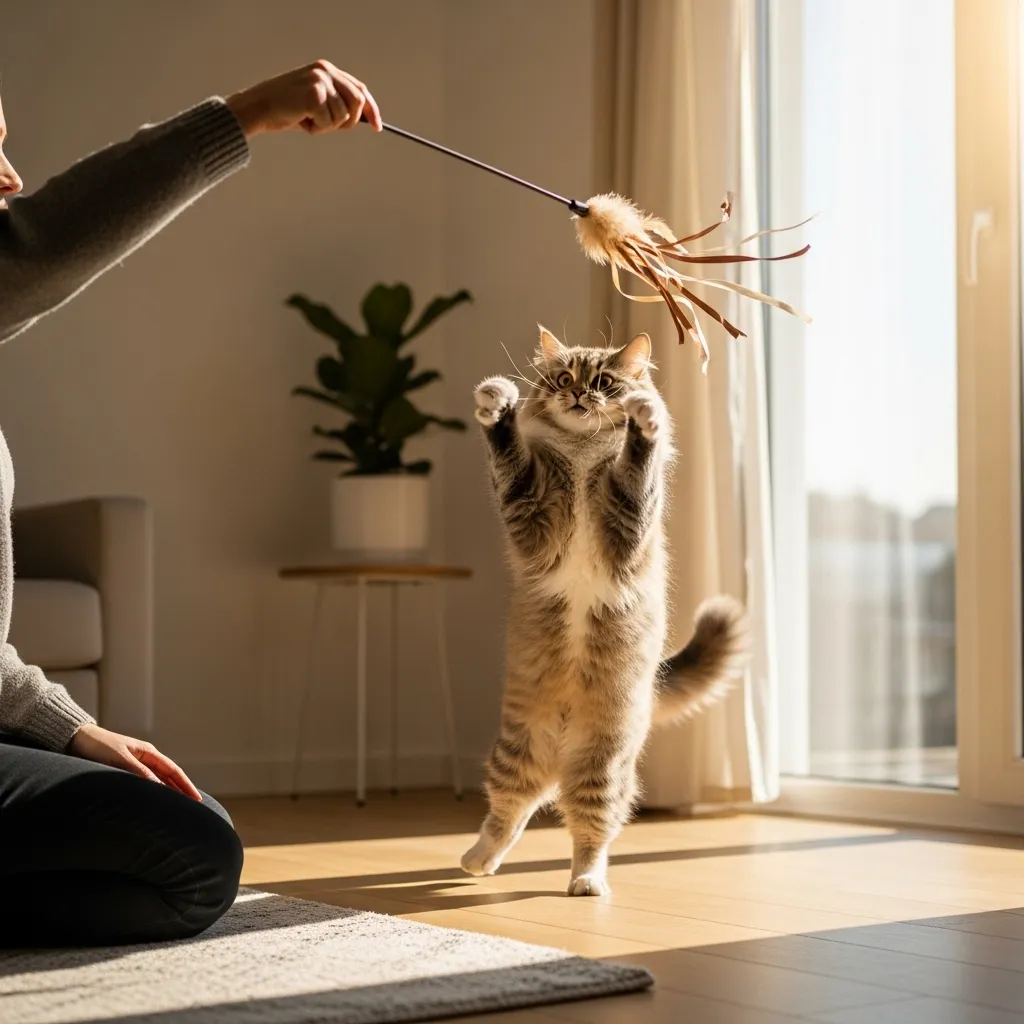
1. Have a Dedicated Play Session
Don’t just wiggle a toy for a minute. I set a timer for 10-15 minutes and engage in intense, interactive play that mimics hunting. Use a wand toy to make it “run” and “hide” to trigger their natural stalking instincts.
This daily ritual does more than burn energy. It prevents boredom, reduces potential behavior issues, and provides essential mental stimulation. A tired cat is a happy, well-behaved cat.
2. Brush Them (Even Short-Hairs)
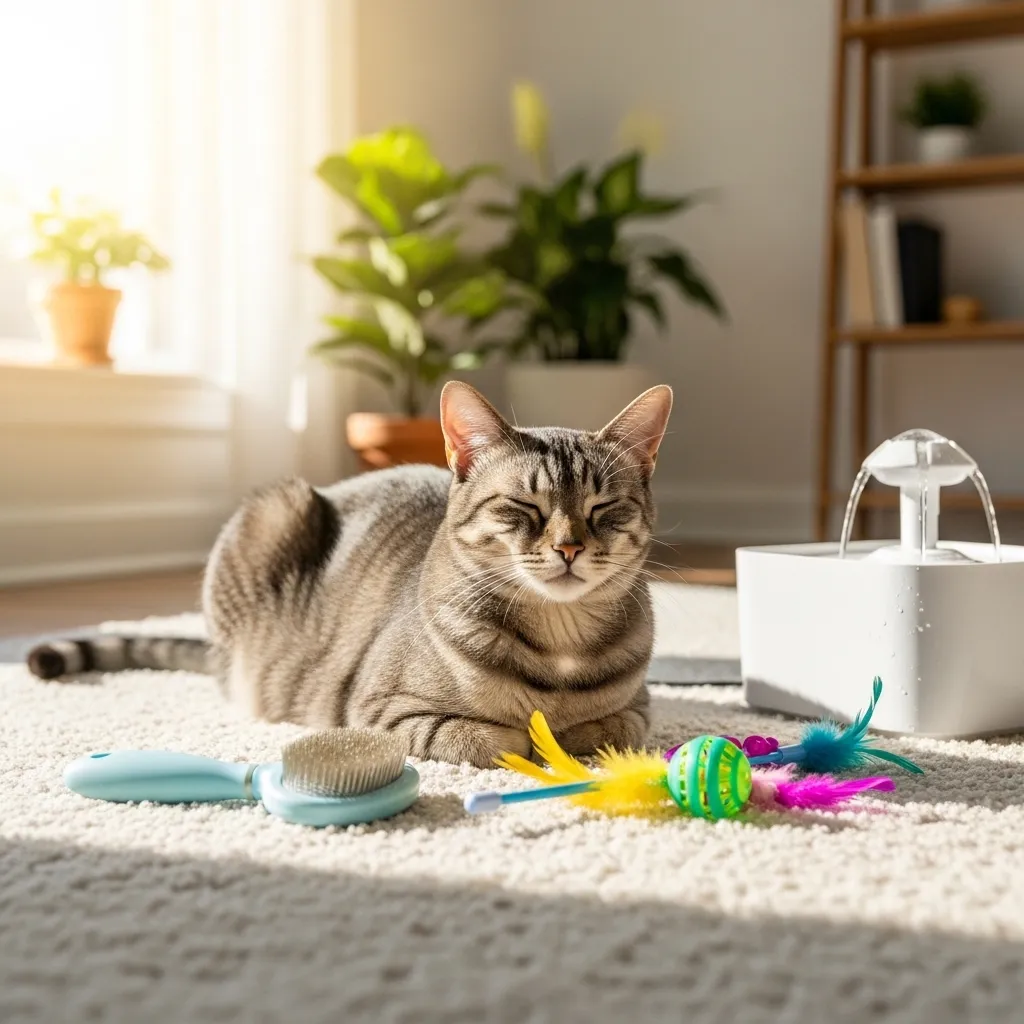
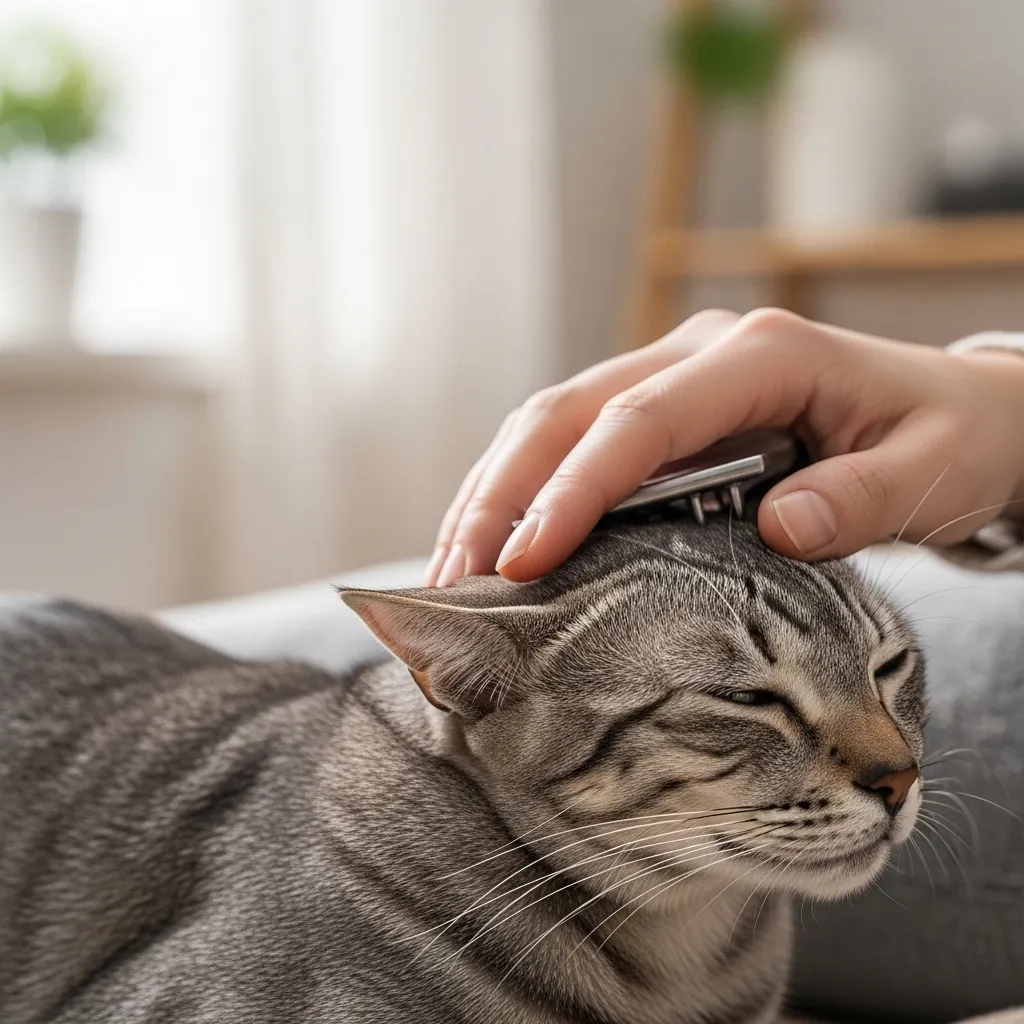
Brushing isn’t just for long-haired beauties. I make it a point to brush my short-haired cat a few times a week. It removes loose fur, distributes healthy skin oils, and gives me a chance to check for any bumps or parasites.
Most cats find it incredibly soothing. It’s our special grooming bonding time. Start slow with a soft brush and keep sessions short and positive.
3. Refresh Their Water
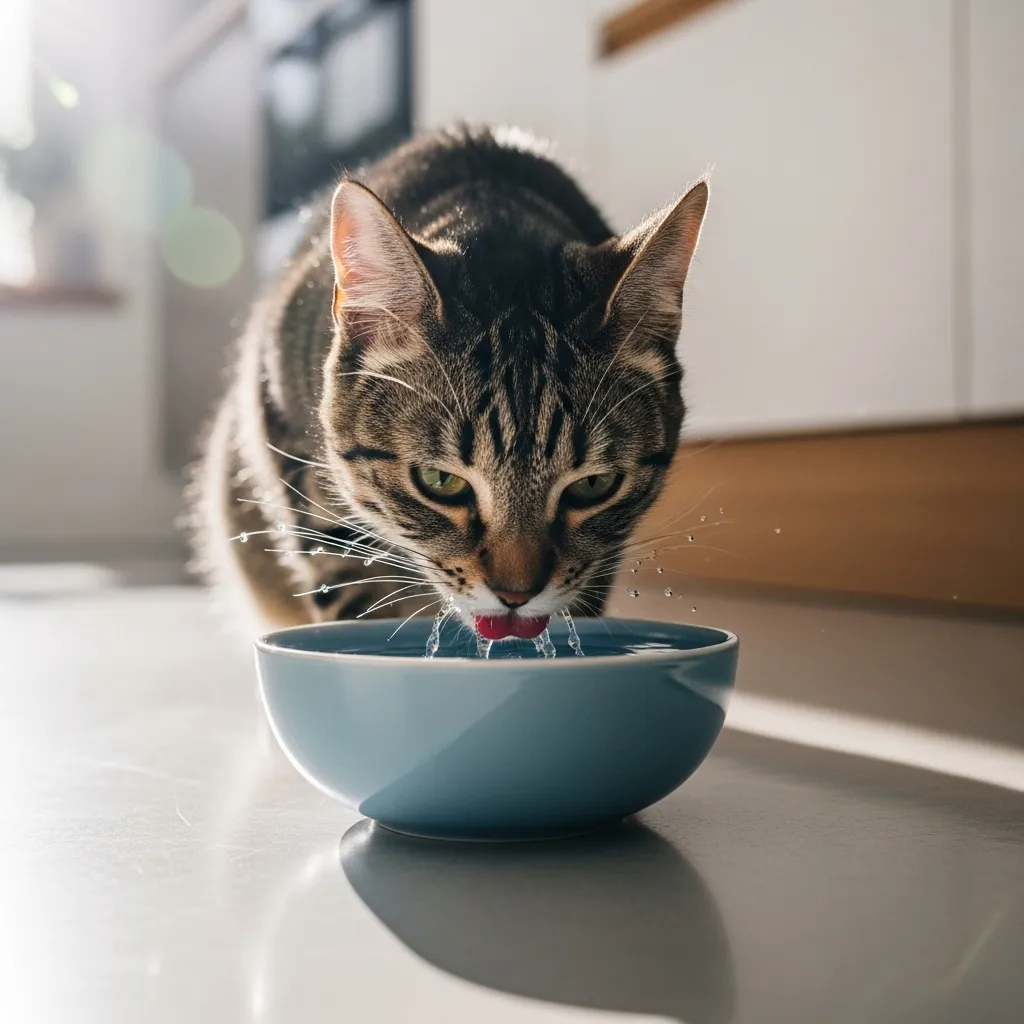
Cats often prefer fresh, moving water. I don’t just top off the bowl; I wash it and fill it with completely fresh water every single day. Stagnant water can collect dust and lose its appeal.
Consider trying a cat water fountain. The sound and movement encourage them to drink more, which is crucial for their kidney and urinary tract health.
4. Create New High Vantage Points
Cats feel safe and in control when they can survey their kingdom from above. I recently added a simple wall shelf by a window, and it instantly became her favorite spot.
Look at your space vertically. A cat tree by a window, a cleared-off bookshelf, or even a sturdy chair pushed near a sill can create a perfect perch. Rotate access to different high spots to keep it interesting.
5. Talk to Them in a Soft Voice
I make a conscious effort to talk to my cat throughout the day in a calm, gentle tone. I tell her about my work, ask her how her nap was, or just give a quiet “good morning.”
They may not understand the words, but they absolutely understand the tone and the attention. It reinforces your connection and makes them feel included in your daily life.

6. Introduce Puzzle Feeders
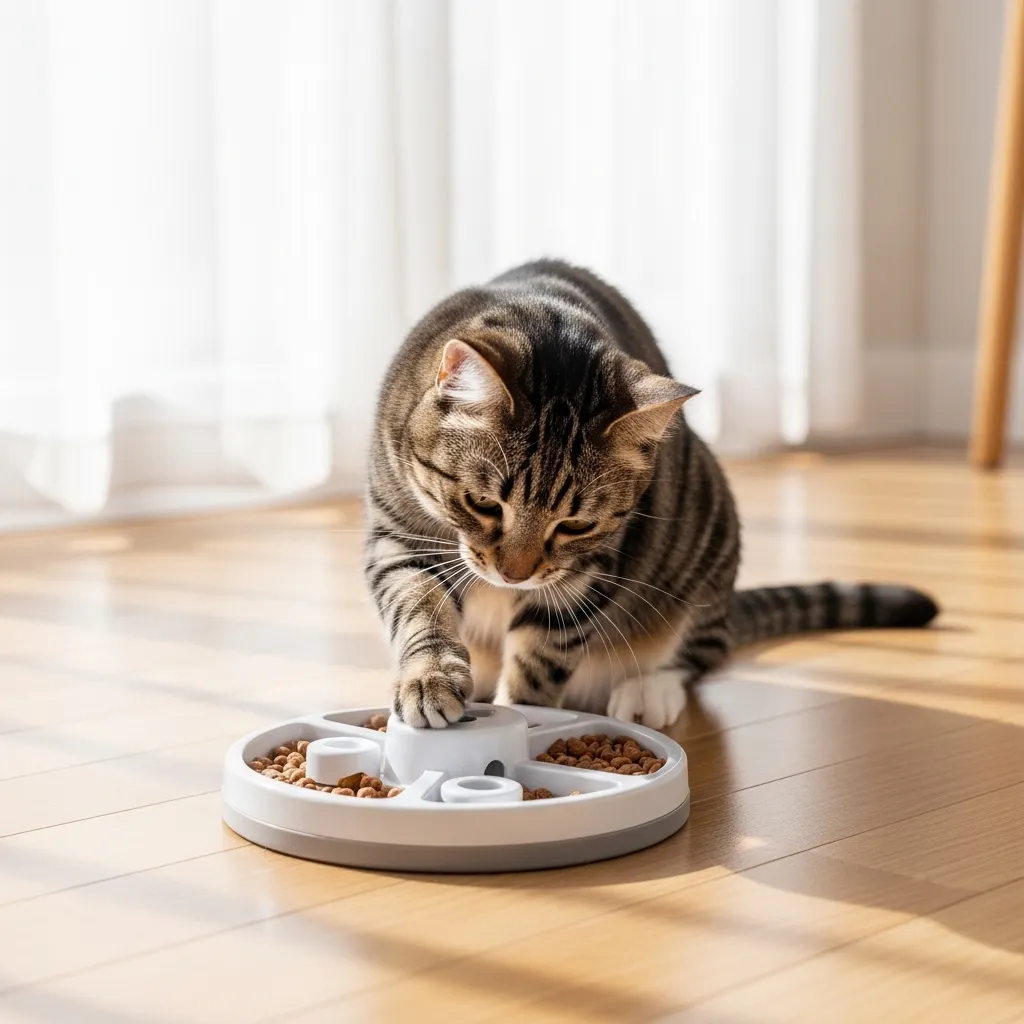
Instead of pouring kibble into a bowl, I use puzzle feeders for at least one meal a day. These are toys that make them work for their food, using their paws and brains to get the kibble out.
It turns mealtime into a engaging activity that satisfies their natural foraging instinct. It slows down fast eaters and provides excellent mental exercise. You can even make simple DIY versions with a muffin tin and some balls.
7. Do a Gentle Nail Check & Trim
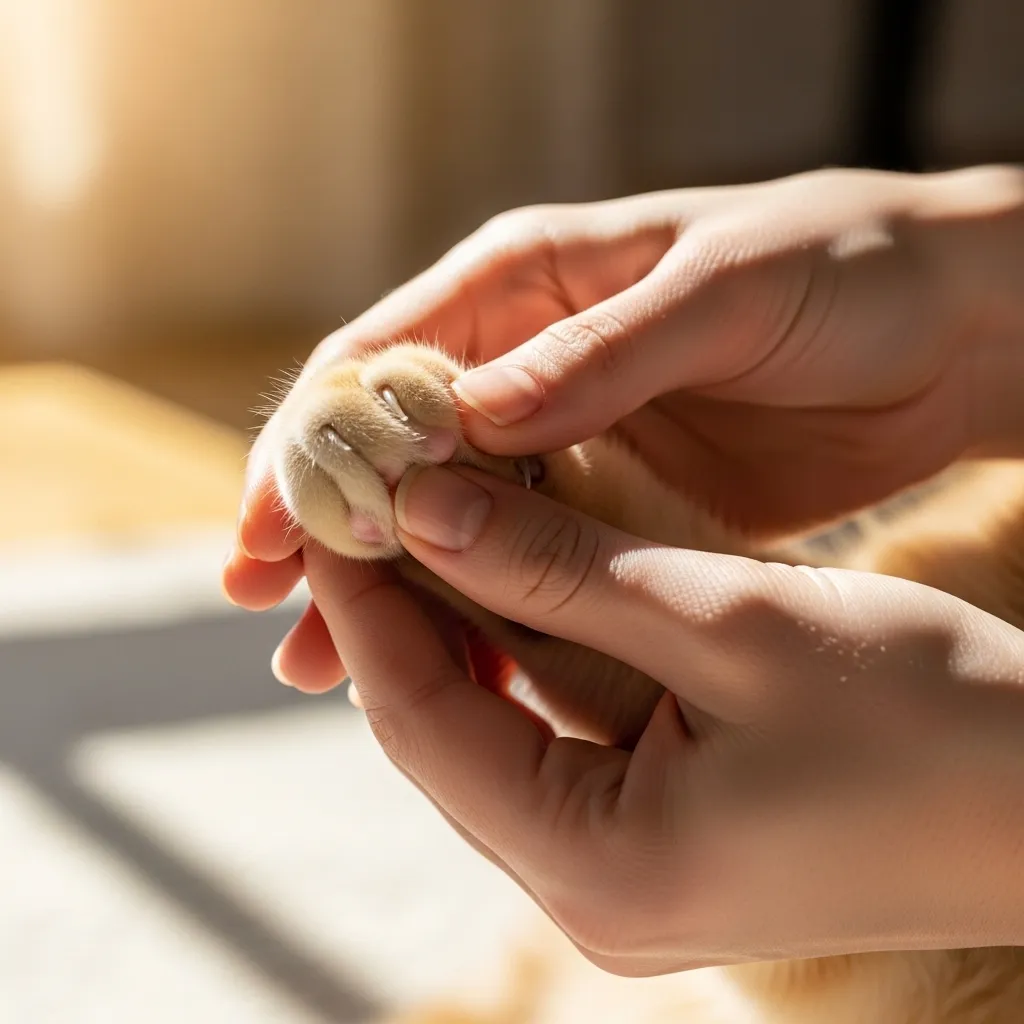
Every week or two, I get my cat used to having her paws handled. I gently press her paw to extend the claws and check their length. If they’re getting sharp, I’ll trim just the very tip with proper clippers.
The key is doing this when she’s super relaxed, like after a meal or a play session. Pair it with treats and keep it positive. Regular trims protect your furniture and prevent nails from growing into their pads.
8. Offer Cat-Safe Greens
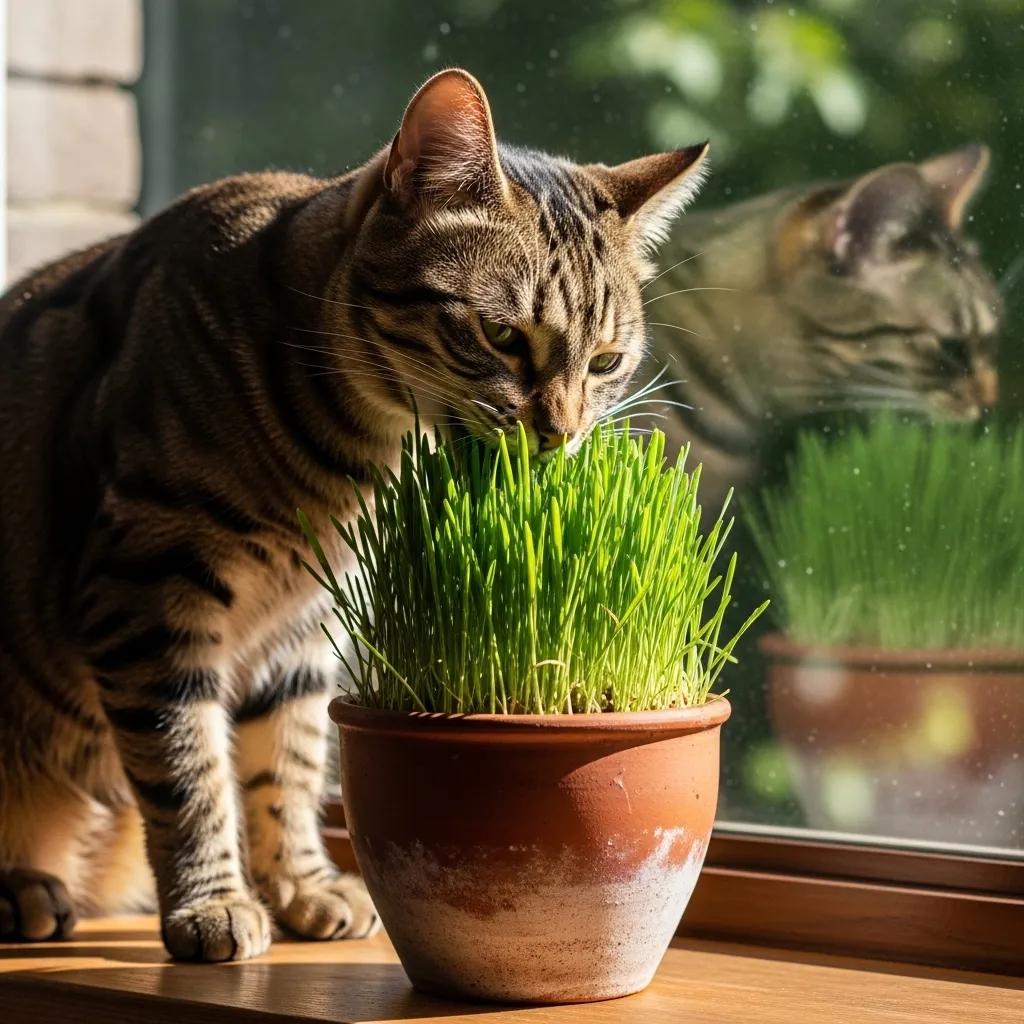
Many cats enjoy chewing on grass or greens. I grow a small pot of cat grass (wheatgrass or oat grass) on my windowsill. It’s a safe outlet for their chewing habit and can aid with digestion and hairballs.
It provides enrichment and a taste of the outdoors. Just be sure any plants you offer are verified non-toxic for cats.
9. Change Up Their Toy Rotation
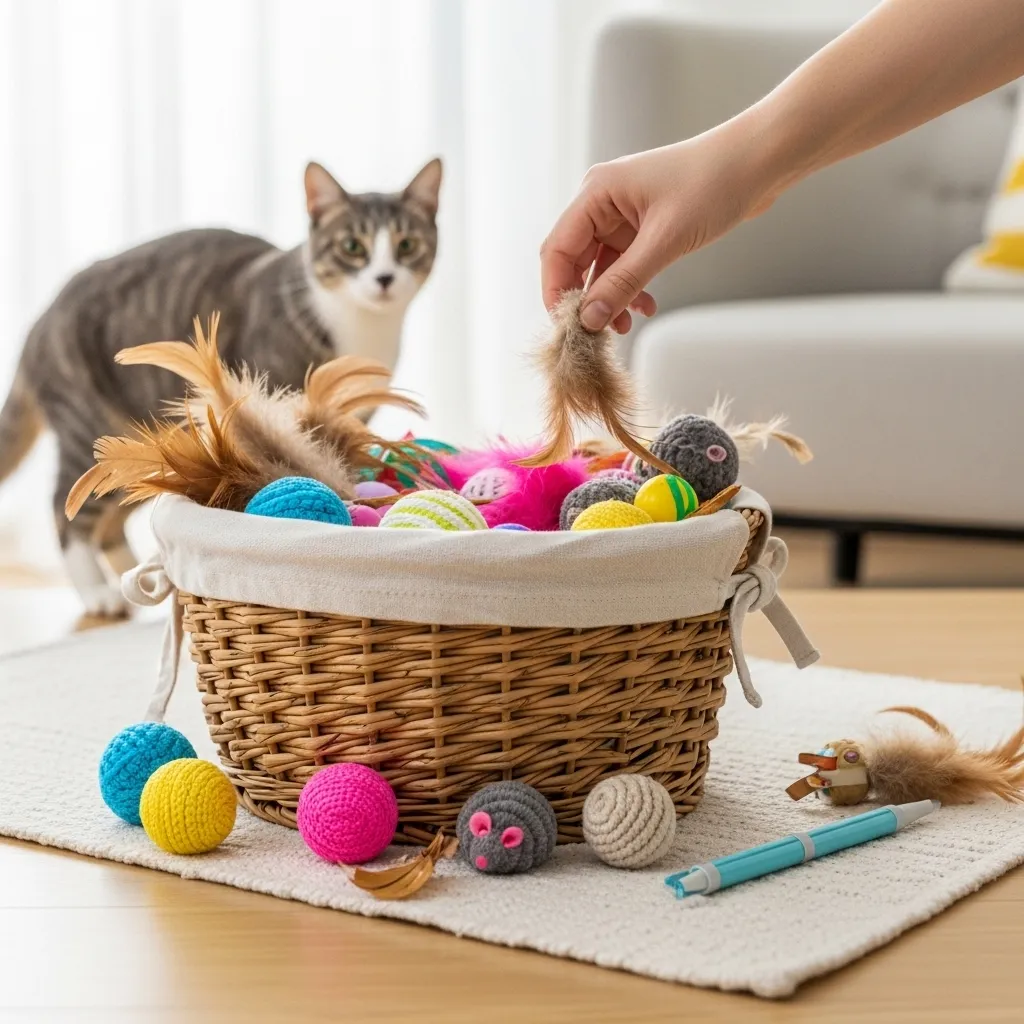
I keep a box of my cat’s toys and only put out 3-4 at a time. Every few days, I “rotate the stock,” putting some away and bringing out “new” ones from the box.
This simple trick makes old toys exciting again! Cats can get bored with the same objects, so this novelty keeps their environment stimulating without buying new things constantly.
10. Practice Carrier Positivity
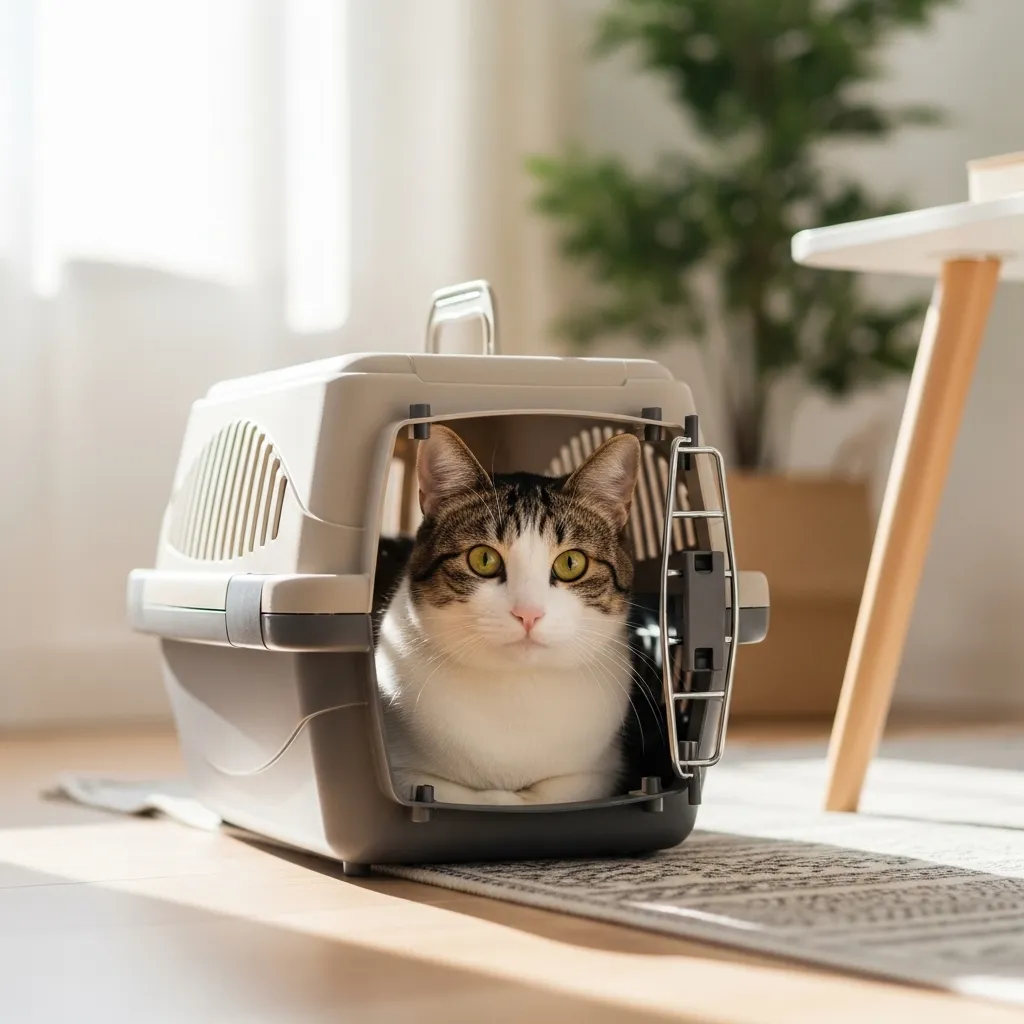
The carrier shouldn’t only appear for vet visits. I leave mine out in a common area with a soft blanket inside. Sometimes I’ll toss a treat or a favorite toy in there.
The goal is for my cat to see it as a safe, normal part of her space, not a scary box. This makes trips so much less stressful for everyone involved.
11. Give Them a View
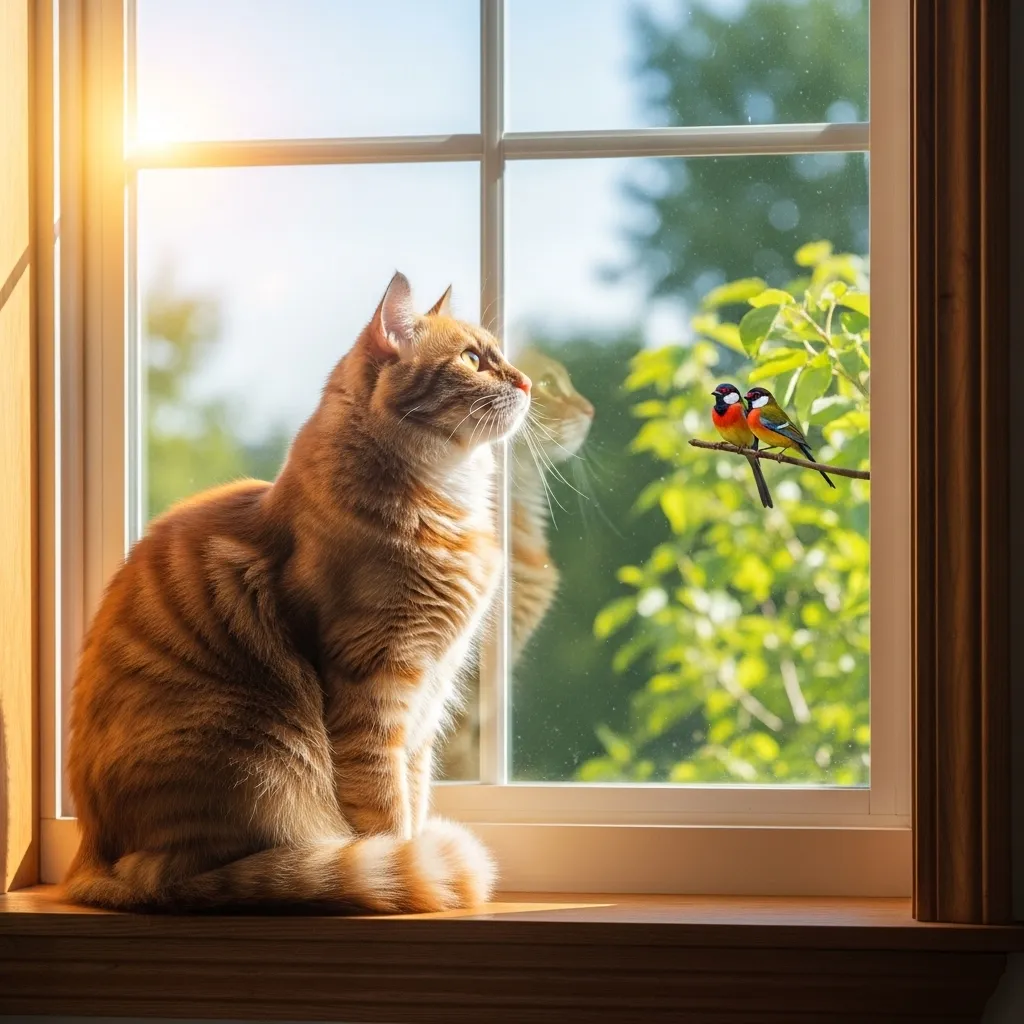
A window is cat TV. I ensure her favorite perches have a clear view outside. I might even set up a bird feeder at a safe distance in a tree to provide “entertainment.”
Watching birds, squirrels, and leaves blowing is fantastic mental stimulation. If you don’t have a good window, nature documentaries for cats on a tablet can be a fun alternative.
12. Respect the “Slow Blink”
I practice communicating love in cat language. When my cat is relaxed and looking at me, I slowly close my eyes and open them, holding them closed for a moment. This is a “cat kiss,” a sign of trust and affection.
Often, she’ll slow blink back! It’s a beautiful, quiet way to say “I love you and feel safe with you.” Do this more often to strengthen your silent bond.

13. Check Their Litter Box Setup
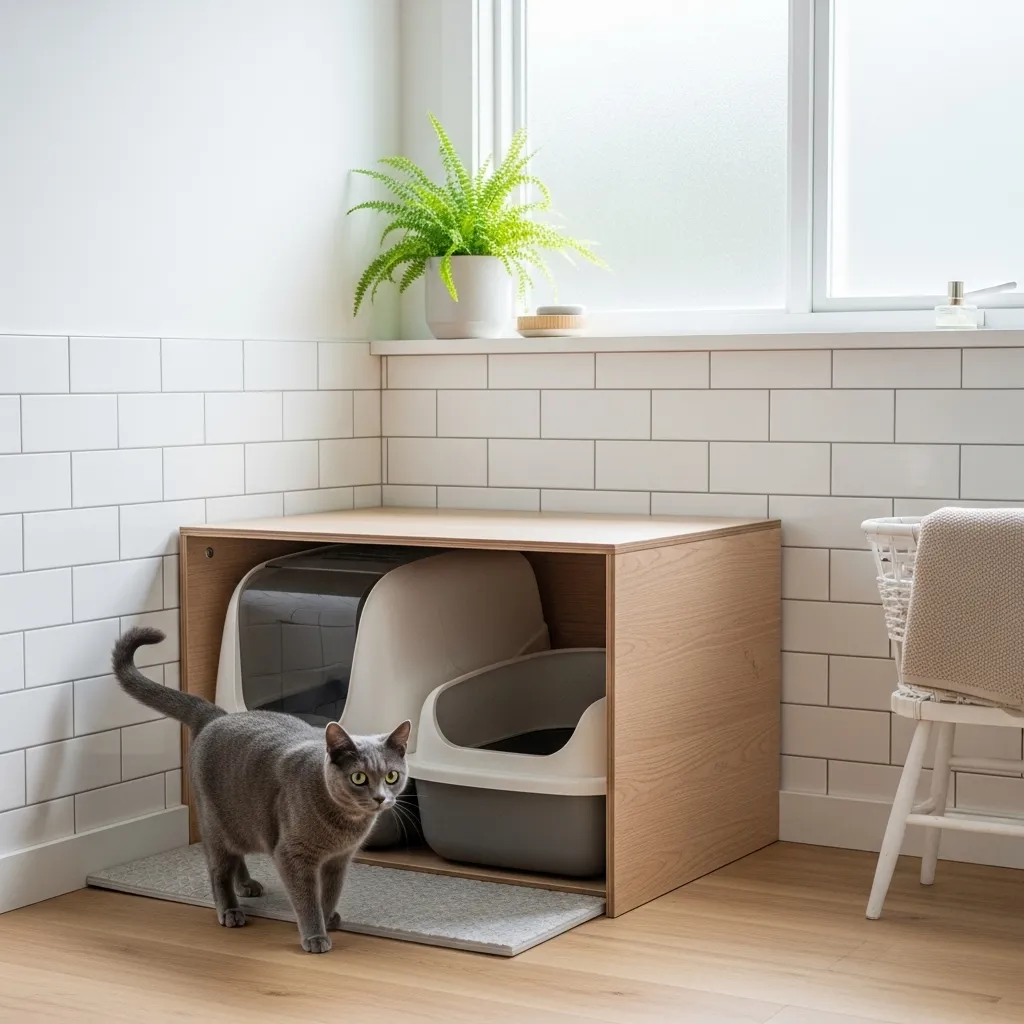
Once a week, I do more than scoop. I do a full check: Is the box in a quiet, low-traffic area? Is it big enough for her to turn around comfortably? Is there just one box (I should have two for one cat)?
The rule is one box per cat, plus one extra. Location, size, and cleanliness are the biggest factors in litter box satisfaction. A quick environmental check prevents problems before they start.
14. Just Sit in Quiet Companionship
Sometimes, the best thing I can do is simply be present. I’ll sit on the floor with a book or my laptop and let her approach me on her terms. No forcing pets, just offering calm availability.
This allows her to seek affection when she wants it and teaches her that my presence is always safe and peaceful. It’s a powerful way to build mutual trust.

Conclusion
Incorporating even a few of these ideas more often can transform your cat’s daily life from mundane to enriching. It’s not about perfection, but about mindful moments. When we pay attention to their natural instincts and needs, we build a deeper, happier relationship with our fascinating feline companions.
FAQs
Q: How long should I play with my cat each day?
A: Aim for two 10-15 minute interactive play sessions. This mimics natural hunt-eat-groom-sleep cycles.
Q: My cat hates being brushed. What can I do?
A: Start very short! Try just 3 strokes with a super soft brush, followed immediately by a high-value treat. Gradually increase time as they build positive associations.
Q: Is a water fountain really worth it?
A: For many cats, yes. The moving water is more appealing and encourages hydration, which is key for long-term health. Start with a simple, quiet model.
Q: What if my cat doesn’t use the high perches I create?
A: Make them more enticing! Place a favorite blanket or treat there. Sometimes placing them near family activity (but not in the way) makes them more appealing than a lonely corner.
Q: Can I use human nail clippers on my cat?
A: It’s not recommended. Use clippers designed for cats or small animals. They are shaped to see the quick (the pink sensitive part) and make a clean cut without splintering the nail.