7 Simple Ways to Prevent Yeast Overgrowth in Dogs (Natural & Vet-Approved)
If your dog has ever kept you up at night scratching, licking their paws, or leaving that funky corn chip smell on the couch, you already know how frustrating yeast issues can be. I’ve been there with my own pup, and after months of trial and error, I learned that prevention is truly the best medicine.
Yeast overgrowth in dogs usually happens when something throws off their natural balance—diet, environment, or even stress. The good news? With a few simple daily habits, you can keep that yeast in check. No complicated protocols, just real changes that work.
Here are seven practical ways to prevent yeast overgrowth in your dog. These tips are gentle, natural, and backed by what I’ve seen work in real life.
1. Feed a Low-Carb, Grain-Free Diet
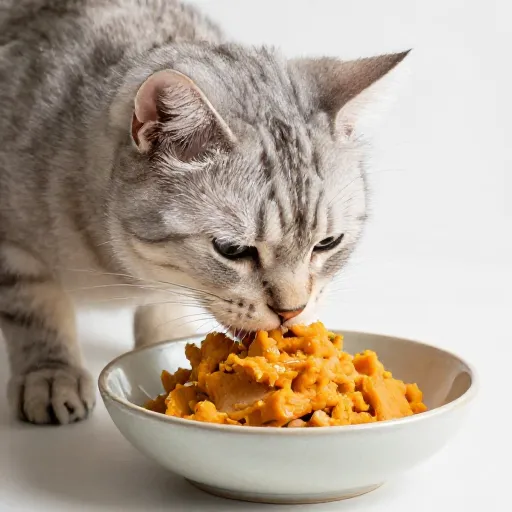
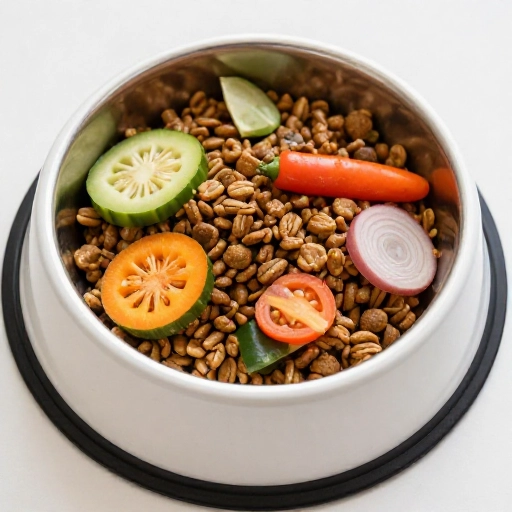
Yeast feeds on sugar and carbohydrates. When your dog eats kibble loaded with fillers like corn, wheat, or rice, you’re basically setting a banquet for yeast. I switched my dog to a grain-free, low-carb diet and saw a difference in less than two weeks.
- Look for high-protein, low-carb options with real meat as the first ingredient.
- Avoid starchy vegetables like potatoes and peas in large amounts.
- Consider raw or gently cooked diets if your vet agrees—they naturally cut out excess sugars.
Keeping your dog’s diet clean is the single most powerful prevention tool I’ve found.
2. Add Probiotics and Fermented Foods
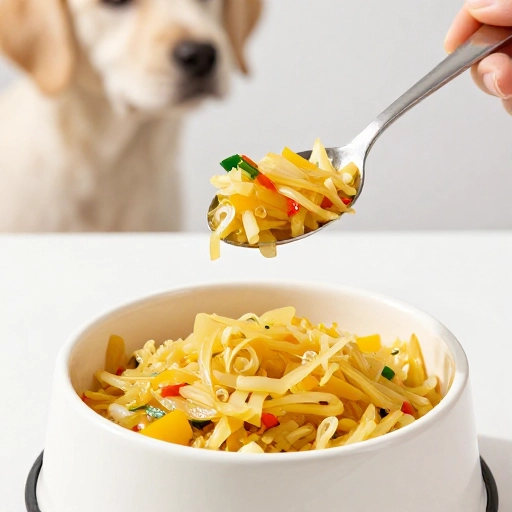
Probiotics are the unsung heroes of gut health. A healthy gut microbiome crowds out yeast before it can take over. I add a spoonful of plain, unsweetened kefir or a canine-specific probiotic powder to my dog’s meal every morning.
- Choose fermented vegetables like sauerkraut or kimchi (rinsed to remove excess salt).
- Look for probiotics with multiple strains, especially Lactobacillus and Bifidobacterium.
- Start slowly—too much too fast can cause loose stools.
You’ll often notice better digestion and fresher breath within days.
3. Keep Ears Clean and Dry
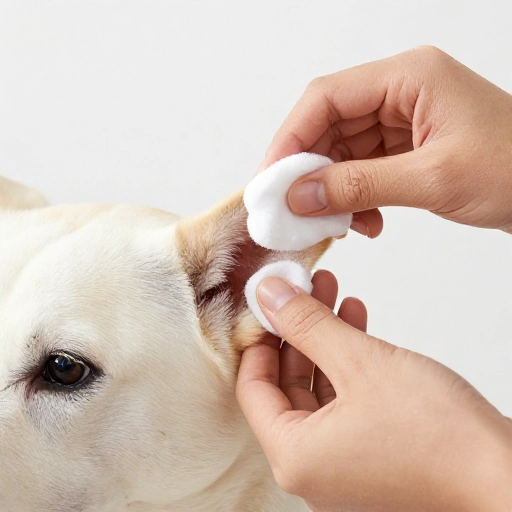
Yeast loves warm, dark, moist places—and your dog’s ears are the perfect home. I clean my dog’s ears weekly with a gentle, alcohol-free ear cleaner. It’s a quick habit that prevents that yeasty, waxy buildup before it starts.
- Use cotton balls, not Q-tips, to avoid pushing debris deeper.
- Dry ears thoroughly after baths or swimming.
- If your dog already has signs of infection (redness, odor, head shaking), see your vet first.
Consistency here saves you from expensive vet visits later.
4. Maintain Healthy Skin with Omega-3s
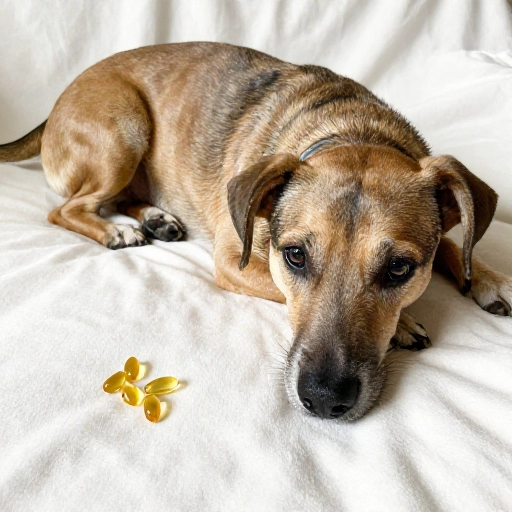
Omega-3 fatty acids are amazing for reducing inflammation and strengthening the skin barrier. When your dog’s skin is healthy, yeast has a harder time gaining a foothold. I add fish oil or a high-quality algae supplement to my dog’s food daily.
- Salmon oil, krill oil, or green-lipped mussel powder are great options.
- Look for products with EPA and DHA specifically.
- You can also feed sardines (packed in water, no salt) as a tasty treat.
Shinier coat, less itching, and fewer yeast flare-ups—it’s a win-win.
5. Dry Your Dog Thoroughly After Baths and Walks
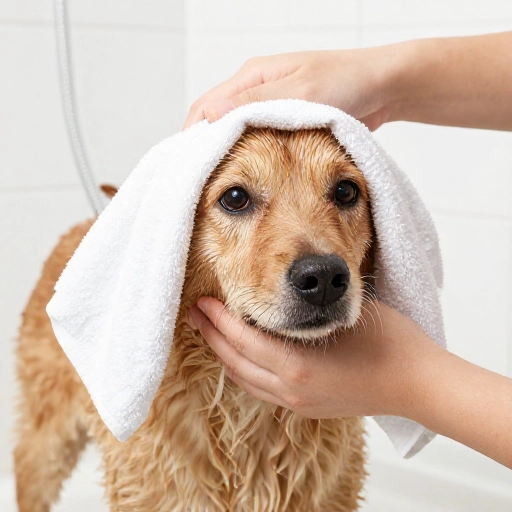
This one seems too simple, but it works. Yeast thrives in dampness, especially between paw pads and in skin folds. I always dry my dog’s paws, belly, and armpits with a clean towel after rainy walks or baths.
- Use a microfiber towel that absorbs quickly.
- For dogs with heavy coats, a low-heat blow dryer helps reach the undercoat.
- Check between toes—moisture hides there easily.
A few extra minutes of drying can prevent weeks of itching.
6. Avoid Unnecessary Antibiotics and Steroids
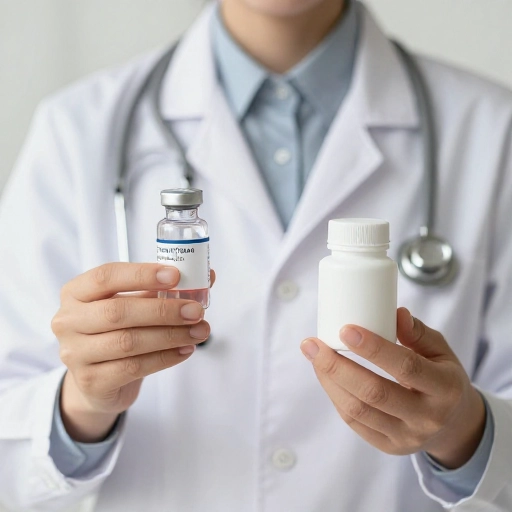
Antibiotics kill off good bacteria along with the bad, leaving room for yeast to overgrow. Steroids suppress the immune system, making it harder for your dog to fight off yeast naturally. I always ask my vet if there’s a non-antibiotic alternative before starting treatment.
- If your dog needs antibiotics, pair them with a high-quality probiotic.
- Discuss natural anti-inflammatories like turmeric or CBD oil for minor issues.
- Never stop prescribed medication without your vet’s guidance.
Being proactive about your dog’s medication history is a huge prevention win.
7. Use Gentle, Natural Grooming Products
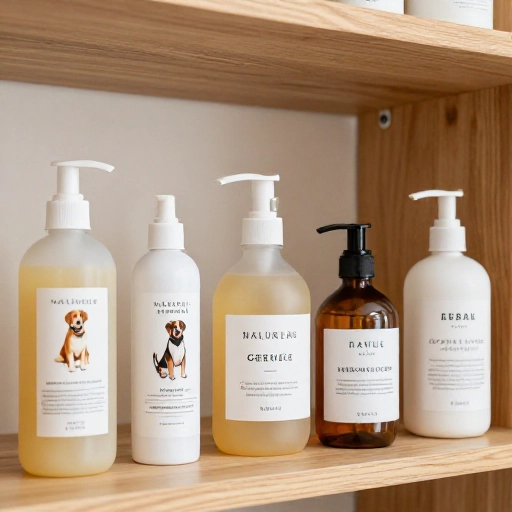
Harsh shampoos strip the skin of its natural oils and disrupt the pH balance, making it easier for yeast to grow. I switched to an oatmeal-based, antifungal shampoo with tea tree oil (very diluted) or apple cider vinegar rinses.
- Look for shampoos labeled “pH balanced for dogs.”
- Avoid products with artificial fragrances or sulfates.
- You can also use a diluted apple cider vinegar spray (1 part vinegar to 3 parts water) as a leave-on conditioner.
Your dog’s skin will thank you with fewer hot spots and less odor.
Conclusion
Preventing yeast overgrowth in dogs isn’t about one magic trick—it’s about creating a daily routine that supports their natural defenses. Diet, hygiene, and mindful choices all add up to a happier, itch-free pup. Start with one or two changes that feel manageable, and build from there. Your dog will let you know when they’re feeling better.
FAQ: Yeast Overgrowth Prevention in Dogs
1. Can yeast overgrowth be cured completely?
Yes, with consistent prevention, many dogs stay yeast-free long-term. But if the underlying cause (like allergies or gut imbalance) isn’t addressed, it can return.
2. How do I know if my dog has yeast or allergies?
Yeast often causes a sweet or “corn chip” smell, greasy skin, and brown discharge in ears. Allergies look more like red, watery eyes and sneezing. A vet can help differentiate.
3. Is apple cider vinegar safe for daily use?
Diluted ACV is safe for topical use, but never give it undiluted internally. Always consult your vet before adding it to your dog’s water or food.
4. Can diet alone prevent yeast overgrowth?
Diet is the foundation, but it works best alongside good hygiene, probiotics, and stress management. It’s a team effort.
5. How long does it take to see improvement?
Many owners notice less itching and odor within 1–3 weeks of starting prevention habits. Full balance can take a couple of months.