15 Reactive Dog Training Tips That Work Fast (Calm Walks in Weeks!)
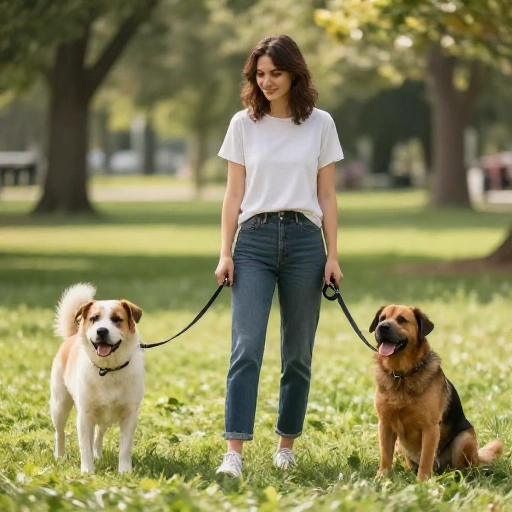
I still remember the first time my dog lunged at another pup on a walk. My face burned. I wanted to disappear. If you’re nodding right now, you’re in the right place. I’ve spent months testing what actually works for reactive dogs—not the fluffy advice, but the stuff that shows results fast.
Reactive dogs aren’t bad. They’re scared, frustrated, or overstimulated. The good news? You can change the pattern quicker than you think. These 15 tips are my go-to game plan. I use them with my own dog, and I’ve seen tails relax and barks quiet down.
Grab a treat pouch and a patience hat. Let’s dive in.
1. Start With Distance, Not Greetings
Every reactive dog has a threshold. That’s the invisible line where they can still think. Cross it, and boom—barking, lunging, spinning. Your first job isn’t to say hi. It’s to stay far enough away that your dog notices the trigger but doesn’t explode.
I like to start at 50 feet, maybe more. If your dog won’t take a treat, you’re too close. Move back until they can eat and look at you. That distance is your training zone. It feels slow, but it’s actually the fastest way to build calm.
2. Play the “Look at That” Game
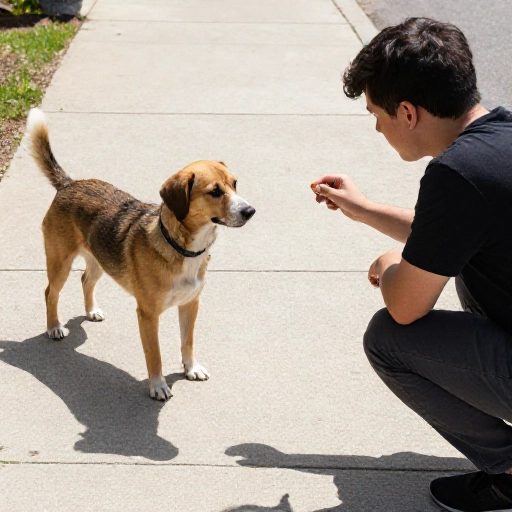
This is my favorite trick. When your dog spots another dog or person, mark the moment they look (say “yes!”) and reward. You’re teaching them that seeing a trigger predicts a treat, not a threat.
Do it at a distance where they’re comfortable. Soon, your dog will glance at the trigger and then whip their head back to you. That head turn is gold. It means they’re choosing to disengage instead of react.
3. Use High-Value Treats Only
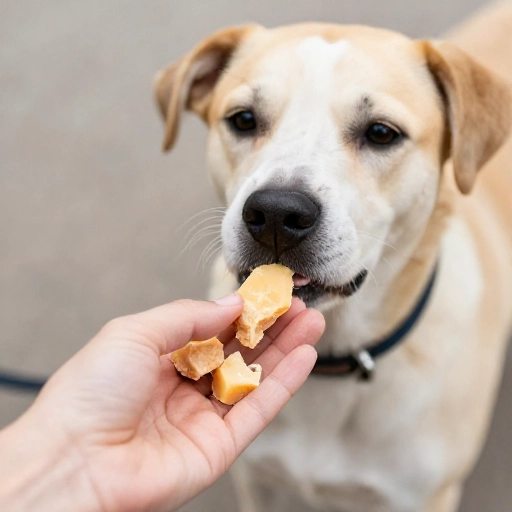
Kibble won’t cut it when your dog is stressed. You need the good stuff: boiled chicken, cheese cubes, hot dog bits. I call these “emergency treats” because they can pull your dog’s brain back online.
Keep them small and smelly. When your dog is in a reactive moment, you want a treat that shouts “look at me!” not a boring biscuit. Save the fancy stuff for walks and triggers.
4. Keep Training Sessions Super Short
Five minutes is plenty. Ten is max. Reactive dogs burn mental energy fast. If you push too long, you’ll both get frustrated. I set a timer and stop while my dog still wants more.
Short sessions also mean you can practice multiple times a day. Three five-minute walks beat one exhausting hour. Quick, happy, done—that’s the motto.
5. Master the Emergency U-Turn
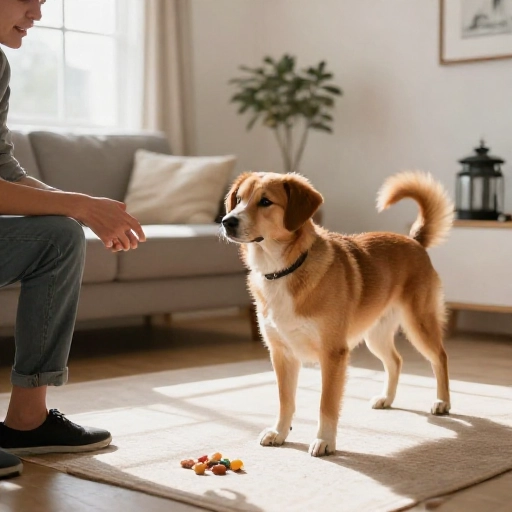
Sometimes you turn a corner and boom—surprise dog. You need an escape move. I teach a “let’s go!” cue that means turn and walk the other way fast. I practice it when nothing’s around, with a treat lure at first.
Then when a real trigger appears, I say “let’s go!” and we zip away. No drama. No staring. Your dog learns that you’ll handle the scary thing. That builds trust like nothing else.
6. Teach a Rock-Solid “Watch Me”
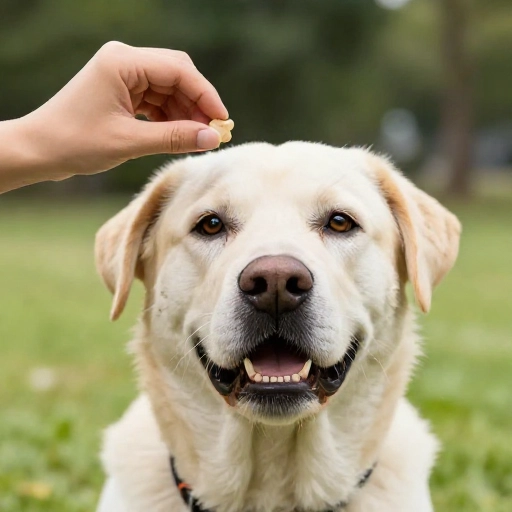
Eye contact is a superpower. Start at home: hold a treat near your eyes, say “watch me,” and reward when they look. Do it ten times. Then try in the yard, then on a quiet street.
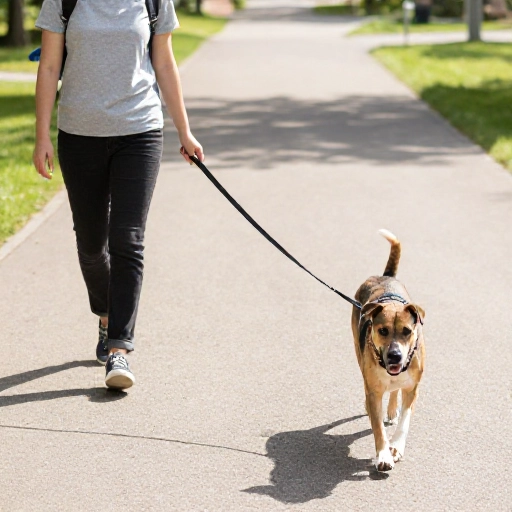
On walks, use “watch me” before your dog spots a trigger. If they’re already locked on, you’re too late. But with practice, you can cue it right as their ears perk up. That split second saves the walk.
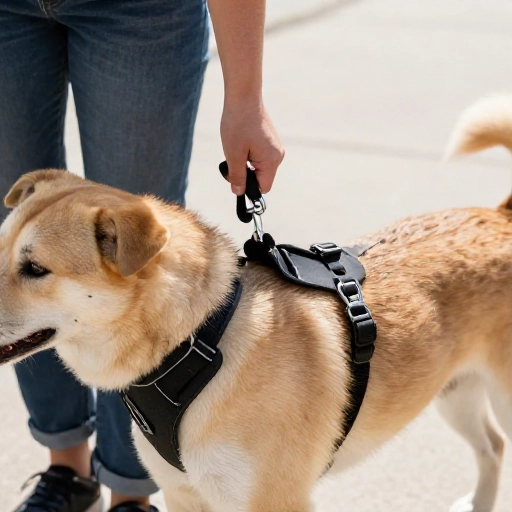
7. Switch to a Front-Clip Harness or Head Halter
I’m not a fan of choke chains or prongs for reactive dogs. They add pain and fear, which makes reactivity worse. A front-clip harness gives you steering without hurting. A head halter gives even more control, but introduce it slowly with treats.
When my dog lunges, a front-clip turns his body sideways instead of forward. That tiny shift breaks the staring contest. Plus, it’s kinder. You want your dog to feel safe, not strangled.
8. Never Greet Dogs Head-On
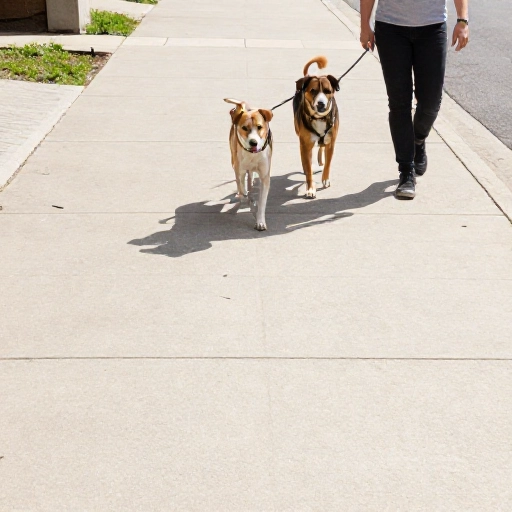
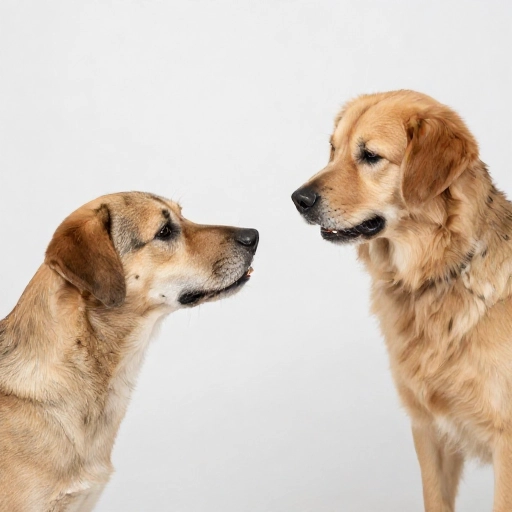
Head-on greetings are rude in dog language. Reactive dogs hate them. Instead, walk parallel or at an angle. If you must pass, create distance and keep moving. Don’t stop to chat with the other owner.
I cross the street or turn up a driveway. It feels awkward, but it works. Your dog will thank you. And the other person usually gets it—most have been there too.
9. Build a Calm “Safe Zone” at Home
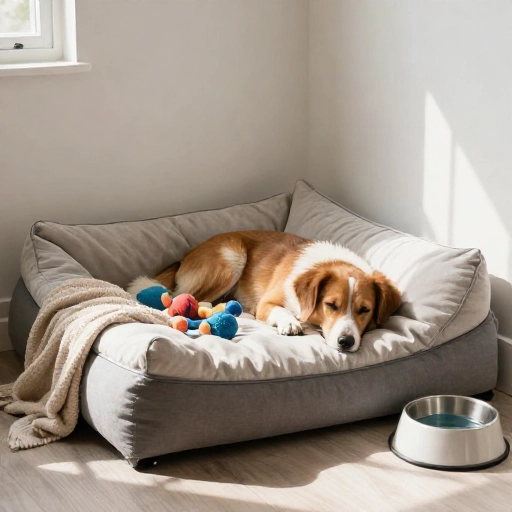
Reactivity isn’t just outside. If your dog barks at the window or door, they’re practicing the behavior all day. I set up a cozy bed in a quiet corner and reward my dog for chilling there. I also block the window view with frosted film or a baby gate.
When they can’t see every passerby, their stress bucket stays lower. Then walks are easier because they’re not already on edge. Home should be a spa, not a watchtower.
10. Practice Doorway Calmness
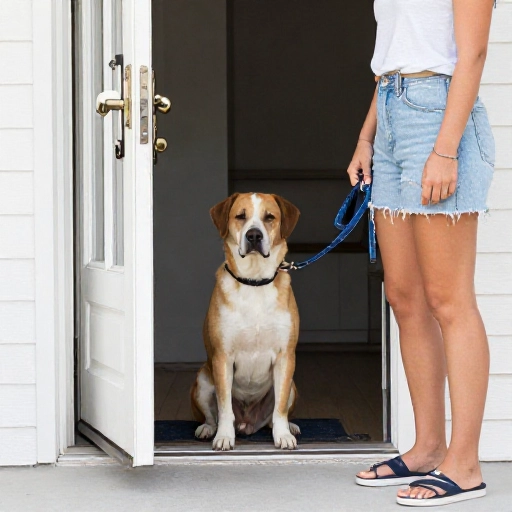
Doors are trigger hotspots. Guests, delivery people, other dogs—so much excitement. I teach my dog to sit and wait while I open the door. If they pop up, the door closes. No drama, just a reset.
Start with a friend who understands. Open the door an inch, reward calm. Build up to full opens. This teaches impulse control that carries over to walks. A dog who waits at the door is less likely to bolt at a trigger.
11. Try the “Find It” Game on Walks
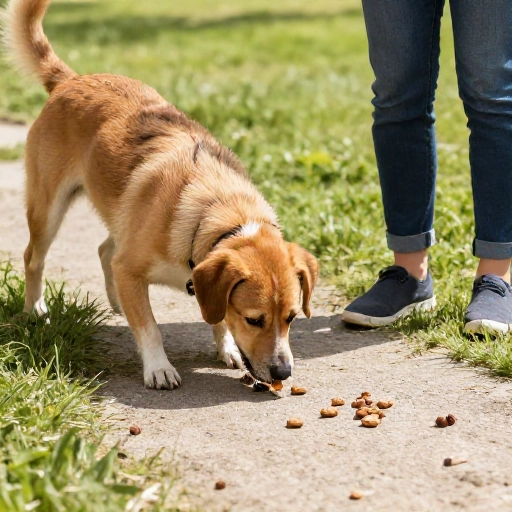
When I see a trigger coming, I say “find it!” and toss a handful of treats on the ground. My dog sniffs and searches while the other dog passes. It’s genius because sniffing lowers heart rate and redirects attention.
I use this for surprise triggers too. Instead of a lunge, my dog gets a treasure hunt. Over time, they start looking at the ground when they’re nervous. That’s a huge win.
12. Check Your Own Energy First
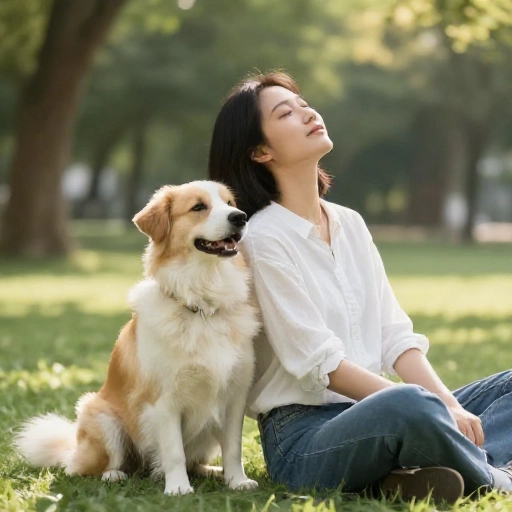
Your dog reads your body like a book. If you tense up, they think, “See? Danger!” I had to learn to breathe. Now I yawn, shake out my shoulders, and talk in a happy voice. It feels fake at first, but it works.
When I’m relaxed, my dog relaxes. We walk slower. The leash stays loose. It’s a feedback loop—calm in, calm out. So before you grab the leash, take three deep breaths.
13. Set Up Controlled Playdates
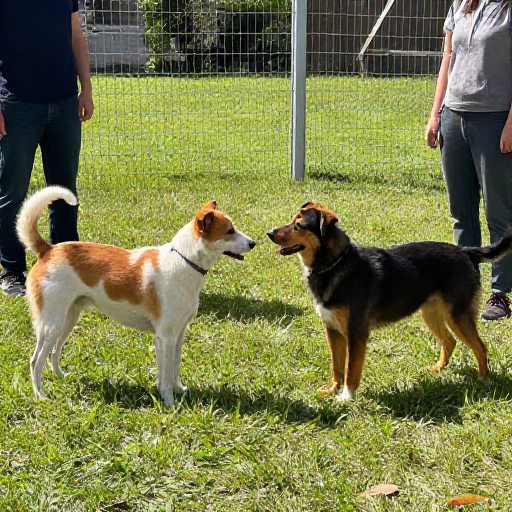
You can’t avoid all dogs forever. I found a friend with a bombproof, patient dog. We walked on opposite sides of a quiet street, then parallel, then finally let them sniff through a fence. Slow and boring is the goal.
If either dog gets stiff or stares, we add distance. No greetings until both are loose and wiggly. This builds positive associations without flooding. One good session beats ten chaotic dog park visits.
14. Use “BAT” (Behavior Adjustment Training) Lite
BAT is fancy talk for letting your dog choose to move away from a trigger. I set up a situation where my dog sees another dog at a distance. I wait. The second my dog looks away or sniffs the ground, I mark and reward—and we walk away together.
This teaches that disengaging earns the thing they want: distance. It’s powerful because your dog feels in control. I keep sessions under 10 minutes and always end on a win.
15. Celebrate Tiny Wins Every Single Day
Progress isn’t a straight line. One day my dog ignores a barking dog. Next day he loses it at a leaf. That’s normal. I keep a journal and write down every small victory: a head turn, a quiet sit, a loose leash for ten steps.
Those tiny wins add up. They keep me motivated. And they show my dog that calm behavior pays off. Fast results come from noticing the little stuff, not waiting for a perfect walk.
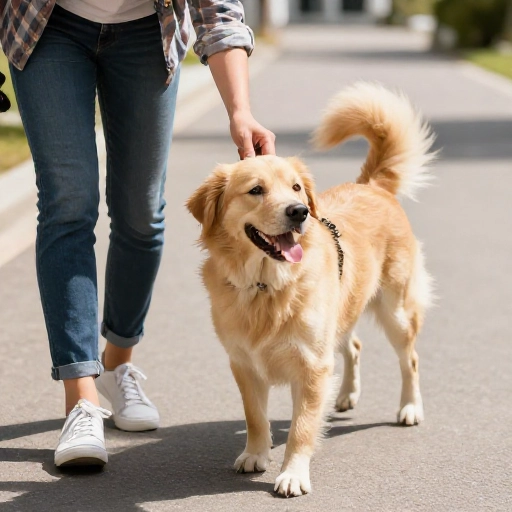
Final Thoughts: Fast Results Come From Consistency
I won’t lie—reactive dog training isn’t magic. But these 15 tips have cut my dog’s meltdowns from ten a walk to maybe one. Sometimes zero. The key is to pick two or three tips and practice daily. Don’t try everything at once.
Your dog isn’t broken. They’re having a hard time. With distance, treats, and a whole lot of patience, you’ll both feel better. And soon, walks will be something you look forward to again.
Frequently Asked Questions
How long until I see results?
Most people notice small changes in 1–2 weeks. Big shifts take 1–3 months. It depends on your dog’s history and how often you practice.
Can I use these tips with any breed?
Yes. Reactivity is about emotions, not breed. Herding dogs, terriers, and rescues all benefit. Just adjust treat value and distance.
What if my dog won’t take treats outside?
That means you’re too close or too stressed. Move farther away or use a higher-value treat. If they still won’t eat, go home and try a quieter spot next time.
Should I punish my dog for growling or barking?
No. Punishment suppresses the warning but not the fear. Your dog might skip the growl and bite instead. Reward calm behavior instead.
Do I need a professional trainer?
For severe cases, yes—look for a force-free, positive reinforcement trainer. For mild reactivity, these tips can work on your own. Always consult a vet to rule out pain first.